


Event Recap
The Korea Society in Georgia: Cross-Cultural Leadership Initiative Comes to Atlanta
The Korea Society recently brought its Cross-Cultural Leadership Initiative (CCLI) to Atlanta through two complementary programs focused on one increasingly important question:
“What does it take to turn Korean investment in America into successful, well-integrated organizations and communities?”
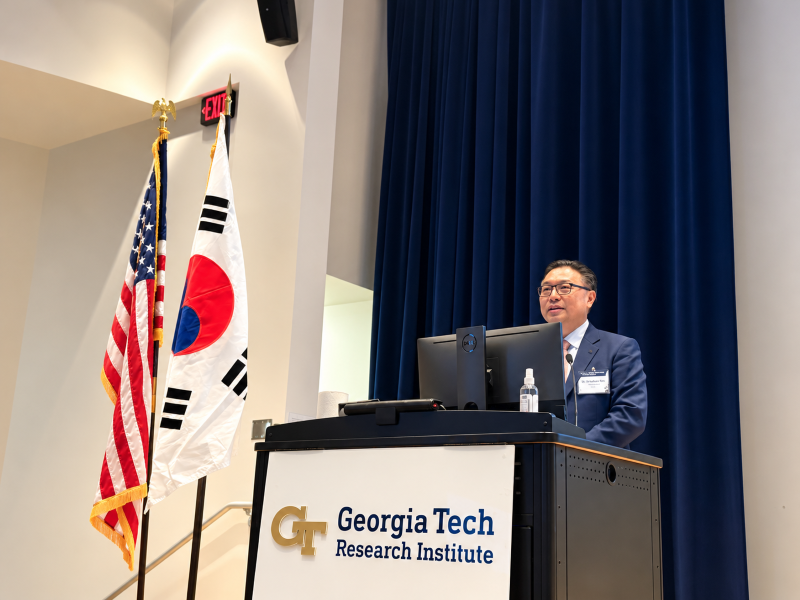
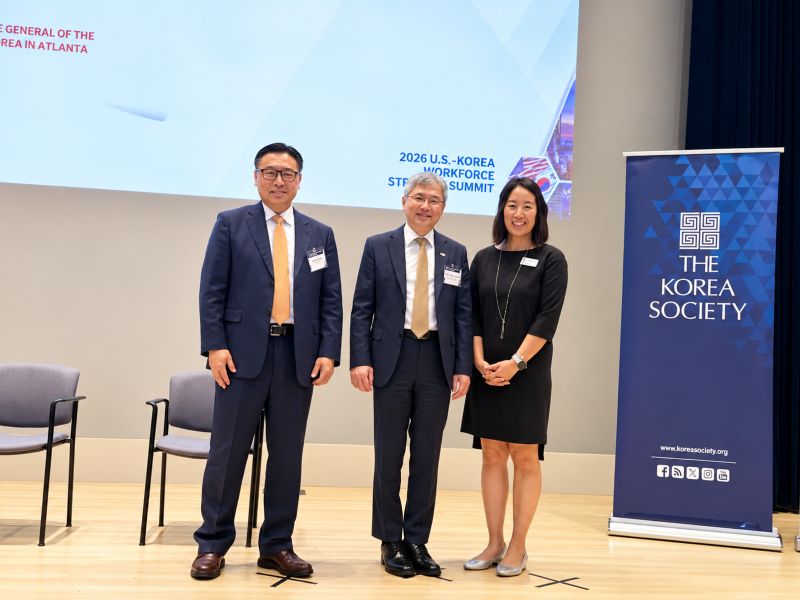
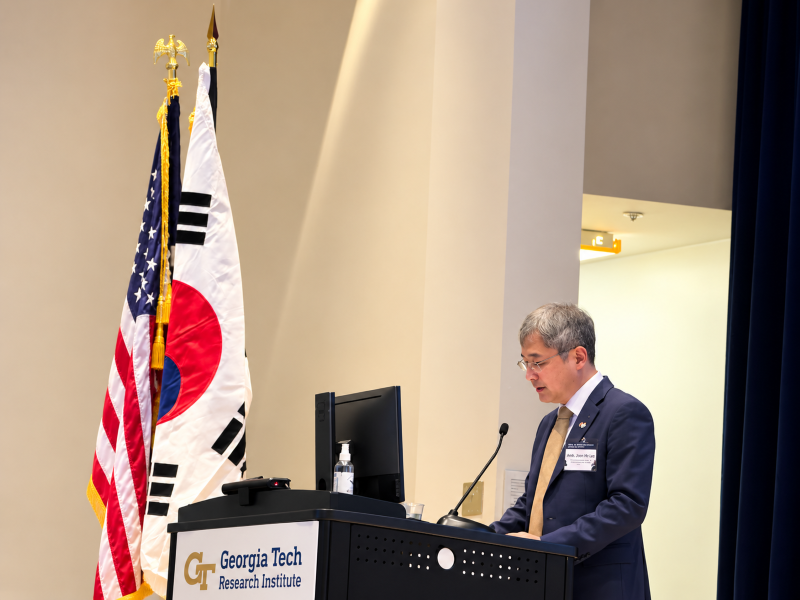
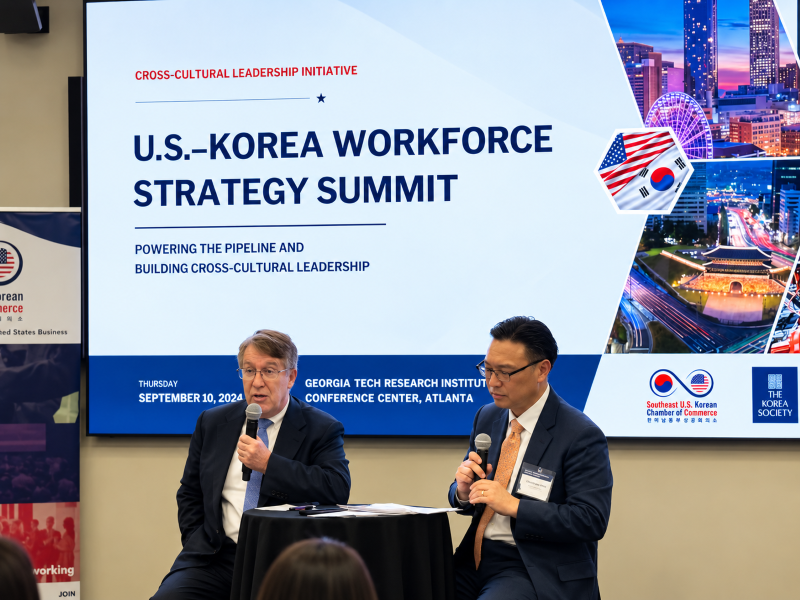
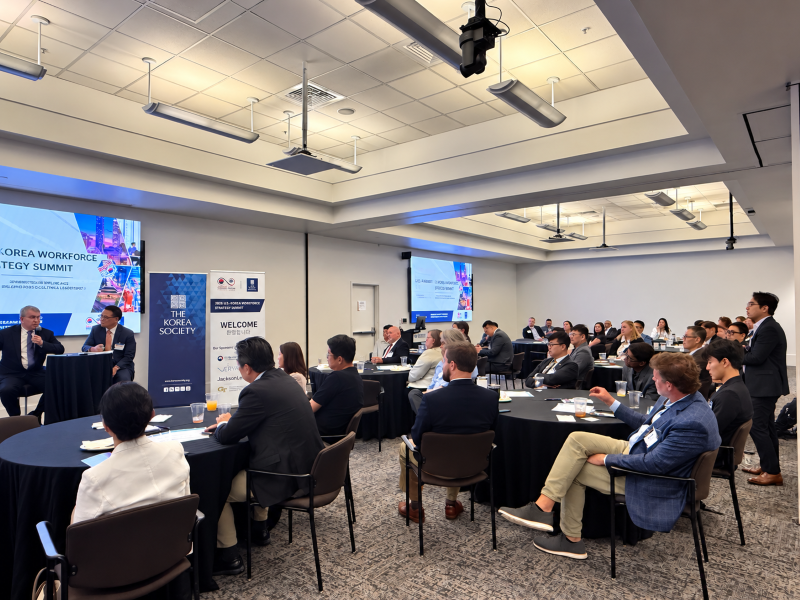
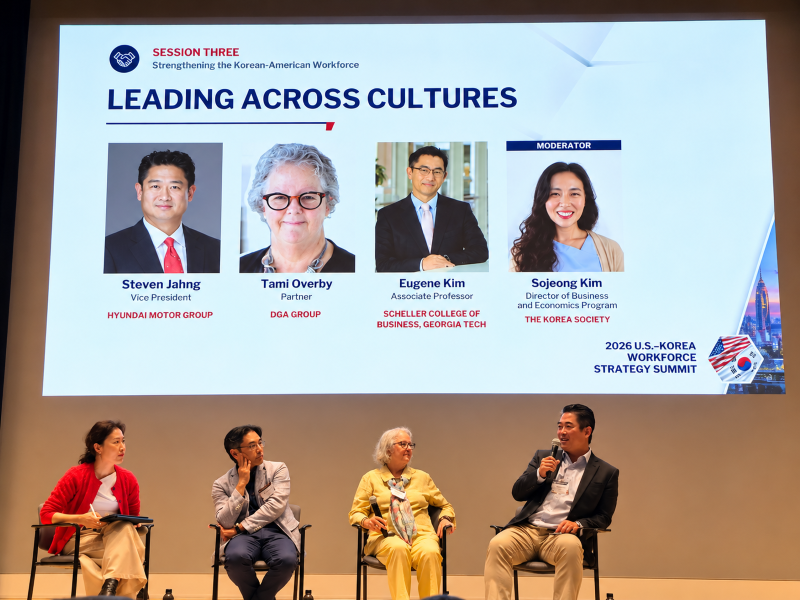
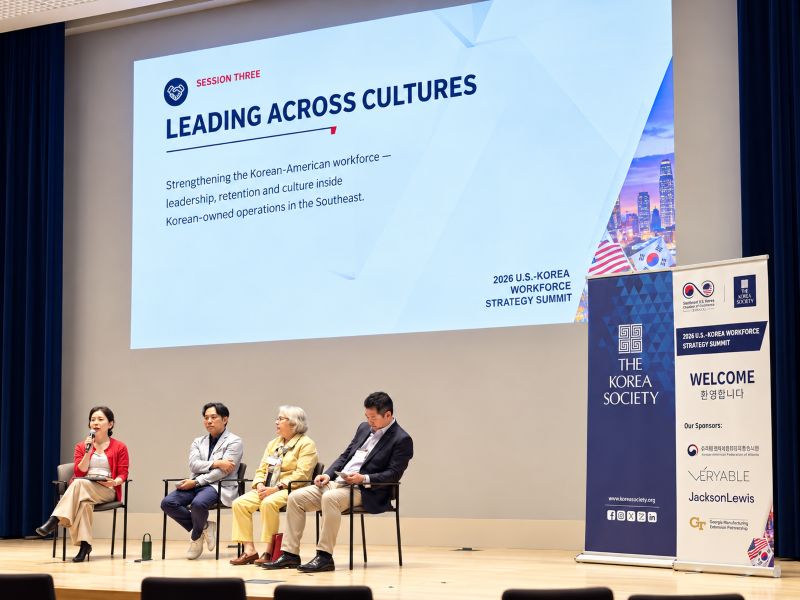
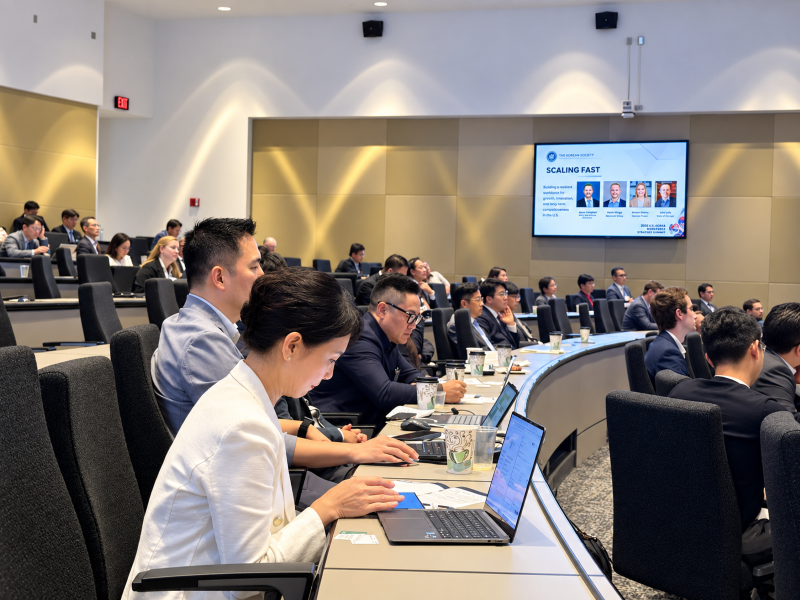
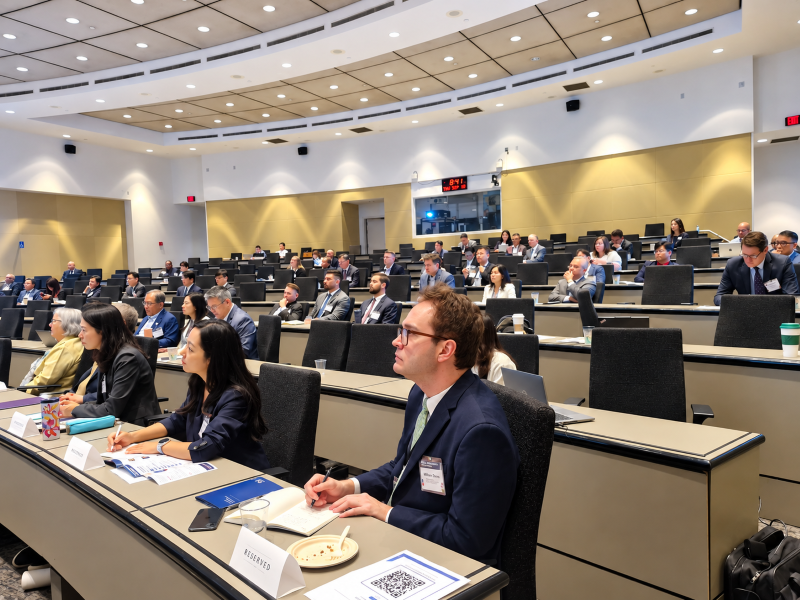
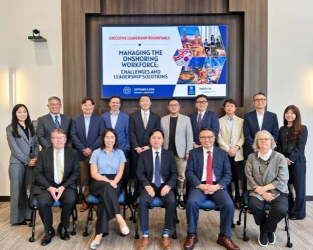
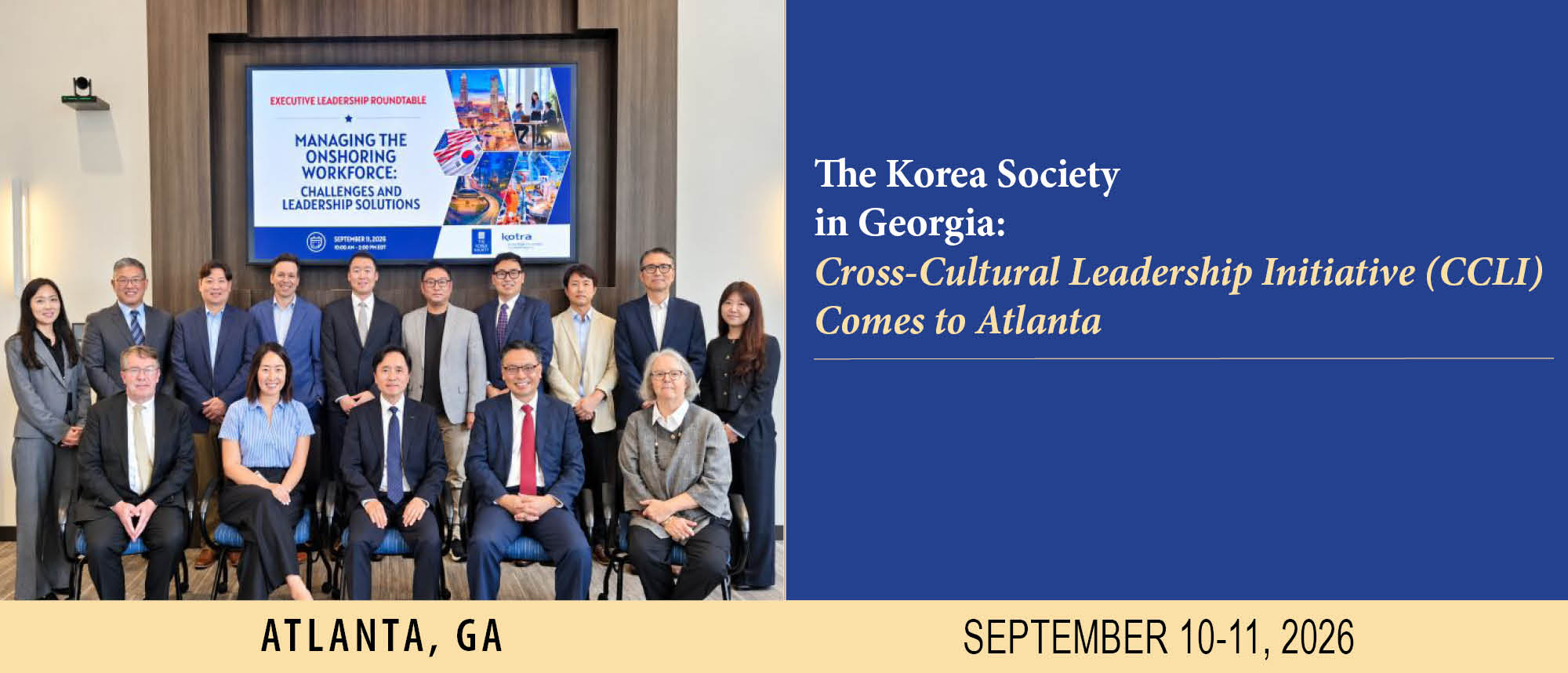
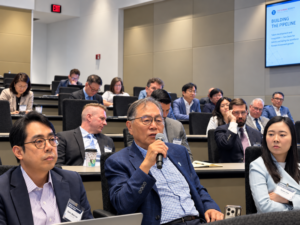
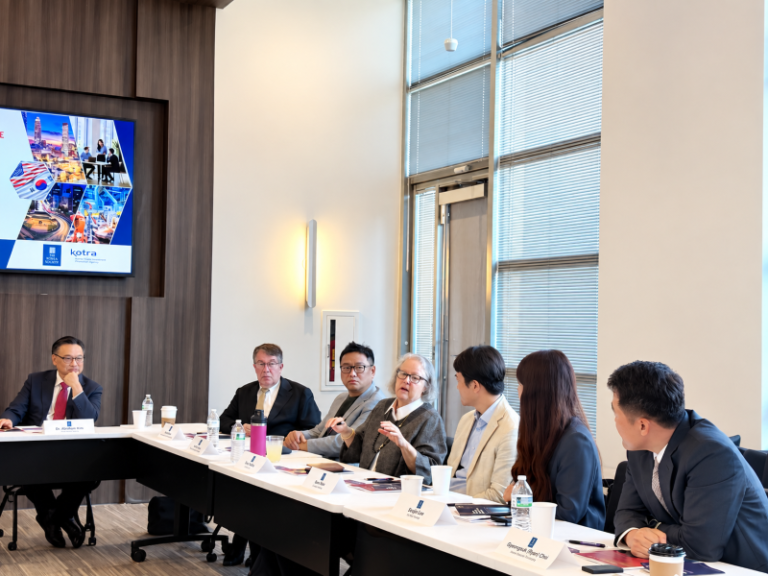
The U.S.–Korea Workforce Strategy Summit, co-hosted with the Southeast U.S. Korean Chamber of Commerce (SEUSKCC), with support of the Consulate General of the Republic of Korea in Atlanta, brought together approximately 100 business, government, workforce, academic, and community leaders. The following day, The Korea Society and KOTRA Atlanta convened a smaller, invitation-only Executive Leadership Roundtable for senior representatives of Korean companies and key community and business leaders.
Across both conversations, one message stood out:
“The next phase of Korean investment will depend not only on capital and facilities, but on people, leadership, local relationships, and institutional trust.”
What We Heard in Atlanta
Build a “Third Culture”
Korean companies operating in the United States cannot simply transfer headquarters practices to American workplaces—or expect an American model to emerge on its own. Participants emphasized the importance of intentionally developing a shared “third culture” through leadership, communication, training, and adaptation to local conditions.
Prepare People, Not Just Positions
Workforce integration begins before recruitment ends. Participants highlighted the importance of preparing both expatriate managers and local employees to work effectively across cultures, clarifying expectations around authority, feedback, decision-making, and autonomy, and strengthening communication between Korean headquarters and U.S. operations.
Trust and Autonomy Matter
The discussion highlighted how differences in management style can affect engagement, collaboration, and retention. Participants shared examples suggesting that trust, empowerment, and two-way communication can be critical to building effective Korean-American teams.
Community Integration Is a Business Strategy
The conversation extended beyond the workplace. Participants emphasized that Korean companies need to become visible, active members of the communities where they operate—not simply investors creating jobs. Sustained relationships with civic organizations, schools, chambers, and local institutions can strengthen trust and contribute to workforce recruitment, retention, and organizational reputation.
The Conversation Continues
The CCLI events in Atlanta pointed toward a clear next step: moving from informal adaptation and goodwill to a more deliberate approach to cross-cultural leadership, workforce integration, local leadership, and community engagement. Participants emphasized the need for measurable training and retention efforts, empowered local leaders, and sustained community engagement tied to business priorities.
These insights will help inform the continued development of The Korea Society’s Cross-Cultural Leadership Initiative (CCLI)—a national initiative designed to strengthen the leadership capabilities, workforce integration, cultural competence, and community relationships that support Korean companies operating in the United States.
“Investment builds the foundation.
People and relationships make it work.”
Our special thanks to:
- Ambassador Joon Ho Lee, Consul-General of the Republic of Korea in Atlanta
- Scott Snyder, President & CEO, Korea Economic Institute of America
- Tami Overby, Partner, Dentons Global Advisors
- Eugene Kim, Professor, Scheller College of Business, Georgia Tech
- Steven Jahng, Vice President, Hyundai Motor Group
- SungJoon Ahn, General Director, KOTRA Atlanta