








On October 30, The Korea Society hosted a special roundtable seminar, “The Trump Administration’s Approach To Northeast Asia Geopolitics & Markets.” The single-day seminar offered two sessions: Geopolitics and Trade & Investment, reflecting on the geopolitical and trade alignments determined by the Trump Administration and how they shape the ever-evolving U.S.-Korea alliance.

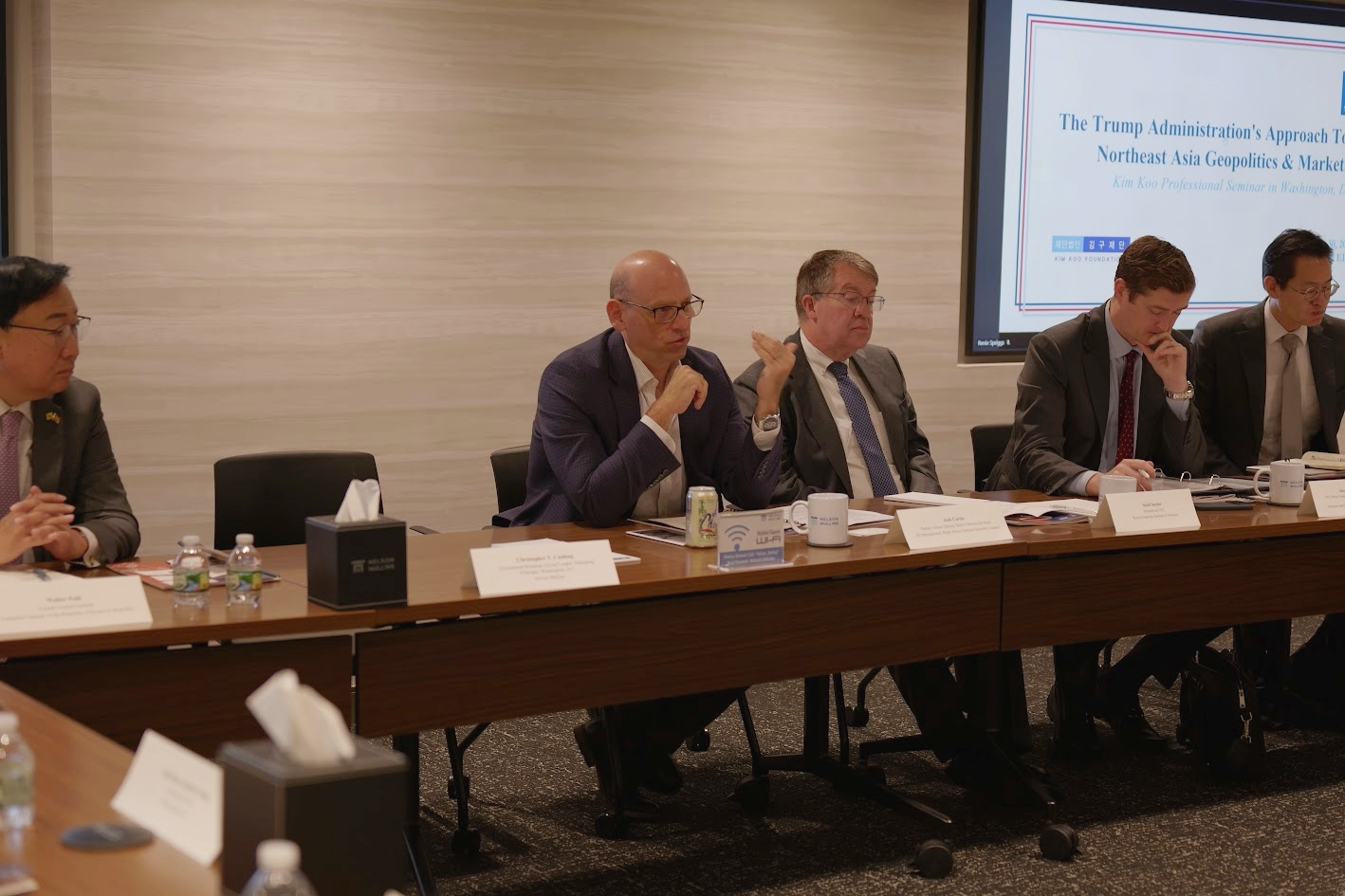
The first roundtable focused on the geopolitical nature of the U.S.-Korea alliance and its greater implications for Northeast Asia security. Some key takeaways from the session include:
- Competition with China sets the agenda. Washington pairs leader-level diplomacy for stability with export controls, financial restrictions, and support for Taiwan.
- Defense Industry is Korea’s key contribution. Shipbuilding is the test case: It offers the largest opportunity for cooperation, but entrenched domestic politics have slowed progress.
- Investment commitments are now a security issue. How effectively Korea implements its investment commitments will decide whether economic ties strengthen the alliance or strain it.


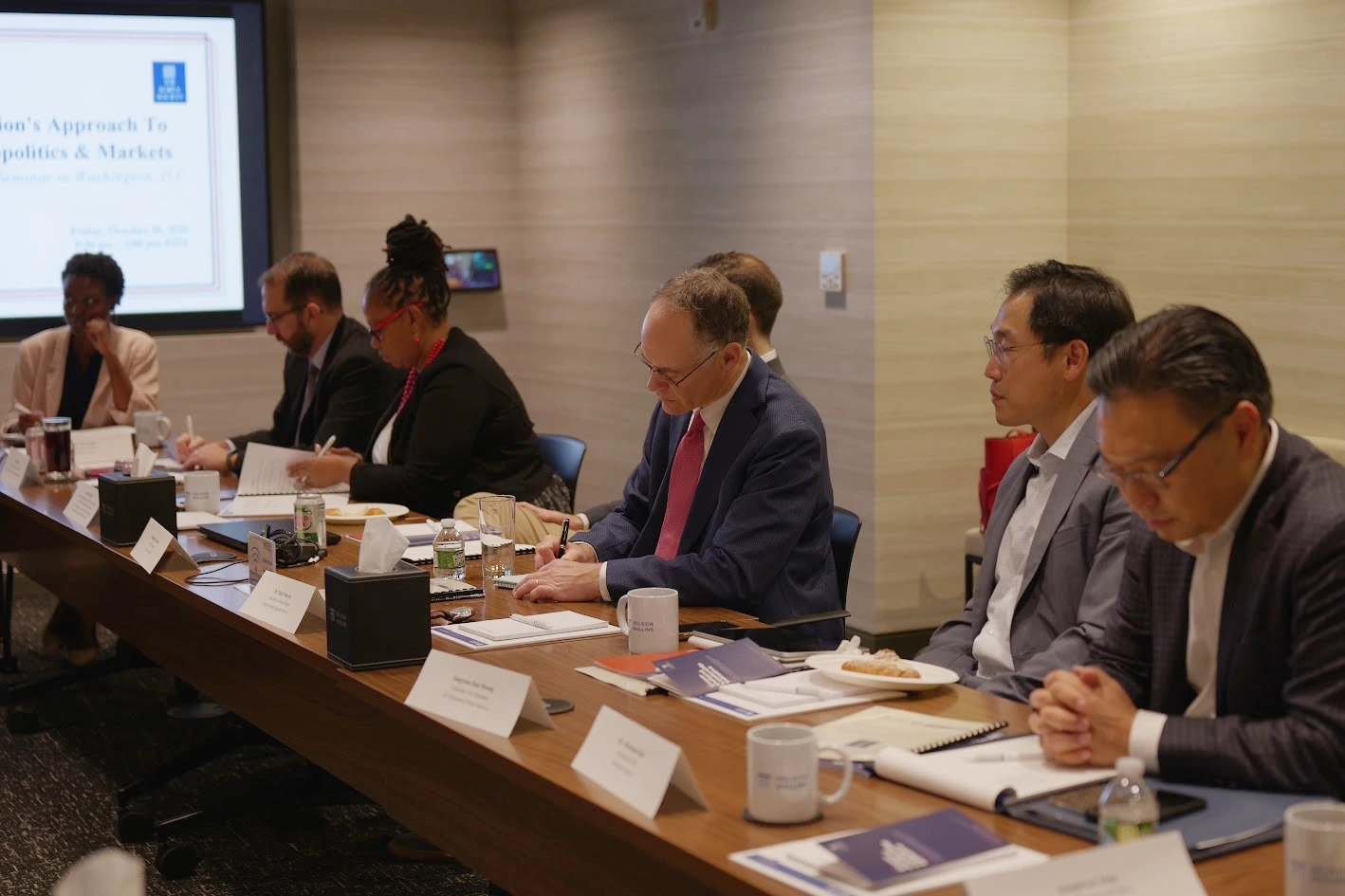
The following session centered around the alliance’s trade & investment objectives, centered around Korea’s investment commitments to the U.S.:
- Reshoring drives the deals. Korean conglomerates lead the effort, a sign that economic priorities now shape the bilateral agenda more than security interests.
- Durability depends on commercial value and law. Commitments grounded in real returns and legal foundations will outlast political change. In a fast, centralized policy environment finding the right counterparts matters.
- Frictions remain. Visa uncertainty for engineers and technicians threatens investment, and digital-platform rules still concern Washington. Korean firms can build standing by telling a coordinated story of their contribution to U.S. industry, while showing audiences at home that the commitments make commercial sense.
In conclusion, the U.S.–Korea relationship is economically closer than ever, but perceptions lag reality. Progress now depends on execution: delivering on investment commitments, aligning on regional roles, and building channels that are effective for cross-border cooperation.
This invitation-only seminar was produced in collaboration with Nelson Mullins and made possible by the generous support of the Kim Koo Foundation.


FAQ
01 / 03
What is currently shaping U.S. policy priorities in Northeast Asia?
Long-term competition with China. Washington is setting its priorities across the region around three aims: preventing Chinese dominance, sustaining its own position, and managing the rivalry to avoid escalation. To achieve these goals, the U.S. expects allies to share more of the burden, especially through defense, industrial, and economic contributions. .
02 / 03
How is the U.S.-Korea alliance framed in the backdrop of U.S.-China competition?
The U.S. is calling upon its regional allies, including ROK, to take on their respective capabilities. Korea is seen as both a valued security partner and an economic partner whose industrial capacities, such as shipbuilding and defense manufacturing, are increasingly central to the alliance.
03 / 03
What role do business leaders play in this evolving alliance, and why does coordination with policymakers matter?
Business leaders turn investment pledges into plants, jobs and supply chains, making them frontline actors in the alliance. But they cannot make it work alone. The U.S. government must do its part to keep investment commercially viable, through workable visa access, predictable trade rules and support from federal, state, and local officials who host the projects. Aligned, Korean investment builds lasting support for the alliance; misaligned, it can become a source of friction.