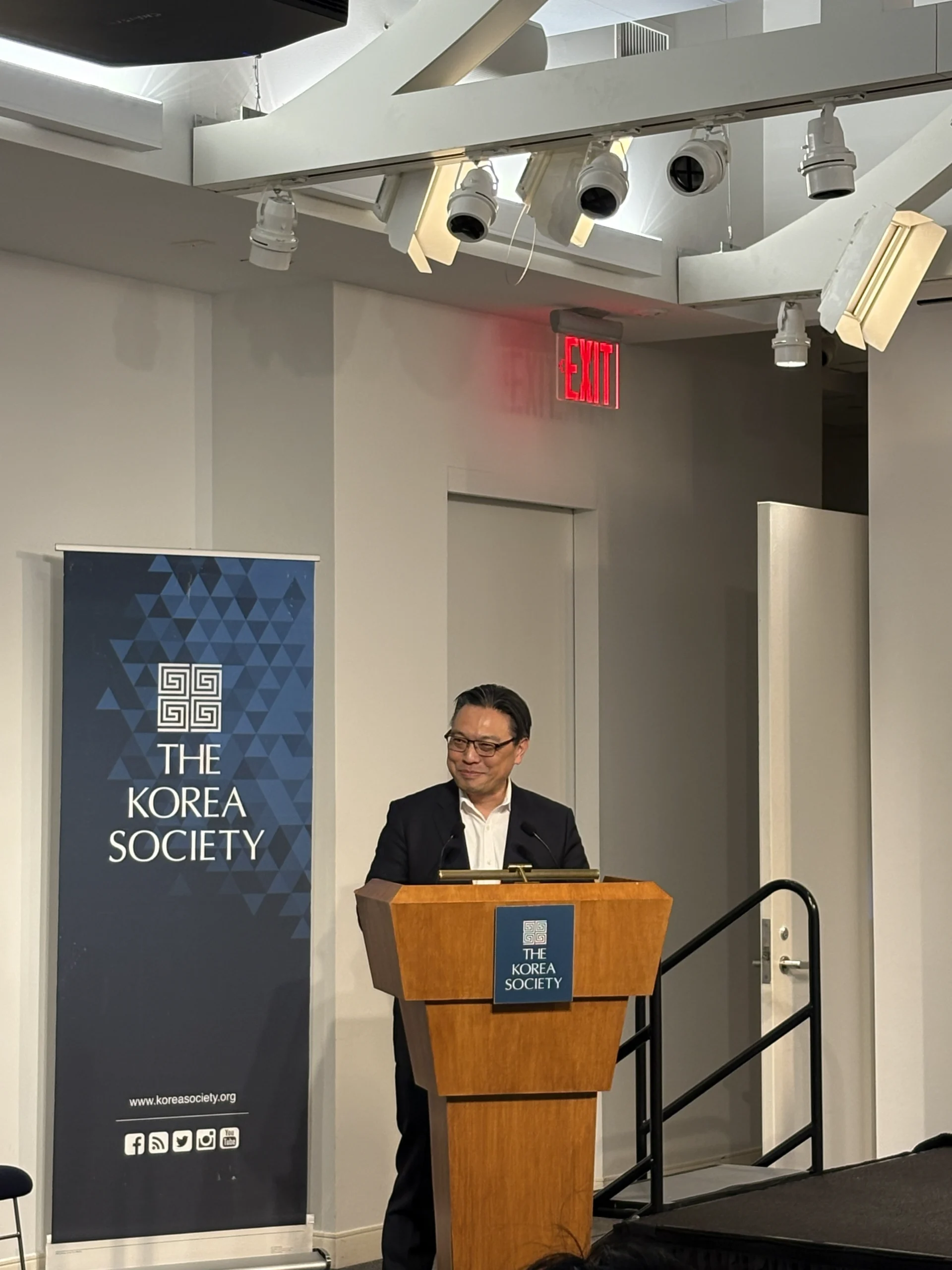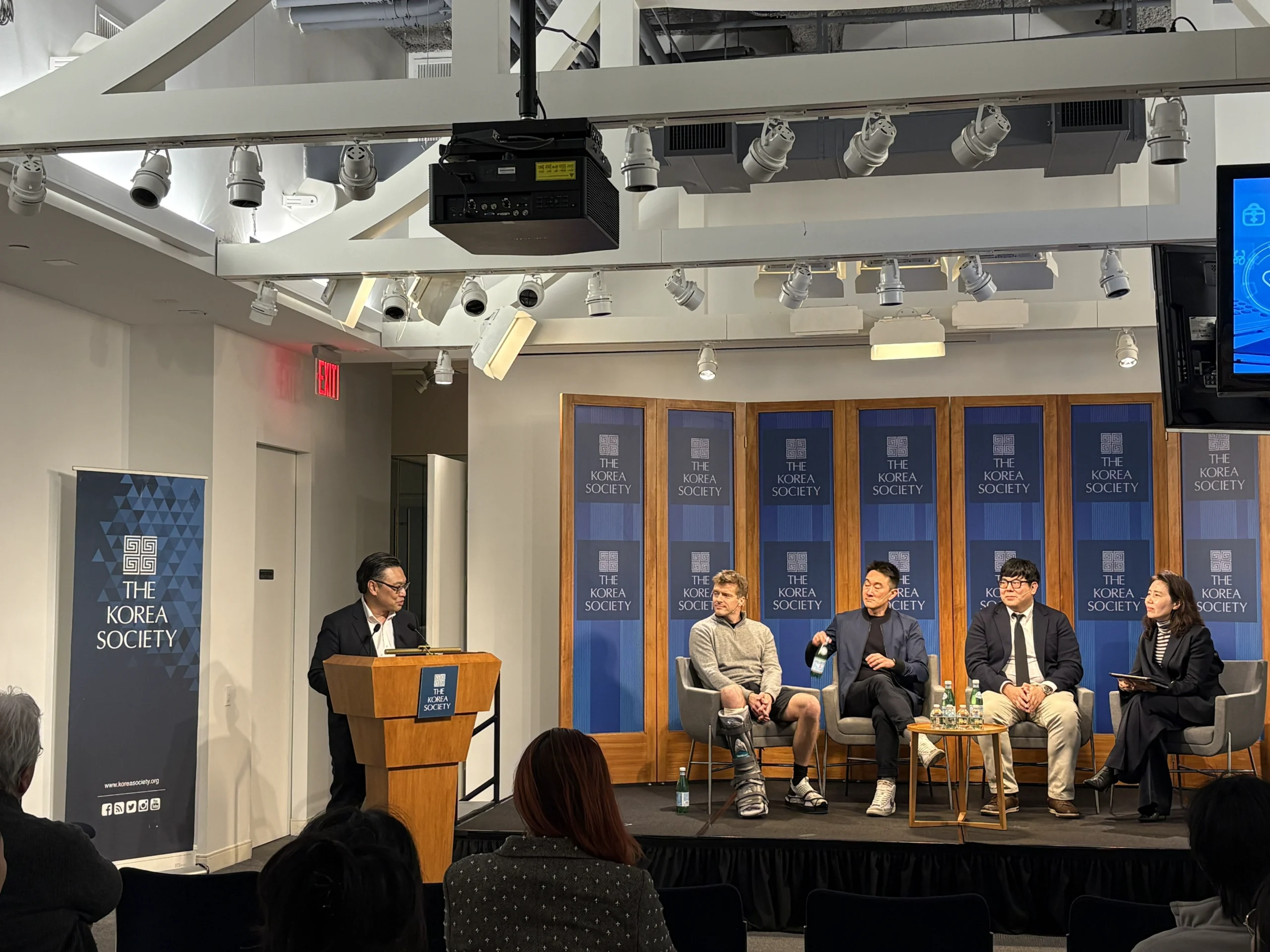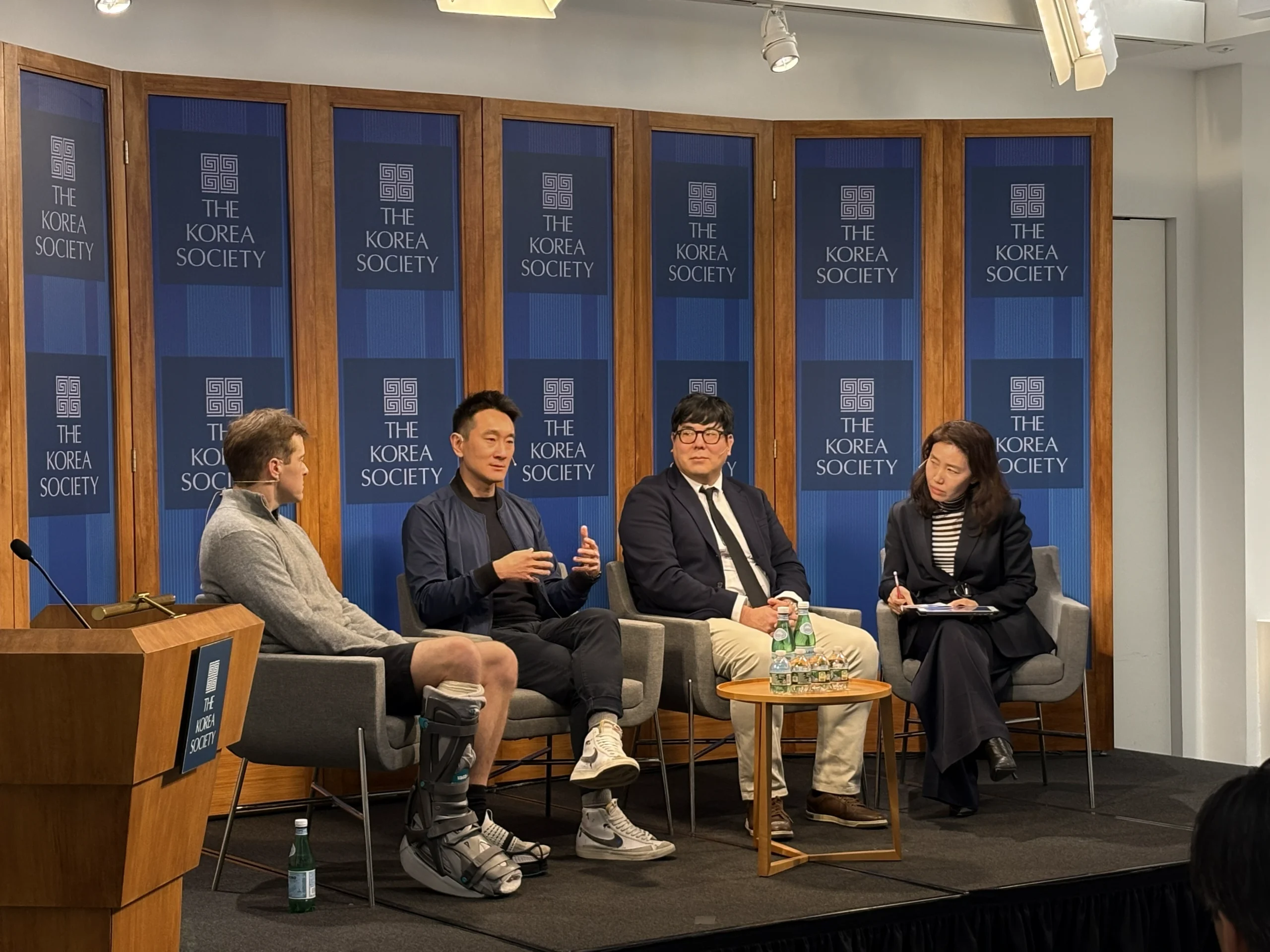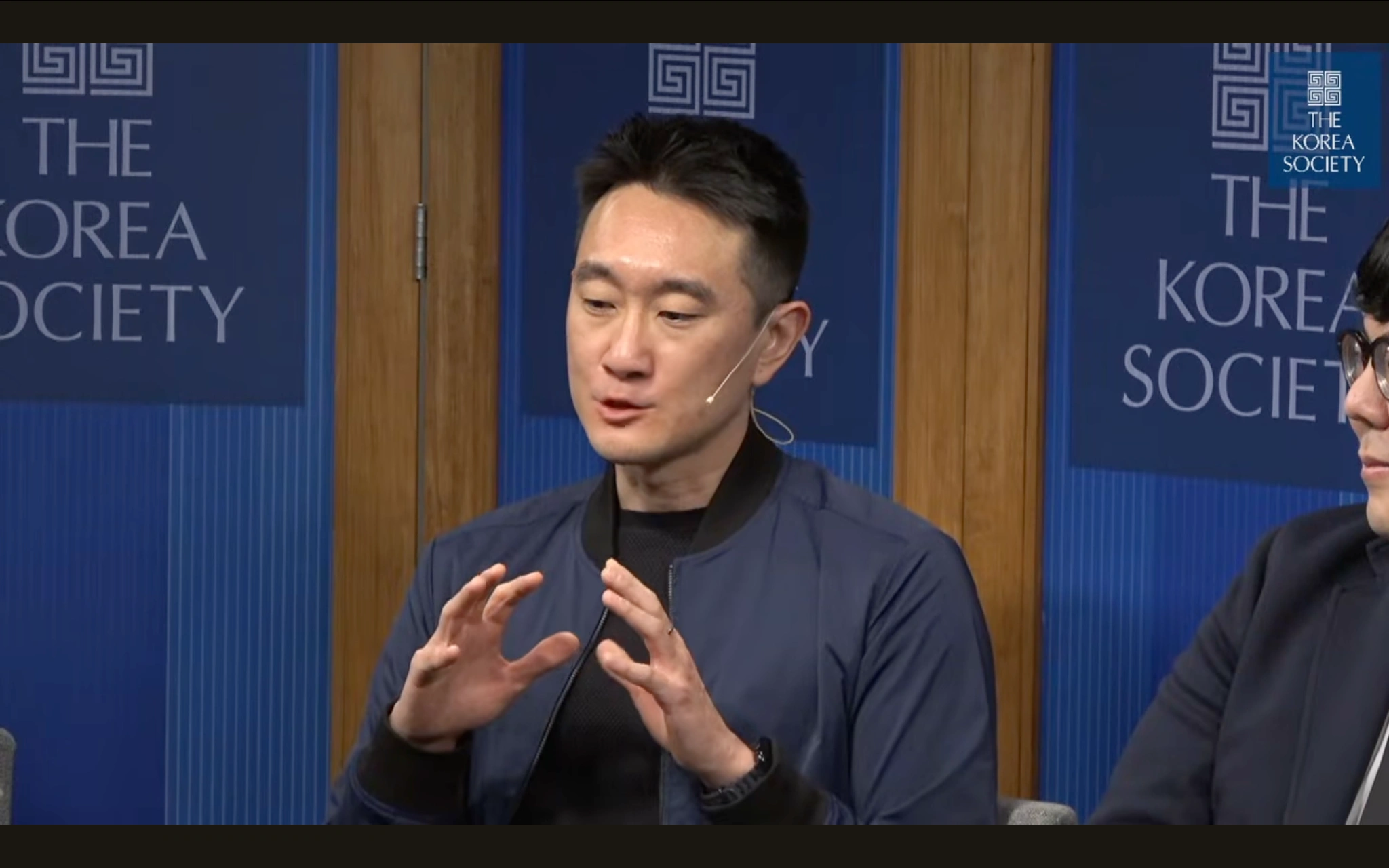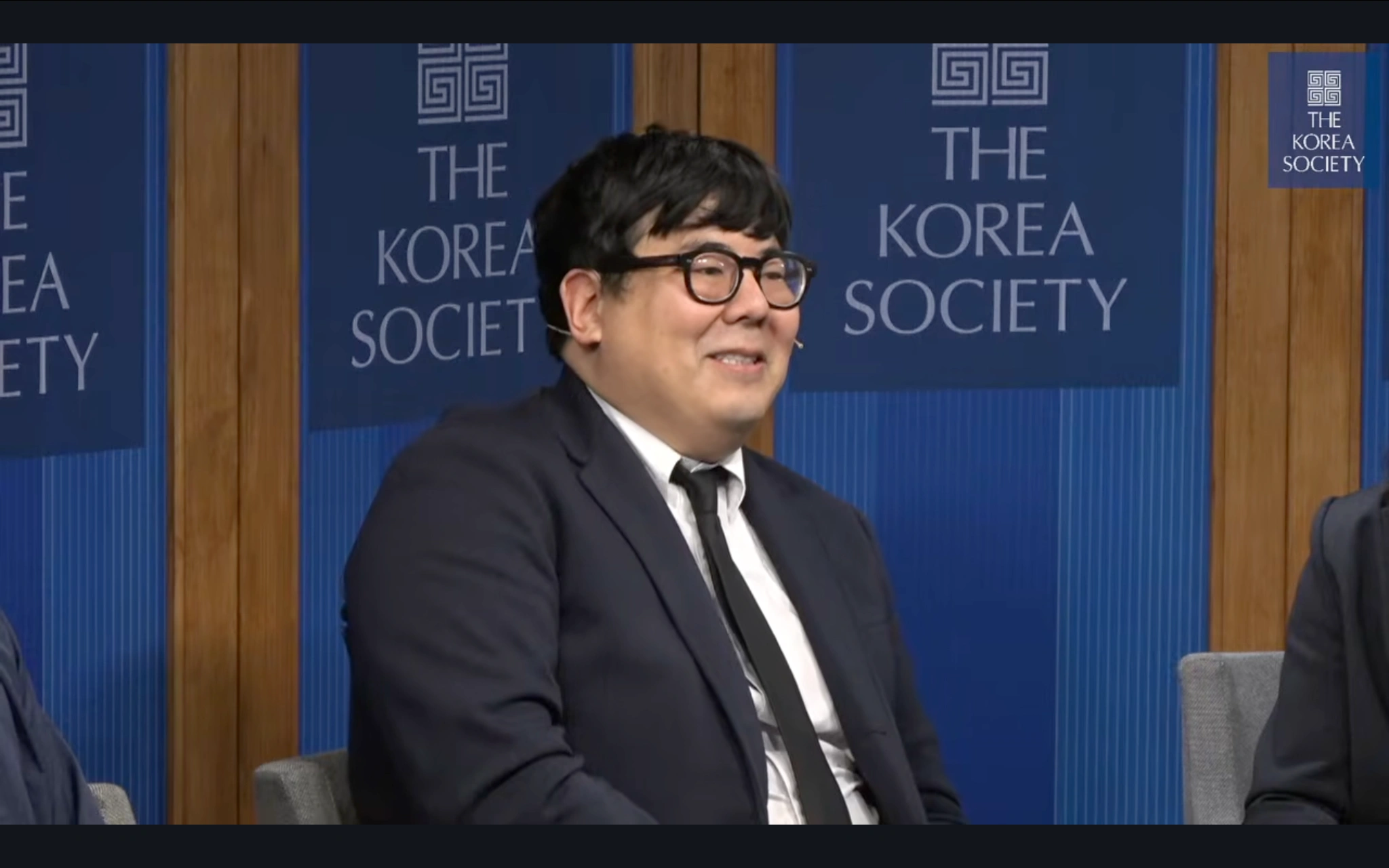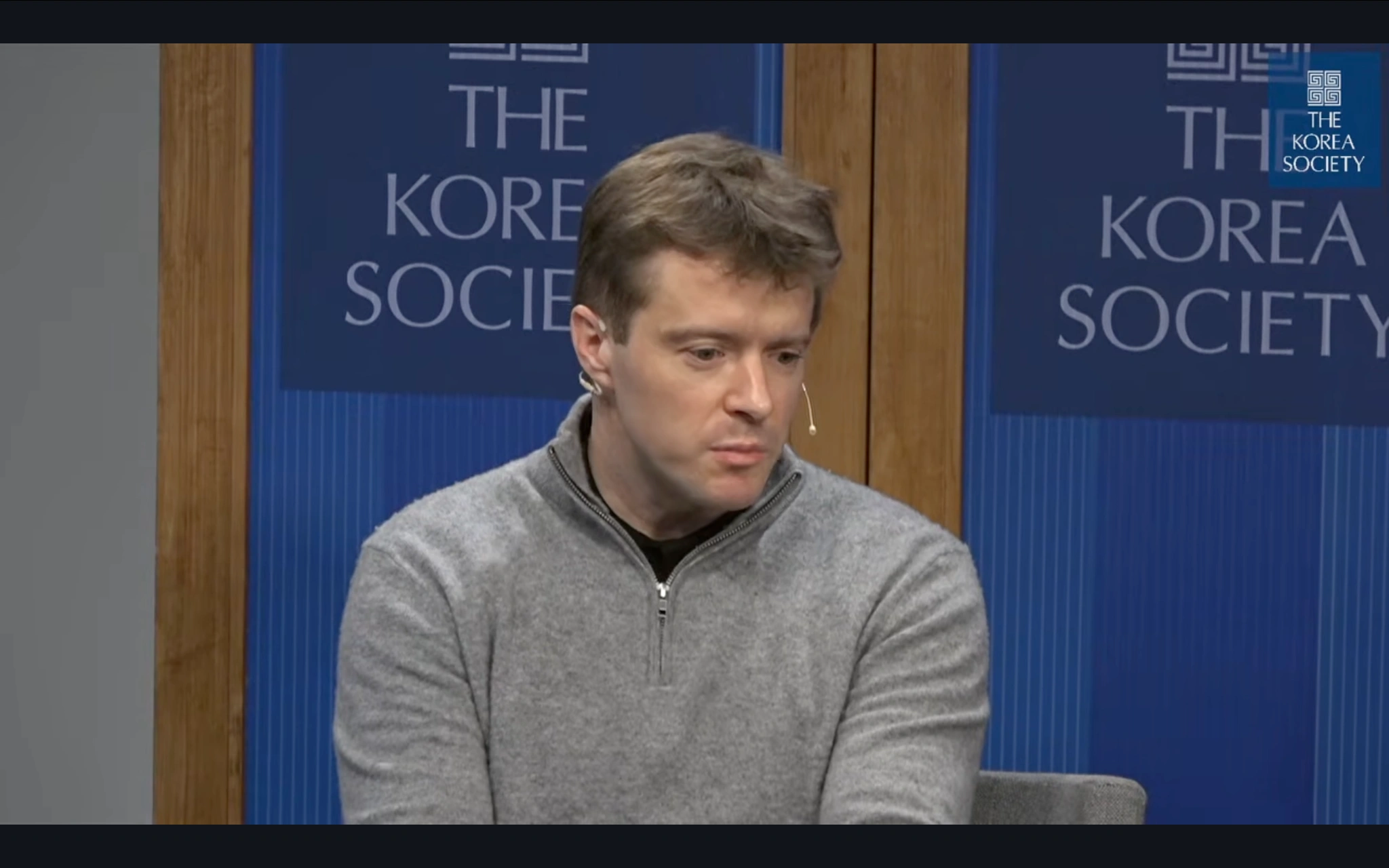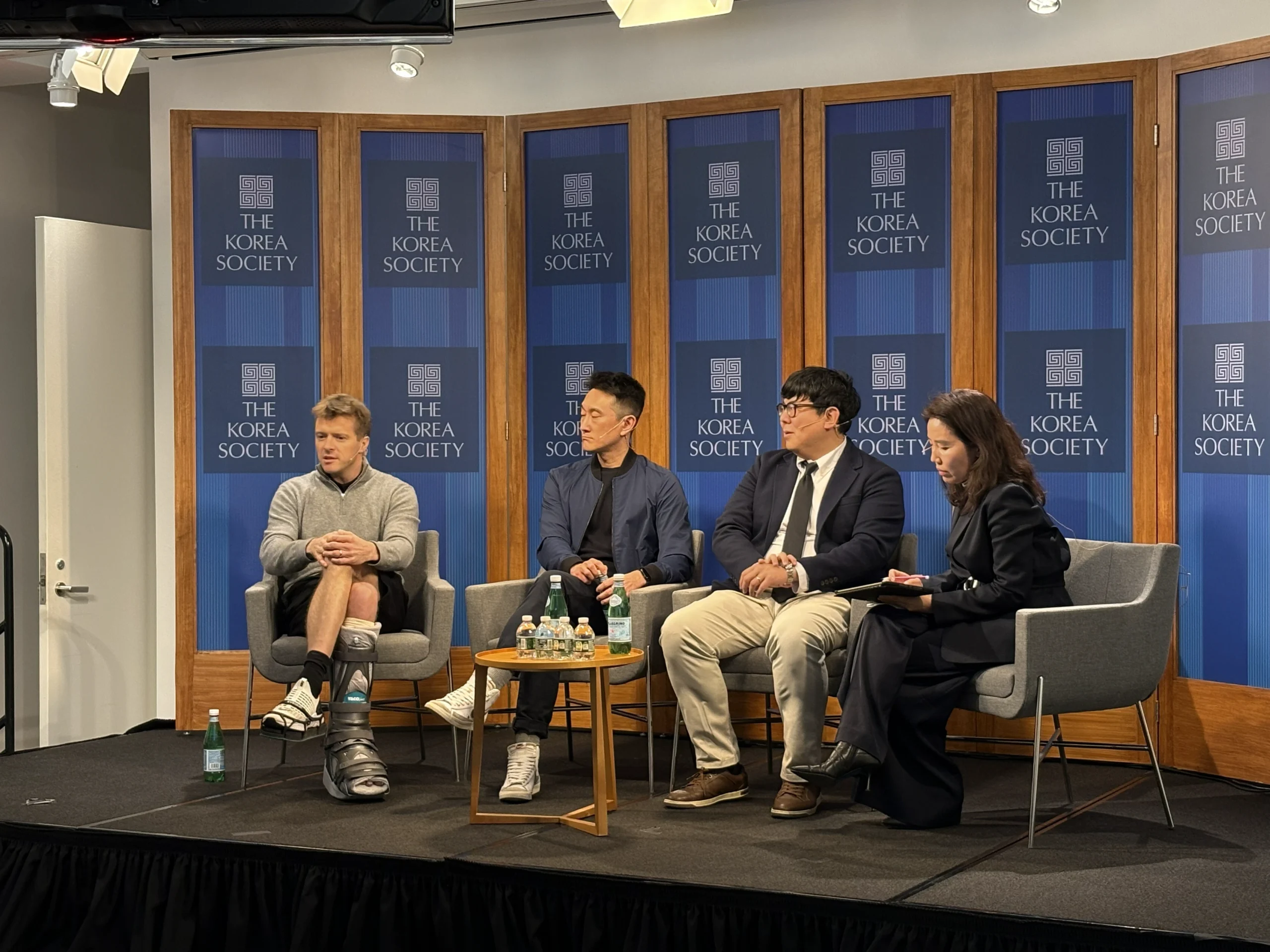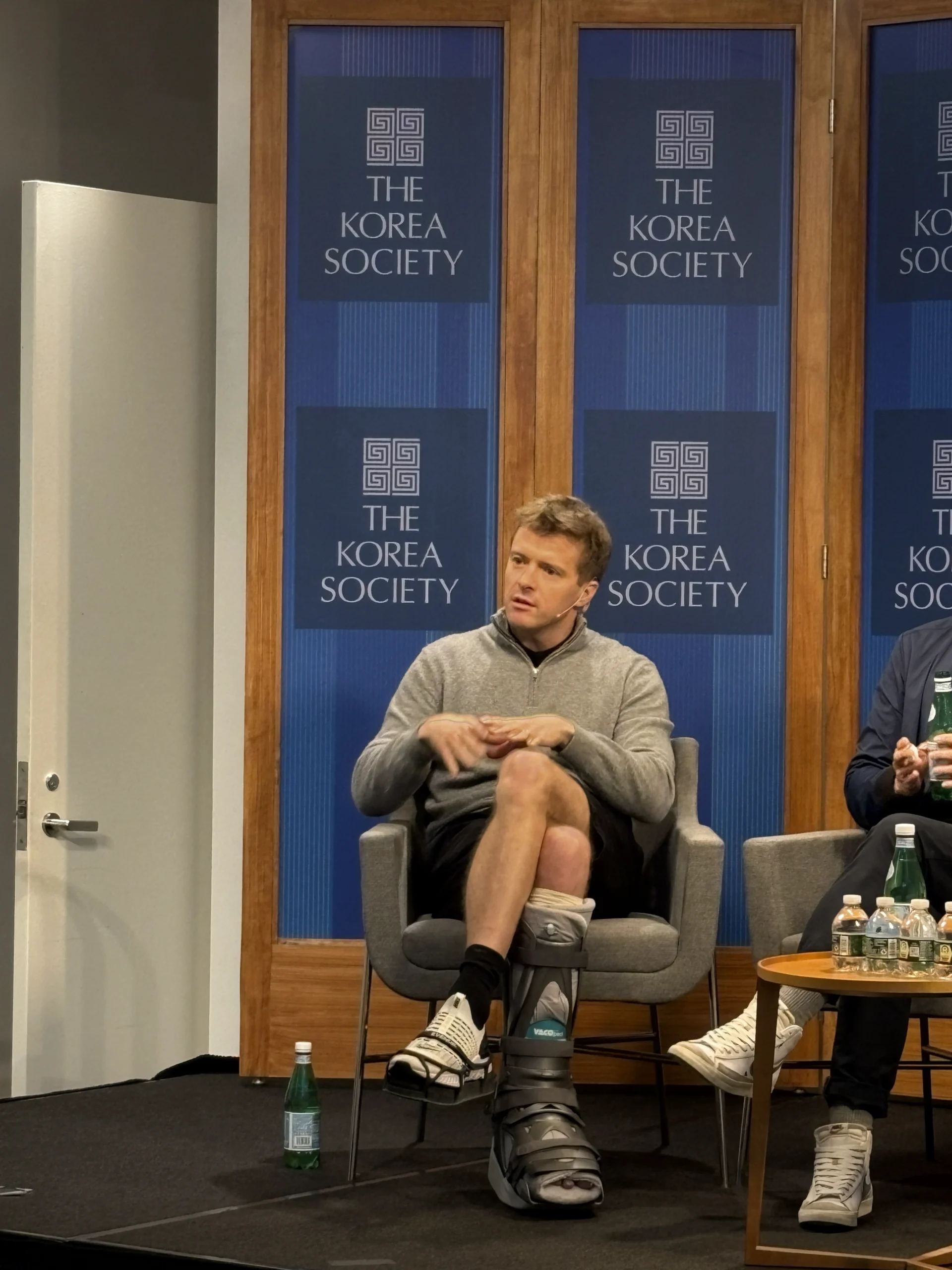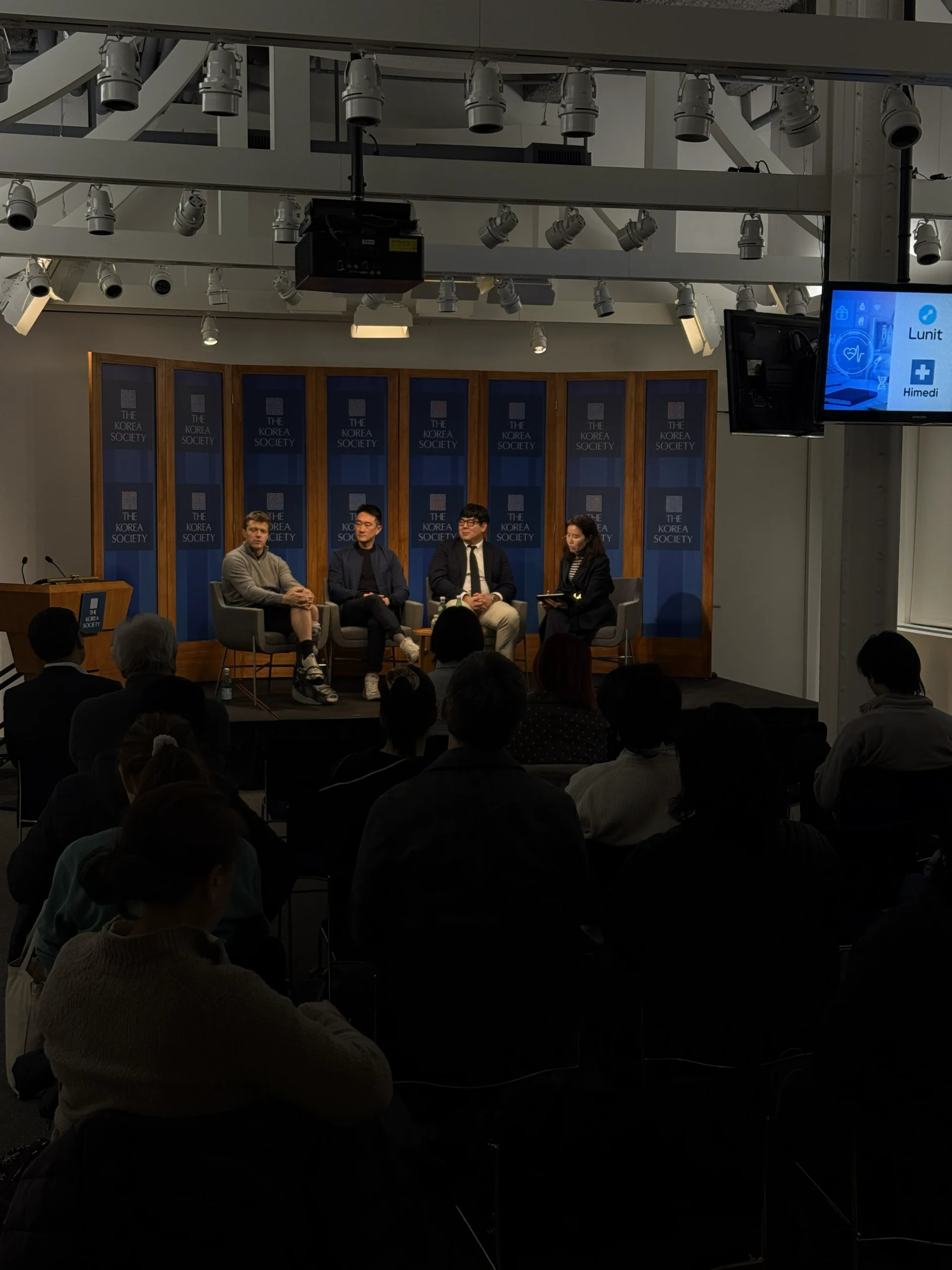


The healthcare industry is emerging as a promising frontier for the U.S.–Korea startup collaboration, driven by rising healthcare costs, aging populations, workforce shortages, and advances in artificial intelligence (AI). On January 22, 2026, The Korea Society convened industry leaders for “New Year, New You! — Powered by K-Health,” part of its Startup Scene: Entrepreneurs of Tomorrow series, exclusively sponsored by Hanwha Life. The discussion featured William Ban of Himedi, Ken Nesmith of Lunit, and Sean Kim of Ice Miller, who explored how the two countries’ complementary strengths can create new opportunities for healthcare innovation. While the United States offers deep capital markets, world-class research capabilities, and a strong pharmaceutical industry, South Korea brings operational efficiency, accessible preventive care, integrated medical infrastructure, and a competitive clinical trial ecosystem.
AI-powered diagnostics, precision medicine, and digital health services are creating new opportunities for startups to bridge these markets. Lunit is applying AI to radiology and pathology to improve early cancer detection and enable more personalized treatment. Himedi, meanwhile, connects international patients with South Korea’s advanced healthcare infrastructure, highlighting the potential of medical tourism and cross-border access to affordable, high-quality preventive screenings and specialized care. The discussion also explored emerging innovations in non-invasive diagnostics, AI-driven drug discovery, and digital therapeutics, as well as opportunities for Korean healthcare companies to collaborate with U.S. pharmaceutical companies and investors.
Speakers emphasized that successful expansion requires more than technological innovation: startups must build credible clinical data, establish strong local leadership, and cultivate sustained relationships with U.S. industry partners and investors. The discussion underscored the potential to develop a more connected U.S.–Korea healthcare innovation ecosystem linking entrepreneurs, investors, healthcare providers, and patients. The program concluded with an engaging Q&A session, drawing active participation from attendees working in the healthcare industry as well as professionals and others interested in the sector.
This program is supported by Hanwha Life
About the speakers
SPEAKER
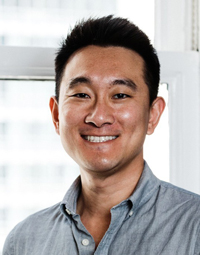
William Ban, COO, Himedi
William Ban is Co-Founder & COO of Himedi, a healthcare platform bridging global patients with Korea’s advanced medical and wellness ecosystem. With a focus on patient experience innovation, William works at the intersection of healthcare, technology, and global mobility - helping modernize how people access diagnostics, preventive care, and specialized treatments across borders. Through Himedi, he collaborates with leading Korean hospitals and clinics to translate Korea’s rapid advances in medical technology, bio-innovation, and wellness into seamless, trusted experiences for U.S. and international patients.

SPEAKER
Taesoo Sean Kim, Partner, IceMiller
Taesoo Sean Kim is a partner in Ice Miller’s Business Group and co-chair of the firm’s Asia-Pacific Practice Group. Sean represents biotechnology, pharmaceutical, and technology companies in commercial transactions, licensing, mergers and acquisitions, and other strategic business matters.
With a focus in emerging technologies, Sean negotiates complex technology licenses, collaboration agreements, and commercial contracts across fields such as drug discovery, small molecules, cell and gene therapies, artificial intelligence (AI), cryptography, lithium batteries, and other innovative technologies. As a registered patent attorney with a focus on business transactions, he provides strategic guidance on intellectual property (IP) development, IP portfolio management, and IP commercialization to both startups and established companies.
In his role as co-chair of the Asia-Pacific Practice Group, Sean serves as a relationship partner to Asia-based clients in cross-border transactions and disputes, including M&A, joint ventures, commercial agreements, and IP matters. He also leads efforts on large-scale economic development projects, such as lithium battery manufacturing and recycling plants, overseeing site selection, incentives, real estate, and regulatory compliance.
Sean is deeply involved in the startup community, having served on the Board of Korean Startups and Entrepreneurs. He currently serves as outside general counsel to startups, guiding them from pre-funding to multiple rounds of venture financing and exit.
SPEAKER
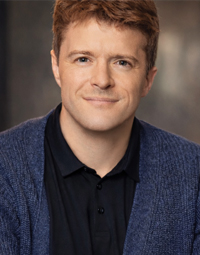
Ken Nesmith, Group Head - Oncology, Lunit
Ken Nesmith brings over 15 years of experience in healthcare and life sciences. He cofounded Lexent Bio, serving as CEO until its acquisition by Foundation Medicine, and previously led product strategy at Counsyl. His career also includes roles at Noom, BCG, and Codon Devices. Ken holds a BS from MIT and an MBA from Wharton, and today leads the Lunit Oncology Group.