

Policy Director Jonathan Corrado co-authors report on limited nuclear attacks in East Asia

Korea Society policy director Jonathan Corrado coauthors report on limited nuclear attack in East Asia

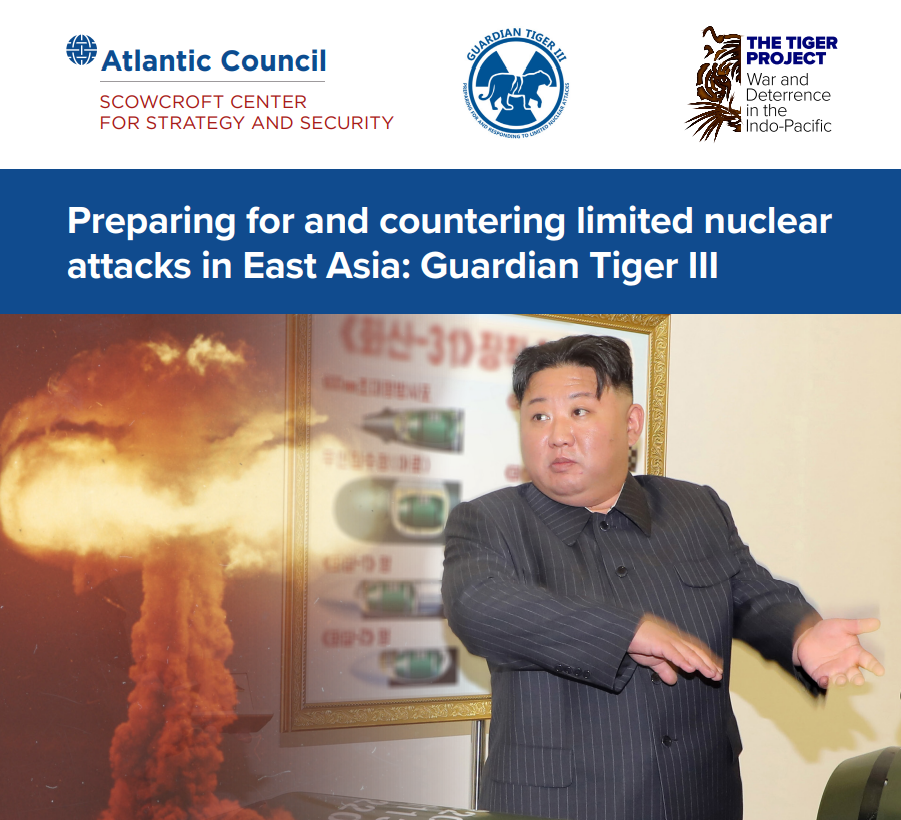
Korea Societry Policy Director Jonathan Corrado co-authored a report on limited nuclear attacks in East Asia. The report was spearheaded by The Indo-Pacific Security Initiative at The Atlantic Council’s Scowcroft Center for Strategy and Security as part of The Tiger Project, an Atlantic Council effort to develop new insights and actionable recommendations for the United States, as well as its allies and partners, to deter and counter aggression in the Indo-Pacific.

The main authors were Markus Garlauskas with John Park and Kyoko Imai, and contributor authors were Andrew Brown and Jonathan Corrado. The report concluded that: “The risk of nuclear attacks being launched in East Asia by adversaries of the United States is likely to increase over the coming decade, yet the United States and its allies have not yet prepared sufficiently to deter and prevail in the face of such nuclear strikes.”

Corrado’s section focuses on the effects of bias on preparing and preventing limited nuclear attack. Corrado wrote: “Limited nuclear attack (LNA) is a topic uniquely vulnerable to bias. Project research trips and the tabletop exercise both revealed deep-seated organizational and cognitive biases that obstruct or distort preparation for an LNA, particularly in the North Korea case. There isn’t even an agreed-upon definition of an LNA, and there is a lack of consensus on the appropriate response to one. Biases thrive in this type of probabilistic, low-information environment where it is necessary to rely on inference and heuristics to make time-sensitive judgments under pressure. The resulting biases lead to preparations, policies, and postures that might be reassuring to the United States and its allies but are suboptimal operationally, generate risk, and could constrain options. Bias might therefore be the biggest obstacle to preparing for and responding to an LNA effectively. The following are three key effects.”
The report is available here.

CCLI in Atlanta:

Event Recap

The Korea Society in Georgia: Cross-Cultural Leadership Initiative Comes to Atlanta

The Korea Society recently brought its Cross-Cultural Leadership Initiative (CCLI) to Atlanta through two complementary programs focused on one increasingly important question: 

“What does it take to turn Korean investment in America into successful, well-integrated organizations and communities?”

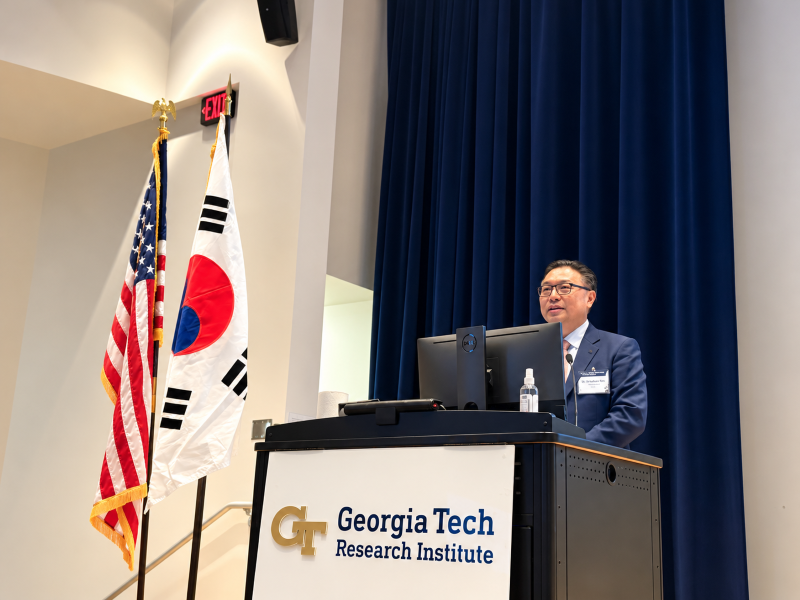
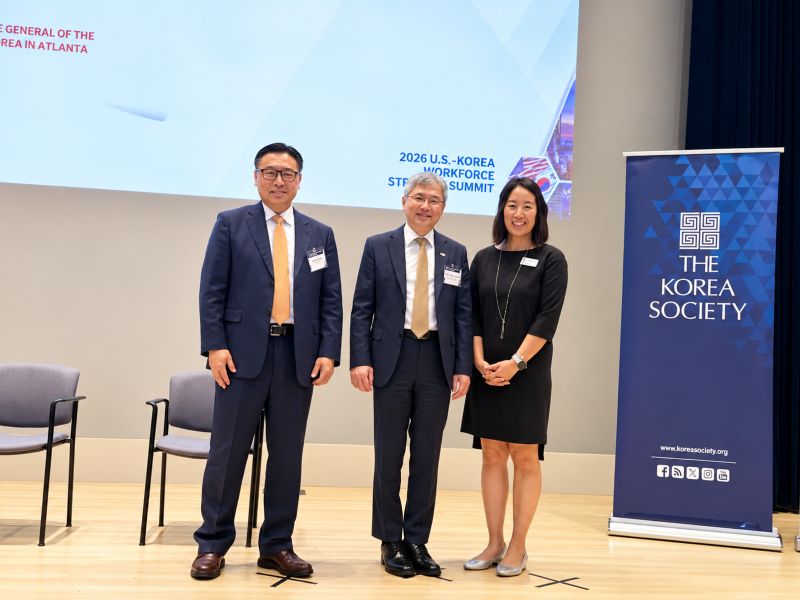
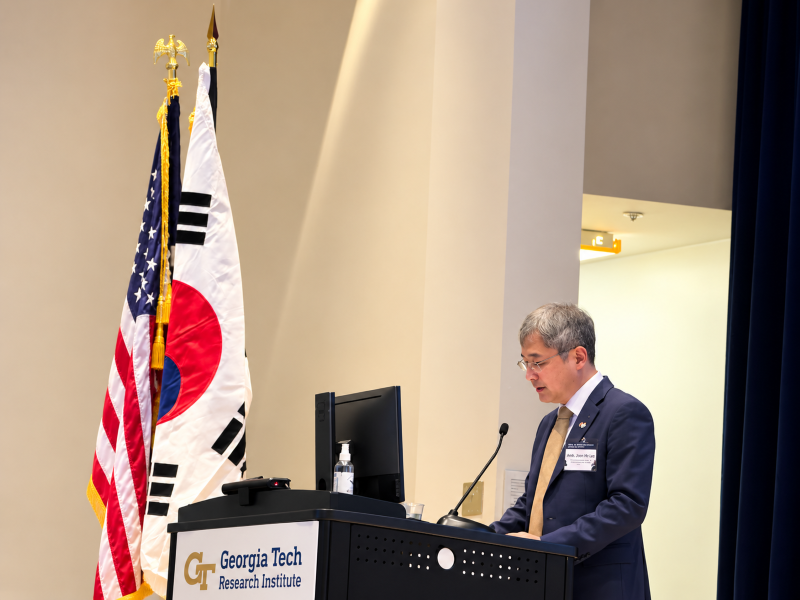
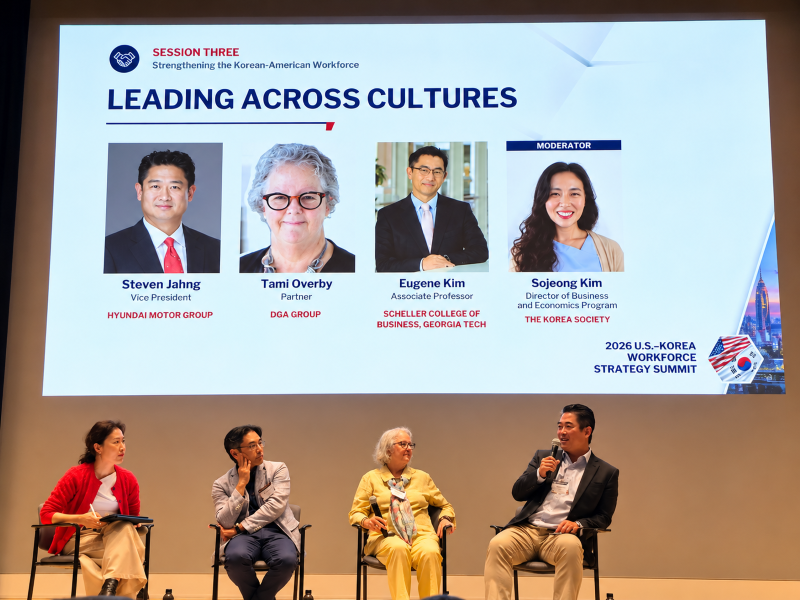
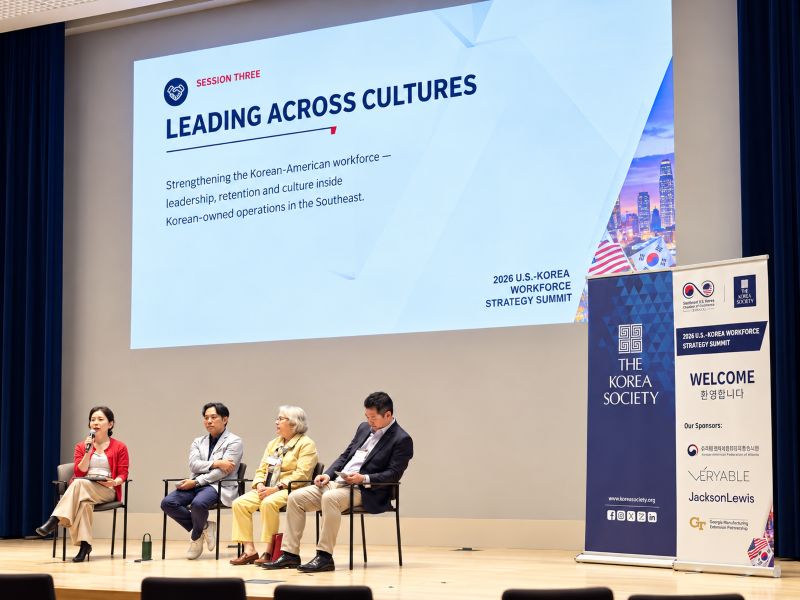
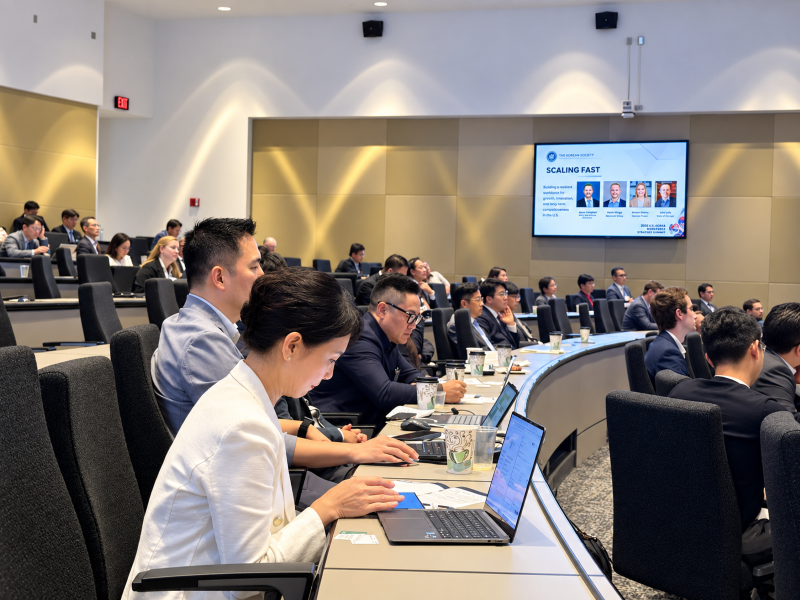
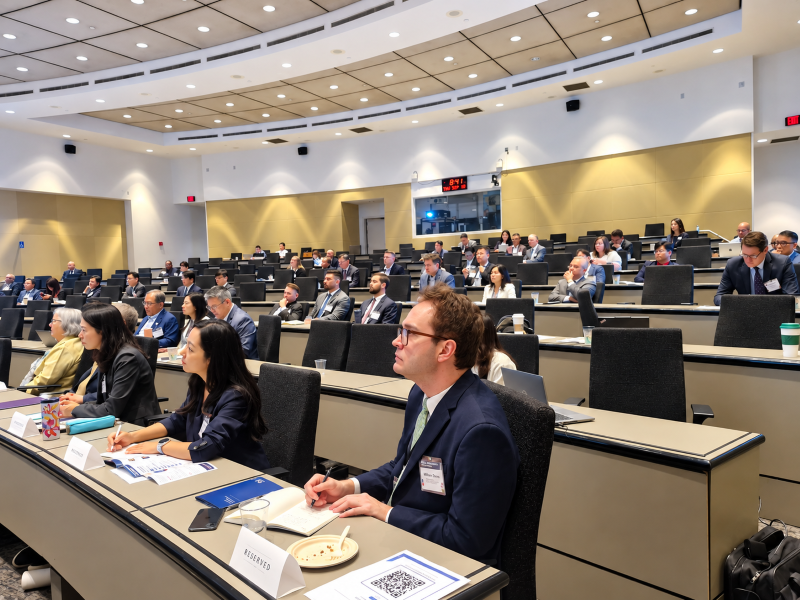
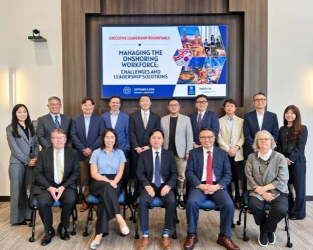
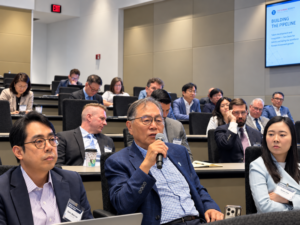
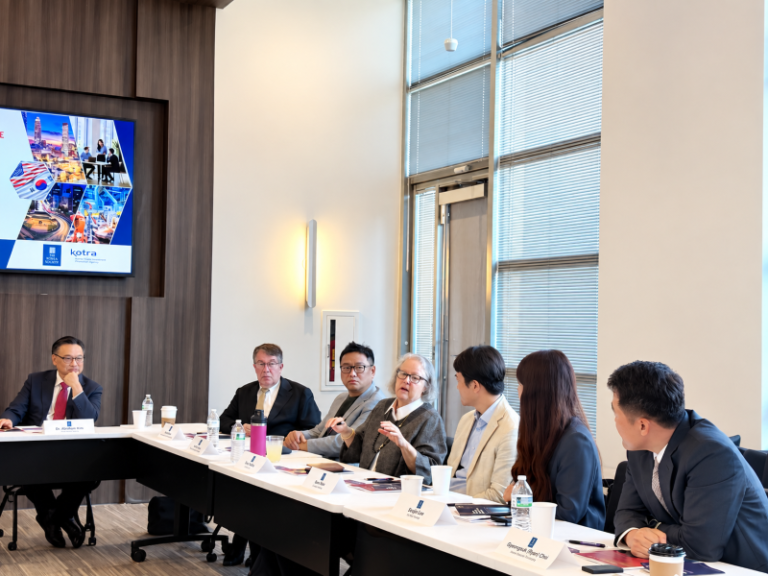
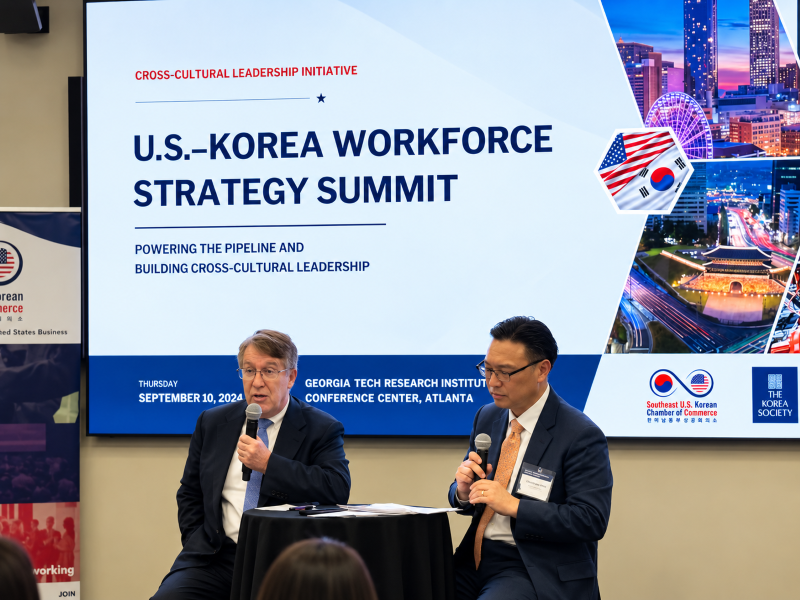
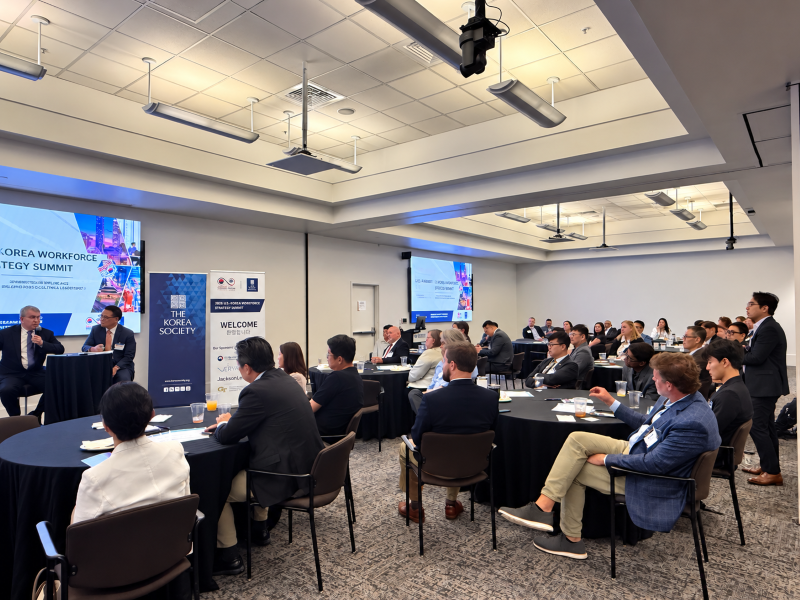
The U.S.–Korea Workforce Strategy Summit, co-hosted with the Southeast U.S. Korean Chamber of Commerce (SEUSKCC), with support of the Consulate General of the Republic of Korea in Atlanta, brought together approximately 100 business, government, workforce, academic, and community leaders. The following day, The Korea Society and KOTRA Atlanta convened a smaller, invitation-only Executive Leadership Roundtable for senior representatives of Korean companies and key community and business leaders.

Across both conversations, one message stood out: 

“The next phase of Korean investment will depend not only on capital and facilities, but on people, leadership, local relationships, and institutional trust.”
What We Heard in Atlanta

Build a “Third Culture”
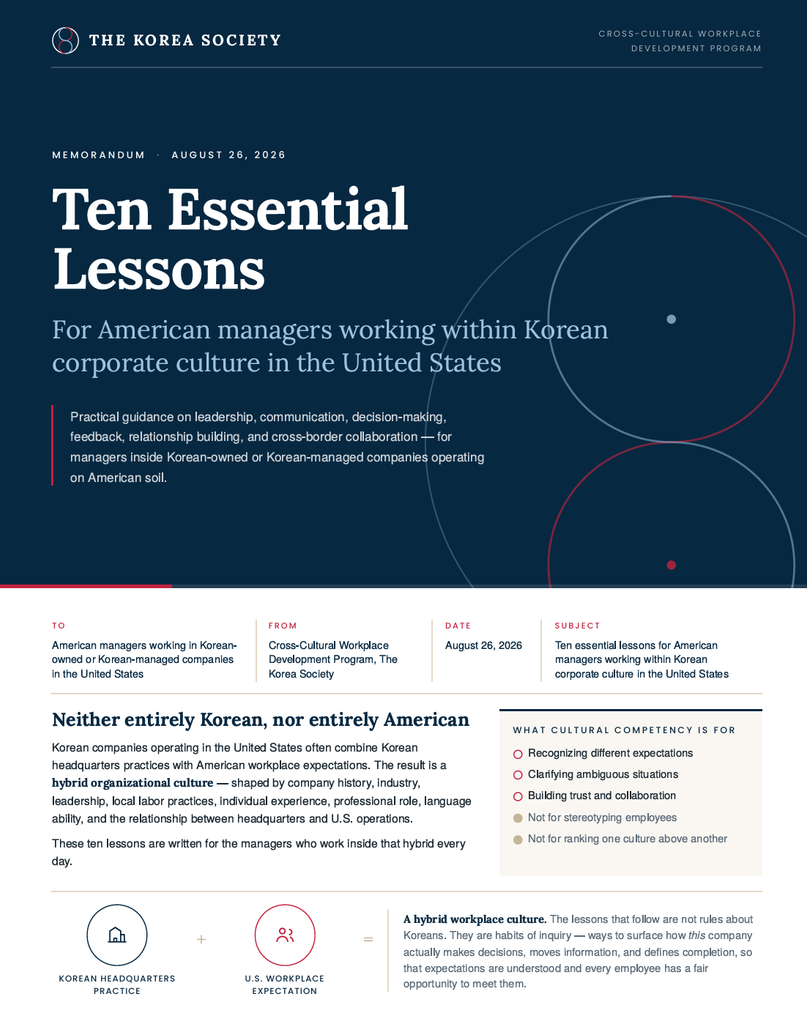
Korean companies operating in the United States cannot simply transfer headquarters practices to American workplaces—or expect an American model to emerge on its own. Participants emphasized the importance of intentionally developing a shared “third culture” through leadership, communication, training, and adaptation to local conditions.

Prepare People, Not Just Positions

Workforce integration begins before recruitment ends. Participants highlighted the importance of preparing both expatriate managers and local employees to work effectively across cultures, clarifying expectations around authority, feedback, decision-making, and autonomy, and strengthening communication between Korean headquarters and U.S. operations.

Trust and Autonomy Matter

The discussion highlighted how differences in management style can affect engagement, collaboration, and retention. Participants shared examples suggesting that trust, empowerment, and two-way communication can be critical to building effective Korean-American teams.

Community Integration Is a Business Strategy

The conversation extended beyond the workplace. Participants emphasized that Korean companies need to become visible, active members of the communities where they operate—not simply investors creating jobs. Sustained relationships with civic organizations, schools, chambers, and local institutions can strengthen trust and contribute to workforce recruitment, retention, and organizational reputation.

The Conversation Continues

The CCLI events in Atlanta pointed toward a clear next step: moving from informal adaptation and goodwill to a more deliberate approach to cross-cultural leadership, workforce integration, local leadership, and community engagement. Participants emphasized the need for measurable training and retention efforts, empowered local leaders, and sustained community engagement tied to business priorities.

These insights will help inform the continued development of The Korea Society’s Cross-Cultural Leadership Initiative (CCLI)—a national initiative designed to strengthen the leadership capabilities, workforce integration, cultural competence, and community relationships that support Korean companies operating in the United States.

“Investment builds the foundation.
People and relationships make it work.”

The Korea Society thanks our partners, speakers, participants, and community leaders who joined us in Atlanta and contributed to this important conversation.

 Our special thanks to:

  • Ambassador Joon Ho Lee, Consul-General of the Republic of Korea in Atlanta
  • Scott Snyder, President & CEO, Korea Economic Institute of America
  • Tami Overby, Partner, Dentons Global Advisors
  • Eugene Kim, Professor, Scheller College of Business, Georgia Tech
  • Steven Jahng, Vice President, Hyundai Motor Group
  • SungJoon Ahn, General Director, KOTRA Atlanta
  • Jean Kim, President, SEUSKCC

President Abraham Kim Visits Montana to Strengthen Connections

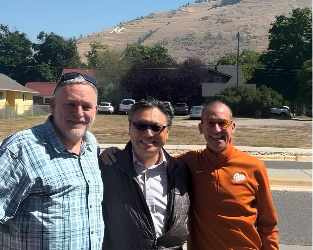
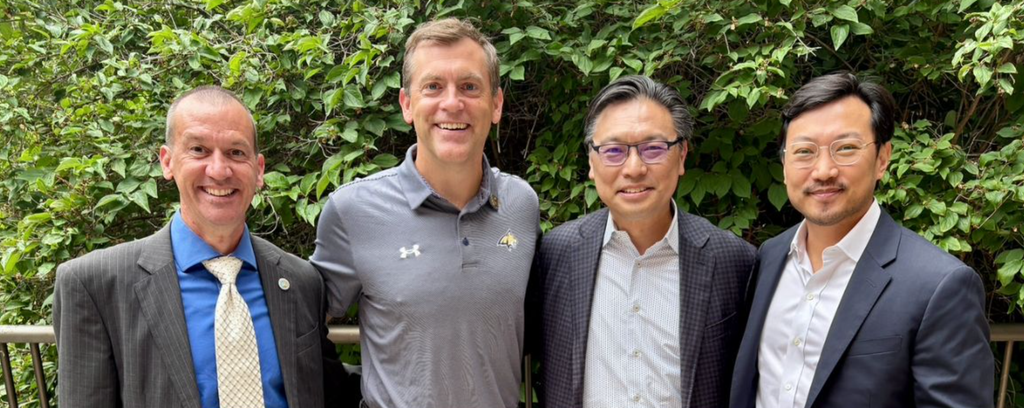
The Korea Society President & CEO Abraham Kim recently traveled across Montana, meeting with state officials, academic leaders, business executives, and civic leaders to explore opportunities to deepen connections between the state, Korea, and Asia at large.

During the visit, Dr. Kim visited Montana State University–Bozeman, where he met with the school’s President Brock Tessman and Mike Veselik, Assistant Vice President for Economic Development and Federal Relations.

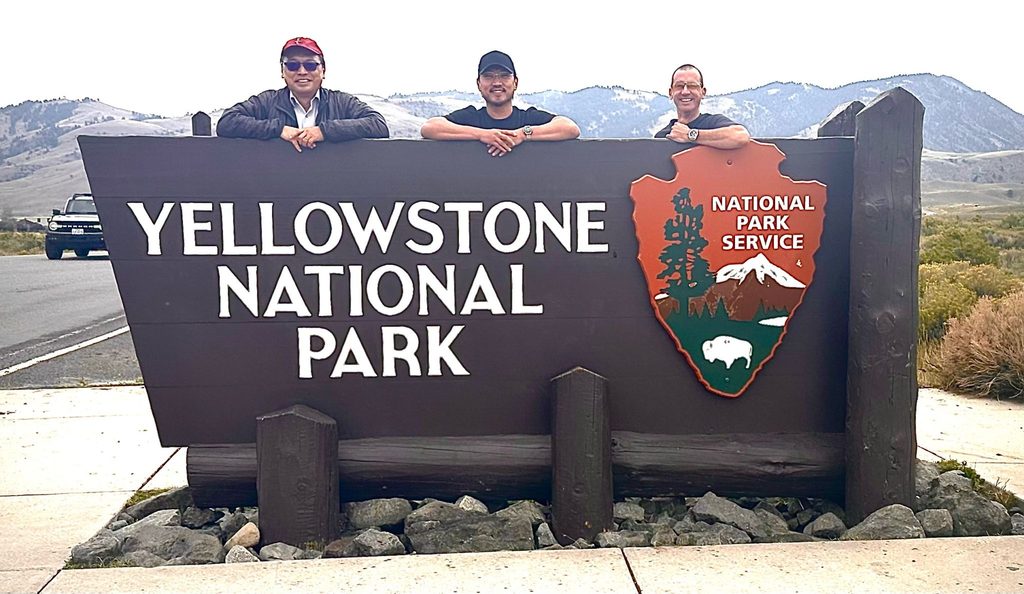
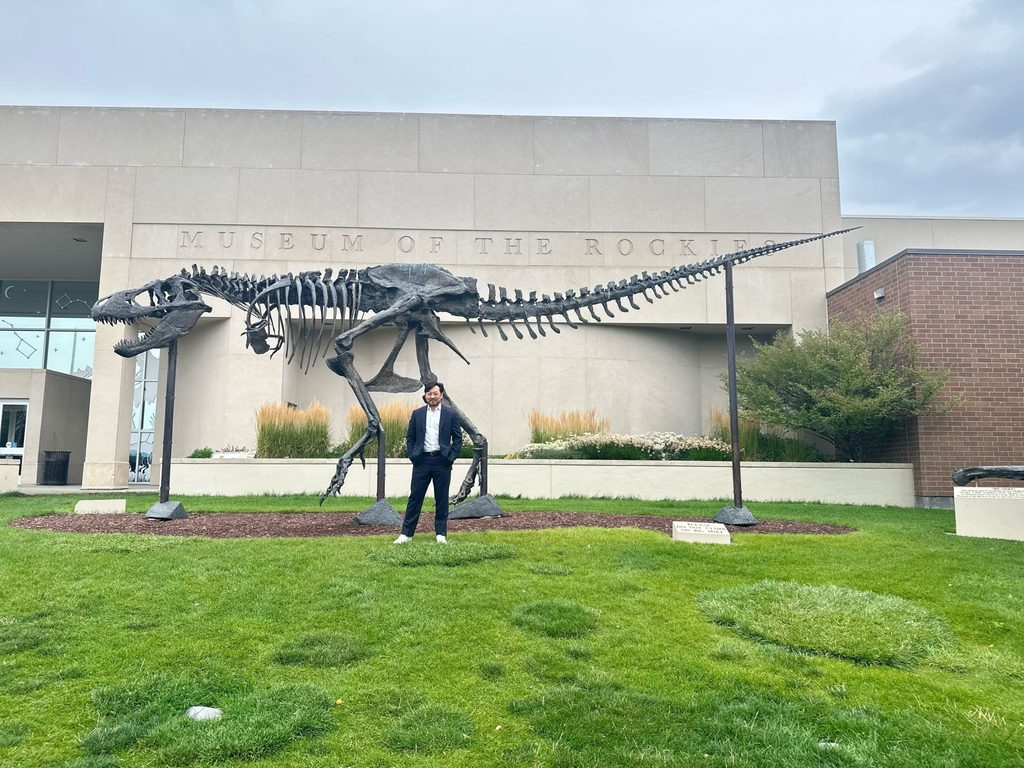
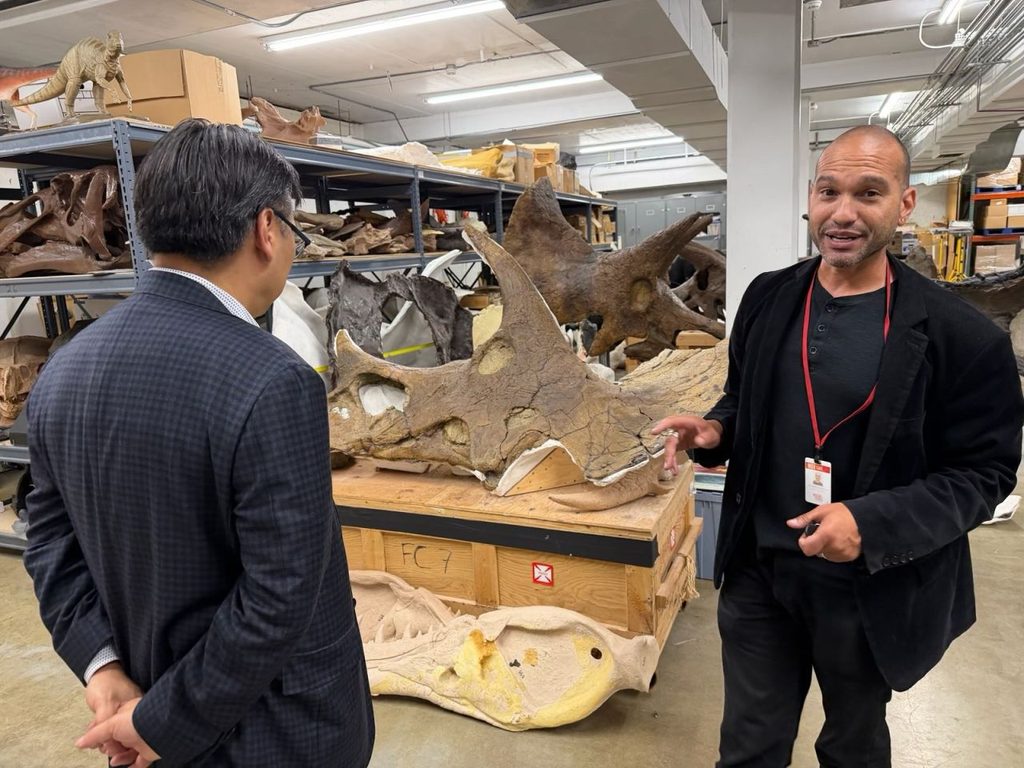
Dr. Kim also traveled to Missoula, Yellowstone National Park, the real-life location of “Dutton Ranch”, and other locations across the state. The trip held particular significance for Dr. Kim, who previously spent six years in Montana and has continued to return to the state annually since his departure.

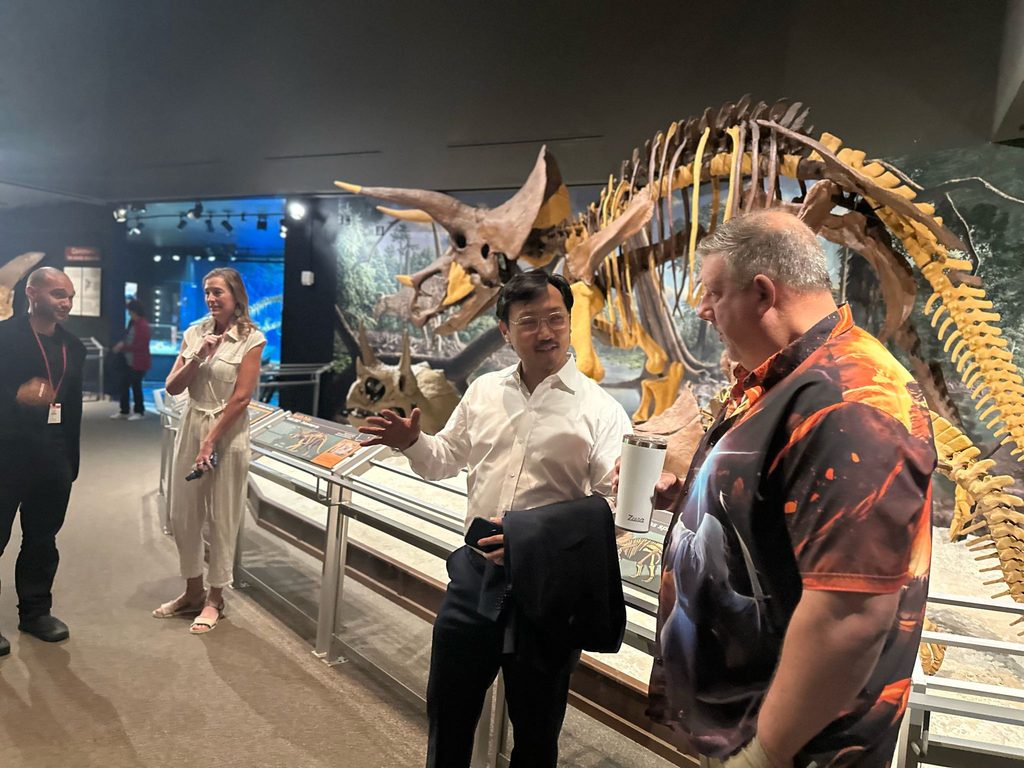
Alongside a series of meetings, the visit offered opportunities to experience Montana’s natural, cultural, and scientific attractions, including dinosaur fossils, caves, rivers, hot springs, and wilderness.

Special thanks to Matt Olson of the Montana Chamber of Commerce, a longtime friend of President Kim, for organizing productive meetings, and to Andrew Stroup for joining President Kim throughout the journey.

The innovative and inspiring natural landscape of Montana revealed tremendous potential to build new bridges, strengthen relationships, and expand collaboration with Korea and Asia.

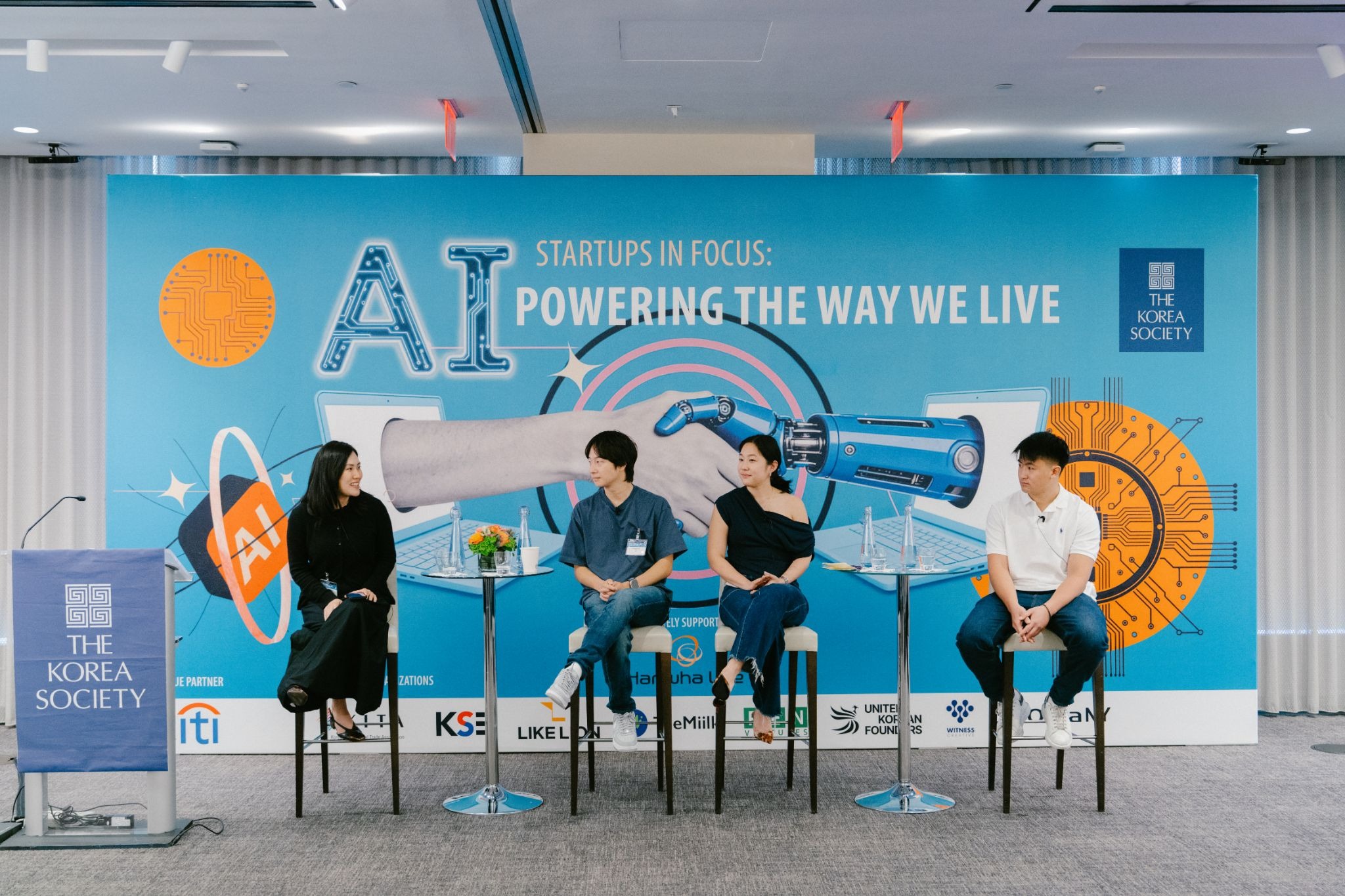
Highlights from Startups in Focus: AI Powering the Way We Live | 2026 Startup Scene Annual Forum

Event Recap 

Startups in Focus: AI Powering the Way We Live 

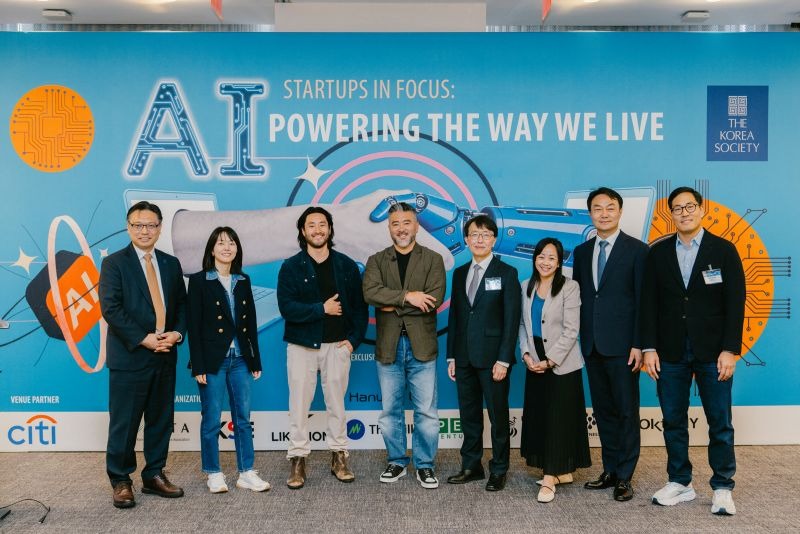
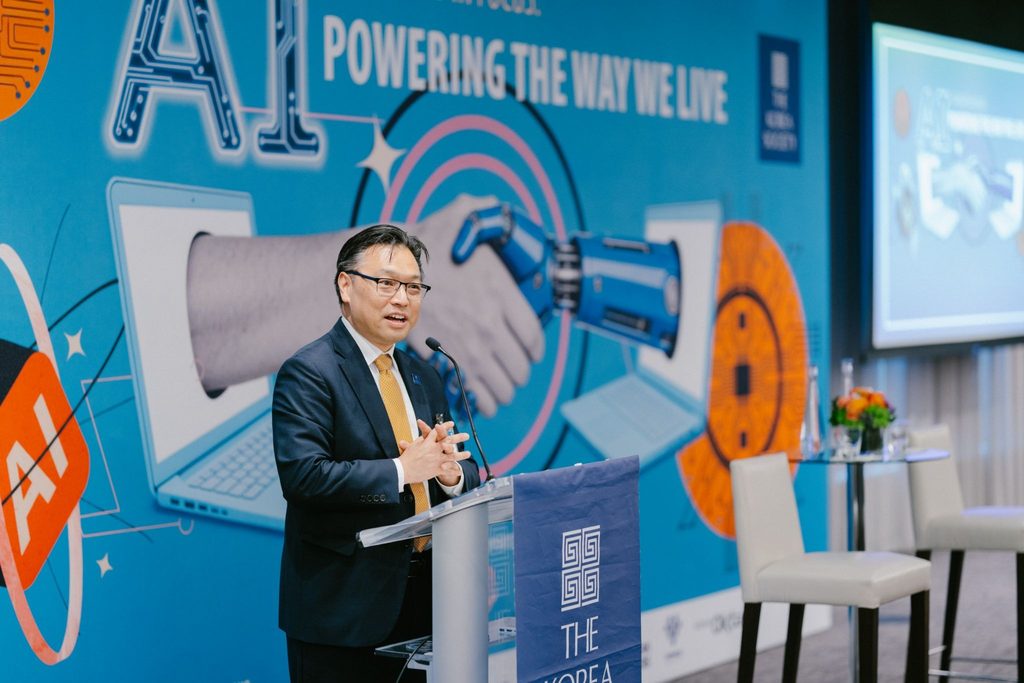
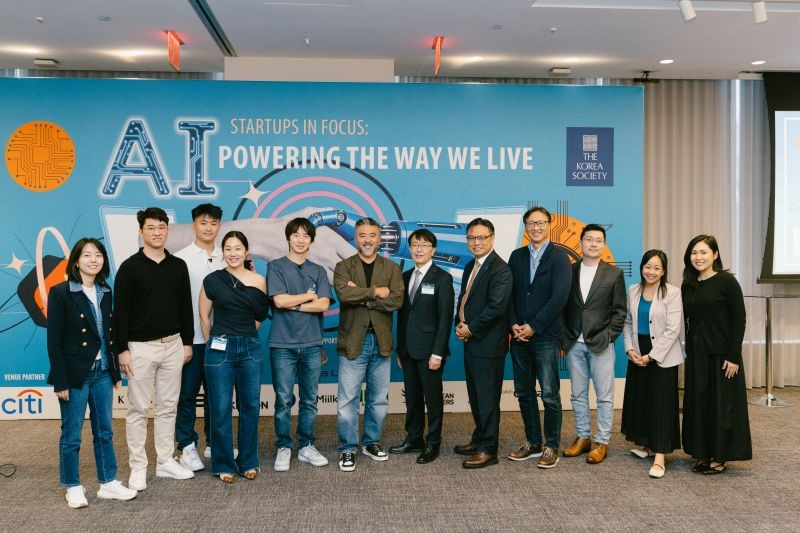
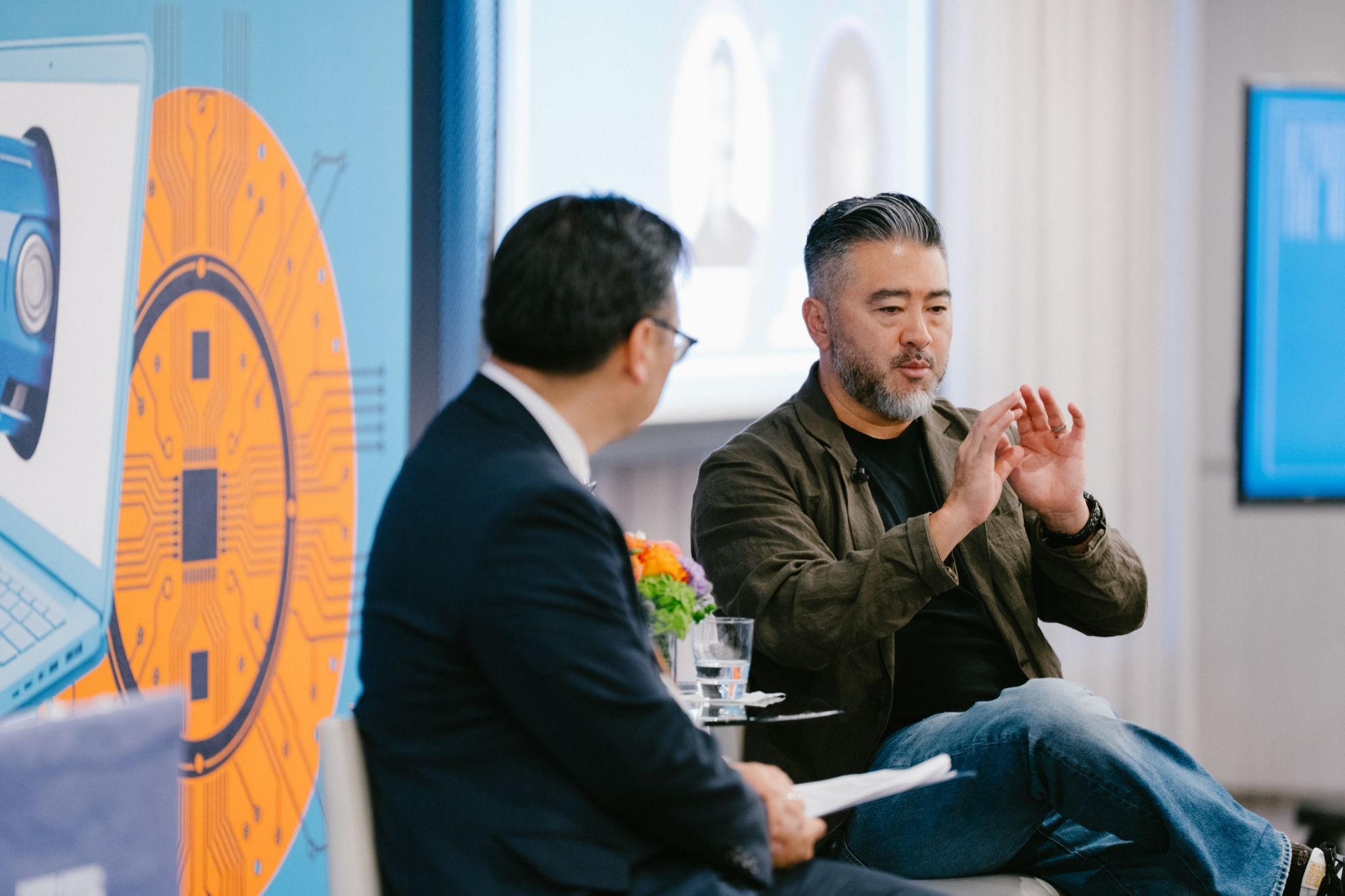
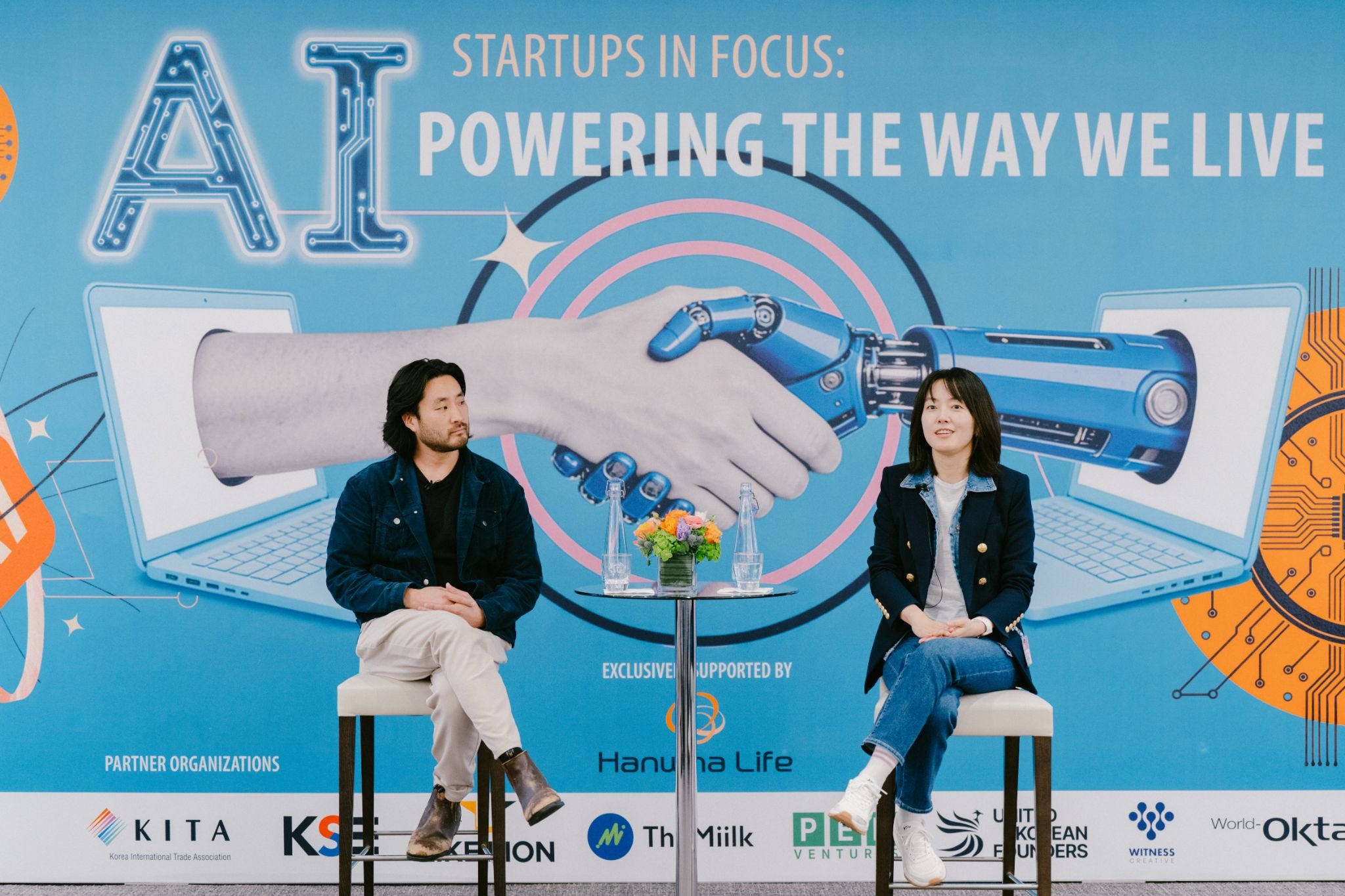
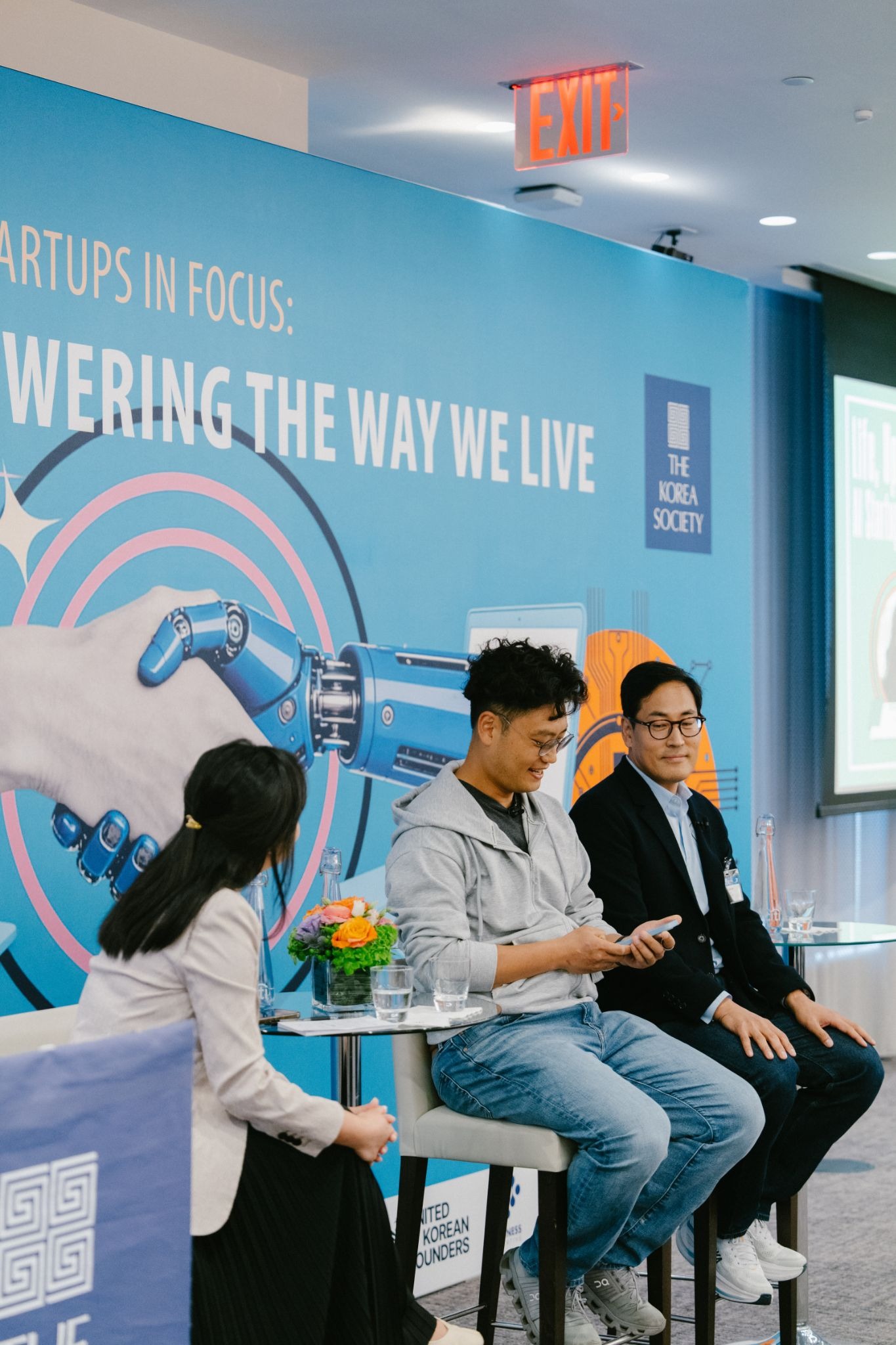
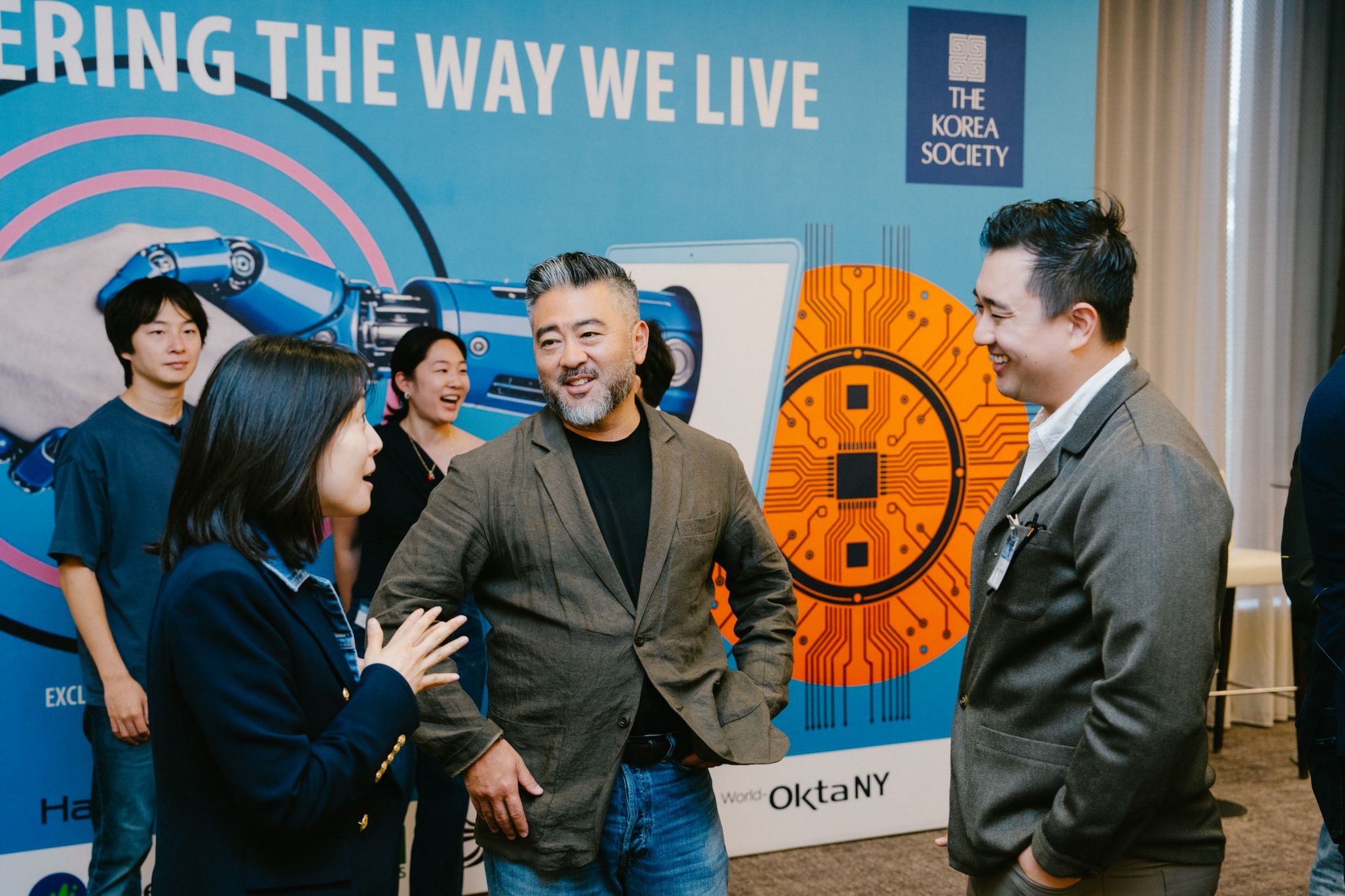
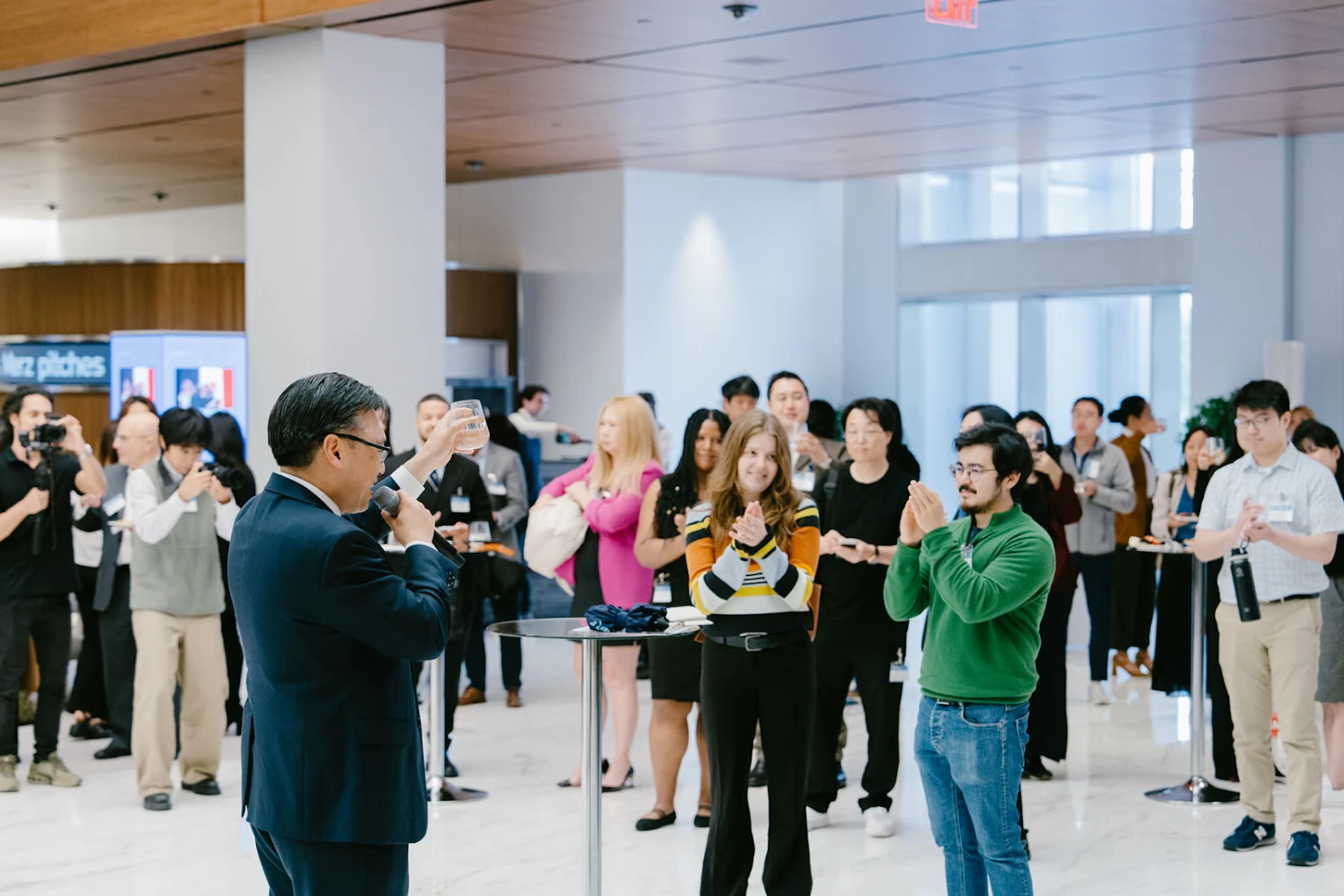
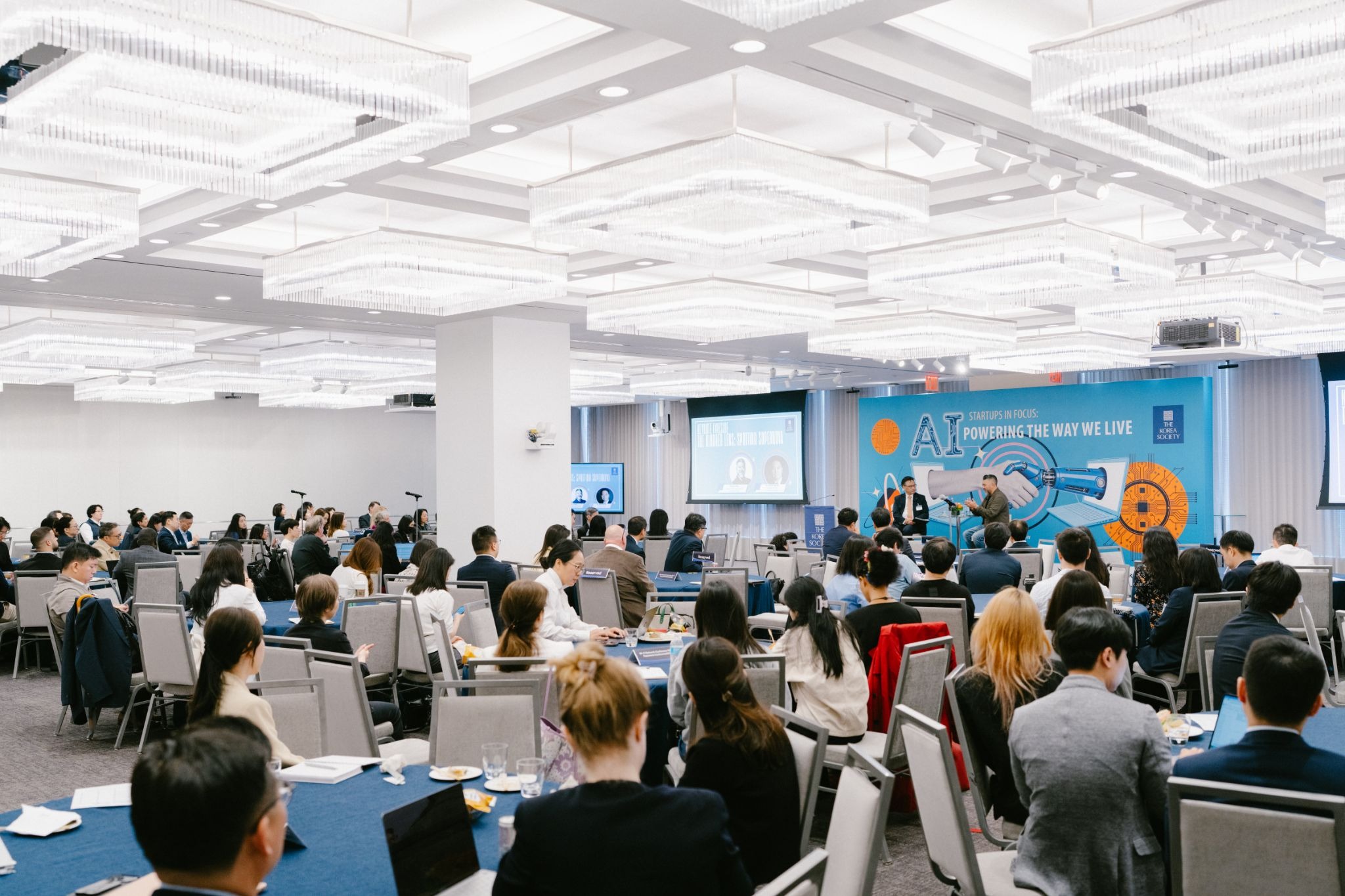
The Korea Society has successfully hosted the Startup Scene’s 2026 annual forum: “Startups in Focus: AI Powering the Way We Live,” supported exclusively by Hanwha Life, on Thursday, May 21, 2026. This year’s forum celebrated pioneering entrepreneurs who energize the business landscape with their innovative approaches, alongside accelerators and investors who empower their progress. The forum was opened with remarks by Michael Burke (Head of International Network Management, Citi’s Banking & International Organization), Dr. Abraham Kim (President and CEO, The Korea Society) and joined by Dr. Jinwoo Hwang (Senior Executive Vice President) of Hanwha Life and Sangho Kim (Consul General, Consulate General of the Republic of Korea in New York) with a special address.

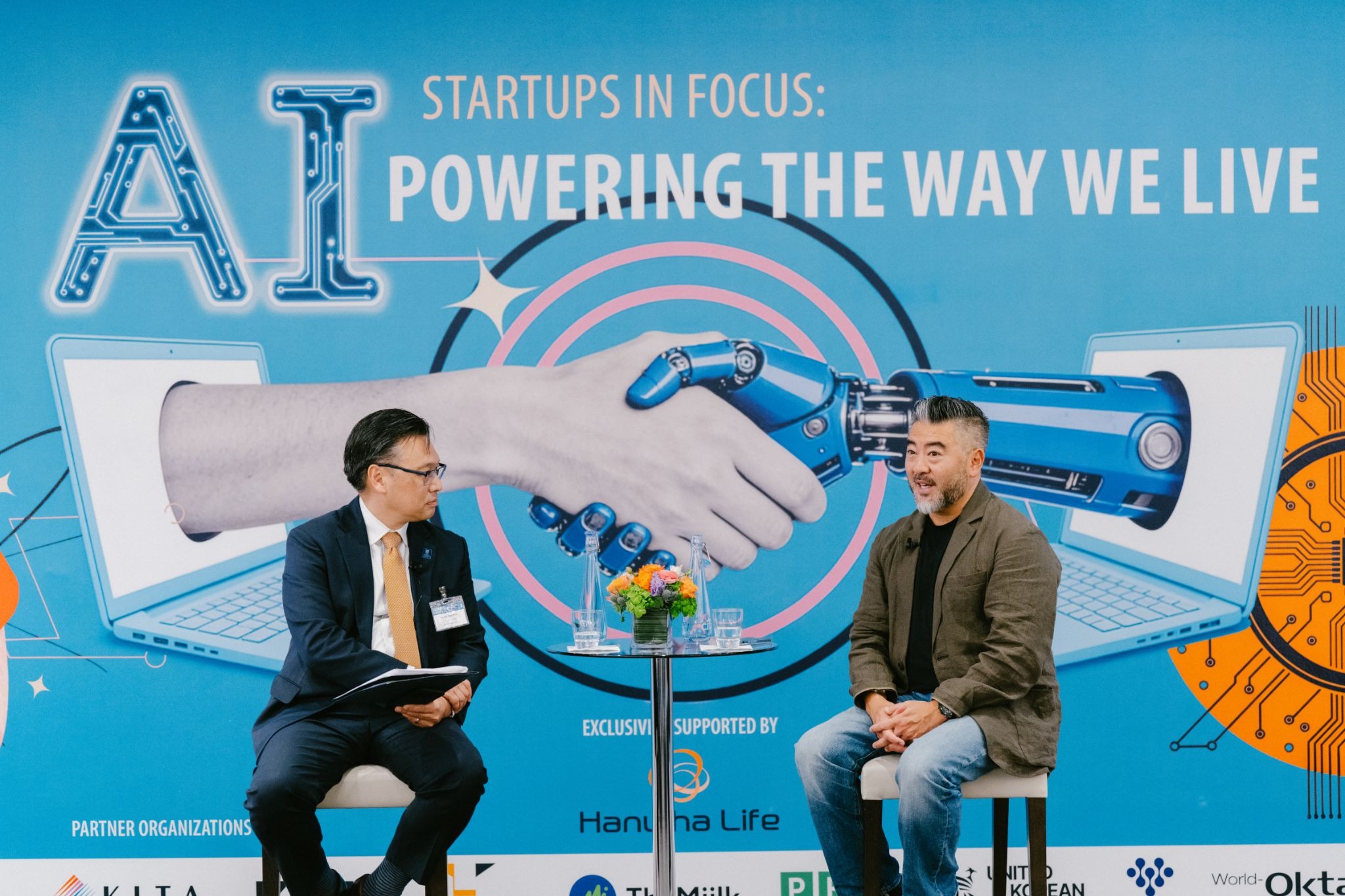
The forum officially kicked off with a fireside chat with keynote speaker, Steve Jang, Founder and Managing Partner of Kindred Ventures, an early-stage venture capital firm focused on software, Internet, and deep-technology investing. Joined by Dr. Abraham Kim (President & CEO, The Korea Society), Steve spoke on his investment philosophy and opportunities in the new wave of AI innovation.

With five panel sessions, the forum focused on topics surrounding innovation synergy, exploring how investment, corporations, and the greater startup community can come together to celebrate the successes of startups. Exclusive insights from BCI experts and innovators were demonstrated by Dr. Min Kyung Lee (Assistant Professor; UT Austin School of Information) and Peter Yoo (Senior Director, Neuroscience & Algorithms; Synchron).

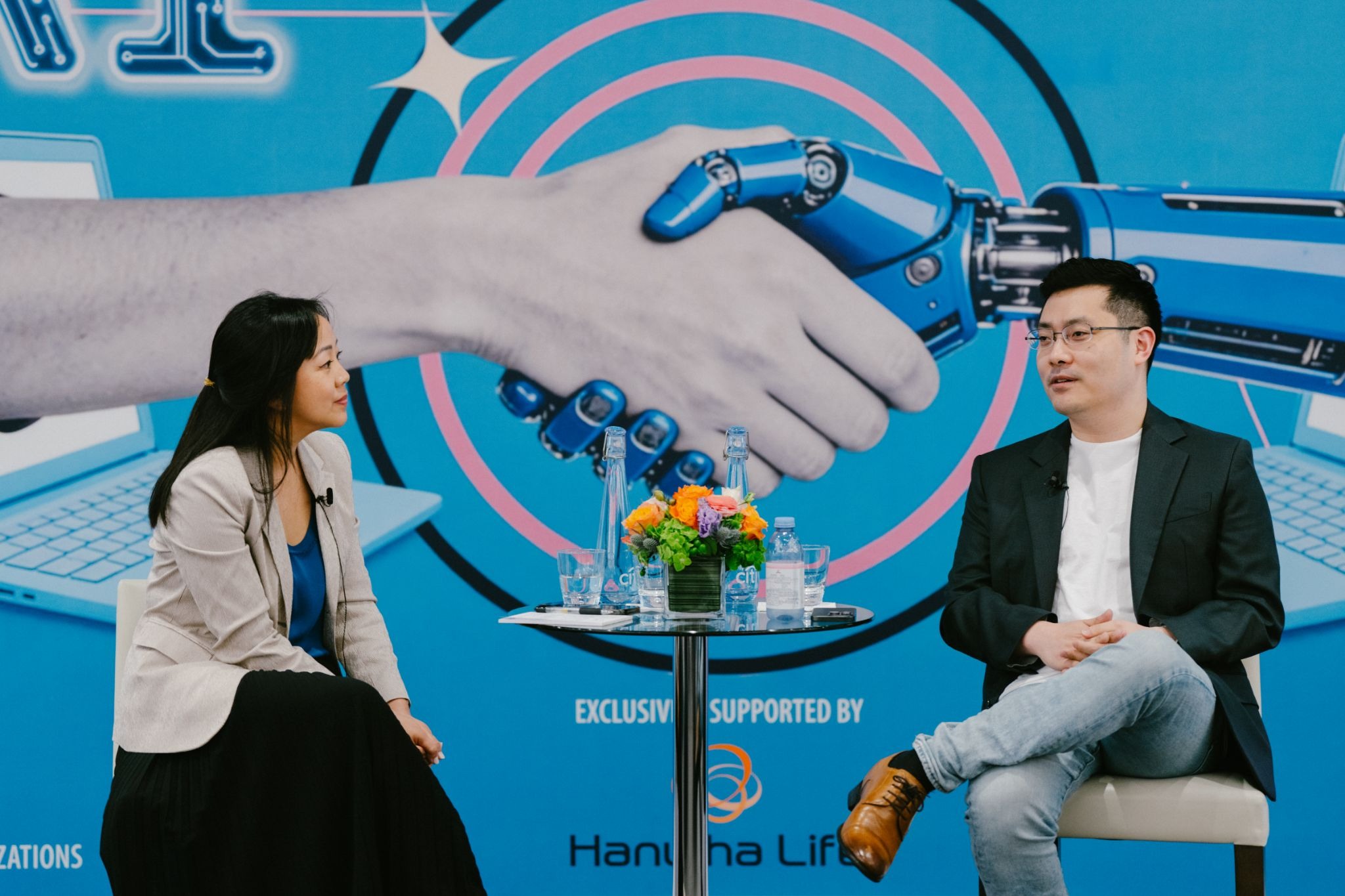
Tim Hwang (Co-Founder and CEO, Nitra) discussed the current fintech investment landscape and Nitra’s wedge-in strategy with Dorothy Chang (Venture Partner, Fybridge).

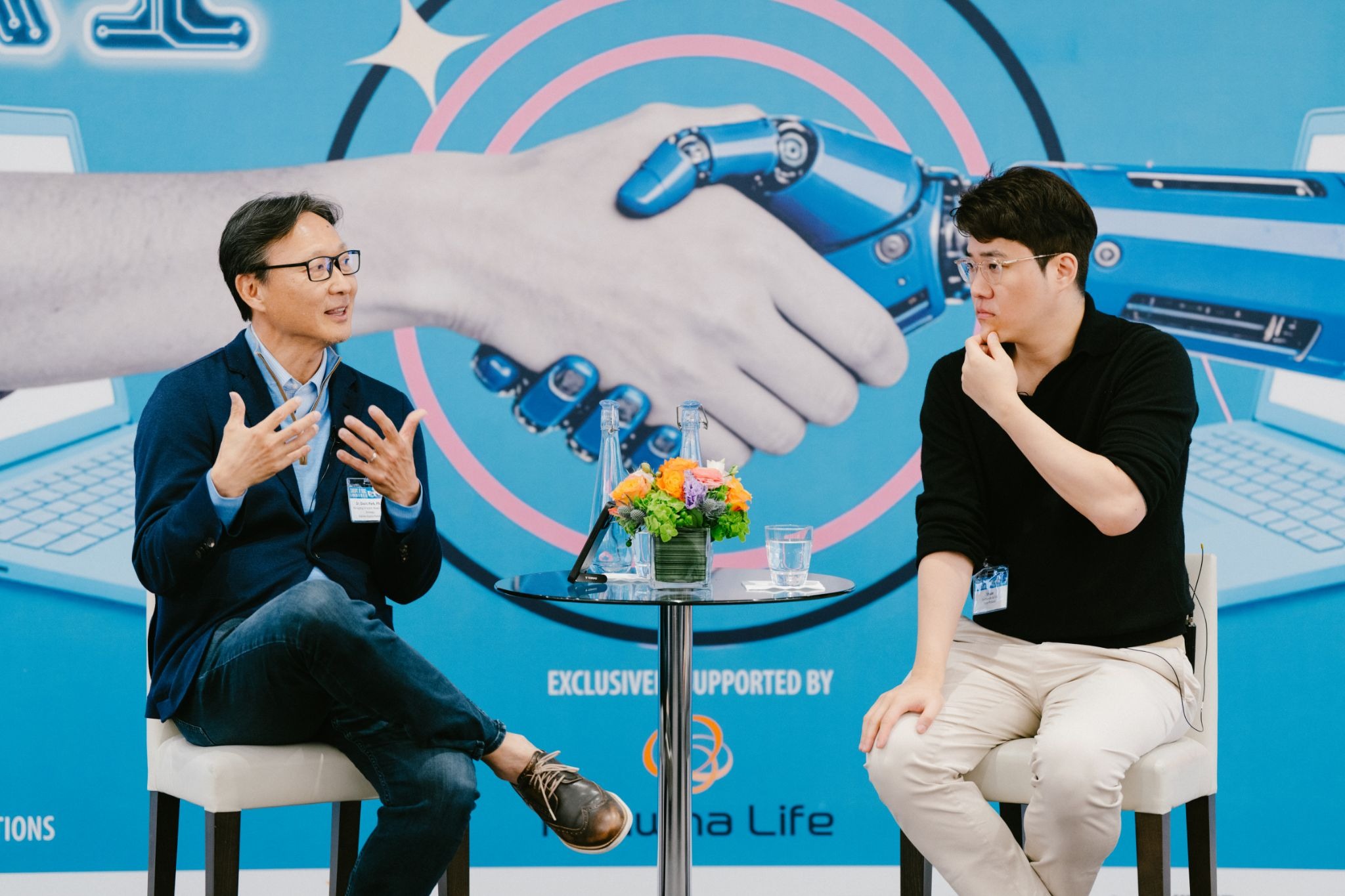
SY Lee (CEO and Co-Founder, Story Protocol) and David Park (Managing Partner, Warren Equity Partners, Founding Member, Digital Storytelling Lab of Columbia University) discussed how data ownership and rights are becoming a critical chokepoint in AI development.

Hyunsun Ahn (@Ahnstoppable_tech), Taeyong Kim (CEO, EO), Ryan Cheah (Founder, The 21st), and Sho Young Shin (Director of Platform, ERA) shared how the next generation of entrepreneurs can leverage AI to build distinctive brand identities and navigate an increasingly competitive and fast-moving market landscape.

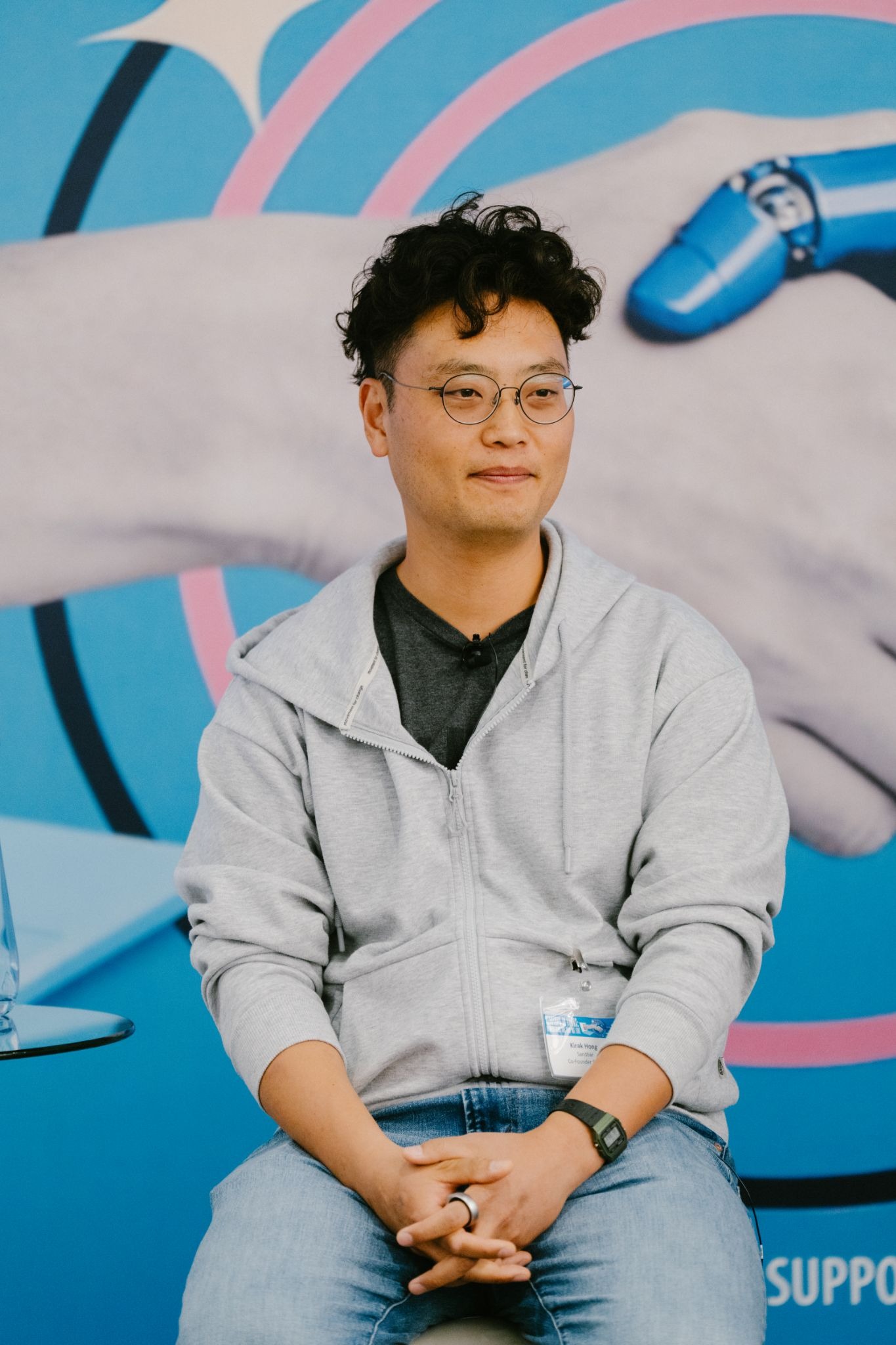
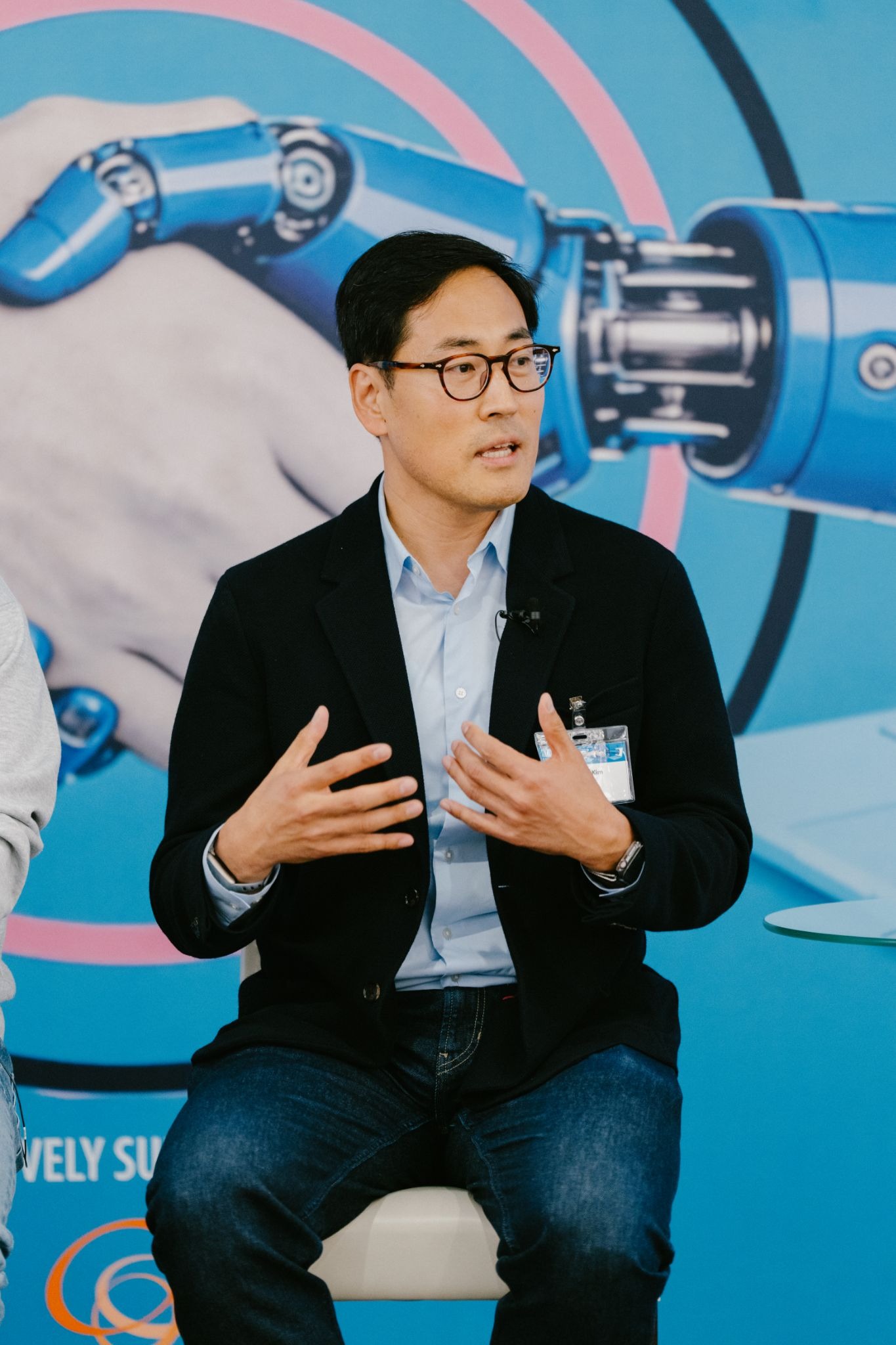
Chang (CK) Kim (Founder & CEO, Saywise), Kirak Hong (Co-founder and CTO, Sandbar), and Dorothy Chang (Venture Partner, Flybridge) took a look at how AI startups are transforming everyday experiences across productivity and commerce.

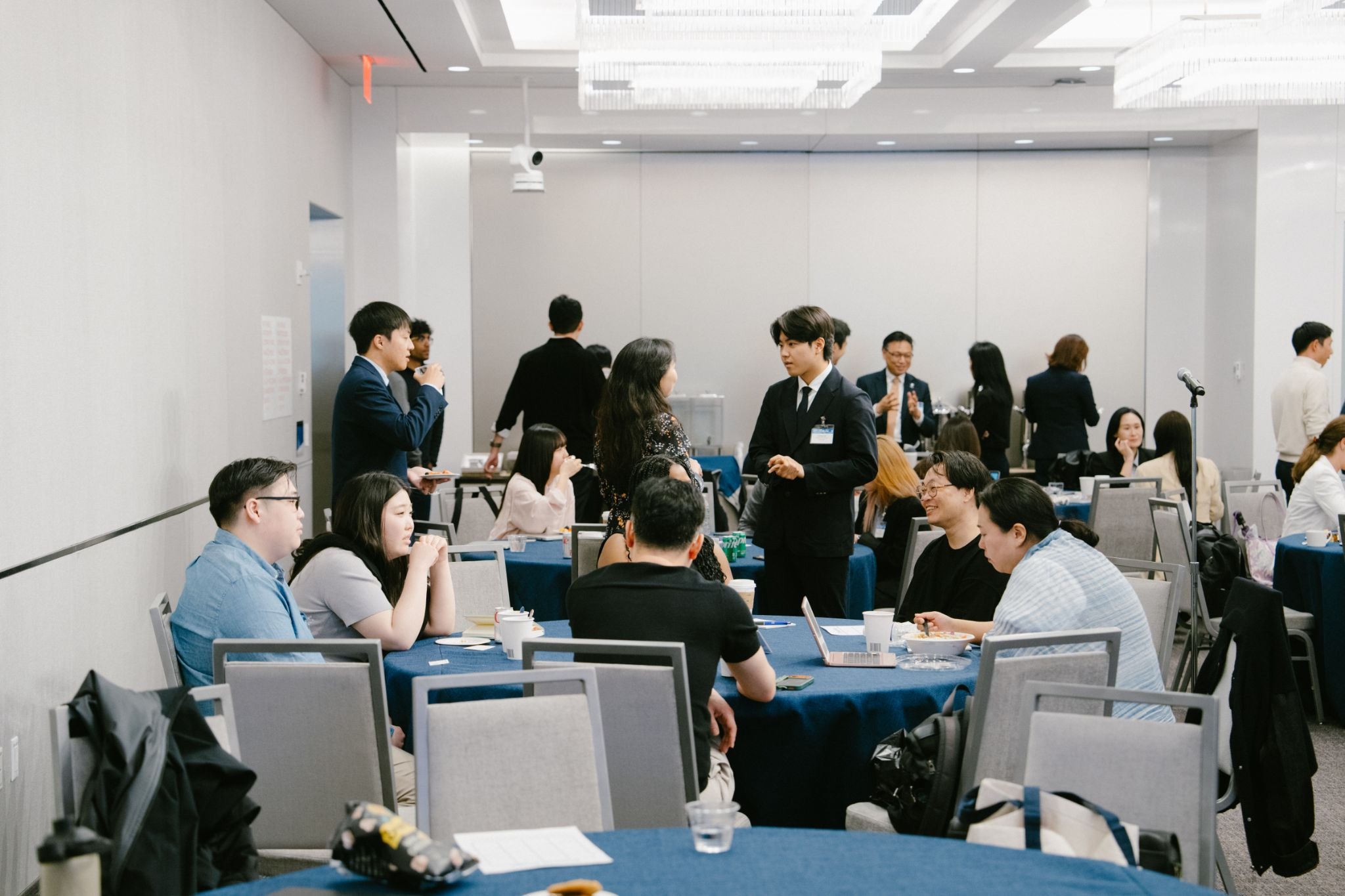
The forum concluded with closing remarks, followed by a networking reception with refreshments and hor d’oeuvres. Attendees were able to interact via networking opportunities throughout the forum and during the reception, elevating the forum as a platform for connectivity and inspiration.

Do the U.S. and China Still Share a North Korea Policy?

In a new video program produced by The National Committee on U.S.-China Relations, Korea Society policy director Jonathan Corrado spoke with Korea Society Board Director Dr. Victor Cha and NCAFP Director of the Forum on Asia-Pacific Security Susan Thornton about shifting U.S. and Chinese strategies toward the Korean Peninsula.

The discussion begins by examining how recent U.S. policy shifts—including modified joint military exercises and diplomatic outreach—impact the U.S.–ROK alliance. They also evaluate how North Korea’s military involvement with Russia alters Beijing’s leverage and regional security dynamics.

Next, the panel delves into regional perceptions of Kim Jong Un’s “two hostile states” policy and the abandonment of unification, exploring its implications for South Korean domestic politics and alliance stability.

The discussion also assesses the diminishing U.S.–PRC consensus on denuclearization alongside South Korea’s foreign policy approach under the Lee administration, which favors pragmatic, principled engagement across the region.

Finally, the experts analyze potential crisis escalation scenarios on the peninsula, emphasizing the need for effective U.S.–China crisis communication and contingency planning to prevent conflict.

The Korea Society Professor


Your virtual professor for teaching, learning, and exploring Korea

Explore What Professor TKS Can Do

Ready to chat with TKS professor?

Tell The Korea Society Professor what you’d like to learn.


Whether you’re developing a syllabus or curriculum, researching a Korea-related topic, or looking for educational resources, Professor TKS provides personalized guidance based on your needs.

250th Anniversary of American Independence: The Korea Society in D.C.

Event Recap

The Korea Society in D.C.: 250th Anniversary of American Independence

Connecting Leaders,  Strengthening the U.S.-Korea Alliance

Celebrating America’s 250th Birthday

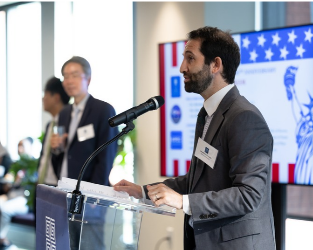
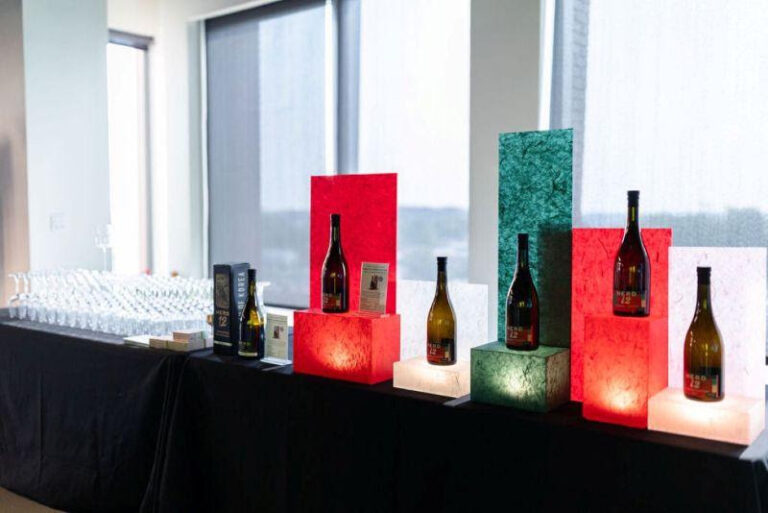
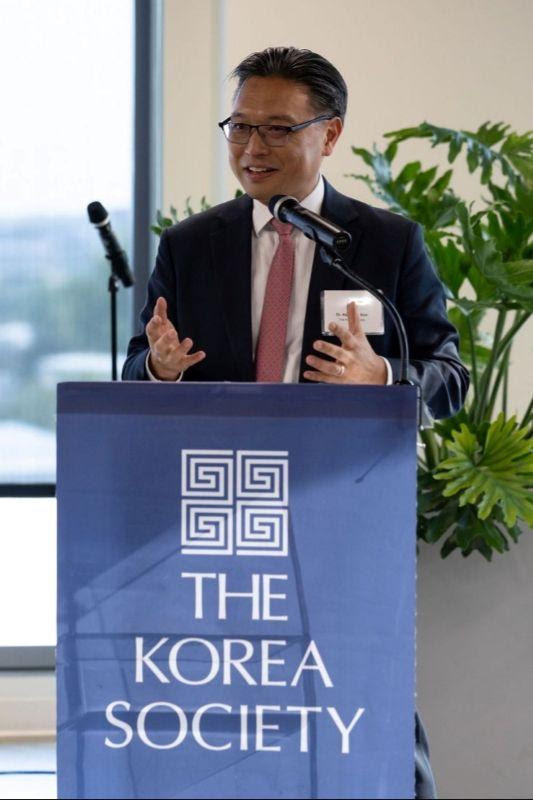
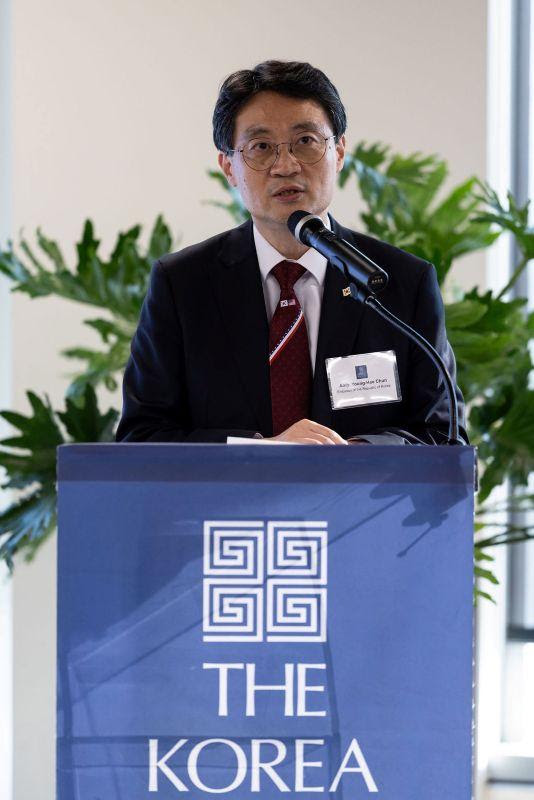
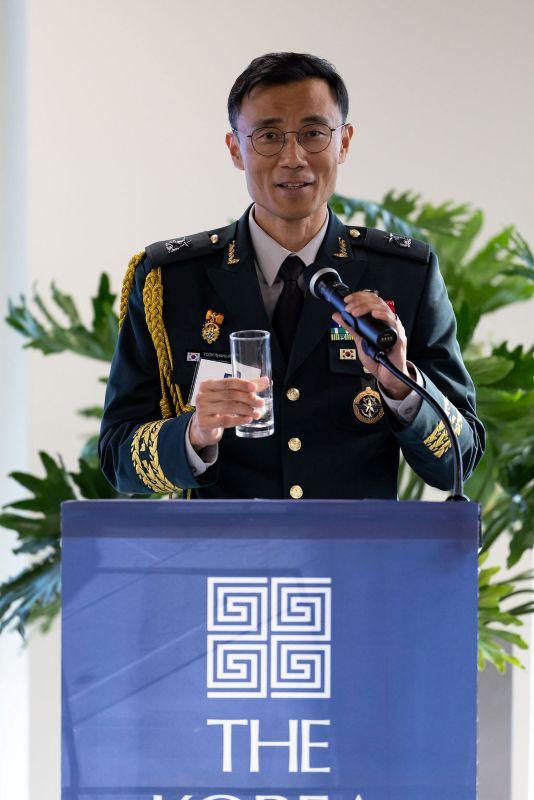
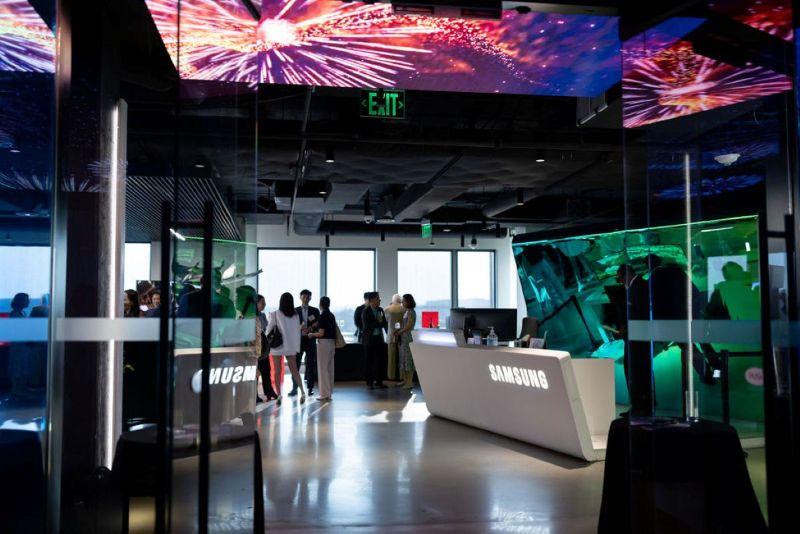
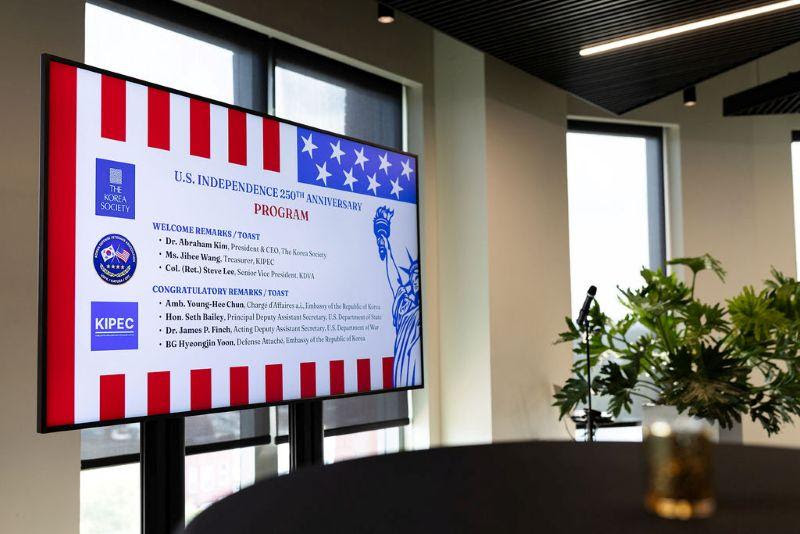
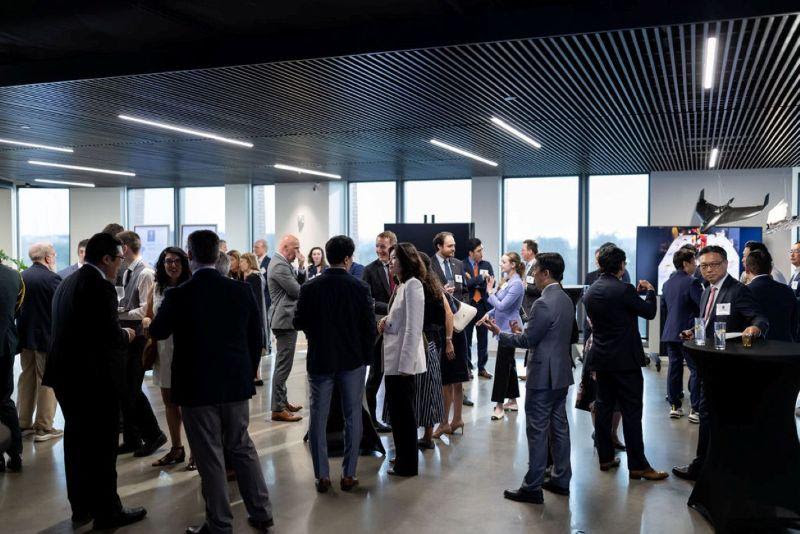
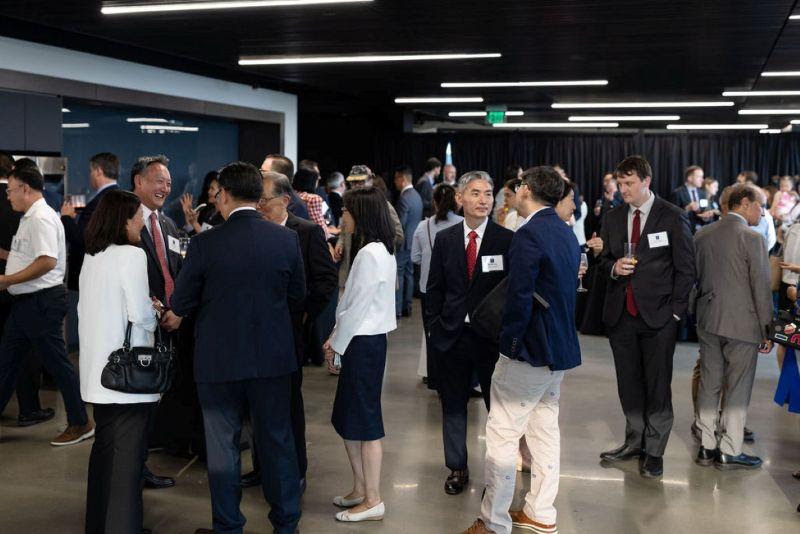
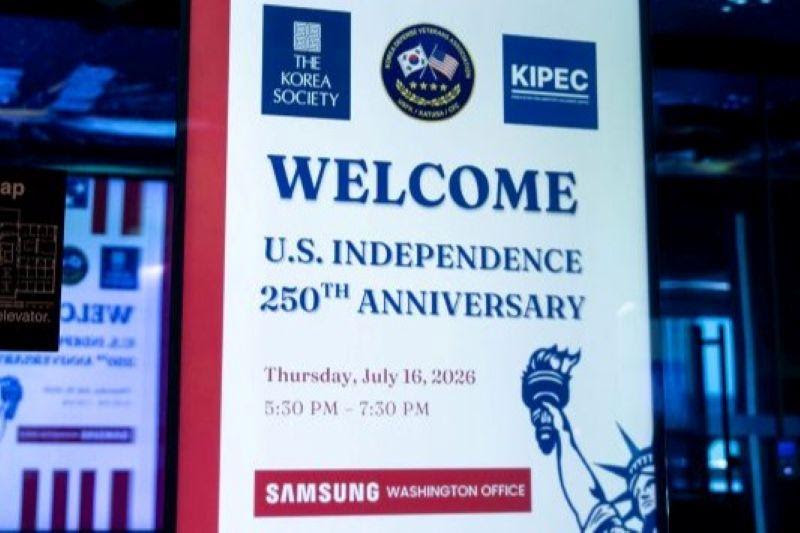
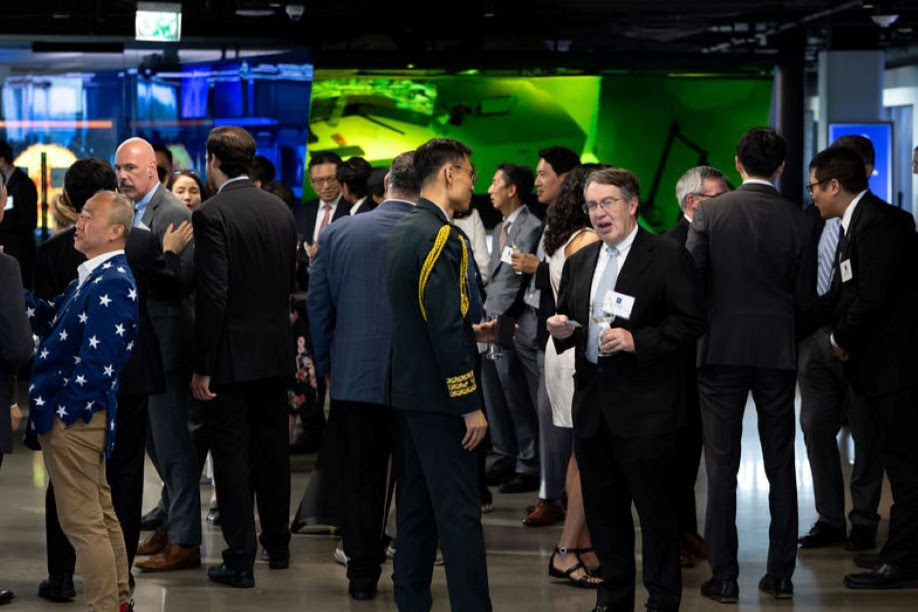
On July 16, The Korea Society hosted an invitation only networking reception at Samsung’s Washington, D.C. office to commemorate the 250th anniversary of American independence, in partnership with the Korea Inter-Parliamentary Exchange Center (KIPEC) and the Korea Defense Veterans Association (KDVA).

Celebrating America’s semi-quincentennial, the U.S.-Korea Alliance, and the shared values of freedom and democracy, the evening provided a unique platform for strengthening relationships across the U.S.–Korea community. Nearly 170 leaders representing the U.S. and Korean legislative and executive branches, industry, civil society and media gathered to build new connections and reinforce partnerships.

Congratulations by American and Korean Dignitaries

Opening with remarks by The Korea Society’s President & CEO Dr. Abraham Kim, the program featured Ambassador Young-Hee Chun, ChargĂ© d’Affaires a.i. of the Embassy of the Republic of Korea; Hon. Seth Bailey, Principal Deputy Assistant Secretary at the U.S. Department of State; Dr. James P. Finch, Acting Deputy Assistant Secretary at the U.S. Department of War; and BG Hyeongjin Yoon, Defense AttachĂ© of the Republic of Korea to the United States, reflecting the broad bipartisan and binational commitment to the alliance.

Reaching across the United States

As The Korea Society expands its presence in Washington D.C. and other states beyond New York, the America 250 event demonstrated The Society’s unique role as a trusted convener—gathering senior policy makers and emerging leaders from government, business, academia, media, and civil society to foster meaningful dialogue and lasting partnerships that strengthen the U.S.–Korea alliance.

Artist Talk: Ran Hwang

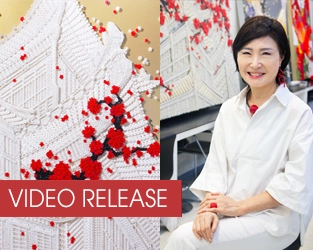
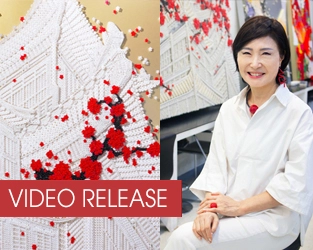
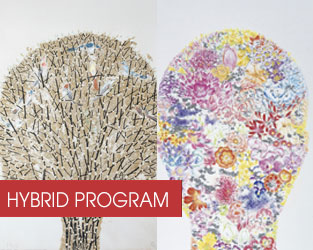
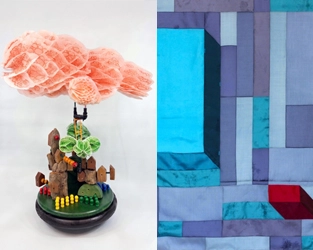
In her solo exhibition, Ran Hwang presents large-scale installations that are both intricate and poetic, delicate yet dramatic, as they explore the cyclical patterns of life and the fleeting nature of beauty. |
Credit: Images Courtesy of the Artist; Artist photo by Lee Eun Joo

In her solo exhibition, Ran Hwang presents large-scale installations that are both intricate and poetic, delicate yet dramatic, as they explore the cyclical patterns of life and the fleeting nature of beauty.

Hwang creates her art through a meticulous and repetitive process, utilizing everyday materials such as paper buttons and pins. This requires intense concentration and discipline, reflecting the meditative state of Zen masters and the spiritual values traditionally sought by scholars of the past. While painstaking and labor intensive, the process also embodies an aesthetic of transcending difficulty, ultimately visualizing a serene beauty and noble spirit that defines the artist’s unique perspective. Through her work, Hwang evokes a sense of tranquility, inviting the viewer into an experience that seeks fulfillment and peace.

Hwang discusses her art and career in conversation with Bradley Bailey, the Ting Tsung and Wei Fong Chao Curator of Asian Art at the Museum of Fine Arts, Houston.


Artist Talk: Ran Hwang

In-person: Friday, March 20, 2026 | 6 PM

 Video Release: Friday, March 27, 2026


The Korea Society
350 Madison Avenue, 24th Floor
New York, NY 10017


About the Artist:

Ran Hwang‘s work permanently resides in the collections of internationally acclaimed venues, including the Brooklyn Museum in New York, Museum of Fine Arts in Houston, Deji Art Museum in Nanjing, Dubai Opera House, Des Moines Art Center in Iowa, New York University and National Museum of Contemporary Art in Seoul. Her work has been exhibited internationally at venues including AAW(Asian Art Works), Leila Heller Gallery in New York and Dubai , Asian Civilizations Museum in Singapore, UNESCO Headquarters in Paris, Mass MoCA in Boston, Fondation d’entreprise Hermès in Singapore, the Facebook New York Headquarter, Baker Museum in Florida, and Venice Biennale 2024. She has won Gold Prize by AHL Foundation NY in 2004 and Pollock-Krasner Foundation Grant in 2015. Hwang has studied at the School of Visual Arts in New York.

About the Moderator:

The inaugural Ting Tsung and Wei Fong Chao Curator and Chair of Asian Art at the Museum of Fine Arts, Houston (MFAH), Dr. Bradley Bailey has written and lectured widely. He has enriched the MFAH’s Asian collections with hundreds of artworks and also led the groundbreaking reorganization and reinstallation of the Korea Gallery at the MFAH. Dr. Bailey earned his bachelor, master, Ph.M., and Ph.D. in art history, as well as his M.B.A., with emphasis on nonprofit management and museums, from Yale University. 


You May Also Enjoy:

Korea in Transition: Late 19th-Century Art in the Peabody Essex Museum Collection Korean Treasures: Collected, Cherished, Shared | The Curatorial Roundtable Modern Architecture in Korea: Travels through Terra Incognita Future Present: Contemporary Korean Art with Andy St. Louis

Korea in Transition

Courtesy of Peabody Essex Museum

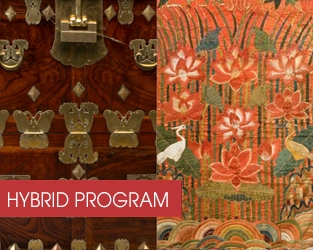
Peabody Essex Museum’s Korean art collection, comprising nearly 2,000 works, offers a distinctive lens on late nineteenth- and early twentieth-century Korea—a period marked by reform, global encounter, and artistic transition. Anchored by objects from the first Korean diplomatic delegation to the United States in 1883 and Korea’s participation in the 1893 Chicago World’s Columbian Exposition, the collection reveals how late Joseon art responded to shifting political realities, foreign contact, and emerging modern sensibilities. Initiated under Director Edward Sylvester Morse and enriched through donations by early travelers between Korea and the United States, including the new PEM Korean gallery’s namesake Yu Kil-Chun, the collection tells intertwined stories of continuity and transition.

Jiyeon Kim, Curator of Korean Art and Culture at PEM, will explore how the late 19th-century Joseon adapted courtly traditions and responded to new popular demands, while also considering the global interactions and human connections forged across the ocean at a pivotal moment in Korean history.


Korea in Transition: Late 19th-Century Art in the Peabody Essex Museum Collection

Tuesday, March 24, 2026 | 6:30 PM (EDT)


The Korea Society
350 Madison Avenue, 24th Floor
New York, NY 10017


About the Speaker:


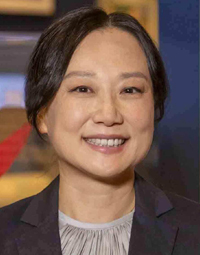
Jiyeon Kim is the Curator of Korean Art and Culture at the Peabody Essex Museum. She led the development of PEM’s new Korean Art Gallery, which opened in May 2025, and co-curated Jung Yeondoo: Building Dreams. She earned her Ph.D. in Korean Art History from the University of California, Los Angeles, and completed postdoctoral research at Columbia University.


You May Also Enjoy:

Korean Treasures: Collected, Cherished, Shared | The Curatorial Roundtable Modern Architecture in Korea: Travels through Terra Incognita Future Present: Contemporary Korean Art with Andy St. Louis The Flow of Ink and Color: A Journey of Korean Ink Painting by Sunglim Kim

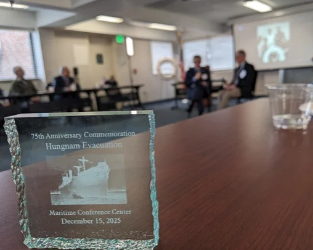
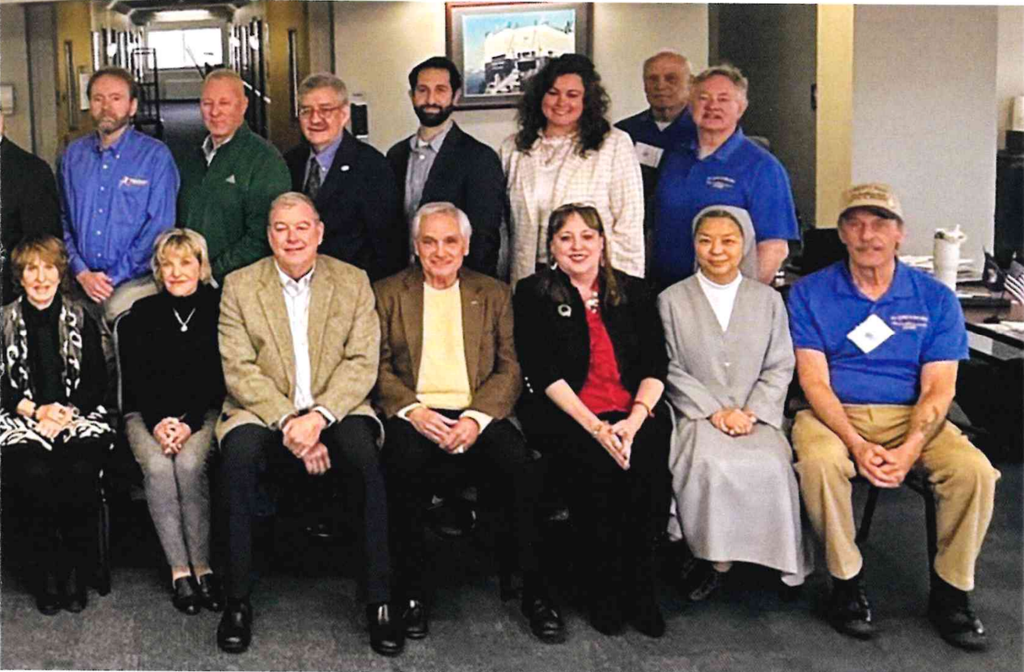
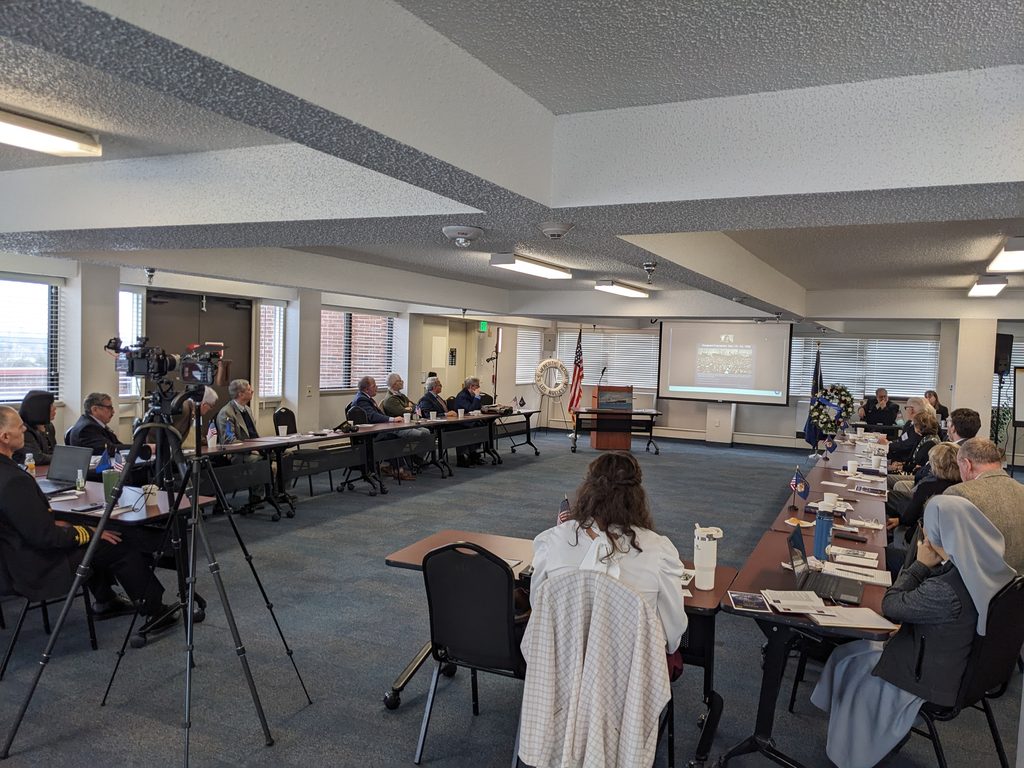
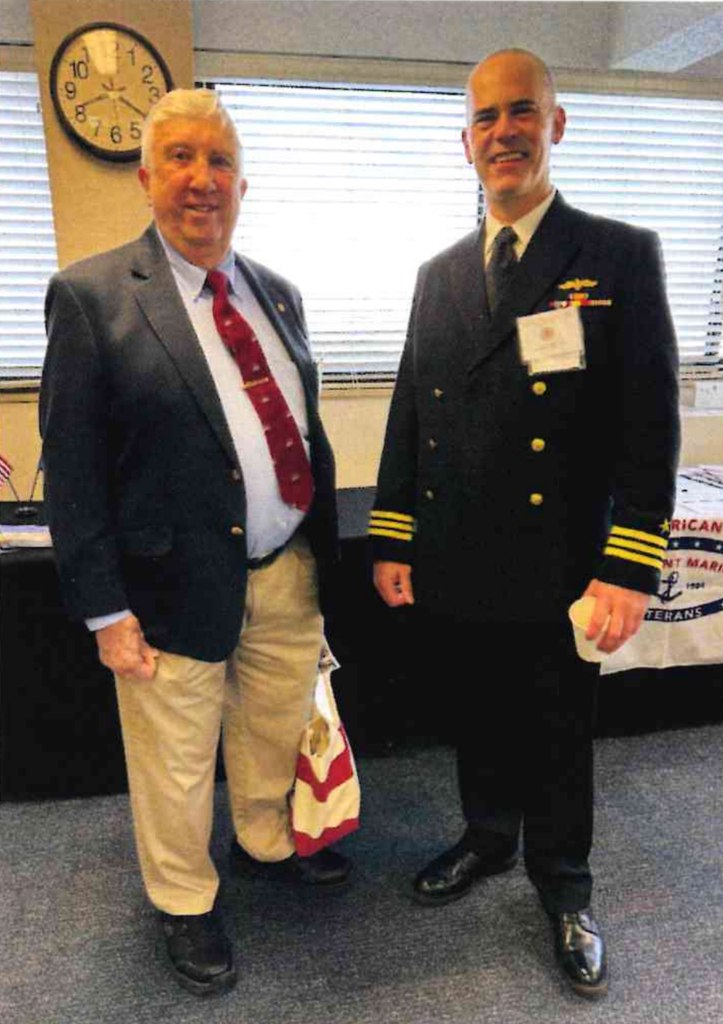
Policy Director Jonathan Corrado Speaks at Conference to Commemorate the 75th Anniversary of the Hungnam Evacuation

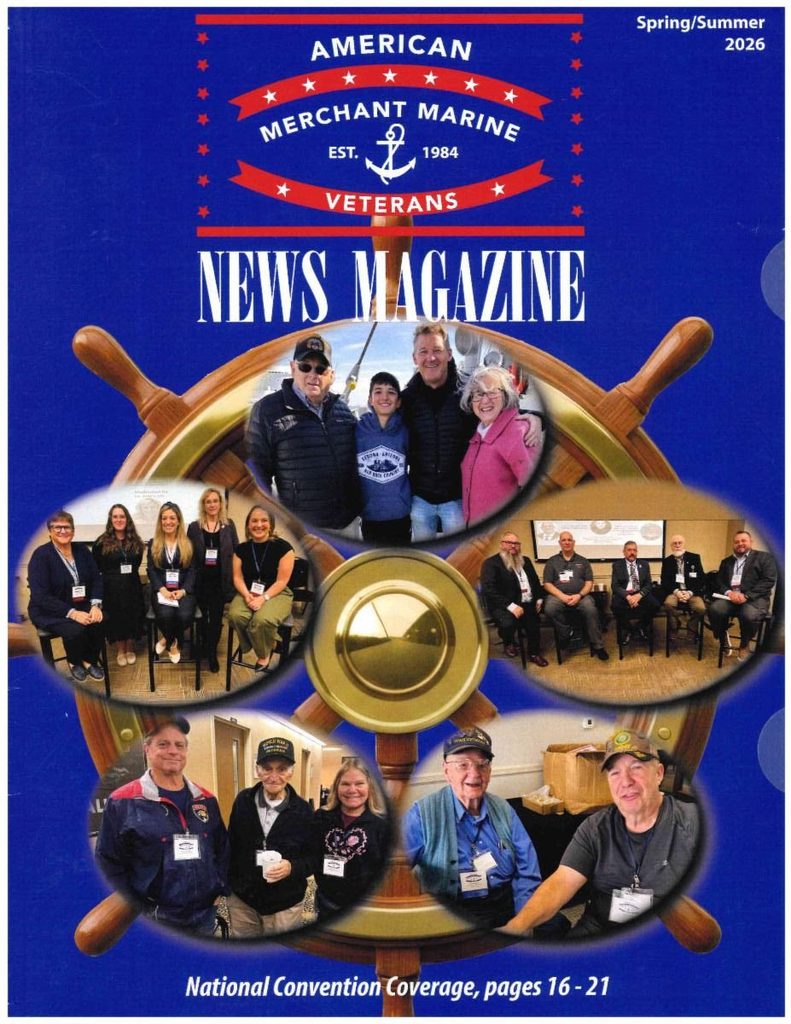
Policy director Jonathan Corrado appeared in the spring/summer edition of the American Merchant Marine Veterans magazine.

Corrado participated in a conference commemorating the 75th Anniversary of the Hungnam Evacuation, during which time U.S. and South Korean forces collaborated to rescue nearly 100,000 civilians and deliver them from harm’s way at the height of The Korean War to the safety of Geoje Island in South Korea.