
Policy Director Jonathan Corrado co-authors report on limited nuclear attacks in East Asia

Korea Society policy director Jonathan Corrado coauthors report on limited nuclear attack in East Asia

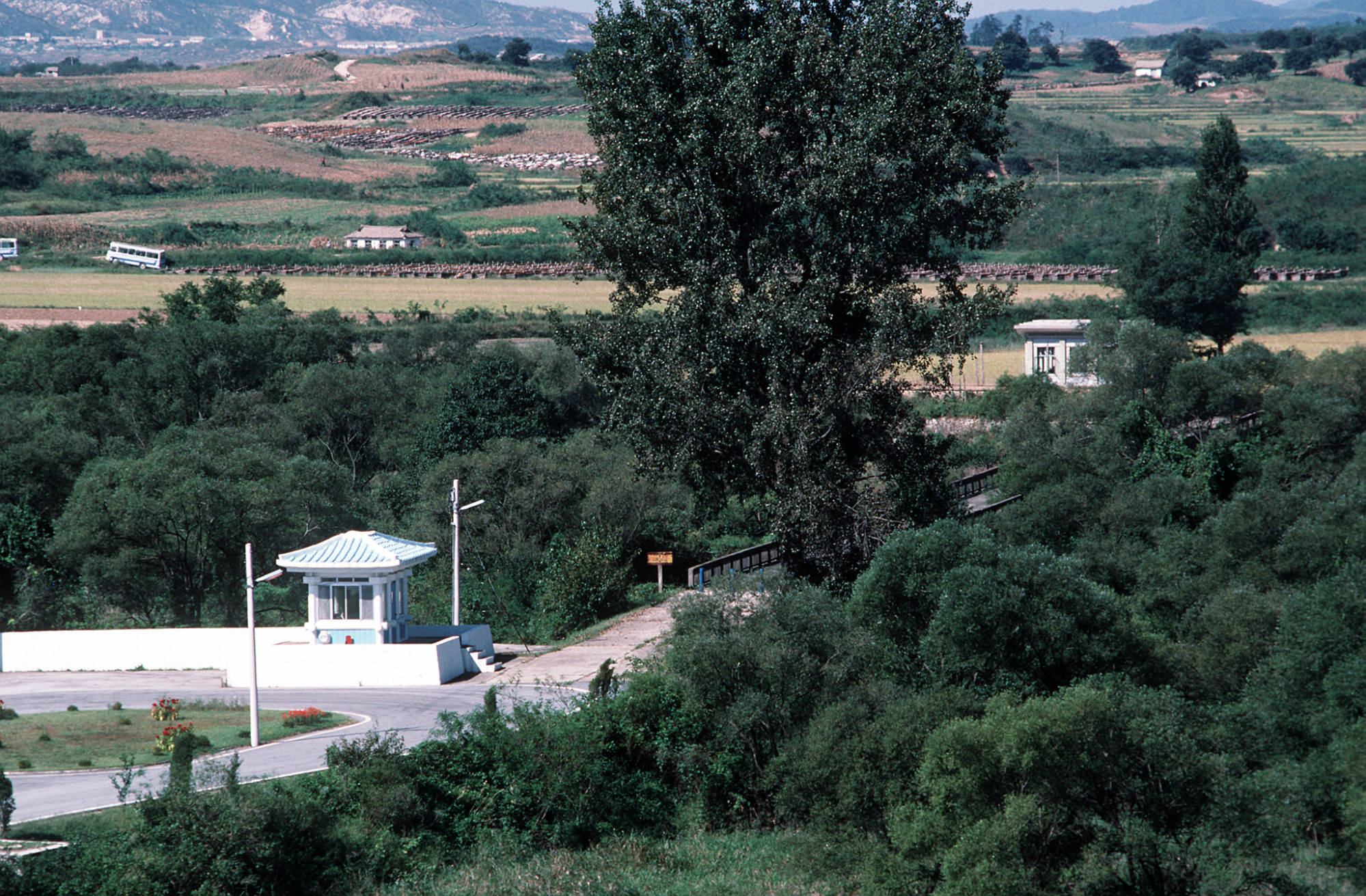
Korea Societry Policy Director Jonathan Corrado co-authored a report on limited nuclear attacks in East Asia. The report was spearheaded by The Indo-Pacific Security Initiative at The Atlantic Council’s Scowcroft Center for Strategy and Security as part of The Tiger Project, an Atlantic Council effort to develop new insights and actionable recommendations for the United States, as well as its allies and partners, to deter and counter aggression in the Indo-Pacific.

The main authors were Markus Garlauskas with John Park and Kyoko Imai, and contributor authors were Andrew Brown and Jonathan Corrado. The report concluded that: “The risk of nuclear attacks being launched in East Asia by adversaries of the United States is likely to increase over the coming decade, yet the United States and its allies have not yet prepared sufficiently to deter and prevail in the face of such nuclear strikes.”

Corrado’s section focuses on the effects of bias on preparing and preventing limited nuclear attack. Corrado wrote: “Limited nuclear attack (LNA) is a topic uniquely vulnerable to bias. Project research trips and the tabletop exercise both revealed deep-seated organizational and cognitive biases that obstruct or distort preparation for an LNA, particularly in the North Korea case. There isn’t even an agreed-upon definition of an LNA, and there is a lack of consensus on the appropriate response to one. Biases thrive in this type of probabilistic, low-information environment where it is necessary to rely on inference and heuristics to make time-sensitive judgments under pressure. The resulting biases lead to preparations, policies, and postures that might be reassuring to the United States and its allies but are suboptimal operationally, generate risk, and could constrain options. Bias might therefore be the biggest obstacle to preparing for and responding to an LNA effectively. The following are three key effects.”

The report is available here.

President Abraham Kim Visits Montana to Strengthen Connections

The Korea Society President & CEO Abraham Kim recently traveled across Montana, meeting with state officials, academic leaders, business executives, and civic leaders to explore opportunities to deepen connections between the state, Korea, and Asia at large.

During the visit, Dr. Kim visited Montana State University–Bozeman, where he met with the school’s President Brock Tessman and Mike Veselik, Assistant Vice President for Economic Development and Federal Relations.

Dr. Kim also traveled to Missoula, Yellowstone National Park, the real-life location of “Dutton Ranch”, and other locations across the state. The trip held particular significance for Dr. Kim, who previously spent six years in Montana and has continued to return to the state annually since his departure.

Alongside a series of meetings, the visit offered opportunities to experience Montana’s natural, cultural, and scientific attractions, including dinosaur fossils, caves, rivers, hot springs, and wilderness.

Special thanks to Matt Olson of the Montana Chamber of Commerce, a longtime friend of President Kim, for organizing productive meetings, and to Andrew Stroup for joining President Kim throughout the journey.

The innovative and inspiring natural landscape of Montana revealed tremendous potential to build new bridges, strengthen relationships, and expand collaboration with Korea and Asia.

Do the U.S. and China Still Share a North Korea Policy?

In a new video program produced by The National Committee on U.S.-China Relations, Korea Society policy director Jonathan Corrado spoke with Korea Society Board Director Dr. Victor Cha and NCAFP Director of the Forum on Asia-Pacific Security Susan Thornton about shifting U.S. and Chinese strategies toward the Korean Peninsula.

The discussion begins by examining how recent U.S. policy shifts—including modified joint military exercises and diplomatic outreach—impact the U.S.–ROK alliance. They also evaluate how North Korea’s military involvement with Russia alters Beijing’s leverage and regional security dynamics.

Next, the panel delves into regional perceptions of Kim Jong Un’s “two hostile states” policy and the abandonment of unification, exploring its implications for South Korean domestic politics and alliance stability.

The discussion also assesses the diminishing U.S.–PRC consensus on denuclearization alongside South Korea’s foreign policy approach under the Lee administration, which favors pragmatic, principled engagement across the region.

Finally, the experts analyze potential crisis escalation scenarios on the peninsula, emphasizing the need for effective U.S.–China crisis communication and contingency planning to prevent conflict.

The Korea Society Professor


Your virtual professor for teaching, learning, and exploring Korea

Explore What Professor TKS Can Do

Ready to chat with TKS professor?

Tell The Korea Society Professor what you’d like to learn.


Whether you’re developing a syllabus or curriculum, researching a Korea-related topic, or looking for educational resources, Professor TKS provides personalized guidance based on your needs.

Leadership Development & Education

Leadership Development & Education — The Korea Society
The Korea Society · Leadership Development & Education

Leadership Development and Education

Anchored by three flagship programs, this work delivers bidirectional training — equipping American leaders to advocate for the bilateral partnership and empowering Korean executives and firms to become effective community partners where they operate.

By 2031, this nationwide network will span business, policy, and civic sectors.

About the Department

Anchored by leadership development and education programs, this work delivers bidirectional training across the U.S.–Korea relationship.

The Cross-Cultural Leadership Initiative, the U.S.–Korea Leadership Exchange Program, and Emerging Leaders Mentorship and Training together equip leaders on both sides of the partnership.

American leaders gain the tools to advocate for the bilateral partnership, while Korean executives and firms are empowered to become effective community partners where they operate.

By 2031, this nationwide network will span business, policy, and civic sectors.

Explore

Three flagship programs.

Each builds leadership capacity across the U.S.–Korea relationship — from language and culture to exchange and mentorship.

01

Flagship Program

Cross-Cultural Leadership Initiative

Language and cultural programs that equip leaders to operate effectively across the U.S. and Korea.

02

Flagship Program

U.S.–Korea Leadership Exchange Program

Bidirectional exchange that prepares American leaders to advocate for the partnership and Korean executives to become effective community partners.

03

Flagship Program

Emerging Leaders Mentorship and Training

Mentorship and training that cultivate the next generation of leaders across business, policy, and civic sectors.

Curriculum & Engagement

How participants engage.

A practical curriculum blends history, values, politics, business practices, language, and societal traditions — cultivating essential skills in negotiation, team management, and trust-building.

Executive Education

Advanced programs for leaders steering the bilateral relationship.

Cross-Cultural Workshops

Practical sessions bridging U.S. and Korean professional norms.

Leadership Development

Training in negotiation, team management, and trust-building.

Language & Cultural Programs

Language and cultural fluency for effective engagement.

Community Involvement

Engagement within communities of increasing Korean presence.

Our Vision

By 2031, this nationwide network will span business, policy, and civic sectors — advancing the bilateral partnership through leaders equipped to build trust across borders.

Digital Initiatives

Watch & Listen — The Korea Society

Digital Initiatives

Every program we record — talks, author conversations, policy briefings, and cultural events.

Subscribe @TheKoreaSociety · youtube.com/TheKoreaSociety
The Korea Society Podcast

Programs you can take anywhere.

Selected talks and briefings are released in audio. Subscribe on your platform of choice and never miss an episode.

New series Korea Expert Desk — a video interview series delivering sharp insight for decision-makers. Premiere: South Korea’s New Industrial Defense Strategy.
Filtering by

Business & Economics

Business & Economics — The Korea Society
The Korea Society · Business & Economics

Business & Economics

A premier nonpartisan forum advancing collaboration and deeper economic engagement between the United States and the Republic of Korea.

We convene policymakers, corporate executives, investors, entrepreneurs, academics, and financial leaders — creating trusted platforms for dialogue on the issues shaping the future of the bilateral economic relationship.

About the Department

The Korea Society's Business & Economics Programs reinforce the Society's role as a premier nonpartisan forum advancing collaboration and deeper economic engagement between the U.S. and the Republic of Korea.

Our four flagship initiatives — the U.S.-ROK New Economic Paradigm, Startup Scene: Entrepreneurs of Tomorrow, the Leadership Interview Series, and the Global Financial Leaders Forum — convene policymakers, corporate executives, investors, entrepreneurs, academics, and financial leaders.

Together they create trusted platforms for dialogue on the issues shaping the future of the bilateral economic relationship, balancing timely exchange with deeper examinations of the forces driving both economies.

These convenings generate timely dialogue, strengthen cross-sector partnerships, elevate emerging entrepreneurial talent, and expand professional networks — further advancing economic cooperation and mutual understanding in both countries.

Explore

Four flagship initiatives.

Each convenes a distinct community across policy, industry, finance, and entrepreneurship to advance the U.S.-Korea economic relationship.

01

Flagship Initiative

U.S.-ROK New Economic Paradigm

Examining the evolving framework of U.S.-Korea economic engagement — from trade and investment to the industries defining the next chapter of the partnership.

02

Flagship Initiative

Startup Scene: Entrepreneurs of Tomorrow

Spotlighting emerging founders and the entrepreneurial talent building across the U.S. and Korean innovation ecosystems.

03

Flagship Initiative

Leadership Interview Series

In-depth conversations with the executives and leaders steering the bilateral economic relationship.

04

Flagship Initiative

Global Financial Leaders Forum

Bringing together investors and financial leaders on the capital, markets, and strategy shaping cross-border finance.

Recent Program Highlights

Convenings across the year.

Programming spanned flagship forums, closed-door roundtables, and public conversations connecting leaders from both countries.

3

Flagship forums, each anchored by a keynote and panel discussions

2

Exclusive executive roundtables

6

Fireside chats

2

Lectures

3

Standalone panel discussions

Our Impact

We generate timely dialogue, strengthen cross-sector partnerships, elevate emerging entrepreneurial talent, and expand professional networks — advancing economic cooperation and mutual understanding in both countries.


Signature Events

Signature Events – The Korea Society

The Korea Society  ·  Signature Events

Signature Events

Beyond our four department-led programs, The Korea Society convenes leaders, members, businesses, and partner organizations across the United States — moving beyond traditional programming to create opportunities for collaboration, celebration, and lasting relationship-building.

Overview

Convening the alliance beyond the program calendar.

Beyond its four department-led programs, The Korea Society expanded its national and regional engagement in innovative ways, convening leaders, members, businesses, and partner organizations across the United States.

These efforts moved beyond traditional programming to create opportunities for collaboration, celebration, and lasting relationship-building. By marking major milestones in the alliance and recognizing those who advance it, we strengthened trust across government, business, civil society, academia, generations, sectors, and regions.

Through our expanding corporate and individual membership programs, we connect people and institutions to The Korea Society’s work and to one another — building enduring communities of leaders and partners for a more dynamic, resilient, and meaningful U.S.–Korea partnership.

Where we convene

Four ways we bring the relationship together.

From flagship galas to the fairway to emerging regional centers, each gathering builds trust in a different register.

01
Signature Event

Van Fleet Award & Annual Gala

Through the Van Fleet Award and our flagship Annual Gala in New York City, The Korea Society elevates the U.S.–Korea alliance on the international stage. Distinguished leaders, cultural figures, and partners come together to honor achievement, celebrate artistic and cultural connections, and reaffirm a shared commitment to the people-to-people relationship.

02
Signature Event

Van Fleet Memorial Golf Tournament

For more than three decades, our highly regarded golf tournament has provided a more personal setting for American and Korean leaders to deepen relationships, build trust, and open new channels of communication and cooperation.

03
Regional Engagement

Regional Partnerships

We continue to cultivate partnerships in emerging centers of the relationship, including Tennessee and Georgia, where Korean corporate investment is expanding into communities with historically limited Korean presence. Strong local relationships are essential to building understanding, matching economic ties with trust — and responding quickly in moments of crisis to preserve confidence in the broader relationship.

04
Community

Membership & Community

Through our expanding corporate and individual membership programs, we connect people and institutions to The Korea Society’s work and to one another. By building enduring communities of leaders and partners, we help create a more dynamic, resilient, and meaningful U.S.–Korea partnership.

Our Charge
By marking milestones and recognizing those who advance the alliance, we strengthen trust across every sector, generation, and region.

Geopolitical Affairs

Geopolitical Affairs — The Korea Society
The Korea Society · Geopolitical Affairs

Geopolitical Affairs

A go-to platform and hub for timely, credible policy insights on the critical issues shaping the U.S.-Korea relationship, South Korea, the Korean Peninsula, and the Indo-Pacific.

We build and empower communities of practitioners — connecting thought leaders and stakeholders from policy, industry, academia, media, and civil society.

About the Department

The Korea Society's Geopolitical Affairs Department cultivates dialogue and action on pivotal developments affecting the U.S.-Korea relationship.

We serve as a trusted platform and hub for timely, credible policy insights, empowering our audiences and participants to better understand the crucial security, diplomacy, political, and geoeconomic issues shaping the U.S.-Korea relationship, the Korean Peninsula, and the Indo-Pacific.

We inform both general audiences and decision-makers, equipping the U.S. and Korea to navigate uncertainty, reduce risk, and seize on new synergies.

We build and empower communities of practitioners by hosting programs, building networks, offering perspectives, and providing engagement opportunities for diverse U.S. and Korean stakeholders from policy, industry, academia, media, and civil society organizations.

We convene thought leaders and policymakers for discussions, balancing rapid-response content with deeper examinations of Korea's historical, political, and societal dynamics.

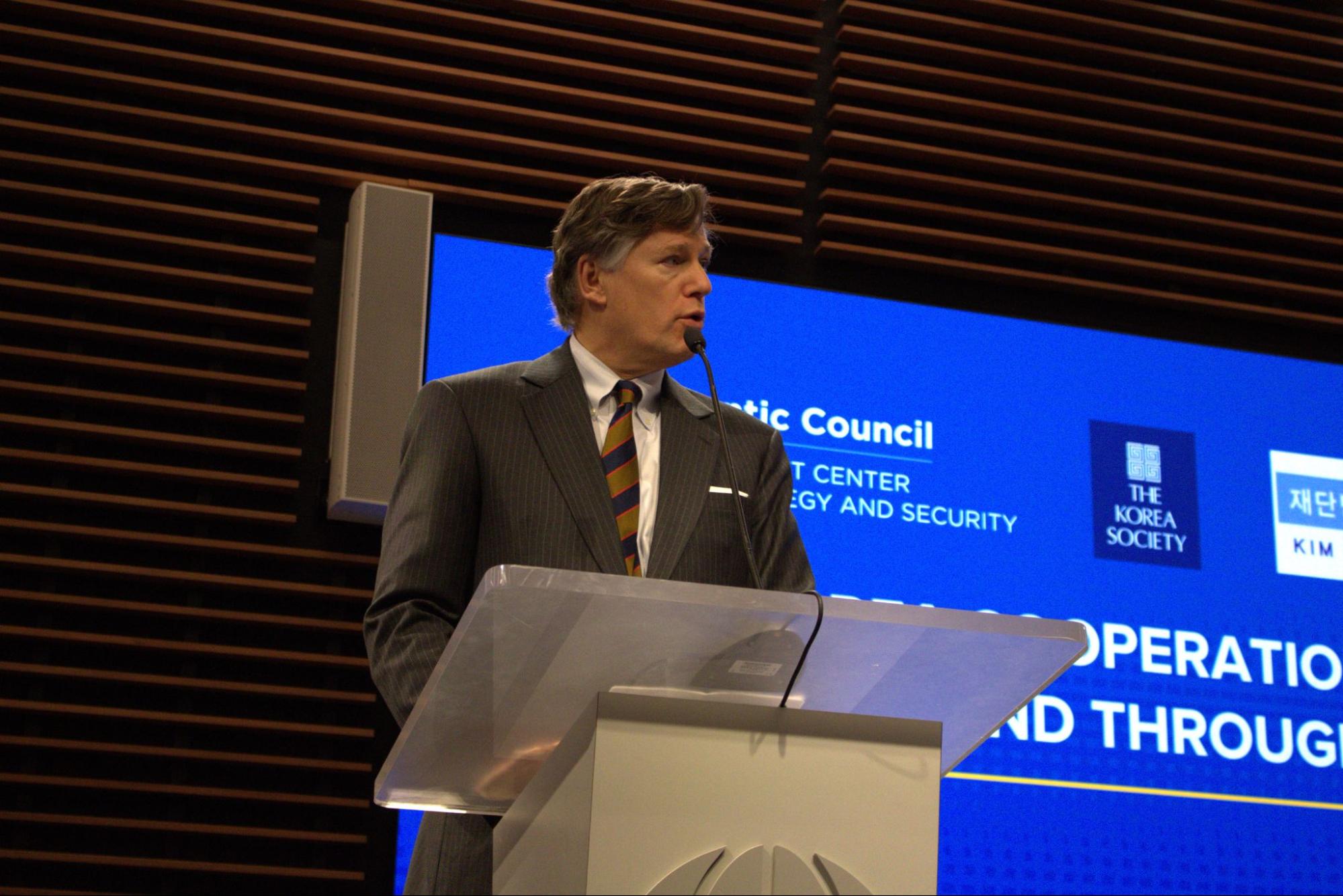
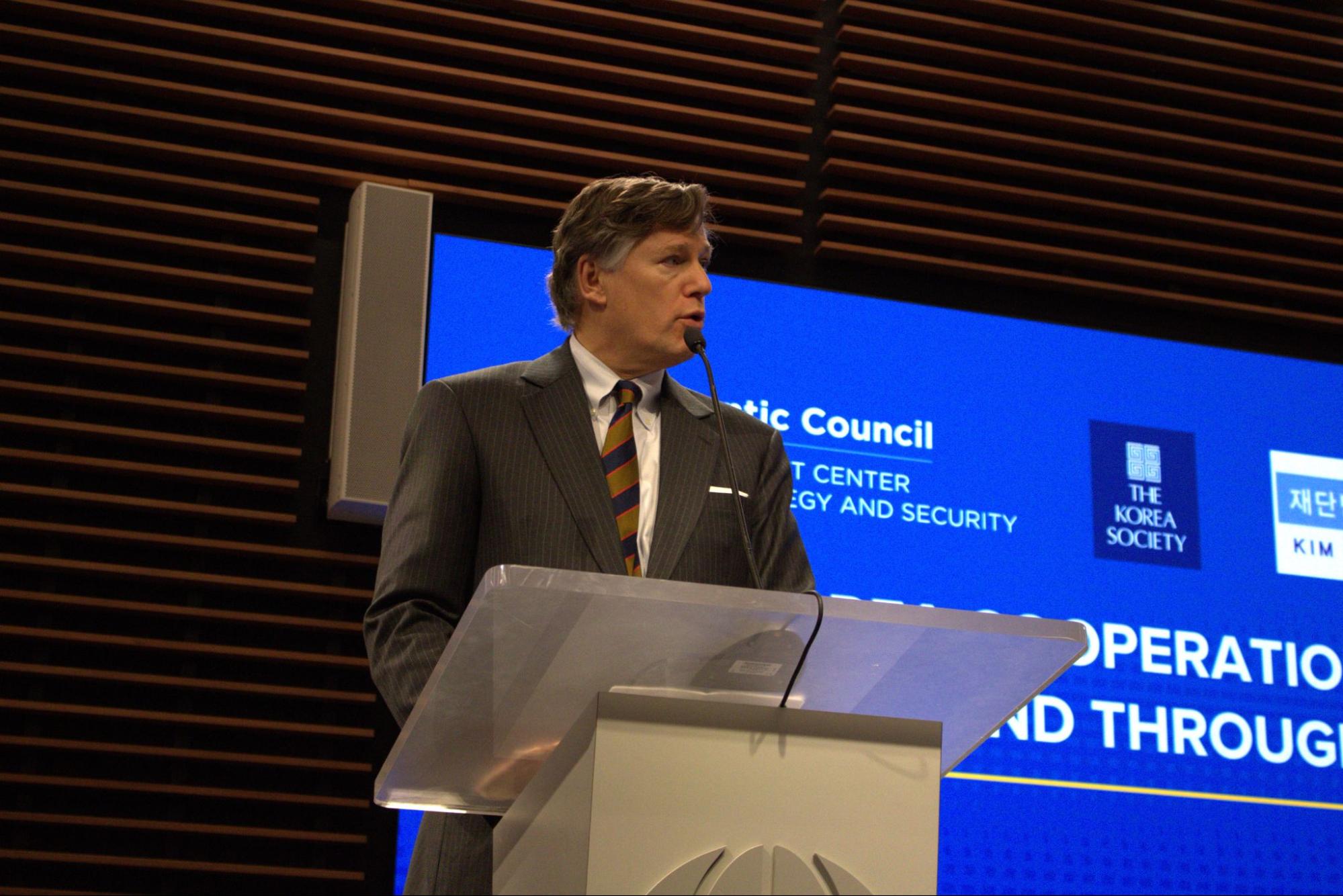
Deputy Secretary of State Christopher Landau speaking at a Korea Society program
U.S. Deputy Secretary of State Christopher Landau
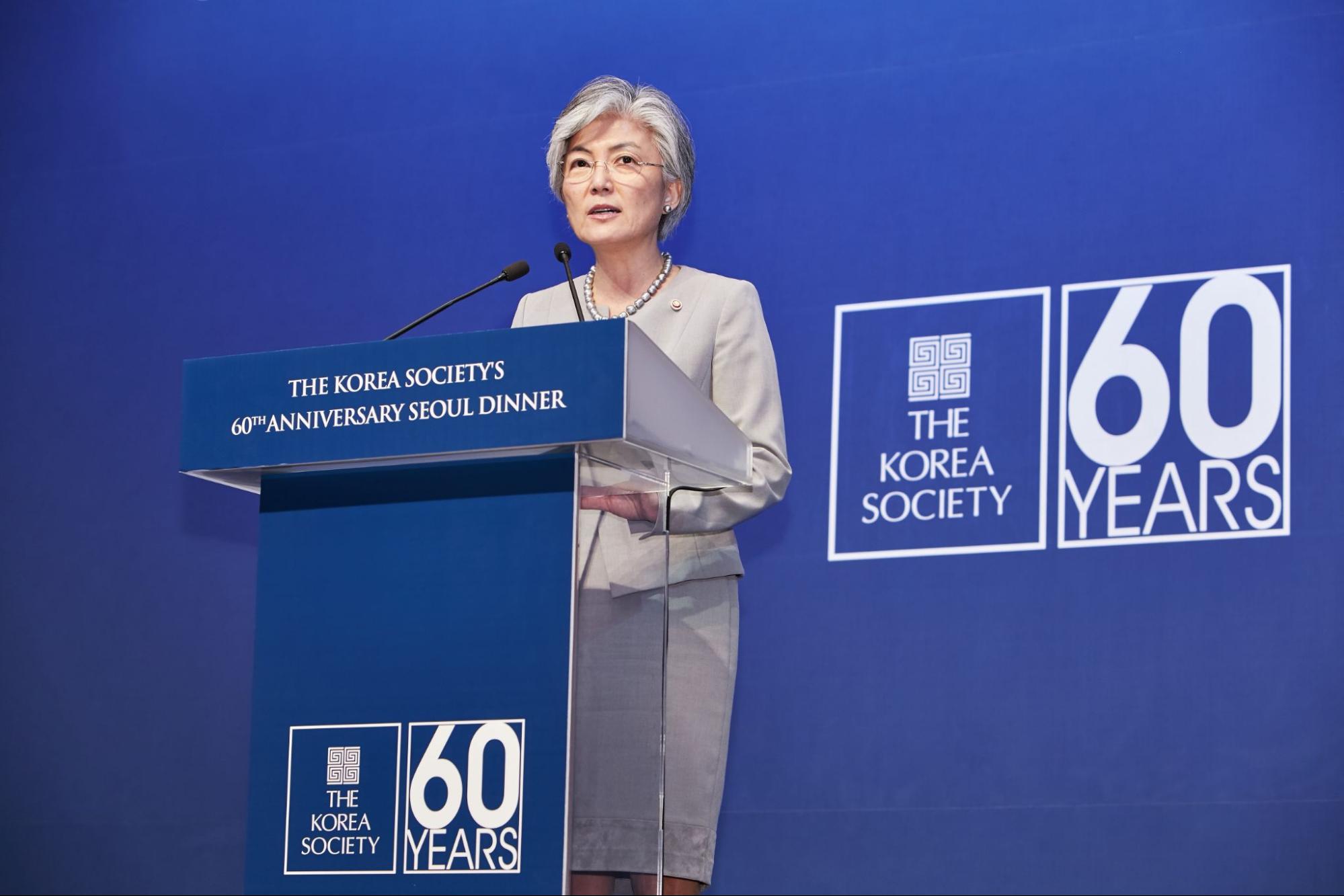
Ambassador Kang Kyung-wha at The Korea Society’s 60th Anniversary Seoul Dinner
Ambassador Kang, Kyung-wha, Ambassador of the Republic of Korea to the United States
Senator Pete Ricketts in discussion at The Korea Society
General (ret.) Vincent K. Brooks, Former Commander of USFK, UNC, & CFC
Explore

Four pillars of our work.

Each organizes our programming across the relationship, the region, the peninsula, and the next generation of leaders.

Our Charge

We inform both general audiences and decision-makers — equipping the U.S. and Korea to navigate uncertainty, reduce risk, and seize on new synergies.

President Abraham Kim Visits LX Pantos Americas

The Korea Society President & CEO Abraham Kim recently visited LX Pantos Americas’ regional headquarters in Teaneck, New Jersey, where he met with CEO David Bang to discuss the importance of supply chain and logistics in strengthening U.S.–Korea economic cooperation.

The meeting provided an opportunity to exchange perspectives on the evolving U.S.–Korea economic relationship and the critical role of supply chains and logistics in supporting growing cooperation between the two countries. Dr. Kim also toured the company’s headquarters and learned more about LX Pantos Americas’ operations and vision.

During the visit, President Kim signed a large-scale mural commissioned for the opening of the company’s headquarters earlier this year. His signature joins those of other guests and contributors on the artwork, which reflects LX Pantos’ culture and vision for the future.

The Korea Society thanks LX Pantos Americas and CEO David Bang for hosting Dr. Kim and for the opportunity to engage in meaningful dialogue on strengthening U.S.–Korea ties.