

Rapid Reaction:
An Olive Branch for North Korea?

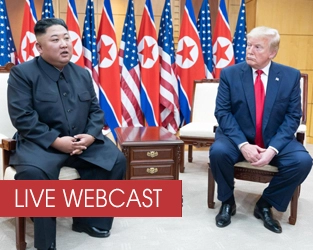
Join The Korea Society for a rapid reaction discussion exploring recent shifts in Korean Peninsula security and diplomacy. Featuring Ambassador (ret.) Joseph Yun, this program will examine President Donald Trump’s decision to modify joint military exercises with South Korea and his revelation of ongoing communication with North Korean leader Kim Jong Un. The program is moderated by policy director Jonathan Corrado.

The session will draw lessons from past negotiation cycles, assess how the geopolitical climate has evolved since Trump and Kim last met, dissect the implications of North Korea’s new “hostile states” policy, examine South Korea’s shifting role as a diplomatic pacemaker, and explore how the surrounding geopolitical situation—such as the expanding Russia-North Korea alliance and The Iran War—is reshaping dynamics in Northeast Asia. Ambassador Yun will also share insights from his multi-decade career managing Korean Peninsula relations.

This program is made possible by the generous support of our individual and corporate members and the Korea Foundation.


Speaker

Joseph “Joe” Yun

Ambassador (ret.) Joseph “Joe” Yun most recently served as Chargé d’Affaires ad interim at the United States Mission in the Republic of Korea. His previous diplomatic assignments include serving as U.S. Special Presidential Envoy to negotiate amendments to the Compact of Free Association (COFA), which governs the relationship between the United States and the Federated States of Micronesia, the Marshall Islands, and Palau. The negotiations concluded in October 2023 and were approved by Congress and enacted in March 2024.

Amb. Yun’s other senior diplomatic assignments include serving as U.S. Special Representative for North Korea Policy (2016-18), U.S. Ambassador to Malaysia (2013-16), and Principal Deputy Assistant Secretary of State for East Asian and Pacific Affairs (2011-2013). His earlier Foreign Service overseas assignments were in Hong Kong, Medan, Paris, Bangkok, and Seoul.

Outside the U.S. government, Amb. Yun has been Senior Advisor with The Asia Group, a DC-based strategic consulting firm, and served at the U.S. Institute of Peace, an independent and non-partisan federal institute working on peace and reconciliation issues throughout the globe. He holds a M. Phil. degree from the London School of Economics and a B.S. from the University of Wales.


Korea’s Energy Evolution

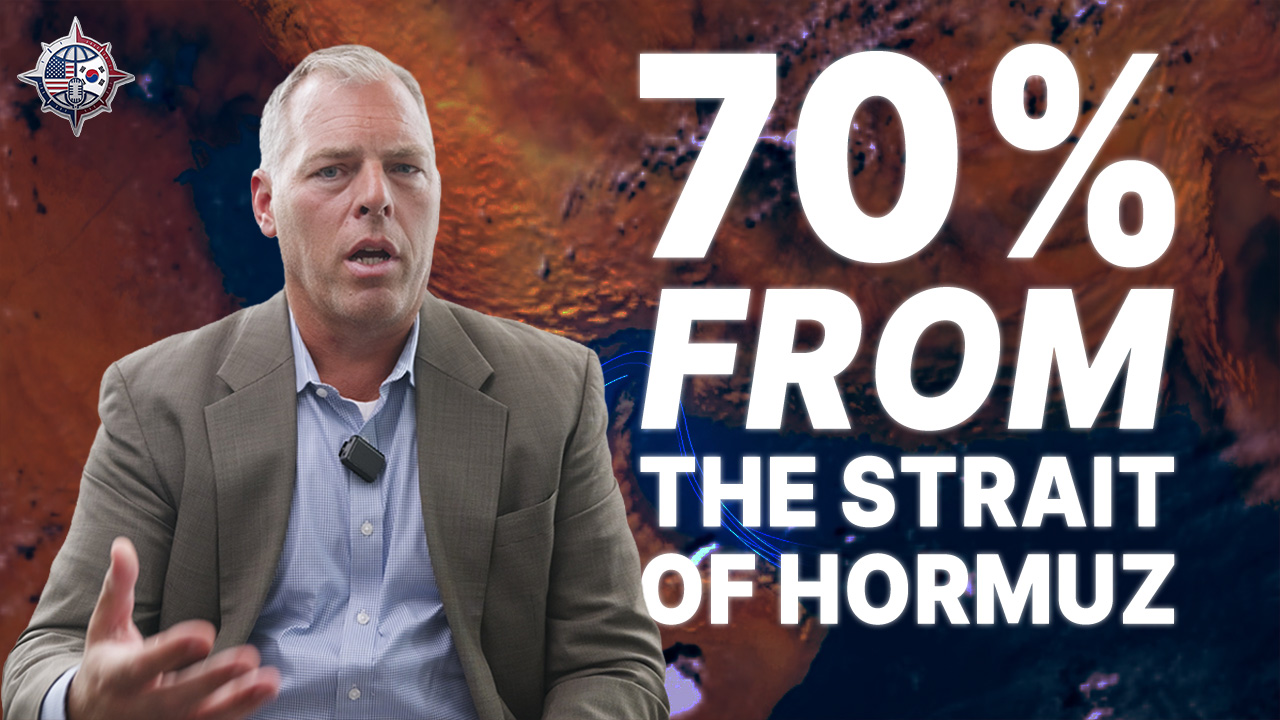
Join The Korea Society for an insightful discussion on Korea’s Energy Evolution with Henry Haggard, former senior U.S. diplomat and Founding Principal of Seekonk LLC. Facing acute resource scarcity and intensifying geopolitical pressure, can South Korea improve its energy resilience through innovation? And how is the U.S.-Republic of Korea (ROK) alliance positioned to pioneer next-generation energy solutions?

This is the second installment of Korea Expert Desk, a new video interview series from The Korea Society delivering sharp insights to help decision-makers and analysts understand the critical issues driving the U.S.–Republic of Korea (ROK) partnership. Concise, dynamic, and visually engaging, Korea Expert Desk unpacks the strategic statecraft and geopolitical shifts shaping the bilateral relationship and the region beyond. Watch the first installment, about South Korea’s New Industrial Defense Strategy with Dr. Lami Kim, here.


As the global community faces an unprecedented surge in energy demand, the intersection of energy security, technology, and geopolitics has never been more vital. South Korea is grappling with a dependence on imported fossil fuels, which historically comprise over 60 percent of its energy mix. Recent supply shocks have underscored the vulnerabilities inherent to this import-dependent strategy. To power its high-tech manufacturing base while meeting its 2050 carbon neutrality commitments, Seoul is executing a dramatic energy pivot to a nuclear-centric future, with plans to expand domestic nuclear-generated power to 35 percent by 2038. Yet, this evolution forces South Korea to navigate treacherous geopolitical waters. Seoul must balance trade dynamics with the United States, manage a delicate diversification away from China’s overwhelming dominance in critical mineral supply chains, and compete directly with state-backed nuclear offerings from Russia and China.

This conversation will examine how the U.S.-ROK alliance is uniquely positioned to innovate and solve these challenges. Grounded by the historic January 2025 Memorandum of Understanding on the Expansion of Peaceful Nuclear Energy, the alliance combines U.S. research innovation and capital with South Korea’s world-class engineering, which has permitted the ROK to construct nuclear plants three times faster than the global average. The conversation will also unpack recent efforts to offset critical minerals dependence through multilateral coordination through the US-led Forum on Resource Geostrategic Engagement (FORGE). Beyond traditional nuclear energy facilities and Small Modular Reactors (SMRs), Haggard will also highlight how the alliance is driving cutting-edge green technologies with breakthroughs in clean hydrogen and ammonia-cracking infrastructure. This program is made possible by the generous support of the Korea Foundation and our individual and corporate members.

Read more by Henry Haggard on this topic:

How the U.S. and South Korea Can Power the Globe with Nuclear Energy – KEI
Profit and Power: Opportunities in the US-South Korea Energy Sector – Rice University’s Baker Institute


Speaker

Henry Haggard

Henry Haggard is the Founding Principal of Seekonk LLC, Global Strategy Group. He is a former U.S. diplomat who completed a twenty-five-year career in the U.S. Foreign Service, retiring at the rank of Counselor in the Senior Foreign Service. Henry is a Principal at WestExec Advisors, Non-Resident Fellow at the Baker Institute Center for Energy Studies (CES) at Rice University, Senior Associate of the KF-VUB Korea Chair at the Centre for Security, Diplomacy and Strategy (CSDS), Senior Fellow at Korea Economic Institute of America (KEI), and Partner at Albion East Ltd, Global Development Advisors. From 2021-2023, he served as Minister Counselor for Political Affairs at the United States Embassy in South Korea. Prior to that, he served as Director at the National Security Council under both the Trump and Biden administrations, coordinating United States policy and engagement with Turkey, Greece, and the United Kingdom. Previous assignments at the State Department include Director of Energy Diplomacy for Asia and the Middle East, Acting Political Minister Counselor at the United States Mission to the European Union, Chief of Staff to the Secretary’s Special Representative for Syria Engagement, Deputy Principal Officer in Erbil, Iraq, Special Assistant to the Assistant Secretary for European Affairs, three tours in the State Department’s Executive Secretariat for Secretaries Powell, Rice and Kerry, a tour in Baghdad, and one stint as political-military team lead at the United States Embassy in Paris. Participated in four diplomatic missions to North Korea between 2000-2008.Henry speaks fluent Korean and French and received a BA in International Relations from Brown University and a MA in Strategic Studies from the United States Army War College. He founded The Twenty-Five Year Apprenticeship, a resource for diplomatic tradecraft and frequently contributes to news and media on global affairs and the Korean peninsula.


On the Ground in North Korea: Aid and Engagement in the DPRK

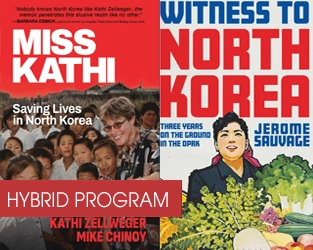
Delve into the frontlines of humanitarian aid in North Korea. Join us for a special discussion with seasoned experts Kathi Zellweger, Mike Chinoy, and Jerome Sauvage as they share first-hand insights from years of experience on the ground inside North Korea.

In Miss Kathi: Saving Lives in North Korea, Swiss aid worker Kathi Zellweger collaborates with veteran journalist and author Mike Chinoy to chronicle her nearly three decades in North Korea. Dubbed the “Mother Teresa of North Korea” by local officials, Zellweger navigated state suspicion and international skepticism to deliver life-saving relief to thousands of vulnerable North Koreans, focusing especially on children. The book is available for purchase on Amazon and Barnes & Noble.

In Witness to North Korea: Three Years on the Ground in the DPRK, former UN Resident Coordinator Jerome Sauvage offers a rare insider account of daily life and operational realities inside Pyongyang. Drawing on his tenure leading international aid operations, Sauvage reflects on the successes and challenges of delivering humanitarian assistance and offers strategic guidance for future engagement. The book is available for purchase here, with a 20% discount using the code: WITNESS20.

The discussion is moderated by Korea Society policy director Jonathan Corrado.

This program is made possible by the generous support of the Korea Foundation and our individual and corporate members.


Speaker

Mike Chinoy

Mike Chinoy is a Nonresident Scholar at the 21st Century China Center at the University of California and the author of six books. Previously, he spent 15 years as a Senior Fellow at the U.S.-China Institute of the University of Southern California. From 2006-2009, he was a senior fellow at the Los Angeles-based Pacific Council on International Policy, focusing on security issues in Northeast Asia.

He spent 24 years as a foreign correspondent for CNN, including serving as the network’s first bureau chief in Beijing. He also worked for CBS and NBC in Hong Kong. He has received numerous awards for his journalism, including the Emmy, Peabody, and Dupont awards for his coverage of the 1989 Tiananmen Square crisis, and a Dupont Award for his coverage of the 2004 Southeast Asian tsunami.

He has also covered North Korea extensively, traveling there 17 times since 1989. In 1994, he became the only journalist invited to accompany President Jimmy Carter on his historic trip to Pyongyang and was the first journalist ever to file live TV reports from North Korea.

He holds a BA from Yale University and an MS from Columbia University. He lives in Taipei, Taiwan.


Speaker

Jerome Sauvage

After a career with the United Nations taking him and his family to Africa, Asia and at Headquarters in New York, Jerome Sauvage became the United Nations Humanitarian Coordinator in North Korea. He negotiated new control arrangements with the North Korean Government to re-open the UNDP office in Pyongyang; coordinated the delivery of humanitarian aid and the international response to natural disasters and facilitated visits from the UN Secretary-General Ban Ki-moon’s political envoys and from Jimmy Carter. Jerome Sauvage is an international affairs consultant specializing in humanitarian affairs and human resource management. He is a graduate of Paris’ Sorbonne University and Johns Hopkins’ School of Advanced International Studies (SAIS).


Speaker

Kathi Zellweger

Kathi Zellweger is a senior aid manager with over thirty years of experience in Hong Kong, China, and North Korea. She was based in Pyongyang during 2006–2011 as the North Korea country director for the Swiss Agency for Development and Cooperation. Before that, Zellweger worked in a senior post for the Catholic Agency Caritas in Hong Kong, where she played a key role in pioneering Caritas’s involvement in China and North Korea. She later established her own NGO, the Hong Kong–based KorAid Limited, to serve children in institutions and people with disabilities in North Korea. Zellweger is affiliated with the Center for International Security and Cooperation at Stanford University and a Non-resident Fellow at the European Center for North Korean Studies at the University of Vienna. She holds a master’s degree in international administration from the School for International Training in Brattleboro, Vermont.

Unpacking the 2026 Midterm Elections:
Implications for the US & Korea

Join us for a timely discussion with a bipartisan pair of former Members of Congress analyzing America’s 2026 midterm election results and their implications for U.S. domestic politics, foreign policy, economics, and America’s dynamic relationship with South Korea. Q&A and audience participation are encouraged!

The conversation features Former Representative John Katko (R-NY, 2015-2023) and Former Representative Kathy Manning (D-NC, 2021-2025), and is moderated by Korea Society President and CEO Dr. Abraham Kim. Drawing from their distinguished legislative careers and firsthand experiences traveling to South Korea with FMC as current or former Members, Katko and Manning will explore how the election results will shape America’s politics, foreign policy, and economic outlook in the leadup to the 2028 presidential and congressional elections, including impacts on the U.S.-ROK Alliance, the U.S.-Korea trade and investment relationship, and regional geopolitics.

There will be a reception with light refreshments starting at 5:30 PM.

This program is presented in collaboration between The Korea Society, FMC’s Congressional Study Group on Korea (CSGK), and The APEC Study Center at Columbia University. This program is made possible by the generous support of our individual and corporate members and the Korea Foundation.

FMC is a 501(c)(3) nonprofit, non-advocacy organization chartered by the U.S. Congress. FMC’s CSGK and The Korea Society have partnered since 2018, including on CSGK’s annual current Member of Congress delegations to Korea.


Speaker

The Hon. John Katko (R-NY, 2015-2023)

The Hon. John Katko (R-NY, 2015-2023) served Central New York in Congress from 2015 until his retirement in 2022. John currently serves as a Senior Advisor with HillEast Group, a government affairs and strategic communications firm with offices in Washington, D.C. and New York. Early in his career in Congress, John became a strong voice on the House Homeland Security Committee. In 2020, he was selected to lead House Homeland Security Committee Republicans. As Ranking Member, John led efforts to secure the border and prioritized a robust focus on cybersecurity, as well as transportation and airport security. Additionally, John served eight years as a member of the House Transportation & Infrastructure Committee. While serving New York’s 24th Congressional District, John achieved significant legislative success, with 98 bills passed the House and 45 signed into law. He is well-respected for his work across the aisle and was consistently ranked among the most bipartisan members of Congress by the nonpartisan Lugar Center. As Chair of the Republican Governance Group, John was responsible for expanding political engagement with results-oriented Members of Congress. Prior to serving in Congress, John spent nearly twenty years as a federal organized crime prosecutor with the U.S. Department of Justice. Additionally, he served as a litigator with the U.S. Securities & Exchange Commission and as an anti-trust and commercial litigation attorney in private practice.


Speaker

The Hon. Kathy Manning (D-NC, 2021-2025)

The Hon. Kathy Manning (D-NC, 2021-2025) represented North Carolina’s Sixth Congressional District, which includes Guilford and Rockingham Counties and parts of Forsyth and Caswell Counties — an area known as the Triad.

Before her election to Congress, Kathy worked to expand access to early childhood education, college scholarships, workforce development, and assistance to those in need through nonprofit organizations including the United Way, the Community Foundation of Greater Greensboro, the National Conference for Community and Justice, and the University of North Carolina at Greensboro. She has also worked tirelessly on major projects to revitalize downtown Greensboro and spur economic development, including the building of a state-of-the-art Performing Arts Center. Kathy was the first woman to chair the Board of the Jewish Federations of North America, one of the largest charitable, faith-based organizations in the world, which provides assistance to communities in need around the world.

As a member of the Education and Labor Committee, Kathy was a strong advocate for early childhood education and investments in school infrastructure and Historically Black Colleges and Universities. Kathy worked to increase access to vocational and technical education and apprenticeship opportunities while making higher education more affordable. As Vice Ranking Member of the Foreign Affairs Committee and former Vice Chair of the Middle East, North Africa, and Global Counterterrorism Subcommittee, Kathy was a vocal advocate for democracy and maintaining strong relationships with United States’ allies, including Israel and Ukraine. She is also a strong advocate for the rights of women and girls around the world, including access to reproductive health care. In addition to her leadership on the Education and Labor and Foreign Affairs Committees, Kathy served as the Co-Chair of the House Bipartisan Taskforce for Combating Antisemitism and a member of the New Democrat Coalition, where she chaired the Workforce Development Task Force. Kathy is also recognized for her leadership on making health care, including mental health services, more accessible and affordable.

Kathy graduated from Harvard University and the University of Michigan Law School. She practiced law in Washington, DC, before moving to Greensboro, North Carolina in 1987, with her husband Randall Kaplan, a lawyer and business entrepreneur who has experience running a large international business as well as small startups. After serving as a partner at a large law firm, Kathy started her own small law firm specializing in immigration law. Kathy and Randall have three married children and three grandchildren who all live in New York City.


Speaker

Abraham Kim, Ph.D.

Abraham Kim, Ph.D. is the President & CEO of The Korea Society, where he leads the organization’s efforts to strengthen ties between the United States and Korea through policy dialogue, business engagement, and cultural exchange. Dr. Kim brings more than 25 years of experience in public policy, national security, and nonprofit leadership, with a career focused on U.S.–Korea relations and Northeast Asia. He has worked closely with senior government officials, business leaders, and international organizations, providing analysis and guidance on geopolitical and economic issues related to the Korean Peninsula. Prior to joining The Korea Society, Dr. Kim served as Executive Director & President of the Council of Korean Americans (CKA), where he expanded the organization’s national footprint and strengthened its role in policy engagement and leadership development. He previously served as Executive Director of the Maureen and Mike Mansfield Center at the University of Montana and as Interim President and Vice President of the Korea Economic Institute of America, where he supported public diplomacy initiatives and educational programs focused on the U.S.–Korea alliance. Earlier in his career, Dr. Kim worked as a policy and risk analyst at Eurasia Group, CSIS, and SAIC, focusing on political risk, crisis simulations, and regional security issues in Northeast Asia. He holds a Ph.D. and M.Phil. in Political Science from Columbia University, an M.A. from Harvard University, and a B.A. from Boston University.

South Korea’s
New Industrial Defense Strategy


Join us for the premiere episode of Korea Expert Desk, a new video interview series from The Korea Society delivering sharp insights to help decision-makers and analysts understand the critical issues driving the U.S.–Republic of Korea (ROK) partnership. Concise, dynamic, and visually engaging, Korea Expert Desk unpacks the strategic statecraft and geopolitical shifts shaping the bilateral relationship and the region beyond.


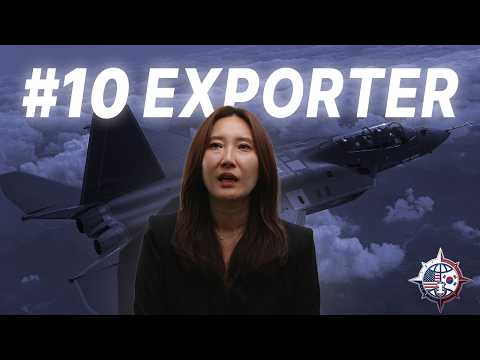
Our first episode explores South Korea’s evolving industrial defense strategy with Dr. Lami Kim, the Korea Chair in Advanced Technologies, National Security, and Defence at The International Institute for Strategic Studies (IISS). Over the past twenty years, South Korean defense exports have seen an approximate 100-fold increase, hitting over $15 billion last year and cementing the country’s position as a top-10 global arms exporter. With a target of becoming the world’s fourth-largest by 2030, “K-Defense” firms have stepped in to fill critical supply chain bottlenecks and low magazine depth revealed by recent conflicts in Europe and the Middle East. Dr. Kim will examine how the U.S. and South Korea can cooperate to shore up the defense industrial base including shipbuilding, how Korean firms will adapt to meet future challenges, and how Korea can leverage international sales to support domestic defense needs.

This program is made possible by the generous support of the Korea Foundation and our individual and corporate members.


Speaker

Dr. Lami Kim

Dr. Lami Kim is the Korea Chair in Advanced Technologies, National Security, and Defence at The International Institute for Strategic Studies (IISS). Her research expertise lies in exploring military and defence issues on the Korean Peninsula, with a focus on the intersection between technology and national and international security. She is the inaugural IISS Korea Chair and leads the activities of this new research programme. Before joining the IISS, Lami served for six years at the US Department of Defense as an associate professor and director of the Asian Studies Program at the US Army War College and a professor at the Daniel K. Inouye Asia-Pacific Center for Security Studies. For her dedication to service, she received the Meritorious Civilian Service Medal from the Secretary of the US Army. She is the author of Everything but the Bomb: South Korea’s Nuclear Hedging Strategy, forthcoming from Stanford University Press. She has held research appointments and fellowships at Harvard’s Belfer Center, the Wilson Center, the Center for Strategic and International Studies, the Stimson Center, George Washington University, Seoul National University, Pacific Forum, the East-West Center and Eurasia Group, among others. Her work has appeared in the Washington Quarterly, Foreign Policy, War on the Rocks, Bulletin of the Atomic Scientists, and other policy outlets. She has also taught at Harvard University, Boston College and the University of Hong Kong. Before becoming a US citizen, she served as a diplomat for South Korea. She holds a PhD from The Fletcher School of Law and Diplomacy at Tufts University and a master’s degree from Harvard University.


2026 Armistice Day Commemorative Reception

Program Brief

2026 Armistice Day Reception

In a reception commemorating the 73rd anniversary of the Korean War Armistice Agreement and celebrating the U.S.-ROK alliance, The Korea Society, in collaboration with the Korea Defense Veterans Association (KDVA) New York City Metro Area Chapter and the Consulate General of the Republic of Korea in New York, brought together veterans, policy leaders, and alliance supporters to honor the service and sacrifice of U.S. and Republic of Korea veterans.

The commemoration emphasized that the U.S.-ROK alliance extends far beyond diplomatic agreements, having been forged through shared sacrifice in the mud, snow, and blood of the battlefield. This relationship was historically exemplified by the partnership between Eighth Army Commander General James Van Fleet and General Paik Sun-yup, whose mutual respect laid the tactical and structural foundation for the modern Republic of Korea Army. As highlighted throughout the evening, the loss of thousands of American and Korean soldiers, including General Van Fleet’s own son, created an unbreakable bond.

Marking the anniversary of the Armistice Agreement signed on July 27, 1953, the evening reception provided an opportunity for reflection on the alliance’s historic achievements while reaffirming a shared commitment to its future.

This program was made possible by the generous support of the Korea Foundation, KDVA, the Consulate General of the Republic of Korea in New York, and The Korea Society’s individual and corporate members.

The program was covered by Voice of America. A video is available to view here

Key Takeaways

1. Peace Through Security and the Evolution of the Armistice

Consul General Sangho Kim framed the 1953 Armistice not as a permanent resolution, but as a provisional pause that granted South Korea the essential time required to rebuild from the ashes of war into a global democracy and economic powerhouse. While seven decades under a temporary ceasefire has carried immense economic burdens and persistent fears of renewed conflict, he argued that the responsibility of the present generation is to leverage the U.S.–ROK alliance, robust deterrence, and steady diplomacy to transition from mere containment toward a lasting treaty that permanently eliminates the fear of war on the Korean Peninsula.

2. The Frontline Reality and the Enduring Human Legacy of Combat

Korean War Marine veteran Jack Foley offered a grounded, personal perspective on the human cost and living legacy of the Korean War, recounting his 1951 deployment with the 1st Battalion, 5th Marines. Foley detailed the immediate, exhausting transition to frontline mountain combat, where troops endured months of constant vigilance without permanent shelter, paved roads, or basic amenities like clean uniforms. Beyond his battlefield service, Foley highlighted the profound personal bonds formed in the decades following the war. Serving in the New York City Police Department during the 1960s, his encounters with Korean immigrants routinely transformed into immediate, deep friendships rooted in mutual respect for his service which culminated in his upcoming official revisit to South Korea.

3. Preserving Memory and Mobilizing Modern Partnerships

Reflecting on the modern responsibilities of both nations, speakers from The Korea Society and KDVA framed veteran sacrifice as an ongoing “debt of duty” rather than a simple historical memory. General Chris Stockel and Korea Society Policy Director Jonathan Corrado noted that a strong US-ROK alliance remains essential for guaranteeing regional stability and economic growth in Northeast Asia. Honorably fulfilling the mission of Korean War veterans requires continuous, active coalition-building across government, veteran organizations, and civil society in both the United States and South Korea to ensure that historical courage continues to secure lasting peace and prosperity.


Korea Defense Veterans Association

Consulate General of the Republic of Korea in New York


Speaker

Sangho Kim

Consul General Sangho Kimof the Republic of Korea in New York. Consul-General Kim Sang Ho serves as the Consul-General of the Korean Consulate General in New York, a position he assumed in April 2026. Prior to his diplomatic appointment in New York, Consul-General Kim was actively involved in civic and national organizations, serving as a Board Member for the Citizen’s Coalition for Urban Future from 2024 to 2026 and as the Director General of the External Cooperation Bureau for the National Council for People’s Sovereignty from 2024 to 2025. From 2018 to 2022, he served as the Mayor of Hanam City in Gyeonggi Province. He served as the Vice Chair of the Policy Committee at the Central Headquarters of the Democratic Party of Korea from 2017 to 2018, which followed an eight-year tenure as an Advisor to a Member of the National Assembly for the Democratic Party of Korea from 2008 to 2016.

Speaker

Chris Stockel

Brigadier General (Ret.) Chris Stockel currently serves as the Korea Defense Veterans Association New York City Metro Chapter president. He is also the vice president of the Civil Affairs Association, senior U.S. civil military operations (CMO) advisor to the Korea Battle Simulation Center (KBSC). He commanded infantry, special forces, and civil affairs units, culminating at the one-star level as commanding general (CG) of the 351st Civil Affairs Command (CACOM) in Mountain View, CA and as the acting Combined Forces Command (CFC) C9 (civil affairs), Korea. As CG of the 351st, he was responsible for nearly all civil affairs operations in the INDO-PACIFIC. Previous to this, he was deputy commanding general, U.S. Army Civil Affairs & Psychological Operations Command (Airborne) and chief of staff (COS) of the 352nd CACOM. Before this, he was the commander of the civil military operations center (CMOC) and deputy COS strategic effects Operational Command Post (OCP) Third Army/ARCENT, Kuwait. He deployed twice to Iraq – once as a CA officer and later as the PAO for CJSOTF-AP. Other assignments included interagency duty with State counter-terrorism at Main State in the CT bureau, formerly S/CT, a joint assignment with USSOCOM, and Special Operations USEUCOM (SOCEUR). His training assignments, tours, and deployment postings included numerous European, Asian, Central American, Caribbean, East African, and Middle Eastern countries (including Egypt, Iraq, UAE, Jordan, Bahrain, Qatar, Lebanon, and Kuwait). He spoke at the Council on Foreign Relations focused on China, at AUSA LANPAC in Hawaii on HADR, and testified about Iraq before Congress to the House committee on State and Foreign Operations. Stockel earned a BA in Mathematics/Computer Science with a minor in German from Trenton State College including a year abroad at the Goethe University Frankfurt am Main, Germany and a Master’s Strategic Studies from the U.S. Army War College. He is a life member of the Council of Foreign Relations. While in uniform he held DoD language ratings in German, Arabic, and Spanish. He is ranger and special forces qualified. His numerous awards and decorations include the Distinguished Service Medal, Legion of Merit, Bronze Star Medal, Meritorious Service Medal, German Parachute Badge, Latvian Special Forces Parachute Badge, Indonesian Parachute Badge, and Cote d’Ivoire Parachute Badge.

Speaker

Jack Foley

Jack Foley enlisted in the United States Marine Corps following his graduation from high school in March 1951 at the age of 17. Jack completed recruit training at Parris Island before being transferred to Camp Pendleton in California for advanced infantry instruction. The training included rigorous Mountain Warfare exercises in the Sierra Nevada Mountains in preparation for deployment to Korea. Upon his return home in late November 1952, he was promoted to the rank of Marine Sergeant in the USMC and assigned to the 2nd Marine Division at Camp LeJeune, NC serving with the Weapons Company, 2nd Battalion, 2nd Marine Regiment. In May 1953, Jack was reassigned to Marine Corps Base Quantico, VA where he served as a Weapons instructor at the Officer Candidate School. Following this assignment, he returned to Camp LeJeune where he completed his service and was honorably discharged.

After Jack’s honorable discharge from active duty in 1955, he was accepted into the New York City Police Department where he began his career in law enforcement. Concurrently, he rejoined the Marine Corps as a reservist, ultimately serving a total of 25 years and retiring with the rank of Master Sergeant. During that time, he participated in specialized training programs including Desert Warfare training in the Mojave Desert, Jungle Warfare School in Panama, and Cold Weather training in Norway. In 1990, Jack continued his commitment to public service by joining the Lee County Sheriff’s Office in Fort Myers, Florida. He served proudly as a Deputy Sheriff and later retired with the rank of Police Sergeant.

Critical Comparison: Sanctions on North Korea vs. Iran

Program Brief

Critical Comparisons: Sanctions on North Korea vs. Iran

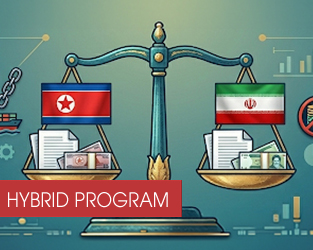
In a discussion on the implementation and efficacy of international sanctions, Dr. Jonathan Brewer, Visiting Professor at King’s College London and former Acting Coordinator of the UN Panel of Experts on North Korea, offered a nuanced comparative analysis of two of the world’s most complex sanctions regimes. Drawing on his unique experience as both a financial expert on the UN Panel on Iran and coordinator overseeing North Korea sanctions enforcement, Dr. Brewer examined why sanctions have succeeded in some contexts while failing to achieve their ultimate objectives in others.

This program was made possible by the generous support of the Korea Foundation and The Korea Society’s individual and corporate members.

Key Takeaways

1. Why Sanctions Failed on North Korea but Showed Promise with Iran

Dr. Brewer argued that sanctions did not uniformly fail; rather, they produced different outcomes based on implementation, context, and strategic timing. For Iran, Security Council sanctions, particularly financial restrictions, contributed to bringing the state to the negotiating table and eventually to the Joint Comprehensive Plan of Action (JCPOA). What made Iran sanctions effective was sustained US financial pressure that isolated Iranian banks from the dollar system, creating genuine economic costs. In contrast, North Korea sanctions have proven ineffective, but not because sanctions as a concept are flawed, Dr. Brewer argued. Multiple factors explain the divergence: sanctions were imposed after North Korea had already detonated a nuclear device and established core infrastructure, suggesting the intervention came too late. Sanctions were also applied incrementally over years, giving North Korea time to develop sophisticated evasion networks and procurement methods. Lastly, North Korea’s borders with China and Russia have created loopholes that undermine the effectiveness of sanctions, which is further compounded by inconsistent enforcement by both countries.

2. The Paradox of Panel Expertise: Information as an Essential Tool

In contemporary sanctions enforcement, Dr. Brewer highlighted that the absence of credible, independent monitoring bodies has presented a critical vulnerability. In particular, the mandate of the UN’s Panel of Experts on North Korea sanctions has ended and the Panel of Experts on Iranian sanctions cannot function normally. The consequence is that UN member states, which are obligated to implement Security Council sanctions, lack validated and impartial intelligence on sanction circumvention activities conducted by North Korea and Iran. This information gap directly undermines implementation effectiveness. Dr. Brewer also emphasized that the panels’ greatest asset was credibility. As reports were negotiated by consensus among the P5 and rotating members, they held unassailable validity that enabled states to justify compliance to domestic stakeholders. Without this institutional mechanism, sanctions are at risk of becoming performative rather than policy.

3. The Mechanics of Proliferation Finance and Emerging Sanctions Evasion Technologies

Dr. Brewer broke down weapons proliferation financing into three discrete stages: fundraising, disguising the funds, and procurement. North Korea has moved decisively into cryptocurrency theft and alternative financial pathways, stealing billions in digital assets that bypass traditional banking infrastructure. As sanctioned states become more sophisticated at exploiting cryptocurrency and as alternative payment systems mature, the foundation of modern financial sanctions, the dollar standard, faces gradual erosion. Dr. Brewer emphasized that this reality demands a multi-faceted response: stronger private sector compliance frameworks, enhanced blockchain analytics capabilities for tracing digital assets, and deeper coordination among export control regimes (Nuclear Suppliers Group, Missile Technology Control Regime) to address the procurement leg of the financing chain. Iran has not extensively pursued this cyber-based evasion approach, though the recent tentative US-Iran agreement may shift Iran’s strategy.

4. The Geopolitical Collapse of the Multilateral Sanctions Architecture

Dr. Brewer addressed a fundamental shift in the international landscape: the emergence of what observers call an “axis of sanctioned states.” Russia’s veto of the North Korea panel renewal, China’s increasing reluctance to enforce sanctions on Pyongyang, and growing military-technological cooperation among North Korea, Iran, and Russia represent a qualitative change in the viability of Security Council-based enforcement. This geopolitical realignment does not invalidate sanctions as a tool, but it does require creative adaptation. Dr. Brewer proposed building “communities of interest” among coalition partners willing to coordinate unilateral and multilateral sanctions. Deeper coordination among the US, South Korea, EU, Canada, UK, and Japan, combined with engagement of the private sector, financial institutions, and academic expertise, could partially substitute for a dysfunctional Security Council.


Speaker

Dr. Jonathan Brewer

Dr. Jonathan Brewer is a Visiting Professor at King’s College, London, carrying out research with the Alpha Project on questions of proliferation and the financing of proliferation. Based in New York, Dr. Brewer currently conducts research about UN Security Council and unilateral sanctions requirements, their implementation and circumvention, Weapons of Mass Destruction (WMD) proliferation programmes, and Financing of WMD proliferation, including Financial Action Task Force (FATF) requirements. Dr. Brewer is former Acting Coordinator of the UN Panel of Experts on North Korea (DPRK), Coordinator of the UN 1540 Group of Experts, and financial expert of the UN Panel on Iran. Brewer was a member of the UK Diplomatic Service between 1983 and 2010. Duties included substantive postings overseas to Luanda (1986–88), Mexico City (1991–95) and Moscow (1998–2001) and a secondment to the Joint Intelligence Committee, Cabinet Office, London (2003–2004). He was Head of Counter-Proliferation 2005–2010. He graduated from Oxford University with a First Class Honours degree, and holds a PhD in geophysics from Cornell University.

New Thinking on Korea’s
Aging, Shrinking Society

Program Brief

New Thinking on Korea’s Aging, Shrinking Society

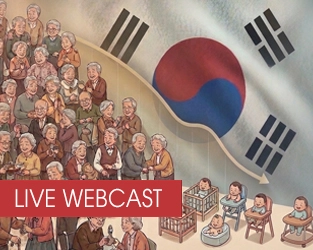
In a discussion on South Korea’s low birth rate and aging society, Professor Youngtae Cho, Director of the Population Policy Research Center (PPRC) at Seoul National University, challenged conventional narratives surrounding South Korea’s demographic decline. Rather than viewing a shrinking population as a critical crisis, Professor Cho reframed it as a unique window of opportunity to strategically build a more sustainable and resilient future.

This program was made possible by the generous support of the Korea Foundation and our individual and corporate members.

Key Takeaways

1. Hypercentralization in Seoul as a Fundamental Driver of Low Fertility

From an evolutionary perspective, Dr. Cho explained that when competition for resources becomes unsustainably intense, an organism’s instinct for individual survival overrides its instinct for reproduction. In South Korea, this survival trigger is directly tied to hypercentralization. More than 50 percent of the national population is concentrated in the Seoul metropolitan area, where economic opportunities are clustered. Coupled with the fact that 77 percent of 30-year-olds hold a college degree—the highest in the world—metropolitan areas have become dense, high-pressure environments where young people face a brutal daily battle for survival, leaving them with no financial or psychological capacity to marry or have children.

2. Quality Over Quantity

Dr. Cho refuted Elon Musk’s claim that South Korea’s low fertility rate would allow North Korea to easily invade by simply “walking across” the DMZ within three generations. He revealed through recent demographic simulations that North Korea’s population is facing its own severe, unmanaged decline; its annual births sit around 220,000 to 230,000, roughly equal to South Korea’s 250,000 births last year. Furthermore, Dr. Cho argued that assessing a nation’s future strictly by headcount is reductionist. South Korea’s historic post-war transformation into a global economic powerhouse was driven by massive leaps in individual human capability and resilience, qualities that numbers alone cannot capture. Dr. Cho encouraged a perspective that looks beyond the population number to additionally consider “APC,” which means age, period, and cohort.

3. The Extreme Reality of Social Aging and Shifting Median Age

Dr. Cho emphasized that a shifting age structure fundamentally transforms a nation into an entirely different world, an evolution best captured by the relentless rise of South Korea’s median age. Historically, this metric dictated the baseline for cultural maturity; in 1994, the median age was a youthful 29, meaning that turning 30 marked a sudden, high-pressure threshold into full adult responsibility. Today, that midpoint has skyrocketed to 46 and by 2054, the median age in Korea will be around 60 years old. This unprecedented shift means institutions, legal frameworks, and economic systems must be completely reinvented to function in a society where the statistical average age shifts substantially.

4. Demographic Solutions for Corporate Talent Pipelines

Dr. Cho asserted that treating population decline as an automatic economic death sentence is a mistake. By looking at demographics through the multi-dimensional “APC” lens (Age, Period, Cohort), businesses can uncover massive expanding global markets and pivot their strategies. In a notable case study, one company faced high resignation rates among its newly recruited elite workforce despite offering top-tier salaries and welfare benefits. Dr. Cho’s research identified a distinct demographic mismatch: 49% of Koreans born in 1990 and 51% born after 2003 are Seoul natives, thus structurally addicted to the capital’s infrastructure. Forcing them to work consecutive years at regional plants hours away created an exhausting, unsustainable weekend travel loop. Acting on Dr. Cho’s advice, the company introduced a bi-weekly 4-day work week in 2024, reversing attrition rates among their young talent.


Speaker

Dr. Youngtae Cho

Dr. Youngtae Cho is a professor of demography at the Graduate School of Public Health, Seoul National University, and director of the SNU Population Policy Research Center. He received his Ph.D. in sociology (specialized in demography) from the University of Texas at Austin in 2002. His research focuses on fertility transitions, demographic change, and their impacts on social and economic structures in East and Southeast Asia. He is the author of several books for general public and has played a leading role in enhancing population literacy in Korea. Through media, public speaking, and policy consultation, Cho reframes demographic shifts not as crises, but tools for building a more sustainable and proactive future.

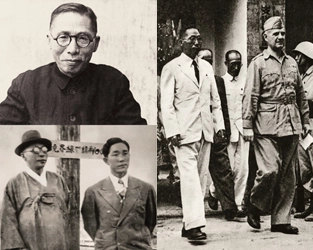
Commemorating the 150th Anniversary of Kim Koo’s Birth: Exhibition Opening & Presentation

Program Brief

Commemorating the 150th Anniversary of Kim Koo’s Birth

UNESCO officially commemorated 2026 as the 150th anniversary of the birth of Kim Koo, honoring his foundational conviction that culture is the ultimate engine of national development, human happiness, and international peace. To mark this significant milestone, The Korea Society, in partnership with the Association of Commemorative Service for Patriot Kim Koo and the Kim Koo Foundation, hosted a landmark presentation and exhibition opening titled “Kim Koo: Dreaming of Peace through the Power of Culture.” This momentous occasion brought together senior policy and civic leaders to celebrate Kim Koo’s enduring legacy and reflect on the growing maturity of the U.S.–Republic of Korea (ROK) alliance.

The event also celebrated the 11th anniversary of the Kim Koo Professional Series at The Korea Society. Over the past decade, this impactful initiative has empowered a network of over 200 fellows spanning policy, corporate industry, media, nonprofits, and academia to strengthen U.S.-Korea relations and promote peace and prosperity in Northeast Asia.

This program was produced in partnership between The Korea Society and The Association of Commemorative Service for Patriot Kim Koo and made possible by the support of the Kim Koo Foundation.

Key Takeaways

1. The Boundless Power of Culture as a Global Engine

Kim Koo wrote in his seminal essay My Wish: “The one thing I desire without limit is the power of a great culture. For the power of culture makes us happy and goes on to bring happiness to others.” Speakers highlighted how this profound vision has dynamically materialized in the modern era. From the global dominance of K-Pop and multi-Tony Award-winning Broadway adaptations like Maybe Happy Ending to Netflix chart-toppers, Korea’s soft power has emerged as a universal bridge for cultural exchange and lasting international peace.

2. Historical Precursors to the Modern ROK-U.S. Alliance

Beyond his revolutionary leadership within the Provisional Government of Korea, Kim Koo’s legacy resonates deeply as a visionary diplomat. His historical foresight led to early, critical collaborations with the U.S. Office of Strategic Services (OSS) on the “Eagle Project.” This initiative served as a vital foundational precursor to the formal institutionalization of the modern ROK-U.S. alliance, which has now matured into a comprehensive strategic partnership encompassing defense, trade, cutting-edge technology, and shared values of freedom and the rule of law.

3. Diplomatic Equality, Dignity, and National Unity

Kim Koo long advocated for bilateral relations rooted strictly in mutual dignity, a sentiment captured in a handwritten calligraphy scroll gifted to the late diplomat and scholar Gregory Henderson that reads: “Let Korea and the United States help one another in friendship and as equals.” His sacrifice and courage established a roadmap proving that a nation’s true strength is not merely measured by military or raw economic might, but by the character, resilience, and unified purpose of its people. This vision underpins the modern democratic advancements that allow contemporary leaders to address global challenges from a position of equal partnership and mutual respect.


Congratulatory Remarks:

Her Excellency Kang, Kyung-wha, Ambassador Extraordinary and Plenipotentiary of the Republic of Korea to the United States of America

Kang, Kyung-wha was appointed Ambassador Extraordinary and Plenipotentiary of the Republic of Korea to the United States of America by President Lee, Jae Myung in October, 2025. Prior to her appointment, Ambassador Kang served as Minister of Foreign Affairs from 2017-2021 under President Moon, Jae-in. Between April, 2024 and September, 2025 she served as President and Chief Executive Officer of Asia Society in New York. During her varied and distinguished career in public service, Ambassador Kang served as Secretary for International Relations in the Office of the Speaker of the Korean National Assembly and as Senior Advisor and Principal Speechwriter to the Foreign Minister and Principal Interpreter to the President of Korea. She was also Director-General for International Organizations at the Ministry of Foreign Affairs and Trade of the Republic of Korea. At the United Nations, she was Deputy High Commissioner at the Office of the High Commissioner for Human Rights, Deputy Emergency Relief Coordinator and Assistant Secretary-General at the United Nations Office for the Coordination of Humanitarian Affairs, Chief of the Transition Team for the 9th United Nations Secretary-General-elect and later his Senior Advisor on Policy. Earlier in her career, Ambassador Kang worked for the English Section of Radio Korea International of the Korean Broadcasting System (KBS), served as Assistant Professor at Cleveland State University in Cleveland, Ohio and was active in several women’s organizations in Korea. She was affiliated with Ewha Women’s University as Distinguished Professor Emeritus (Sept. 2022 – Feb. 2023) and is Honorary Professor at the Institute for Global Engagement and Empowerment at Yonsei University since September, 2023. Ambassador Kang has a Bachelor’s Degree in Political Science and International Studies from Yonsei University, and both a Master’s Degree and Doctorate in International/Intercultural Communication from the University of Massachusetts at Amherst. She is married with three children.

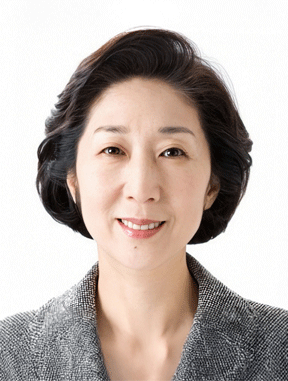
Dr. Kim Mee is a distinguished Korean philanthropist and civic leader. She currently serves as Chairperson of the Kim Koo Foundation, established to honor the legacy of her grandfather, Kim Koo—one of Korea’s most revered independence leaders. The Foundation advances educational and cultural initiatives both in Korea and internationally, continuing Kim Koo’s lifelong commitment to public service and national identity. Dr. Kim has dedicated her career to advocating for social equity and civic engagement. Her work spans a range of critical issues, including women’s rights, child welfare, healthcare access, education, the arts, and civil diplomacy. Dr. Kim is a board director for The Korea Society. She previously served as Chairperson of Women’s News, a leading Korean newspaper focused on women’s issues and social justice. She also holds board positions at the Fletcher School at Tufts University, Midwest Young Artists, and Lake Forest Academy, where she is a Life Trustee. Dr. Kim is the granddaughter of Kim Koo, Premier of the Korean Provisional Government (KPG) and a central figure in Korea’s independence movement. She is also the daughter of General Kim Shin, a pioneering military leader and a senior government official. Dr. Kim is married to Kim Ho Youn, Chairman of Binggrae Co., Ltd., a leading Korean food and beverage company.

Presenter:

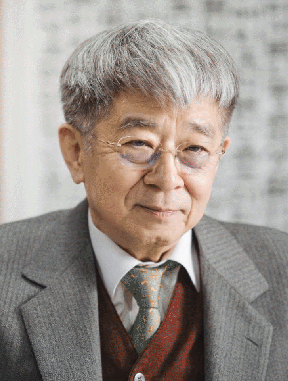
Dr. Han Kyung-Koo was the Secretary-General of the Korean National Commission for UNESCO from December 2020 to December 2024. As a cultural anthropologist trained at Seoul National University (M.A.) and Harvard University (Ph.D.), Dr. Han taught anthropology at Kangwon National University and helped develop the Division of International Studies at Kookmin University as its dean. In 2009, he joined the newly founded College of Liberal Studies of Seoul National University and served as its dean. Dr. Han also served as a member of the Korean National Commission for UNESCO, the Policy Planning Committee of the Korean Federation for the Environmental Movement, and the Presidential Commission on Sustainable Development. He has also served on the editorial boards of the Korea Journal, Sahoewa Yeoksa (Society and History), and Cross-Currents: East Asian History and Culture Review. He was also the Editor of Hanguk Munhwa Inryuhak (Korean Cultural Anthropology) and the Korean Social Science Journal. Dr. Han was President of the Korean International Migration Studies Association, the Korean Society of Education for International Understanding, and the Association for the Studies of Korean abroad, as well as Vice President of the Korean Society for Cultural Anthropology, and the Korean Association for Environmental Sociology.

The Promised Republic:

Program Brief

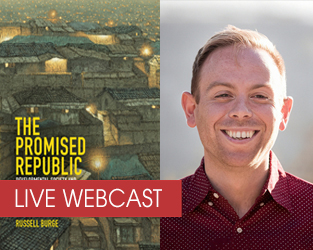
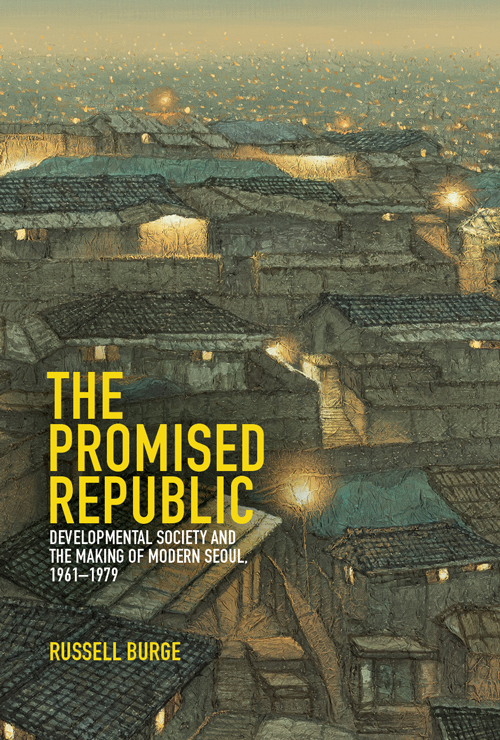
The Promised Republic

During a discussion of his book, The Promised Republic: Developmental Society and The Making of Modern Seoul, 1961-1971, Dr. Russell Burge challenged elite-driven narratives of South Korea’s “Miracle on the Han” by demonstrating how the urban poor in Seoul’s shantytowns (panjachon) actively shaped developmental politics through a rich archive of memoirs, interviews, and photographs.

This program was hosted by the Korea Society as part of the Kim Koo Professional Series.

Key Takeaways

1. Bottom-up Agency Versus the Elite-Driven Narrative

Dr. Burge observed that the prevailing understanding of South Korea’s economic miracle overlooks the marginalized communities that helped drive developmental politics. Focusing on the urban poor in Seoul’s panjachon, or shantytowns, his research revealed that mass urban migration was primarily driven by the structural fallout of post-colonial land reform, rather than simple wartime instability. Land reform failures shattered the traditional rural safety net, pushing millions into cities as they faced heavy state taxes and plummeting grain prices driven by imports. These urban migrants became day laborers who physically built the nation’s infrastructure while actively resisting state efforts to demolish their homes.

2. The Political Weaponization of Populist Promises

A central dynamic of Korean urban politics in the 1960s and 1970s was the tension between populist and disciplinary developmentalism. During election cycles, the ruling party secured votes from shantytown residents by appealing to populist sentiments and using extra-legal promises, such as Mayor Kim Hyonok’s 1967 housing amnesty pledge. When the state backtracked, shantytown communities mobilized around these broken pledges, weaponizing the state’s own populist rhetoric to claim a moral right to their land and extract structural concessions.

3. Joint Redevelopment and the Division of Owners and Renters

Under the authoritarian Yushin regime of the 1970s, the state shifted its tactics from targeting shantytowns for being illegal to condemning them as economically inefficient. This paved the way for the 1980s mechanism of joint redevelopment, a corporate model that successfully aligned the interests of the government, construction corporations, and local property owners into a cooperative profit-sharing system. This system successfully co-opted corporations and shanty owners, but systematically excluded propertyless renters, fracturing social cohesion and triggering intense urban resistance on the eve of the 1988 Seoul Olympics.


About the Speaker:

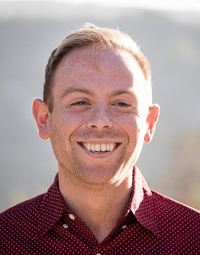
Russell Burge is Korea Foundation Assistant Professor of Korean History at Indiana University Bloomington. He holds a B.A. in Art History from UCLA, an A.M. in Regional Studies East Asia from Harvard, and a Ph.D. in History from Stanford. Prior to starting at IU Bloomington, he was a Council on East Asian Studies postdoctoral associate at Yale University.