Northeast Asia Regional Review

Following on the historic Obama-Xi summit in California, in anticipation of the late June Xi-Park summit, and in marking the 60th anniversary of the end of the Korean War, The Korea Society hosts several prominent voices on Asia. The National Committee on American Foreign Policy’s Don Zagoria, Evans Revere, Ambassador Winston Lord and The Korea Society President, Ambassador Mark Minton (Moderator), address Northeast Asia relations today. The speakers share perspectives on the recent China-U.S. summit and upcoming Korea-U.S. summit, the security challenge posed by North Korea, and coordination among Washington, Seoul, Tokyo and Beijing. 

{youtubegalleryid=8,4}


Media may query policy@koreasociety.org for additional details.


June 14, 2013

9:30 AM | Registration

10:00 AM | Discussion 

with

Donald S. Zagoria, Senior Vice President, National Committee on American Foreign Policy
Evans Revere, Senior Fellow, Brookings Institution
Ambassador Winston Lord, Co-chairman, International Rescue Committee
Ambassador Mark Minton, President, The Korea Society (Moderator)


Shifting Balance, Forcing Change

General (Ret.) Walter “Skip” Sharp calls for enhanced international cooperation and coordination to shift the strategic balance in Northeast Asia and force change in North Korea. As Honorary Chair of the 60th Anniversary of the Korean War Commemoration Committee, he reflects on shared sacrifice and upcoming observances to commemorate the end of the War.

{youtubegalleryid=7,4}


Thursday, May 23, 2013

5:00 PM | Registration
5:30 PM | Discussion

with

General Walter L. Sharp, former Commander of U.S. Forces Korea

Moderated by Dr. Stephen Noerper, Senior Vice President, The Korea Society


South Korea’s Presidential Inaugural and Next-Steps in Korea-U.S. Relations

Experts reflect on President Park Geun-hye inauguration, promises of greater “economic democracy” at home and a new trustpolitik with the North, and relations with the U.S. Stanford University’s David Straub, The Council on Foreign Relations’ Scott Snyder, and Yonsei University’s John Delury address these issues, with an eye toward evolving regional dynamics.


Park’s Inaugural: North Korea Policy
Park’s Inaugural Address
Park’s Inaugural: Challenges Ahead
 
Report from Korea’s Presidential Inaugural


Thursday, February 28, 2013


5:00 PM | Registration
5:30 PM | Discussion


South Korea’s Presidential Inaugural and Next-Steps in Korea-U.S. Relations

with

Scott Snyder
Senior Fellow for Korea Studies, Council on Foreign Relations

David Straub
Associate Director of Korean Studies Program, Stanford University

John Delury
Assistant Professor of East Asian Studies, Yonsei University

Moderated by Dr. Stephen Noerper
Senior Vice President, The Korea Society


If you have any questions, please contact Nikita Desai or (212) 759-7525, ext. 355.

2011: Korea-US/US-Korea Business Councils


2011 James A. Van Fleet Award 
2011 vanfleet award korea-us banner


Hyun Jae-Hyun is chairman of Tong Yang Group, a South Korean conglomerate primarily engaged in financial services and cement manufacturing, in addition to production and sale of home appliances, construction, industrial engineering, information technology, textiles, and leisure. Hyun spearheaded the Group’s radical transformation from a cement-based manufacturer to a finance-based service provider, which now includes investment banking, asset management, and life insurance. Prior to joining Tong Yang in 1977, Hyun served two years as public prosecutor at the Public Prosecutor’s Office in Busan and three years as judge advocate officer in the Korean Navy. Hyun holds a number of civic and professional appointments that include, among others, chairman of Korea-U.S. Business Council, vice-chairman of the Federation of Korean Industries, and member of the Trilateral Commission Pacific Asia Group. From 1996 to 2008, Hyun served as one of three members on the Korean delegation of the Asia-Pacific Economic Cooperation (APEC) Business Advisory Council (ABAC). In 2005, he was appointed chairman of ABAC when Korea was host economy to APEC and duly chaired the APEC CEO Summit that year. Alongside his dedication to work, Hyun is committed to serving his community as chairman of the Youth Hope Foundation, a non-profit organization providing education to underprivileged children. Hyun received his bachelor’s and master’s degrees in law from Seoul National University. He earned his MBA, Class of ’81, from the Stanford Graduate School of Business. Hyun currently lives in Seoul with his wife and four children.


2011 vanfleet award us-korea banner


Bill Rhodes is president and CEO of William R. Rhodes Global Advisors, LLC, and professor-at-large at Brown University. He is also Senior Advisor for Citi, having most recently served as Senior Vice Chairman, Citigroup and Citibank. Mr. Rhodes gained a reputation for international financial diplomacy in the 1980s as a result of his leadership in helping manage the external-debt crisis that involved developing nations and their creditors worldwide. During that period and in the 1990s, he headed the advisory committees of international banks that negotiated debt-restructuring agreements for Argentina, Brazil, Jamaica, Mexico, Peru, and Uruguay. In 1998, when the Republic of Korea experienced liquidity problems, he chaired the international bank group that negotiated the extension of short-term debt of the Korean banking system. Among his many roles, Mr. Rhodes serves as Chairman of the U.S.-Korea Business Council, a Director of The Korea Society, and as a member of President Lee’s Council of Global Advisors.


Read Morehttp://sb6.koreasociety.org/components/com_jce/editor/tiny_mce/plugins/article/img/readmore.png);”>


CITATION


For over 20 years, the U.S.-Korea Business Council and the Korea-U.S. Business Council have facilitated business relations between the United States and Korea and provided crucial mechanisms for Korean and American businesses to form long-term partnerships. Made up of senior executives from Korean and American companies, the Councils have worked together to promote the bilateral relationship at the highest levels, develop trade strategy, and strengthen friendships and mutual understanding.

The Korea-U.S. Free Trade Agreement, a market-opening pact that promises new opportunities for two-way trade and investment, represents the latest effort of a membership devoted to expanding the economic ties between the peoples of the United States and Korea.

When General James A. Van Fleet, for whom this award is named, founded The Korea Society, Korea’s economy had been devastated by war. Today, the Republic of Korea boasts the world’s 15th largest economy and is the United States’ 7th largest trading partner. The members of the Korea-U.S. and U.S.-Korea Business Councils have contributed to an economic miracle that provides innumerable benefits to the peoples of both countries.

Through their steadfast advocacy of two-way trade and investment, the Korea-U.S. Business Council and the U.S-Korea Business Council have made indispensable contributions to the bilateral relationship, and exemplify the leadership, partnership, and creativity of Koreans and Americans working together.

For all these reasons, The Korea Society is delighted to present the 2011 James A. Van Fleet Award to the U.S.-Korea Business Council and the Korea-U.S. Business Council.

Chairman Hyun Jae-Hyun will accept the award on behalf of the Korea-U.S. Business Council.

Chairman William R. Rhodes will accept the award on behalf of the U.S.-Korea Business Council.


The Religious Revolution in Modern Korean History

2009 05 05 ReligiousRevolutionIcon

On May 5, 2009, Don Baker, Associate Professor in the Department of Asian Studies at the University of British Columbia, spoke about the history of Christianity and religion in Korea with Fred Carriere, The Korea Society’s Executive Vice President. The interview is in support of ‘Missionary Photography in Korea: Encountering the West through Christianity,’ an exhibition previously on display at The Korea Society Gallery.

The arrival of the first Western missionaries in Korea in the late 19th century was a pivotal moment in the history of Christianity in Korea and the history of Korea as a whole. The missionaries established new religious identities and stoked early culture clashes. They also documented their mission and the society around them with early cameras. Missionary Photography in Korea: Encountering the West Through Christianity—the largest ever show of Korean missionary photographs in the U.S.—features rare images taken by missionaries in Korea between 1890 and 1940.

Taken by both Protestant and Catholic missionaries, the photographs—on display along with unique supplementary objects such as an original photo album and New Year’s calendars—offer a singular perspective on life in Korea during times of profound change. They illustrate the forging of contemporary institutions and values in the crucible of encounters with American Christian missionaries by Koreans.

The impact of early Western contact on Koreans is evident in the telltale signs of new cultural norms and new religious identities, and clues that these new ways were conflicting with long-held traditions. Less directly evident, but equally important, the images also allow the viewer to surmise how Koreans in turn had a formative impact on the missionaries, which led to intertwined personal histories that became a foundation for subsequent relations between Korea and the United States.

Drawn from four private collections and six academic archives, the images have been digitally restored and printed in a manner that retains, as far as possible, the archival quality of the images.

Purchase the 184-page hardcover exhibition catalog here.

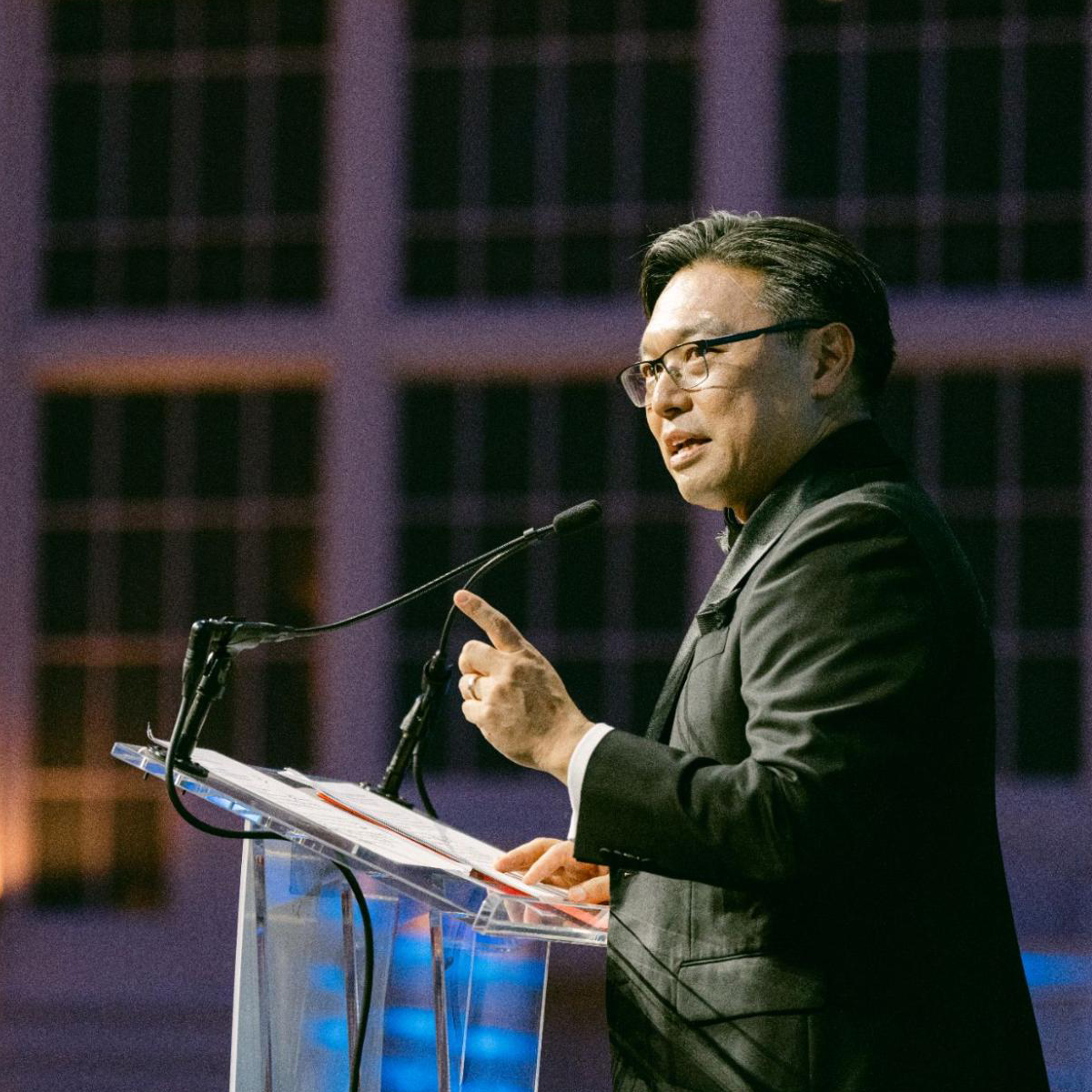
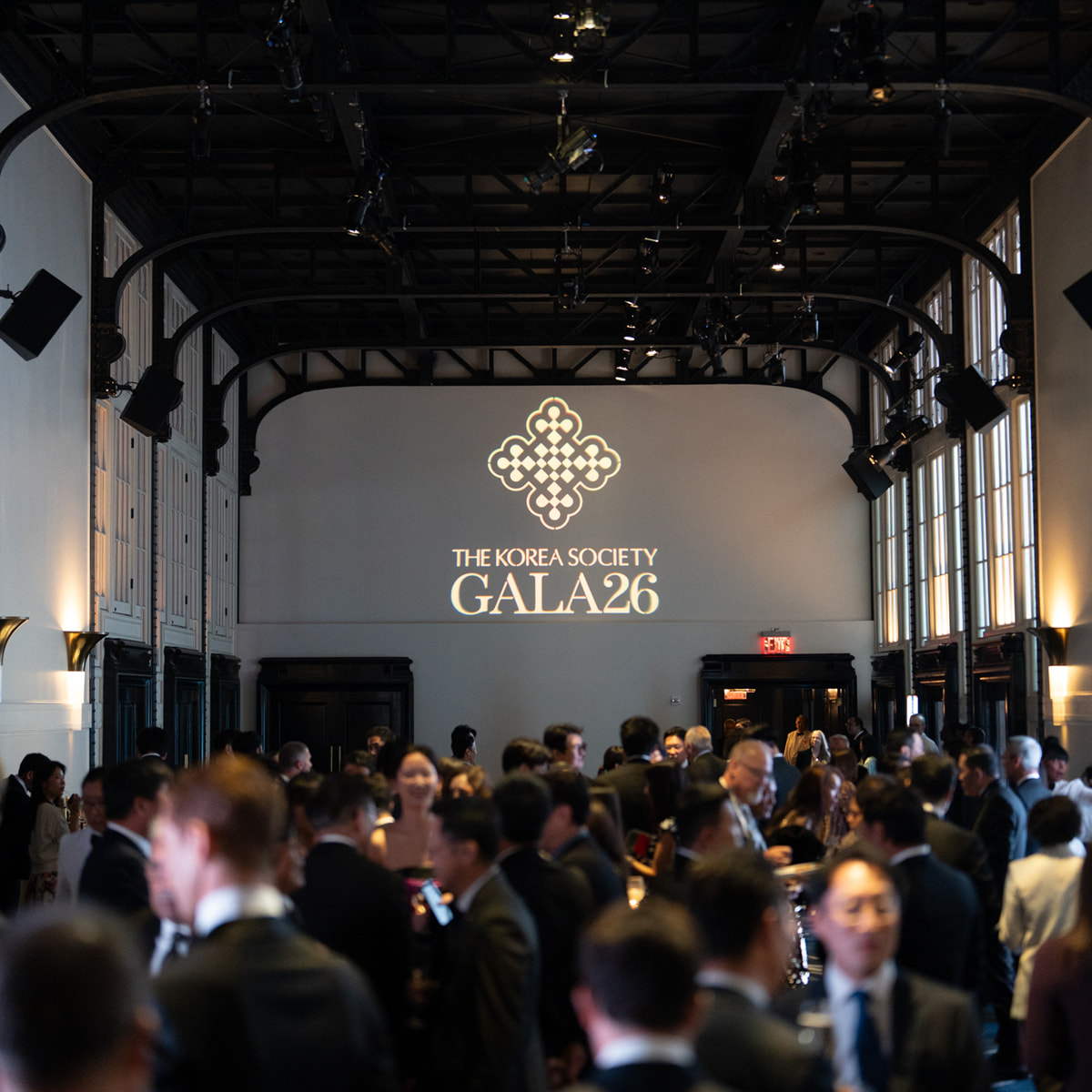
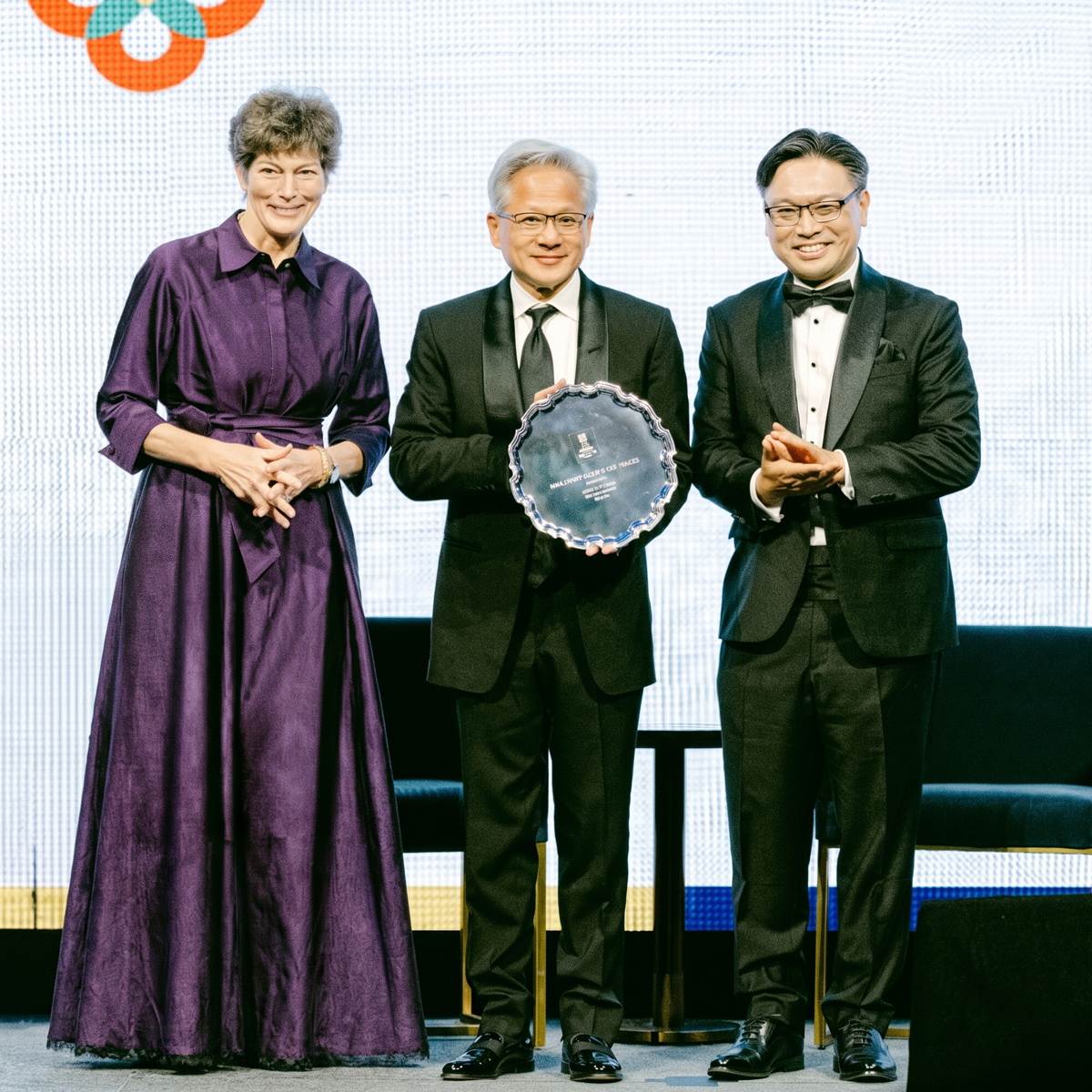
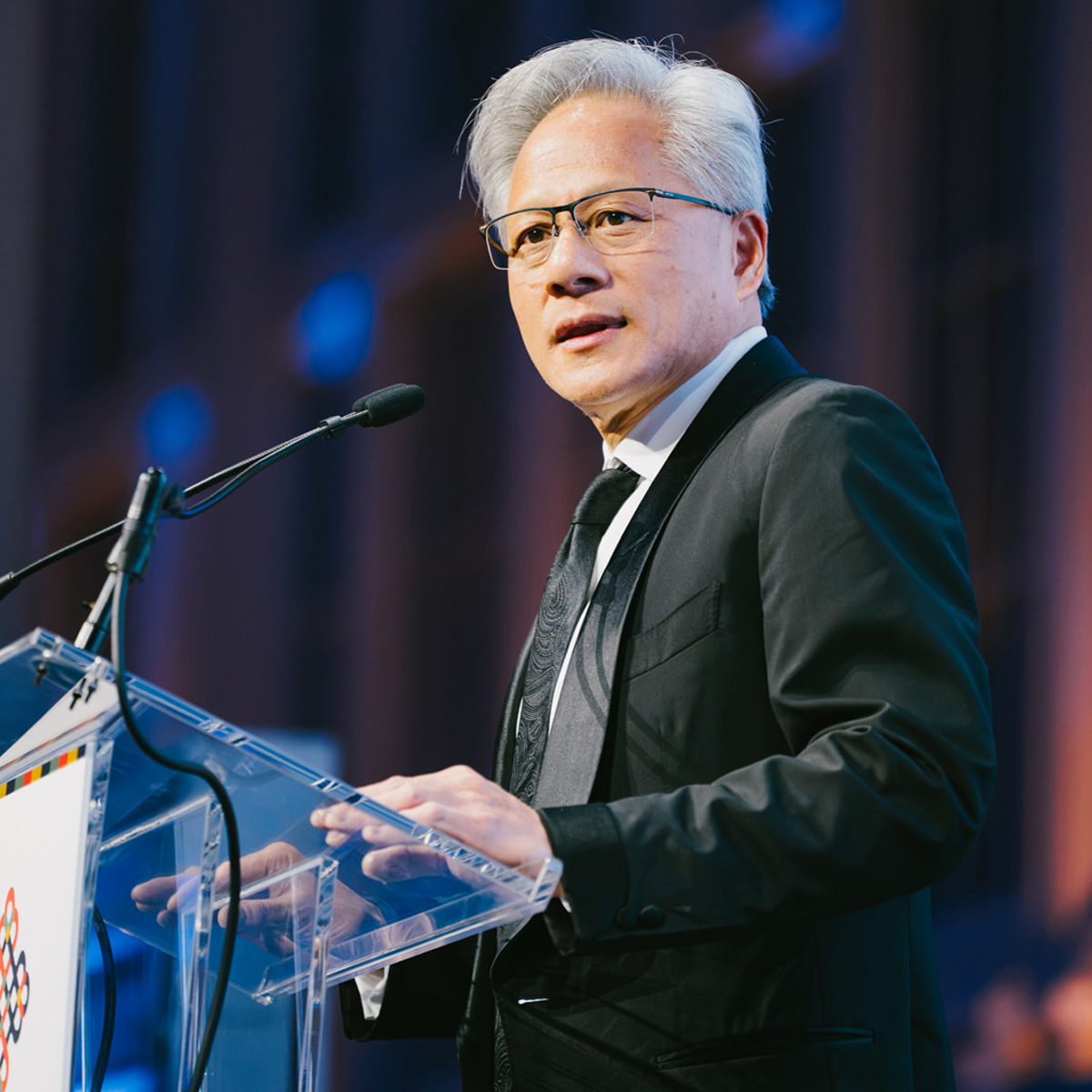
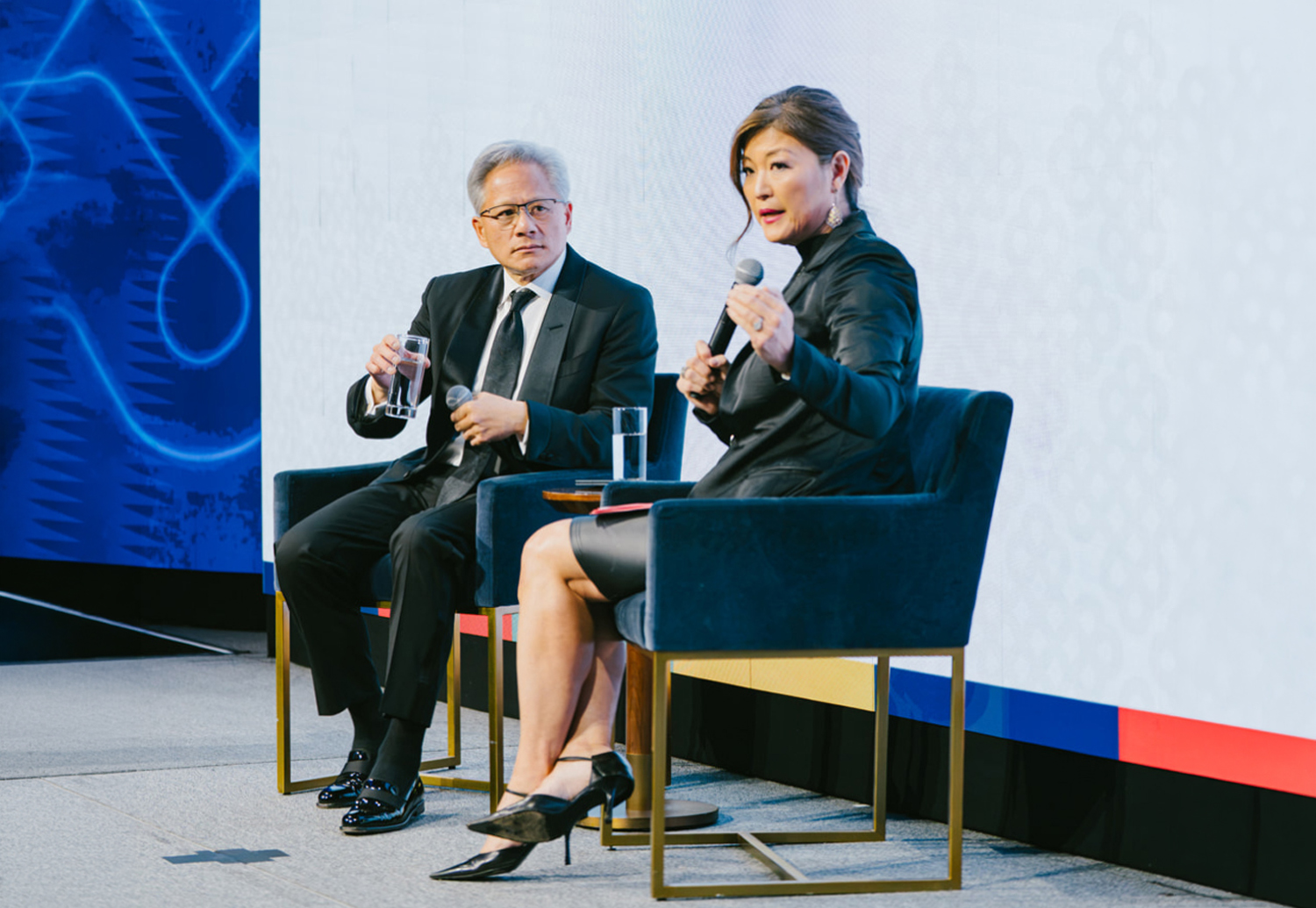
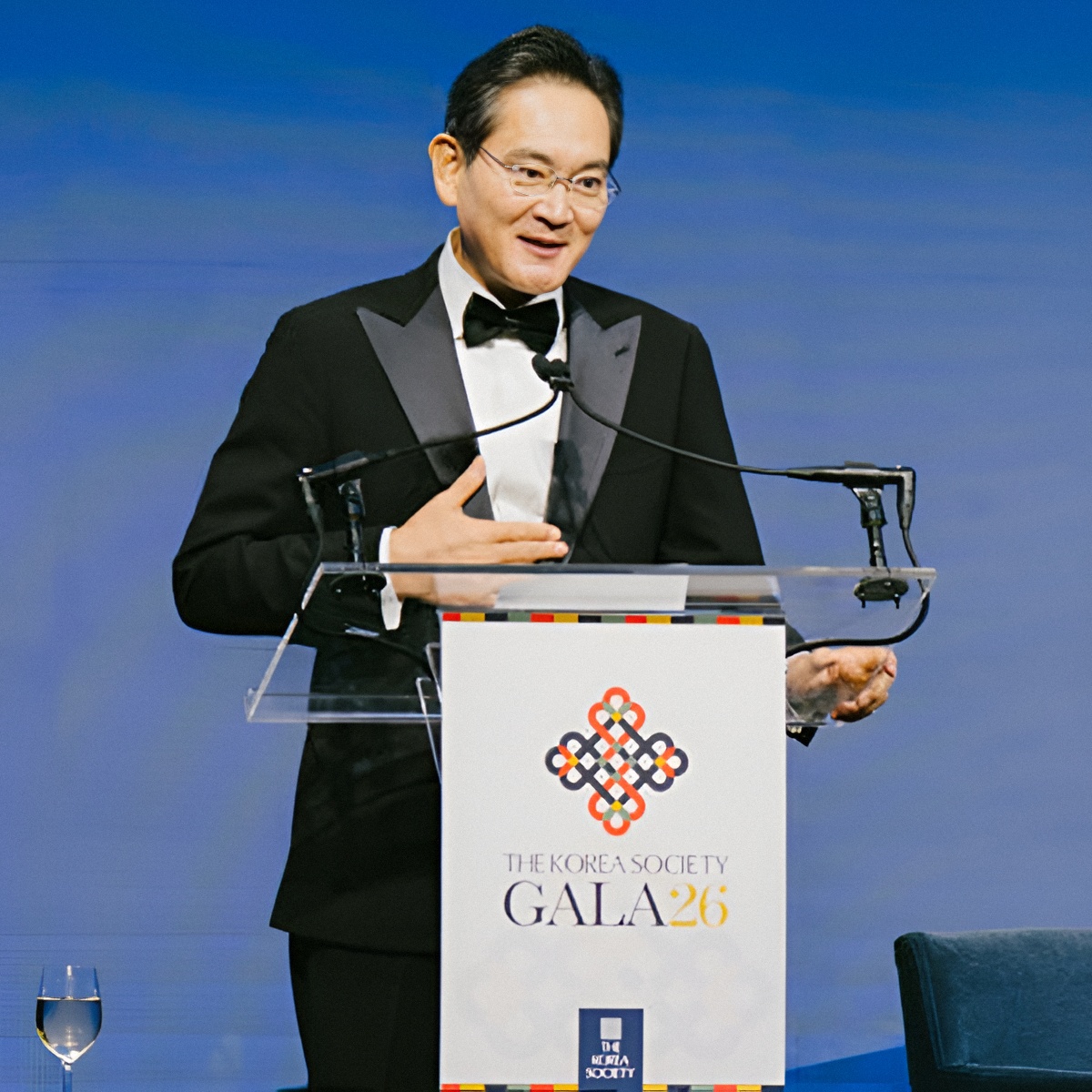
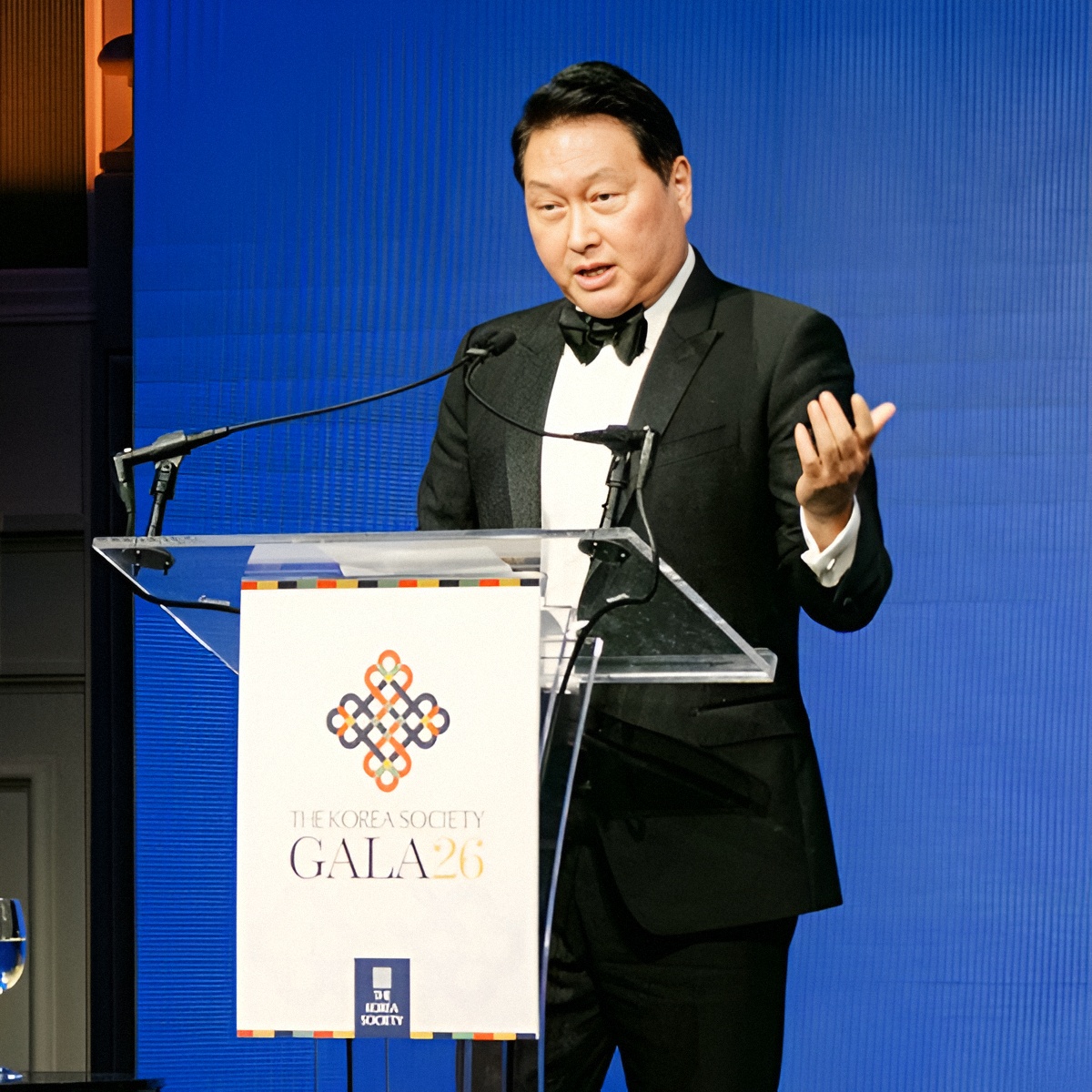
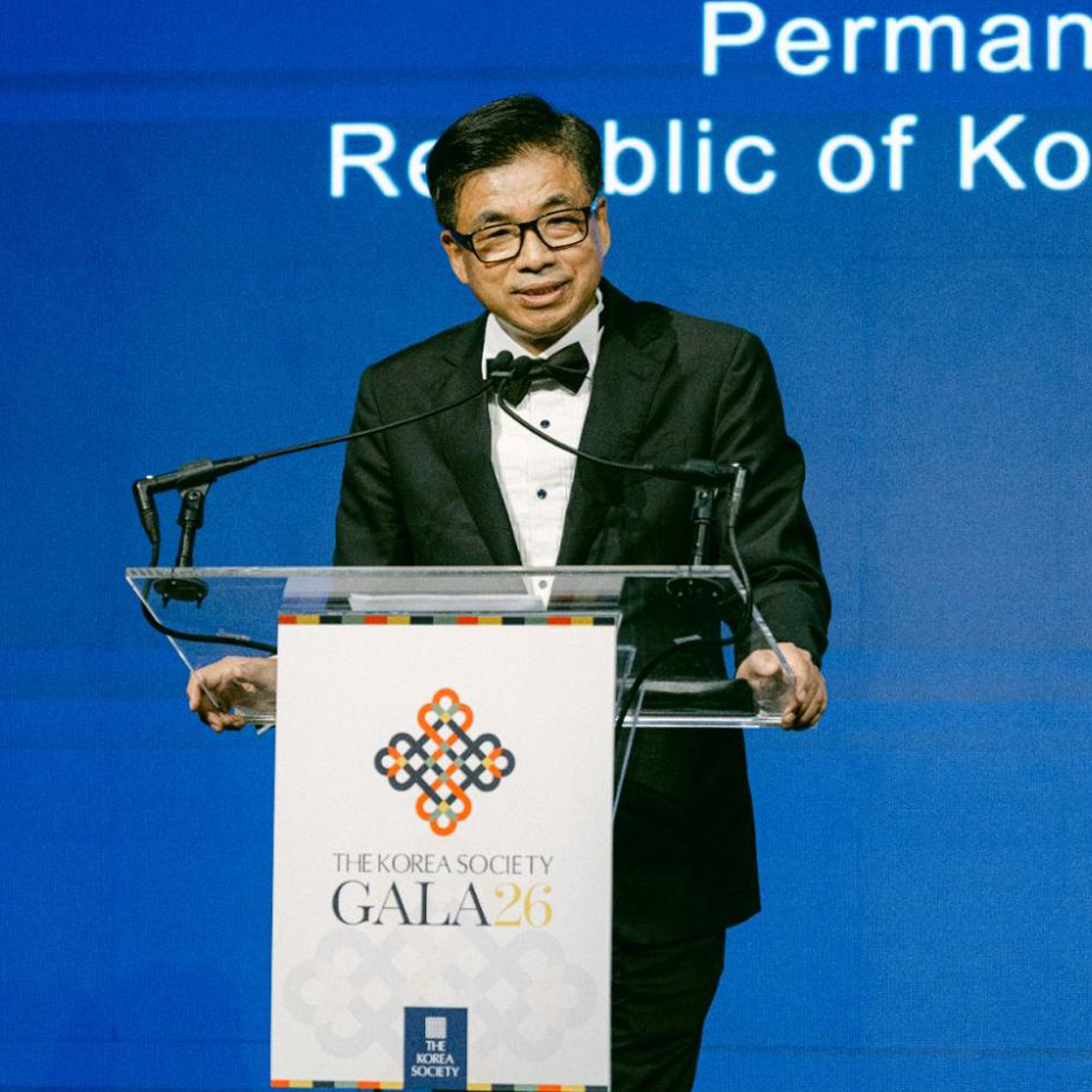
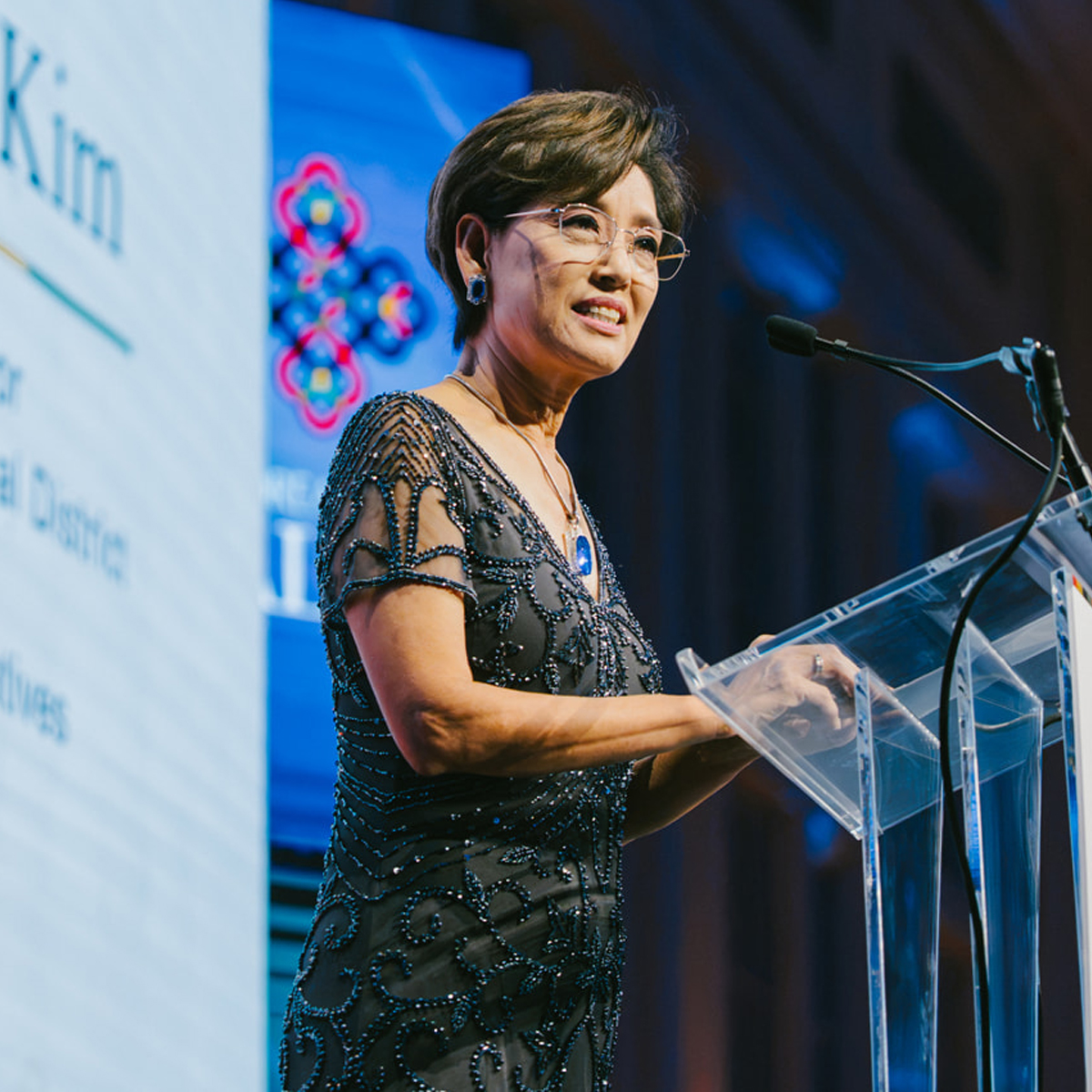
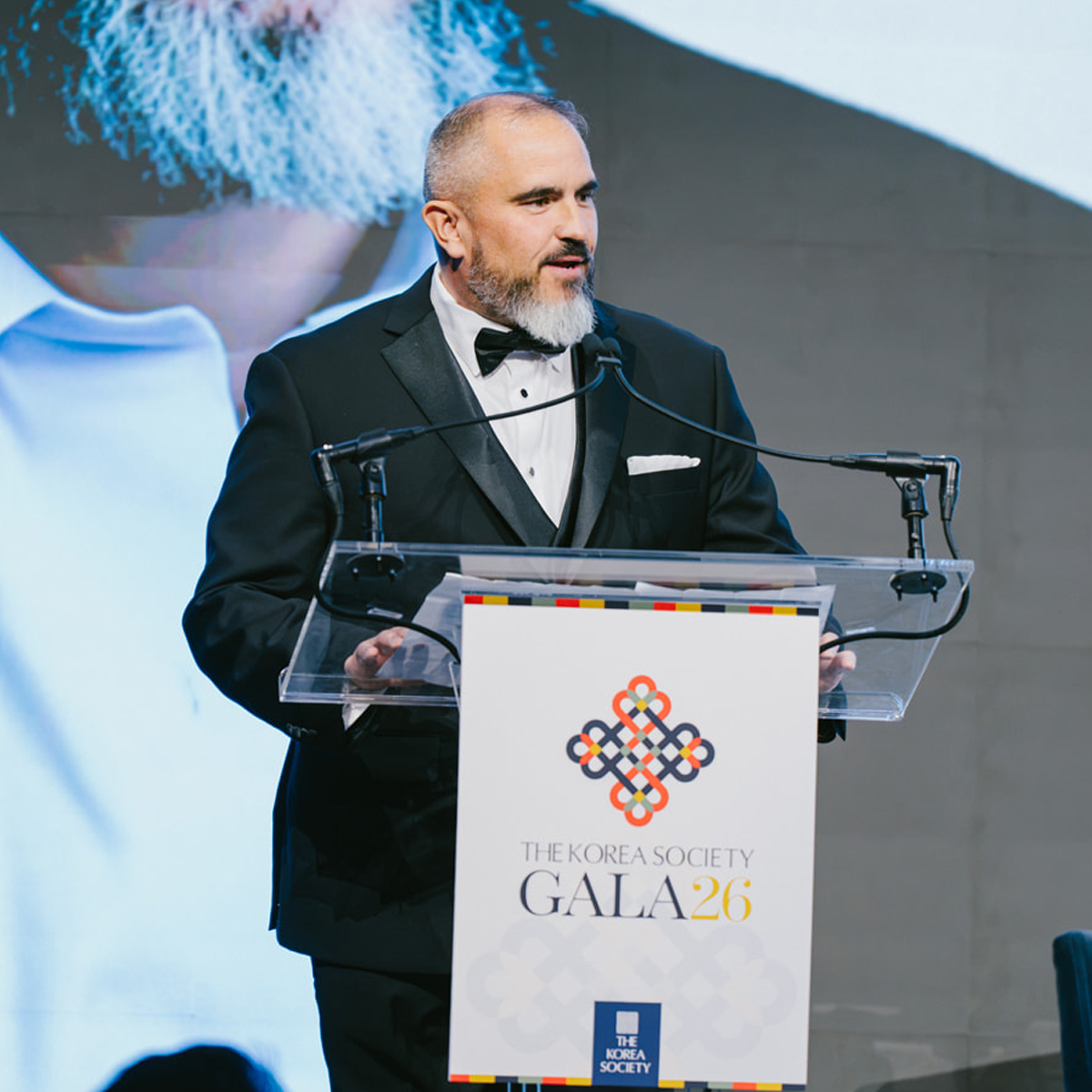
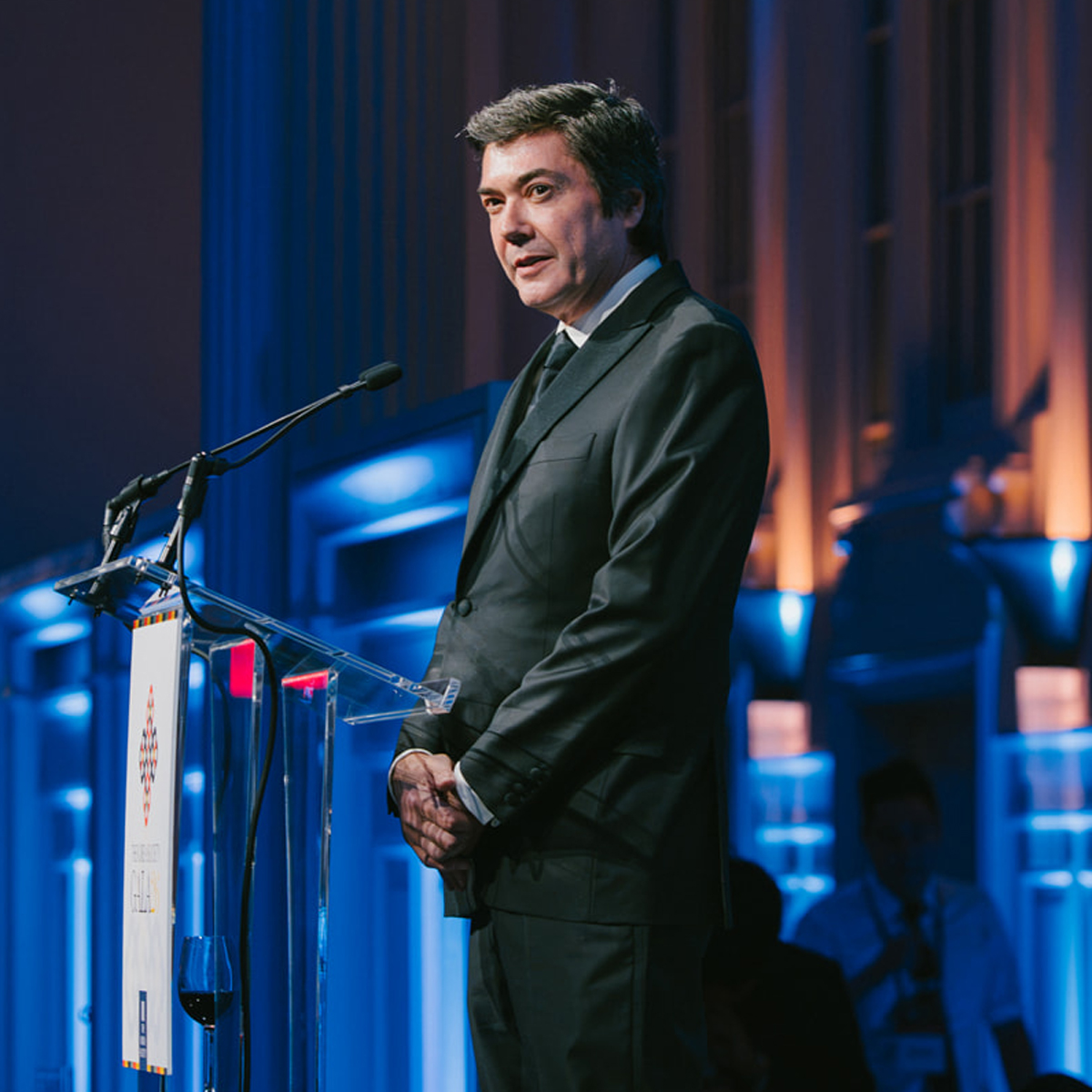
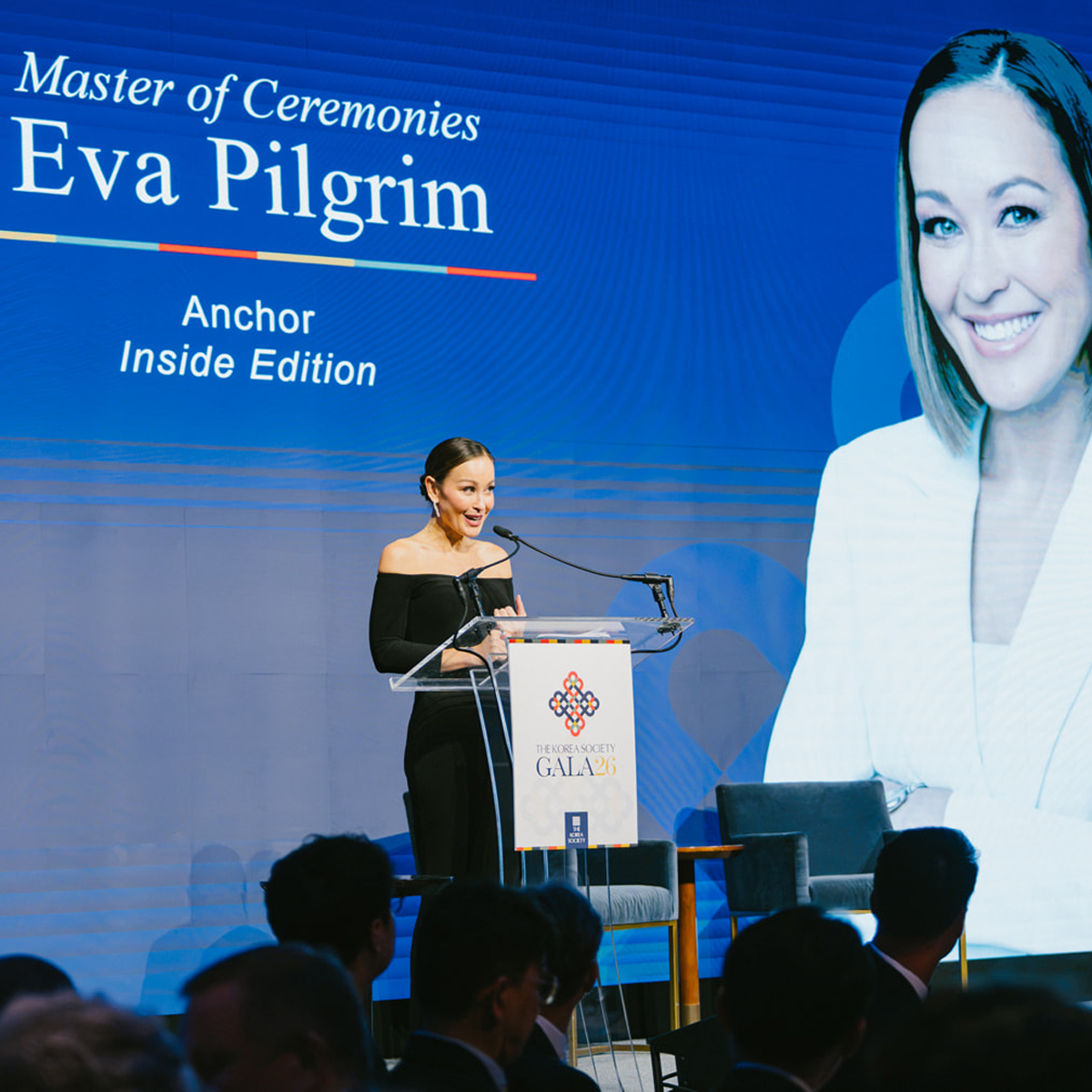
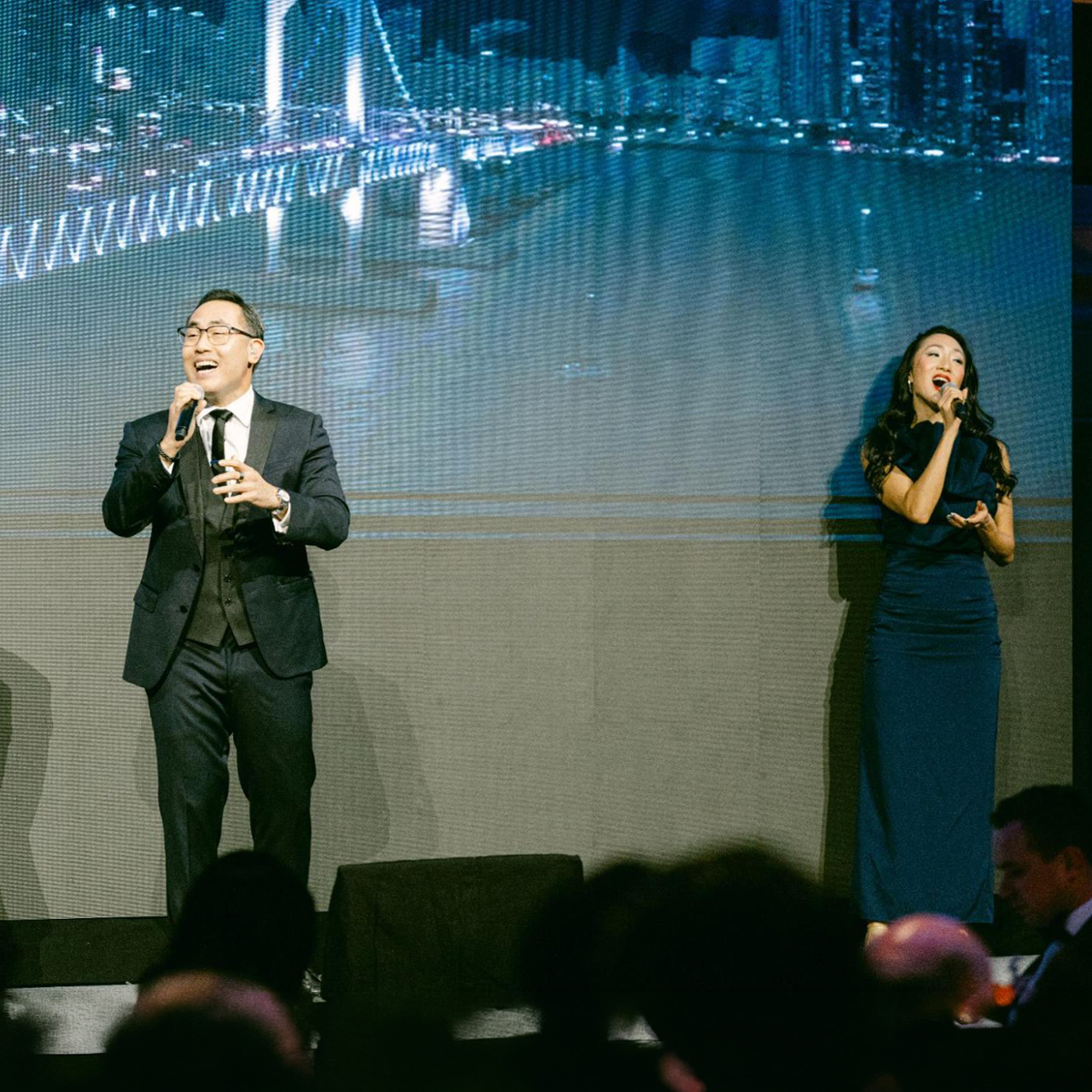
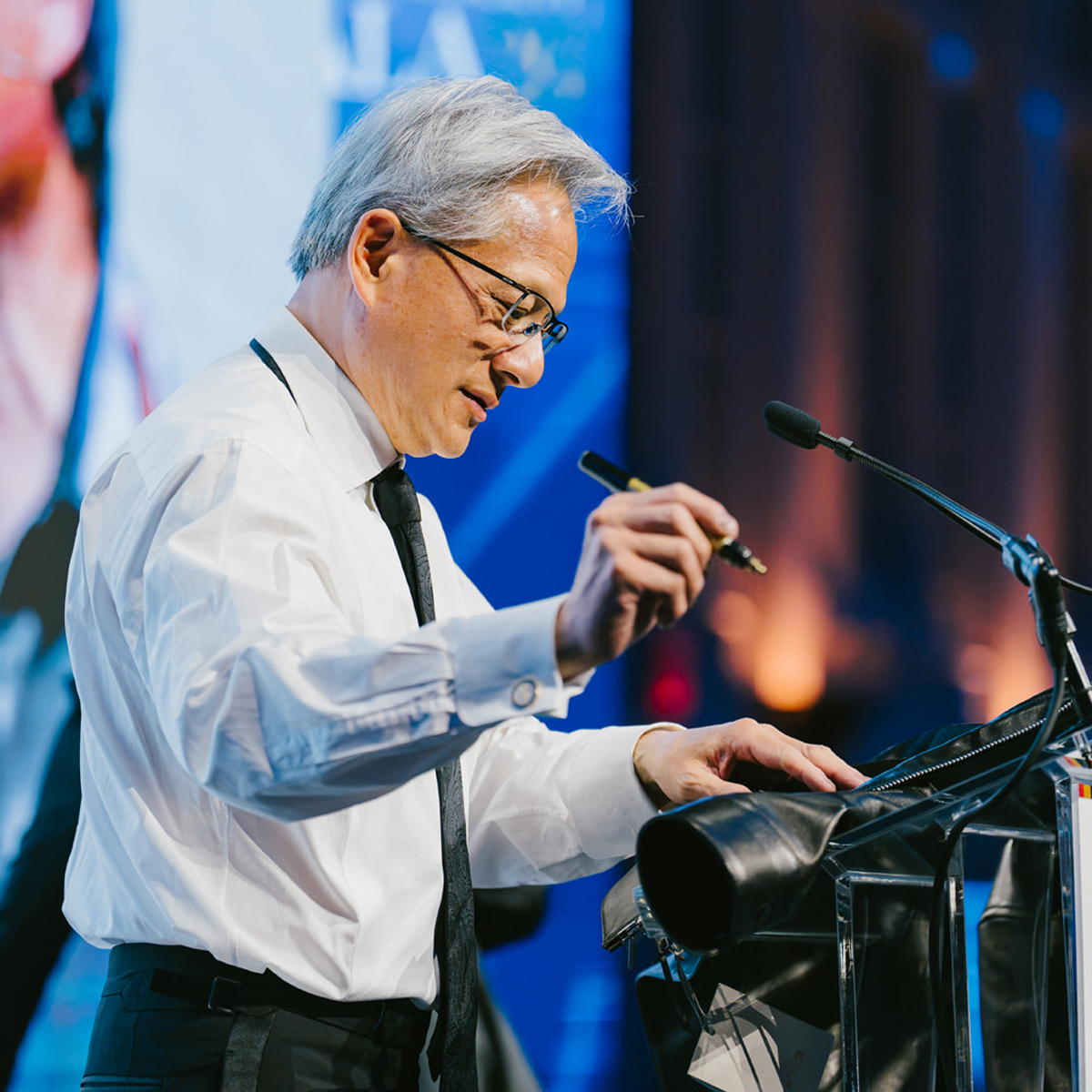
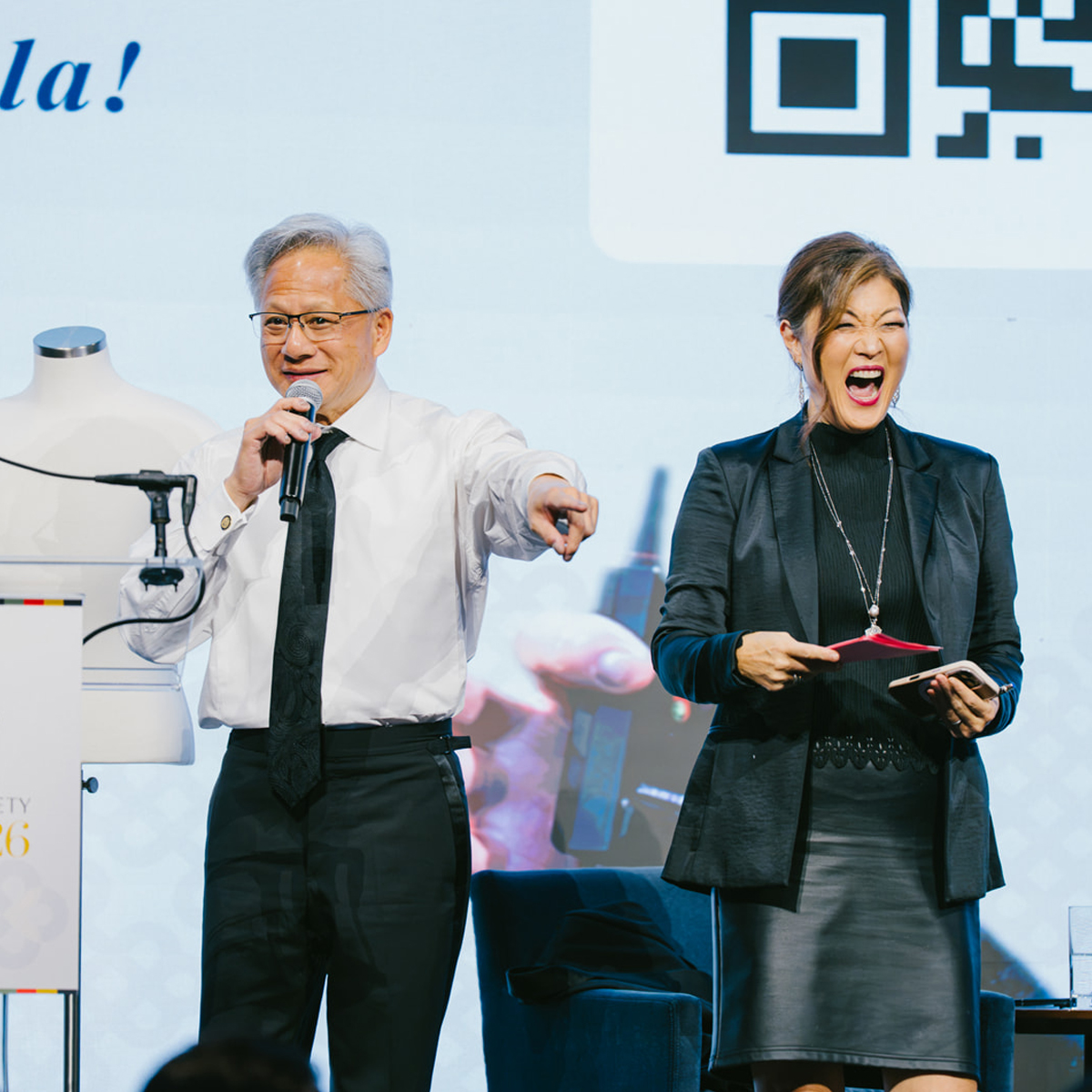
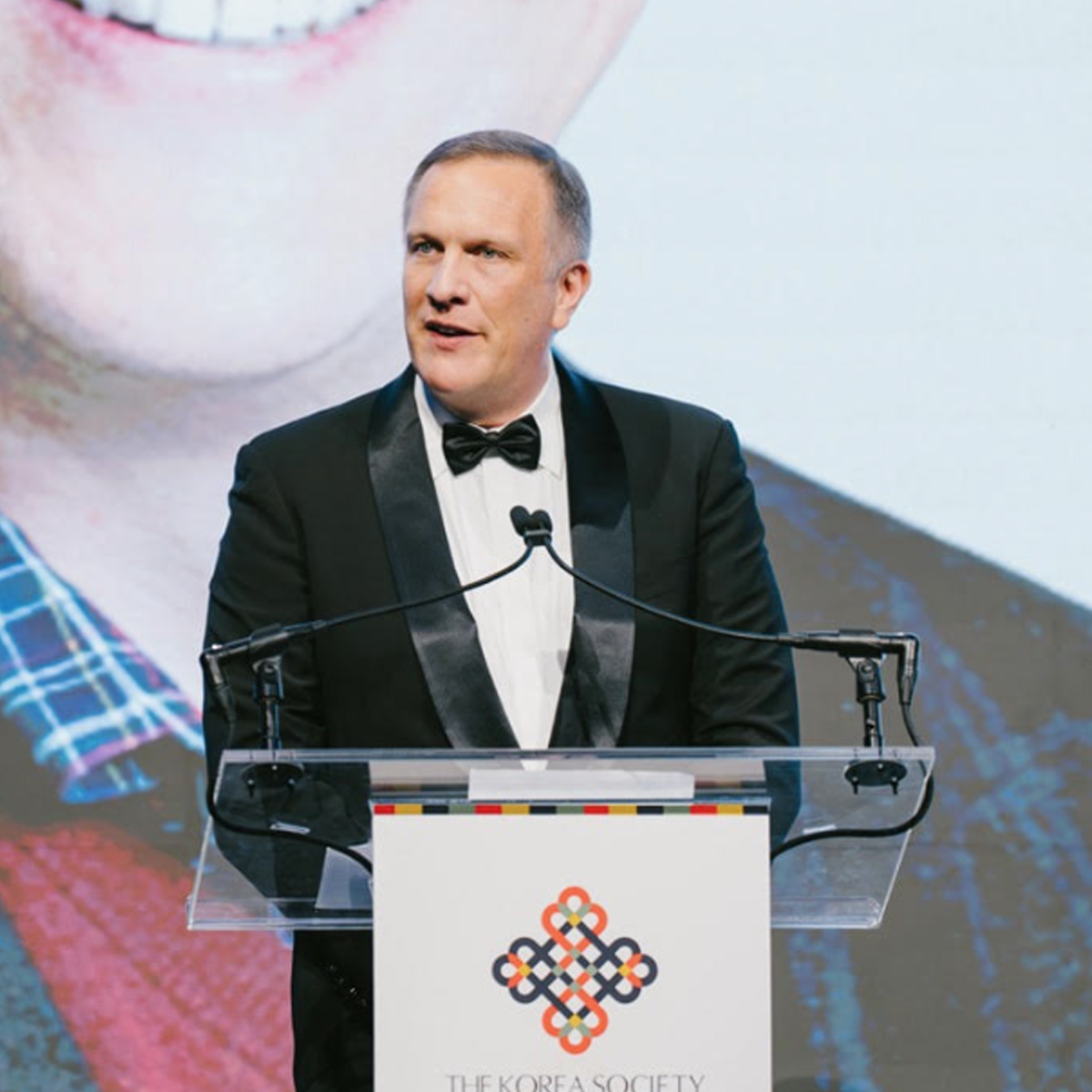
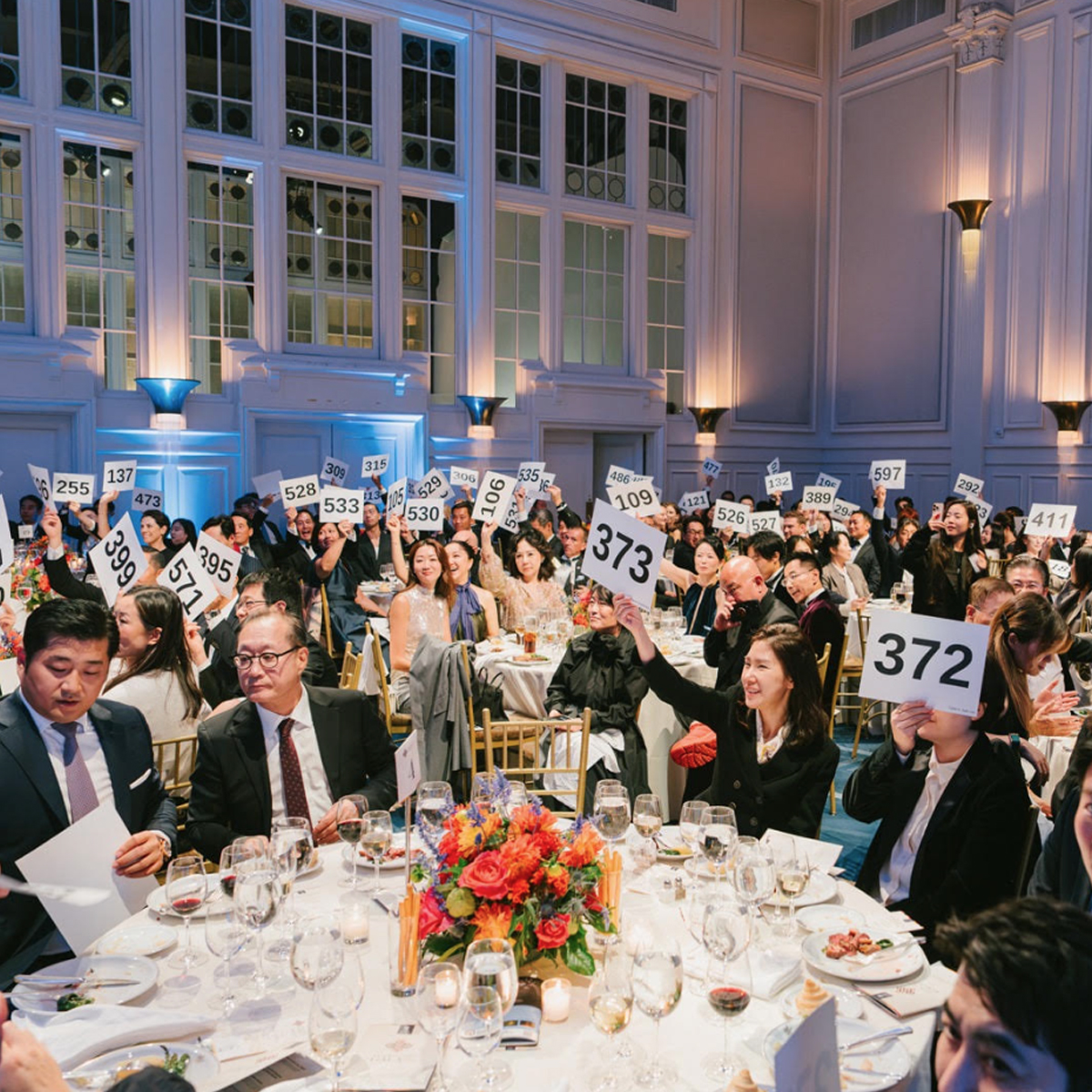
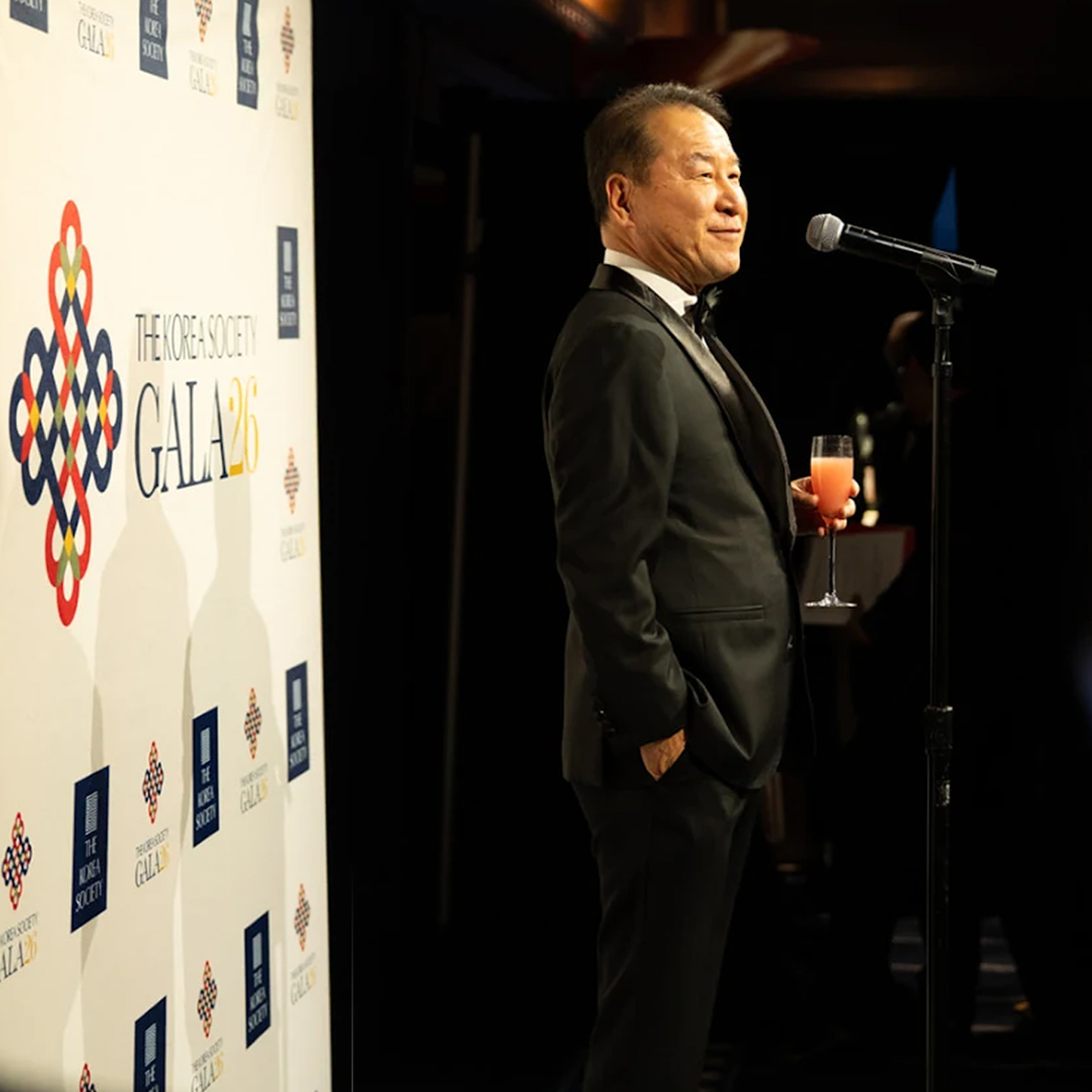
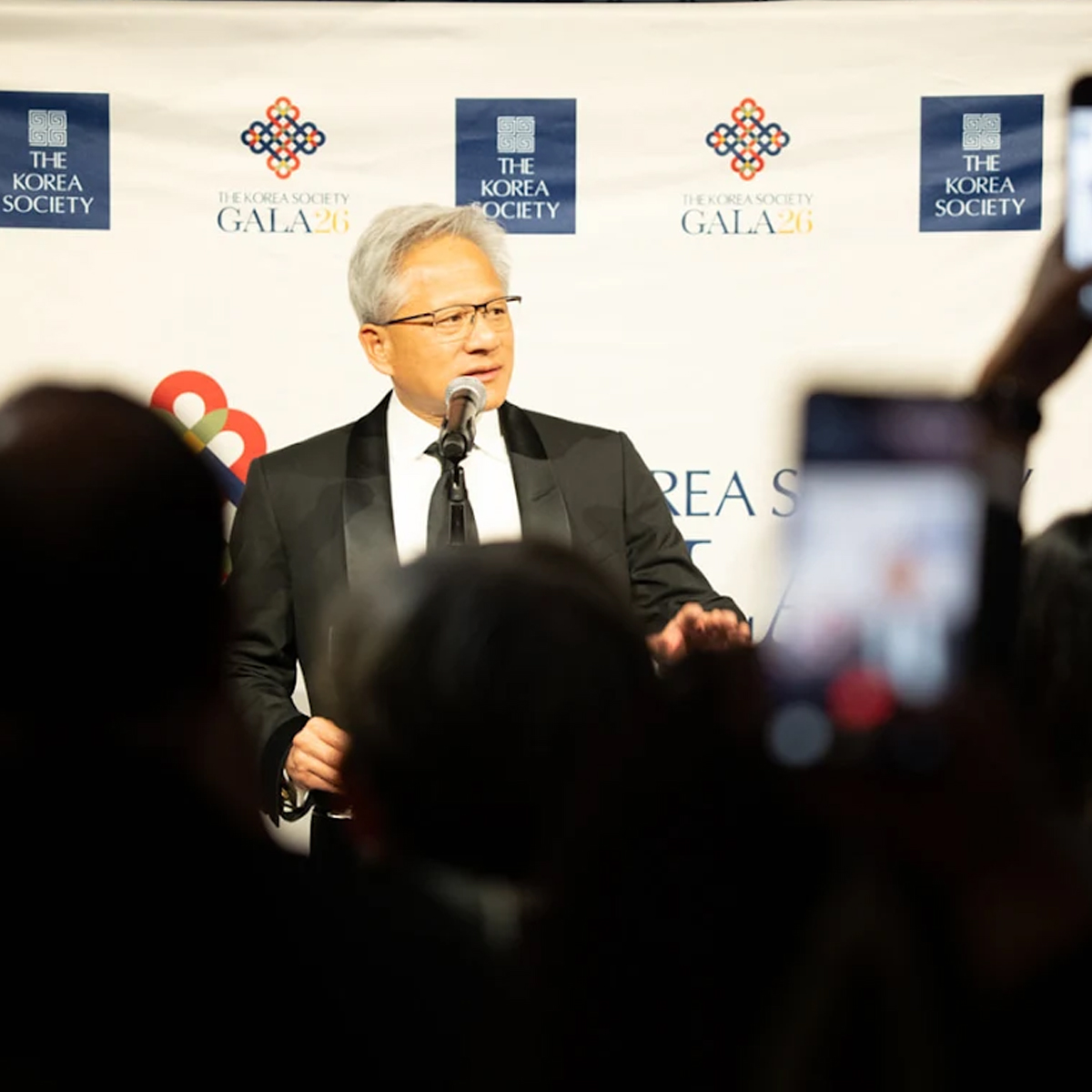
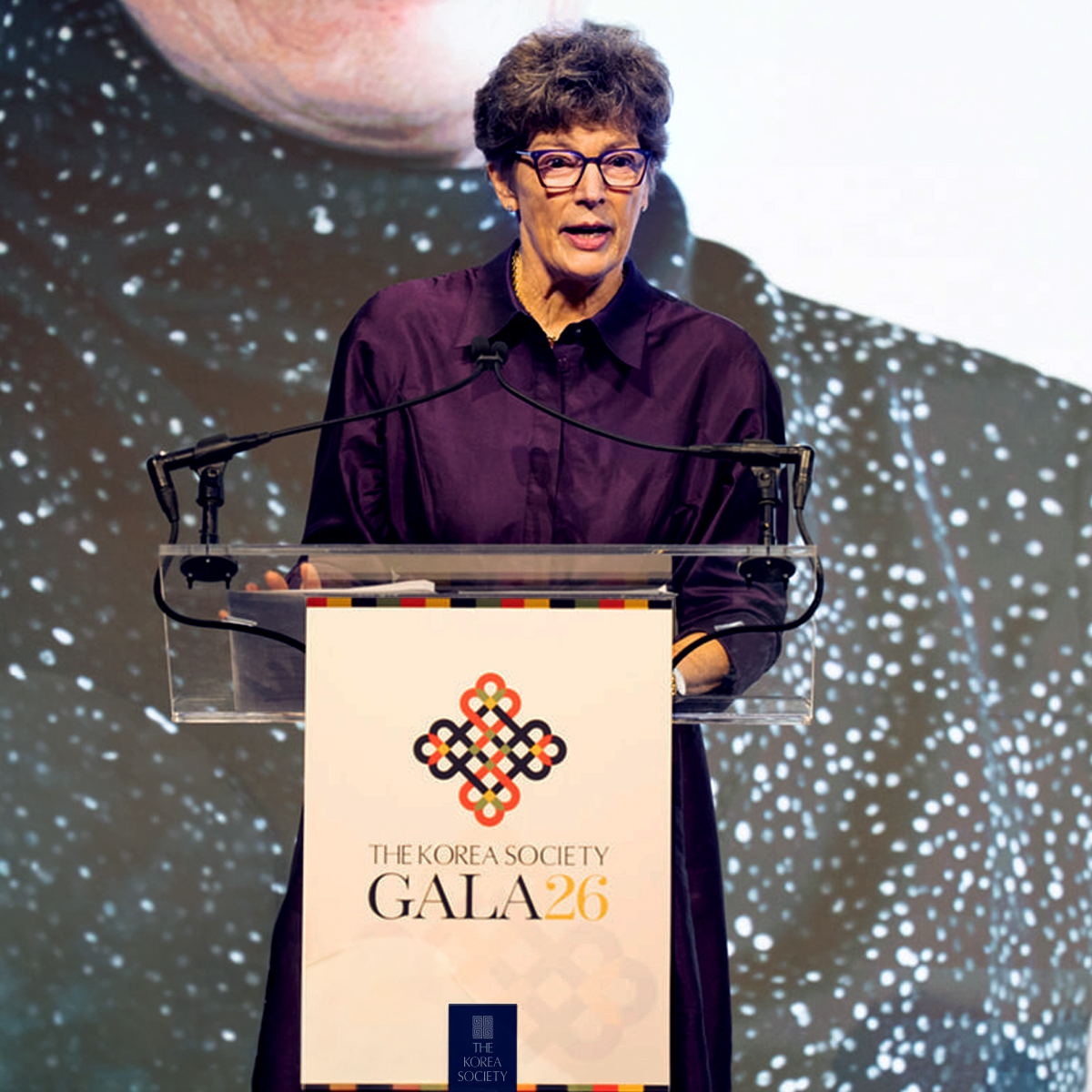
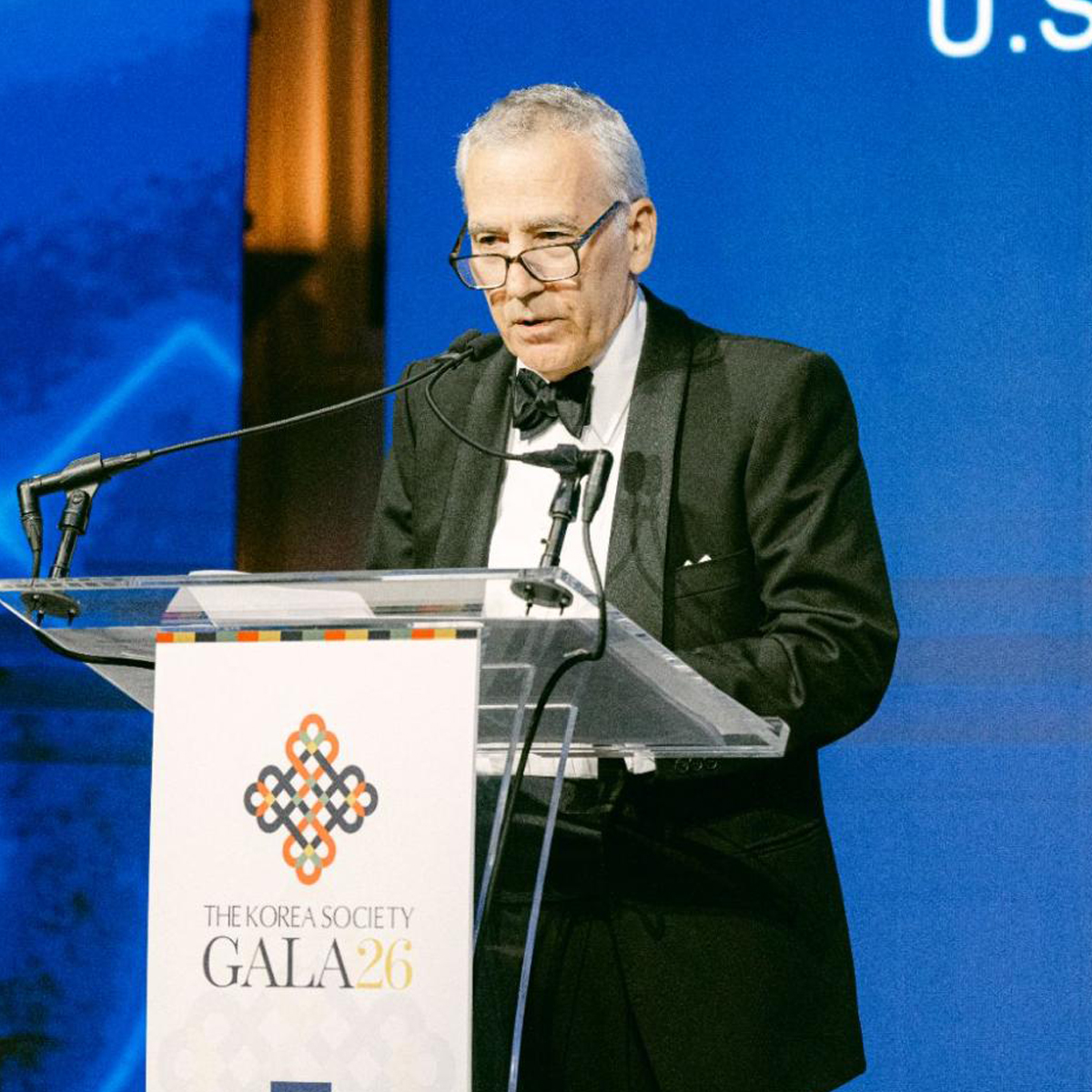
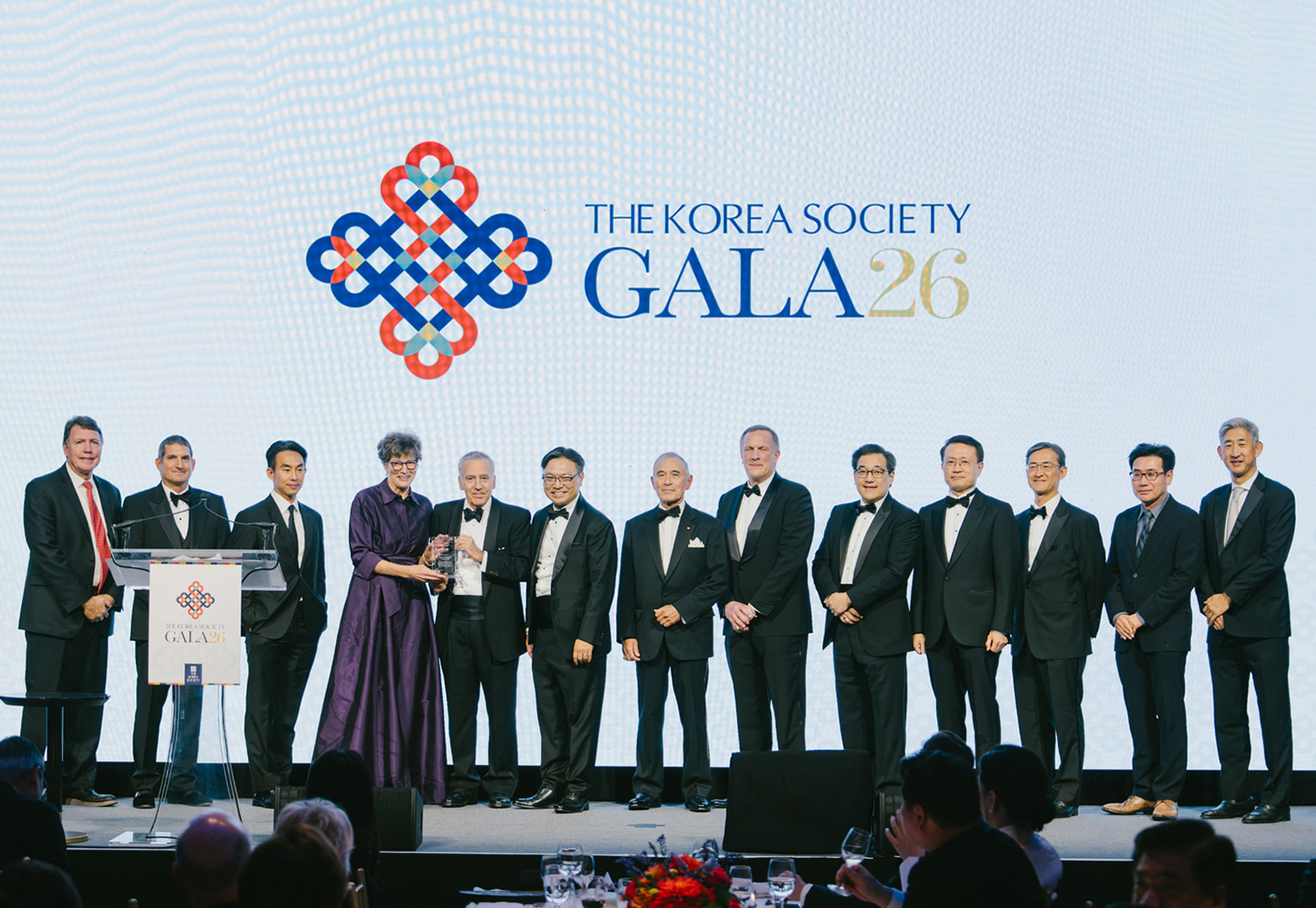
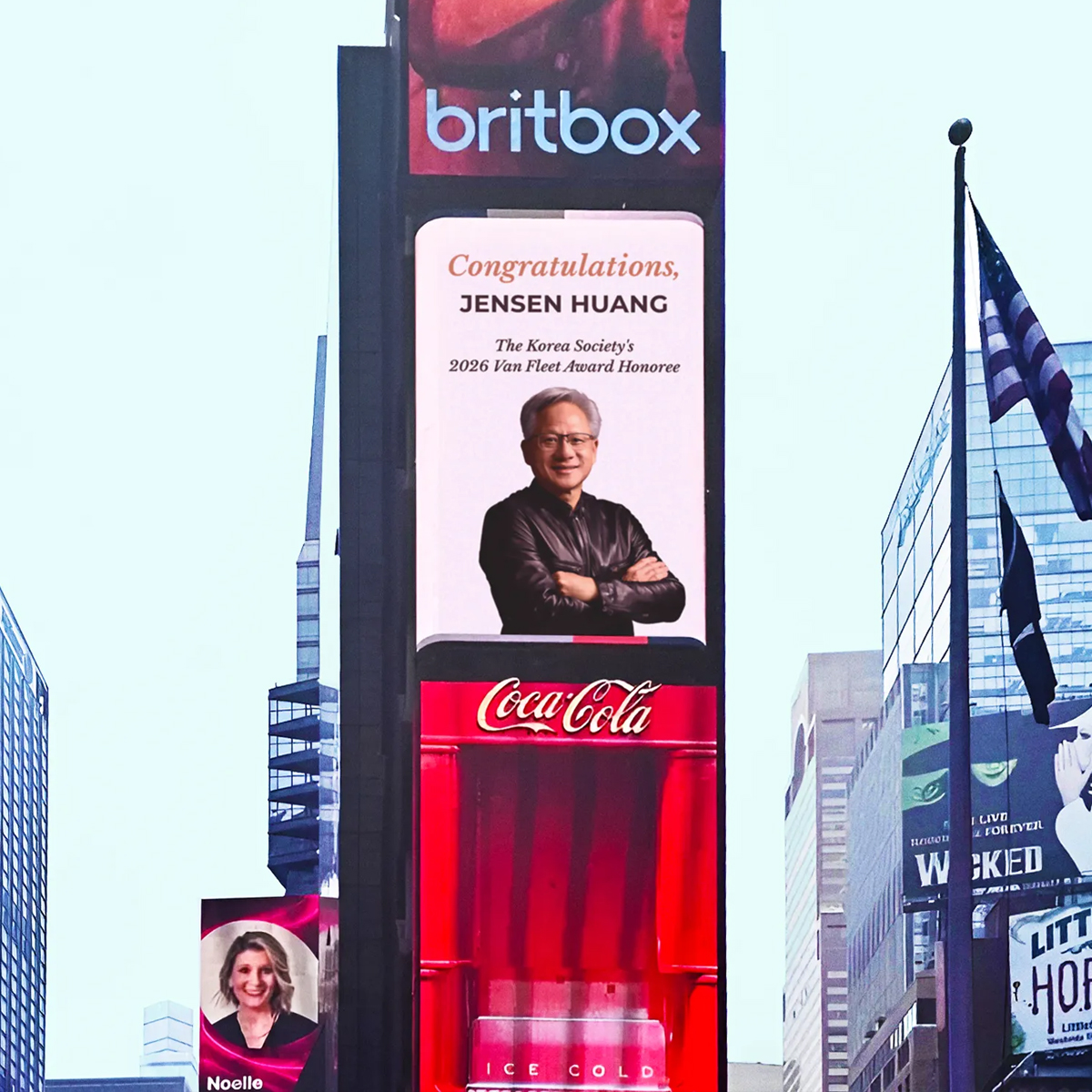
2026 Annual Gala Recap

Thank you for making the 2026 Annual Gala a record-breaking night for the U.S.–Korea partnership. ͏ ͏ ͏ ͏ ͏ ͏ ͏ ͏

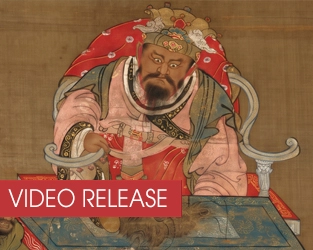
Ten Kings of Hell:
The Afterlife in Medieval Korea

Image Credit: The Cleveland Museum of Art

Organized in partnership with the National Museum of Korea, the Cleveland Museum of Art presents Ten Kings of Hell: The Afterlife in Medieval Korea, an exhibition that explores the artistic legacy of the Goryeo dynasty (918–1392), posing daring questions: How did medieval Koreans envision the world beyond death and how did works of art and materiality shape and reflect that imagined realm?

Presenting an exceptional array of important artworks, including the CMA’s recent acquisitions—the Fourth King of Hell from the late 1300s, the Knife Sheath from the 1100s (Apollo’s Acquisition of the Year Award 2022), and the Kṣitigarbha Bodhisattva from the 1300s—the exhibition unfolds across three interlocking sections, each illuminating the soul’s passage from death through purgatory to the Buddhist paradise. At its dramatic center is the historic reunification of a dispersed set of 10 hanging scrolls from the 1300s depicting the 10 Kings of Hell. Brought together for the first time since the 1960s, the scrolls offer a rare opportunity to experience the set’s panoramic sequence of judgment, atonement, and salvation.

Among its most compelling narratives, the exhibition examines how sociopolitical upheavals and environmental pressures shaped medieval Korea’s deep preoccupation with purgatorial afterlife—not only as a moral and devotional terrain but also as a response to broader natural forces, from climatic volatility during the Little Ice Age to the devastating reach of the Black Death. A select group of contemporary artworks is also included to underscore the enduring resonance of humanity’s existential concerns. 

Featuring more than one hundred works drawn from leading public and private collections in Korea, Japan, the United States, and the United Kingdom, Ten Kings of Hell: The Afterlife in Medieval Korea is accompanied by a substantial, richly illustrated catalogue, anchored in the contributing scholars’ shared commitment to transregional and interdisciplinary investigation.

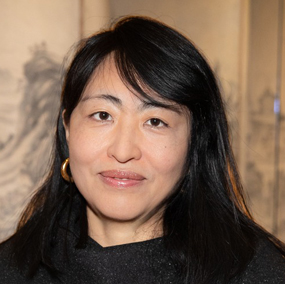
In a conversation with The Korea Society, Sooa Im McCormick, Korea Foundation Curator of Korean Art at the Cleveland Museum of Art, explores the art from the Goryeo dynasty and this landmark exhibition.


Speaker

Sooa Im McCormick

Sooa Im McCormick joined the Cleveland Museum of Art in 2015 and is primarily responsible for the Korean art collection. McCormick holds a PhD from the University of Kansas, and an MA in art history from Rutgers, the State University of New Jersey. She also completed graduate coursework in art history at Hongik University, Seoul, where she focused on Chinese and Korean art.

At the CMA, she has curated the exhibitions
Chaekgeori: Pleasure of Possessions in Korean Painted Screens and Gold Needles: Embroidery Arts from Korea (Arlene M. and Arthur S. Holden Textile Gallery and Korea Foundation Gallery, March 8−July 26, 2020). As a cutting-edge scholar, she has published a number of articles that deal with the intersections between art and ecology and the issues of gender and diversity.

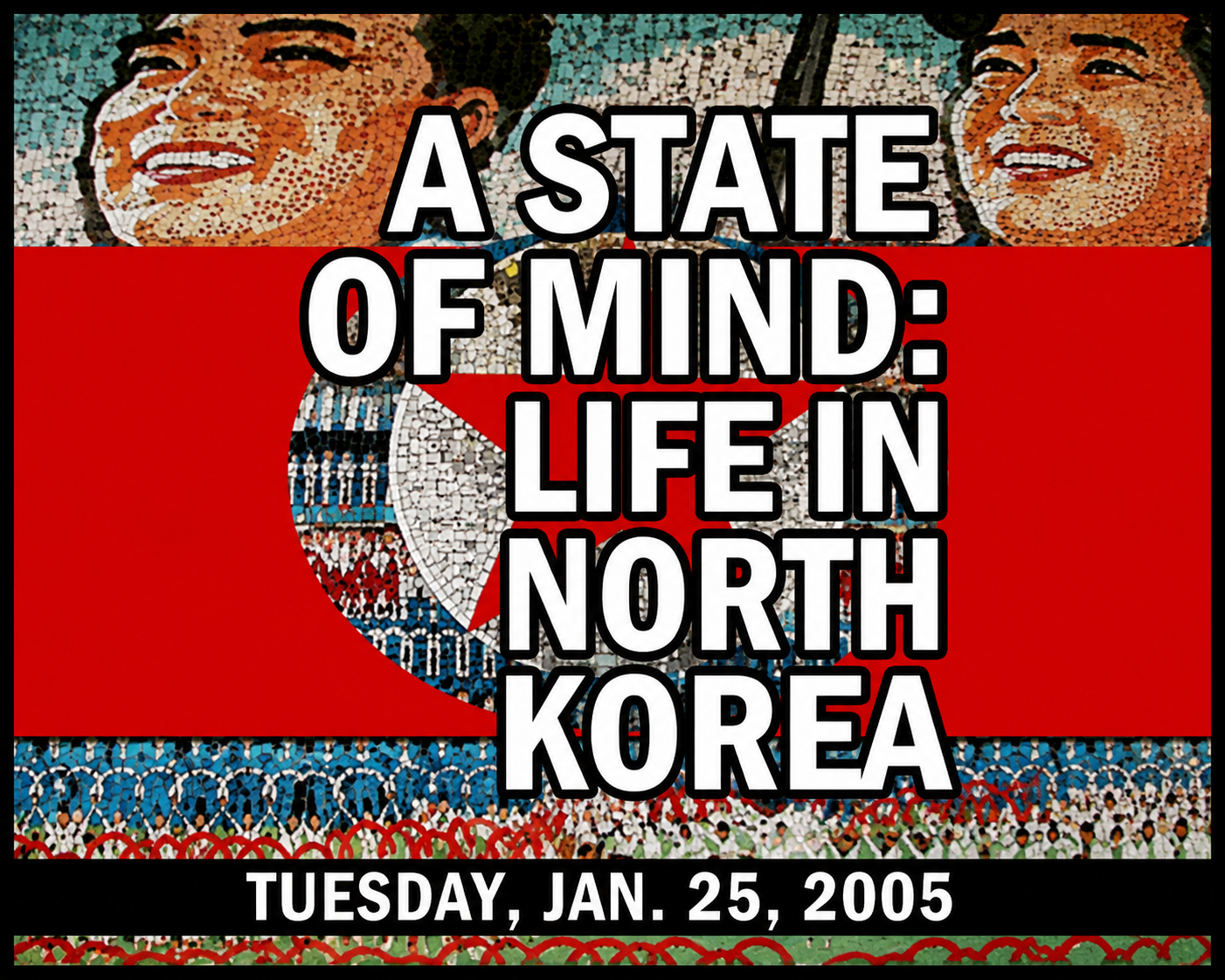
A State of Mind: Life in North Korea

 2005 01 25  StateofMind icon

This program featured the screening of a documentary by award-winning producers Dan Gordon and John Battsek, which premiered on the PBS program, Wide Angle, on September 11, 2003. The documentary provides a rare, and surprising, glimpse into the individual and family life underneath the monolithic veneer of North Korean society. A Q&A session with Charles Armstrong, associate professor, Department of History, Columbia University, and Wide Angle Executive Producer Stephen Segaller followed the screening. Ambassador Donald P. Gregg served as the moderator for the program.

Tuesday, January 25, 2005

A State of Mind: Life in North Korea

with

Charles Armstrong
Associate Professor, Department of History, Columbia University,

Stephen Segaller
Executive Producer, Wide Angle

Moderated by

Donald P. Gregg
Ambassador

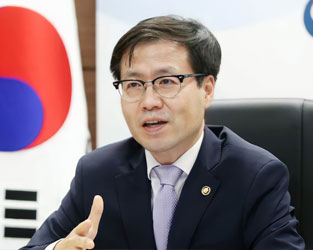
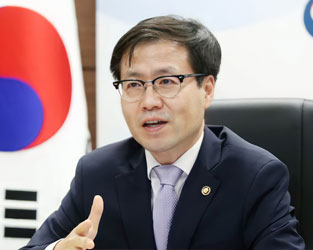
Interview with ROK Trade Minister Han-Koo Yeo

March 15, 2022 marks the 10-year anniversary of the US-Korea Free Trade Agreement (KORUS FTA). In celebration of this remarkable milestone, The Korea Society invites ROK Minister for Trade Yeo Han-koo for a conversation with Korea Society President Tom Byrne.

The discussion will assess the achievements of the first decade of the KORUS FTA and the broader effects it has had on the Korea-U.S. bilateral relationship. It will also examine future prospects of the two countries’ trade relationship and the deepening of the economic partnership between the two countries, while also examining the evolution of the trade architecture in the Indo-Pacific region.


Interview with ROK Trade Minister Yeo Han-Koo

Friday, March 18, 2022


The Korea Society
350 Madison Avenue, 24th Floor
New York, NY 10017


ABOUT THE SPEAKER:

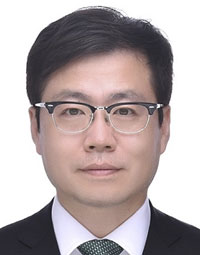
H.E. Yeo Han-koo
Minister for Trade
Republic of Korea


 EMPLOYMENT

 
MINISTRY OF TRADE, INDUSTRY & ENERGY
Trade Minister (August 2021 – Present)

OFFICE OF THE PRESIDENT, REPUBLIC OF KOREA
Secretary to the President for New Southern and Northern Policy (July 2020 – August 2021)

MINISTRY OF TRADE, INDUSTRY & ENERGY
Deputy Minister for Trade Negotiations (March 2019 – July 2020)
Minister Counselor, Embassy of The Republic of Korea in the USA (September 2017 – March 2019)
Director General, Bureau of Trade Policy (February 2017 – September 2017)
Director General, FTA Policy Bureau (April 2016 – February 2017)
Chief, Office of Trans-Pacific Partnership (TPP)
Deputy Chief/Deputy Director General, Office of TPP (August 2014 – April 2016)
Director, Multilateral Trade Cooperation Division (March 2014 – August 2014)
Climate Change Policy Division (February 2009 – February 2010)
Free Trade Agreement Division (April 2007 – March 2008)
Foreign Investment Policy Division (May 2005 – February 2006)
Deputy Director, Foreign Investment Promotion Division (May 2004 – August 2005)
Industrial Policy Division (July 1998 – July 2000)
Small & Medium Enterprises Policy Division (December 1993 – March 1995)

WORLD BANK GROUP
(March 2010 – February 2014)
Sr. Investment Policy Officer, Investment Climate Department, CIC/FPD
NATIONAL ECONOMIC ADVISORY COUNCIL, PRESIDENTIAL OFFICE
(February 2006 – April 2007) Director, International Economy & Industrial Policy Bureau, Secretariat

KDI SCHOOL OF PUBLIC POLICY & MANAGEMENT, KOREA
(September 2005 – August 2008) Lecturer (part-time), Master of Foreign Direct Investment (MFDI) Program

KOREA & U.S. AIR FORCE COMPONENT COMMAND, KOREA
(March 1995 – July 1998). Public Affairs & Personnel Officer (1stLieutenant), Mandatory Service

 
 EDUCATION

 
Harvard Business School (2002-2004); Master of Business Administration
Harvard Kennedy School of Government (2000-2002); Master of Public Administration
Harvard Law School (2000-2001); Certificate in International Tax Program
Seoul National University (1988-1992); Bachelor of Arts in Business Administration
 
 PUBLICATION

 
Dante Roscini, Eric Werker, Han-koo Yeo, “Kaesong Industrial Complex (A), (B)”, Harvard Business School Case (N2- 710-022), April 2010
The World Bank, “Special Economic Zones”, 2011, pp.283-308 (CH.12 on Low-carbon Green Special Economic Zones)
Han-koo Yeo, “MBA Education at Harvard Business School”, Deonan Publishing Co. February 2007 (in Korean)
Han-koo Yeo, “Why did they choose mobile phones instead of shoes?”, Alma Publishing Co. October 2013 (in Korean)
 
 HONORS AND AWARDS

 
International Finance Corporation Performance Award(2013), World Bank Financial and Private Sector Development Vice President Award(2012), An Achievement Award from the President of Republic of Korea(2006), An Achievement Award from the Commerce Minister(2006), Air Force Public Affairs Officer Leadership Award(1998), Decorated for the Defense Minister’s Award(1995), An Achievement Award from the Minister of Government Administration(1993)

Make A Donation

The Korea Society
Your support strengthens U.S.–Korea relations

The Korea Society is committed to being the nation’s most trusted platform for U.S.–Korea engagement. Through policy dialogues, business and economic forums, cultural initiatives, and leadership development programs, we bring together leaders, ideas, and institutions to strengthen one of the world’s most important partnerships.

Your support makes this work possible. It enables us to deepen understanding, strengthen connections, and cultivate the next generation of Americans and Koreans who will shape the future of the U.S.–Korea alliance.

Ways to Support

The Korea Society is a 501(c)(3) nonprofit organization. Contributions are tax-deductible to the fullest extent permitted by law.

Give by Check

Please make your check payable to
The Korea Society, Inc. and mail it to:

The Korea Society, Inc.
350 Madison Avenue, 24th Floor
New York, NY 10017

Bank Transfer

For wire or ACH transfer instructions, please contact us.

Donor-Advised Fund

Use your Donor-Advised Fund (DAF) to support The Korea Society. Learn more about DAF giving and how to recommend a grant through your DAF sponsor.

Give from Your IRA (QCD)

If you are age 70½ or older, you may be eligible to make a tax‑advantaged gift directly from your IRA through a Qualified Charitable Distribution (QCD).

Gifts of Stock

Donating appreciated securities may provide significant tax advantages while supporting The Korea Society’s mission. Please contact us for stock transfer instructions and additional information.

Matching Gifts

Many companies match charitable contributions made by their employees. Check with your employer to see if your gift to The Korea Society qualifies for a matching gift and could double—or even triple—your impact.

Membership
Interested in becoming more involved with The Korea Society?

Explore our membership programs and enjoy exclusive benefits while supporting our mission.