Everyday Americans:
Asians in the U.S. Today

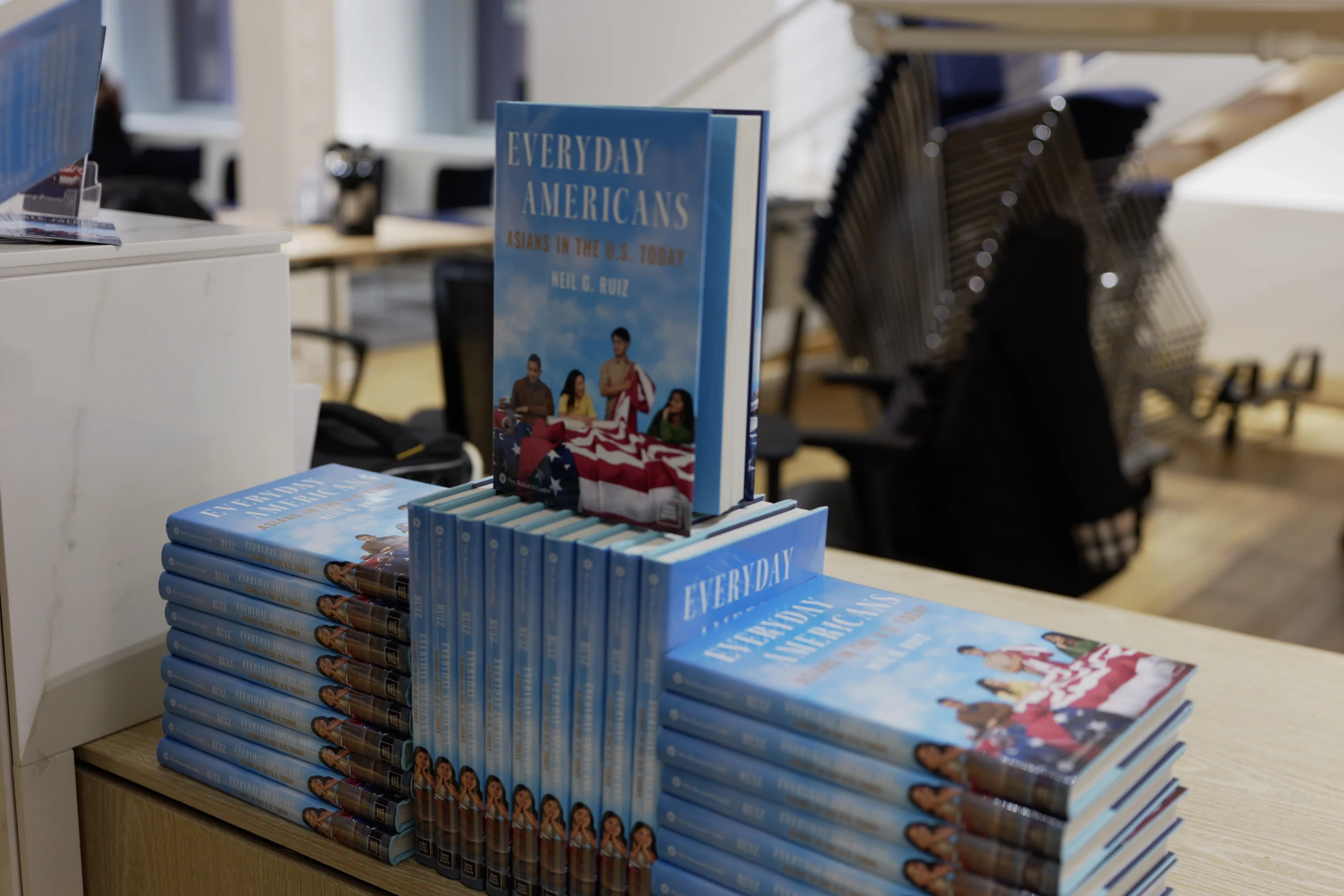
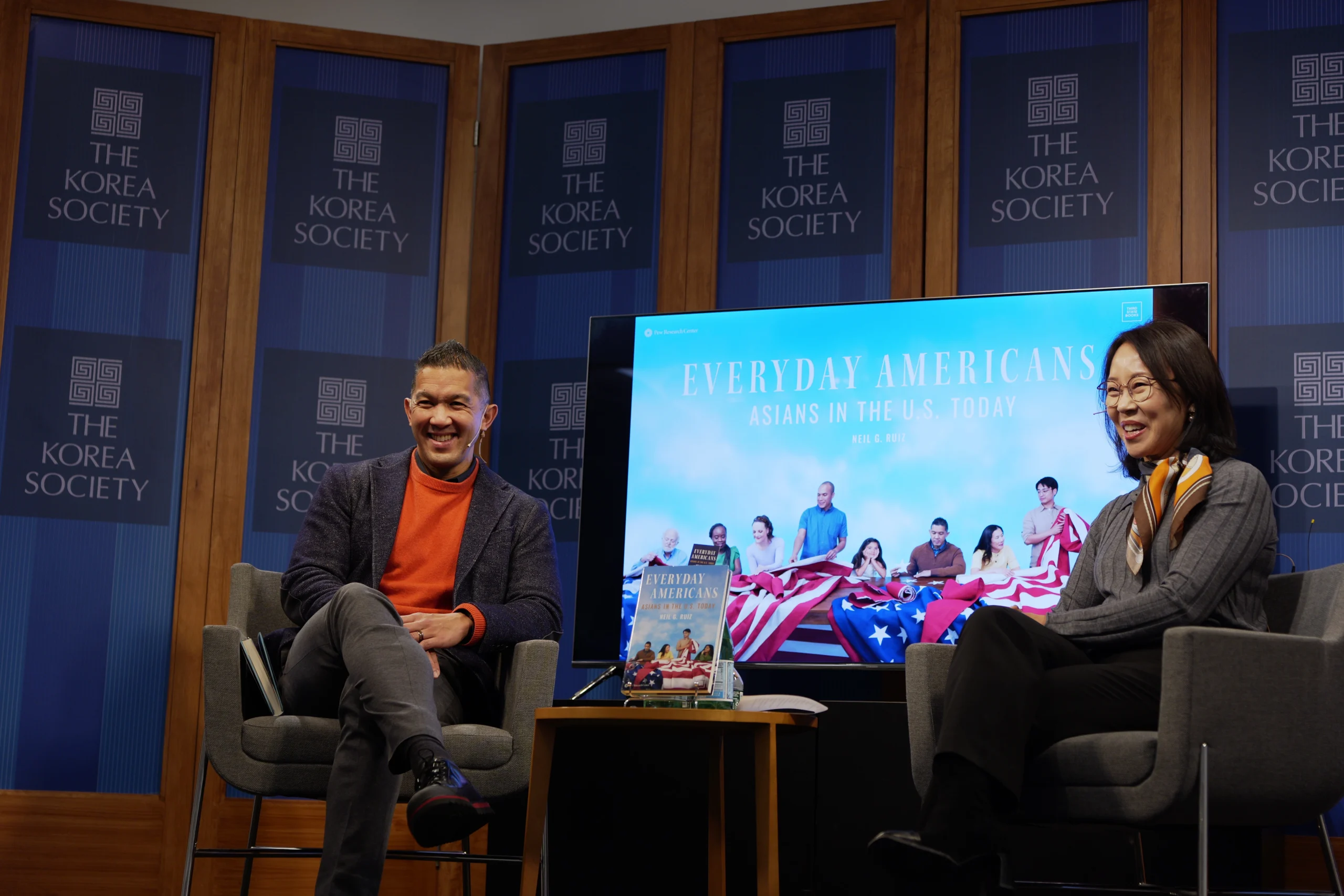
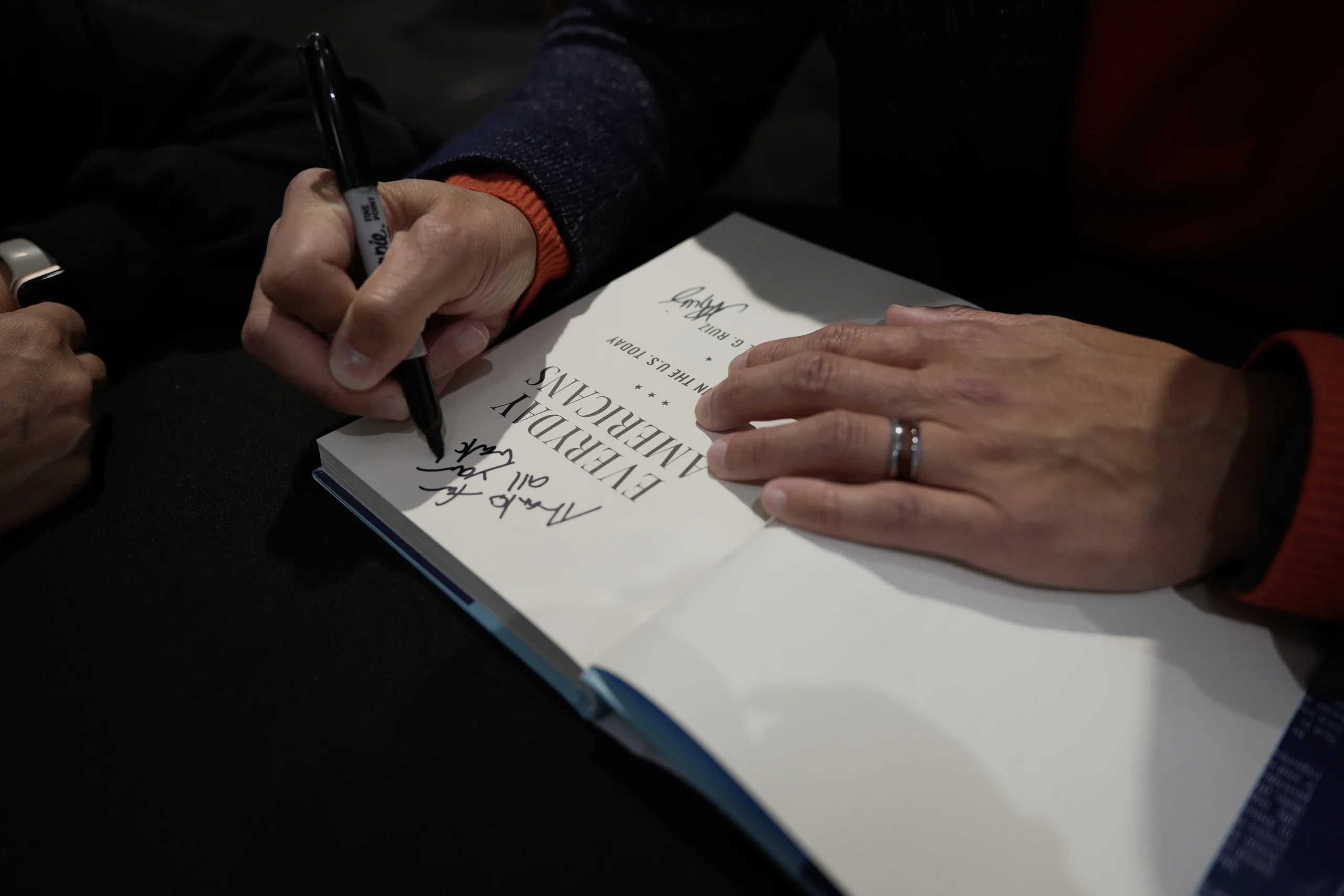
In 2022–23, Pew Research Center conducted the largest survey ever of Americans of Asian ancestry. Now 24 million strong, Asian Americans are the fastest growing, and in many ways the most transformative, racial and ethnic group in the United States. Co-published by Third State Books and Pew Research Center, Everyday Americans: Asians in the U.S. Today uses the Center’s remarkable data set to paint one of the most in-depth portraits available of Asian America.

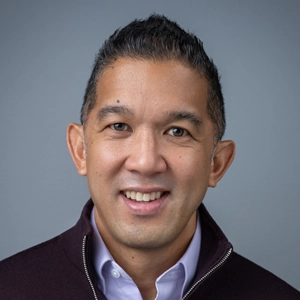
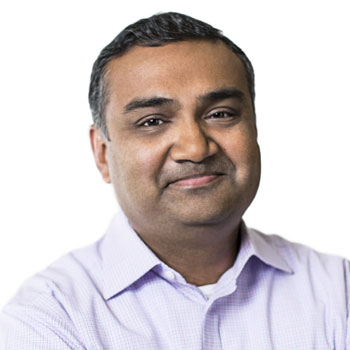
Author and head researcher Neil G. Ruiz, who is Filipino American, braids his own family’s experience with that of the thousands of survey respondents, weaving a complex and moving portrait of the constantly evolving Asian American experience.

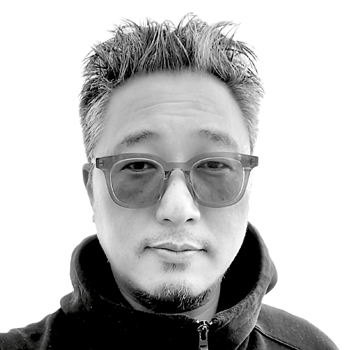
In a conversation with Kyung Yoon, the President and CEO of the Korean American Community Foundation, Ruiz will share his insights into the research, explore the narrative of Korean Americans, and reflect on the book’s illuminating, deeply personal account.


This program is sponsored by The Asian American Foundation.

01 / 01

What was the main takeaway from this talk?

The main takeaway was how author and researcher Neil G. Ruiz, who is Filipino American himself, braids his own family’s experience with that of the many survey respondents, putting together a complex and evolving portrait of the Asian American experience.

Speaker

Neil G. Ruiz

Neil G. Ruiz is Head of New Research Initiatives at Pew Research Center, where he served as the principal investigator of their 2022–23 study on Asian Americans. A political economist with a PhD from MIT and degrees from Oxford and UC Berkeley, Ruiz is an expert on immigrant and understudied populations, and he focuses on amplifying their voices through research. He has been recognized by the American Association for Public Opinion Research for filling the industry’s data gap on Asian Americans. Ruiz previously worked at The Brookings Institution and the World Bank. The son of Filipino immigrants, he was born and raised in Oxnard, CA, and lives in Washington, D.C.


Moderator

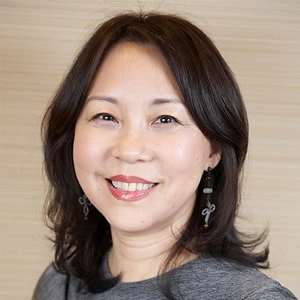
Kyung B. Yoon

Kyung B. Yoon is the President and CEO (as well as co-founder) of the Korean American Community Foundation (KACF), the first and largest philanthropic organization in the U.S. dedicated to strengthening Korean American communities. Her career in poverty alleviation, development economics, and media encompasses her roles as the Executive Producer of Television at the World Bank Institute and a correspondent for WNYW-Fox Channel 5 where she made history as the first Korean American broadcast reporter in NYC. Kyung is currently a contributing reporter to CUNY-TV’s Asian American Life, which is broadcast nationally on PBS stations and for which she received an Emmy nomination. She has previously served as the board chair of Philanthropy New York and Asian Americans and Pacific Islanders in Philanthropy, as a trustee of the New York Foundation, and as a board member of the United Way of New York City.

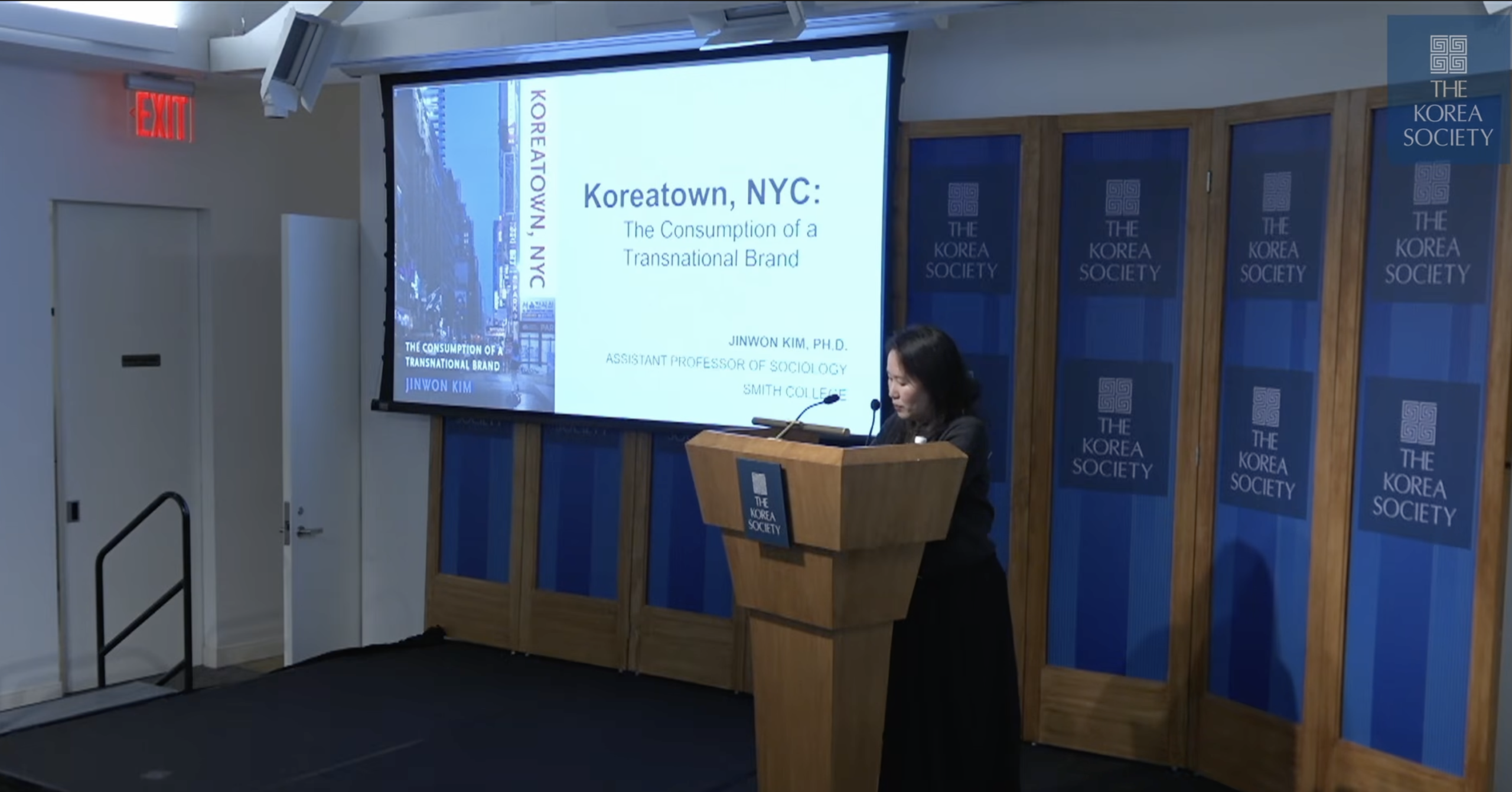
Koreatown, NYC:
The Consumption of a Transnational Brand

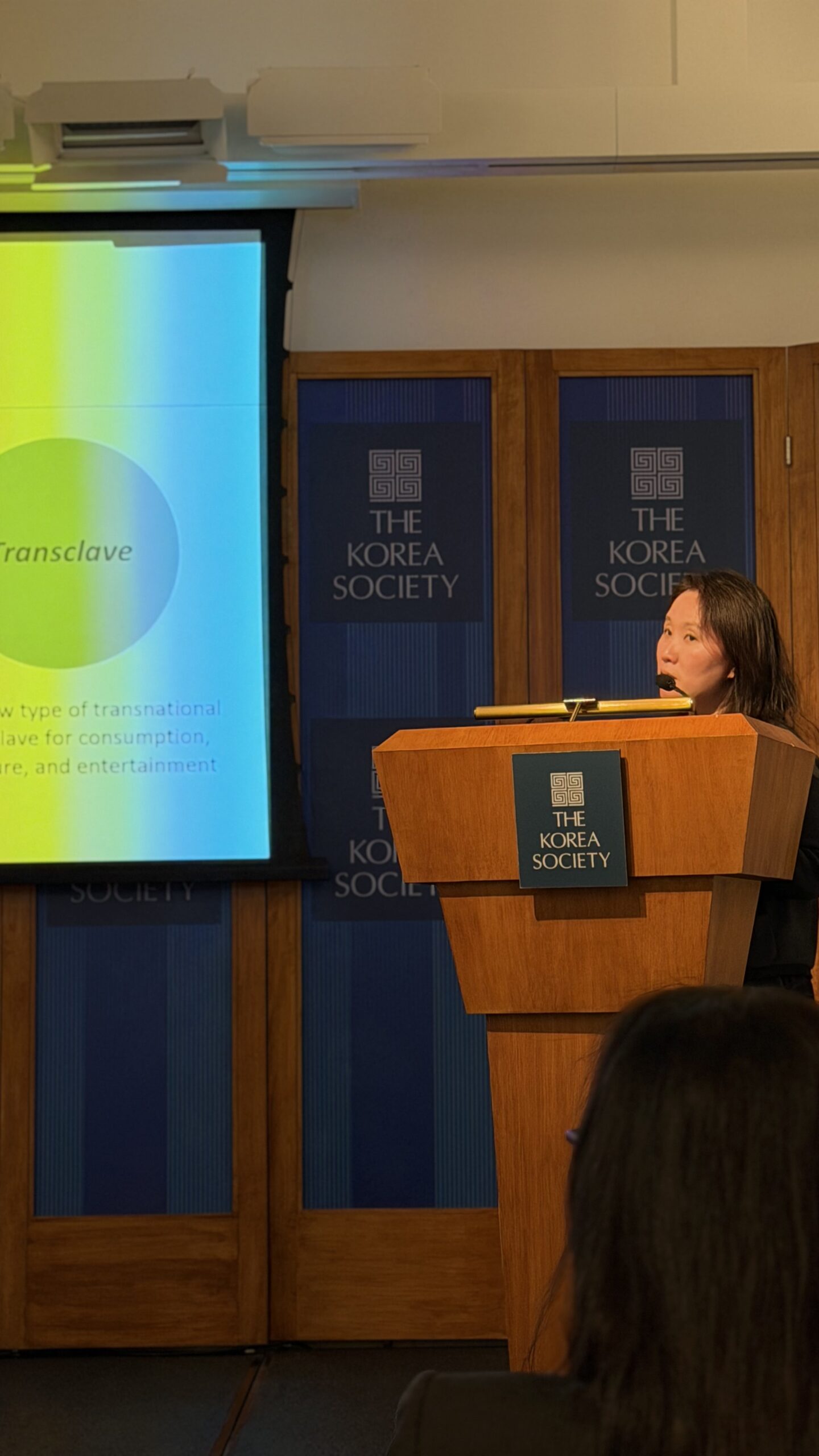
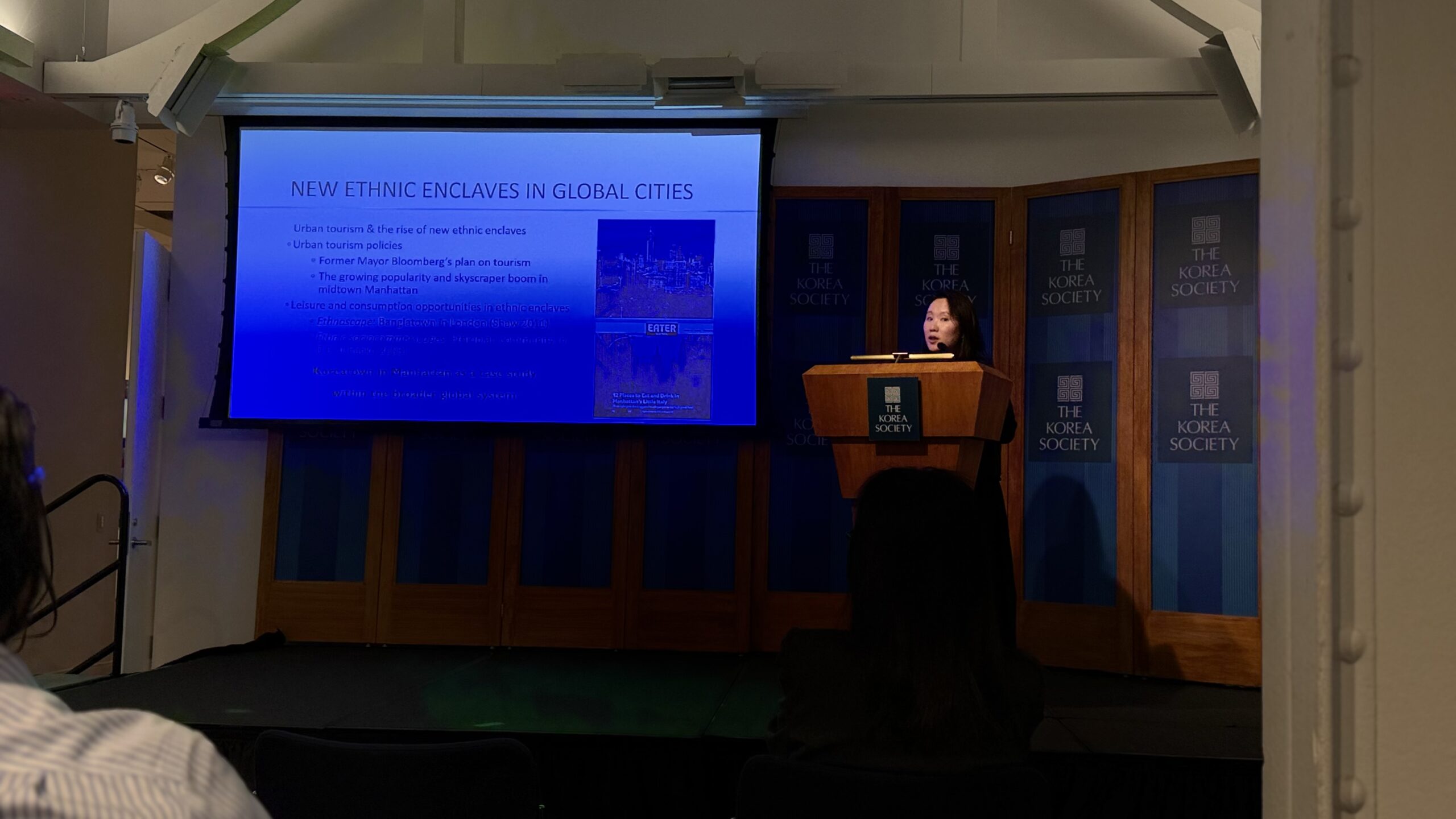
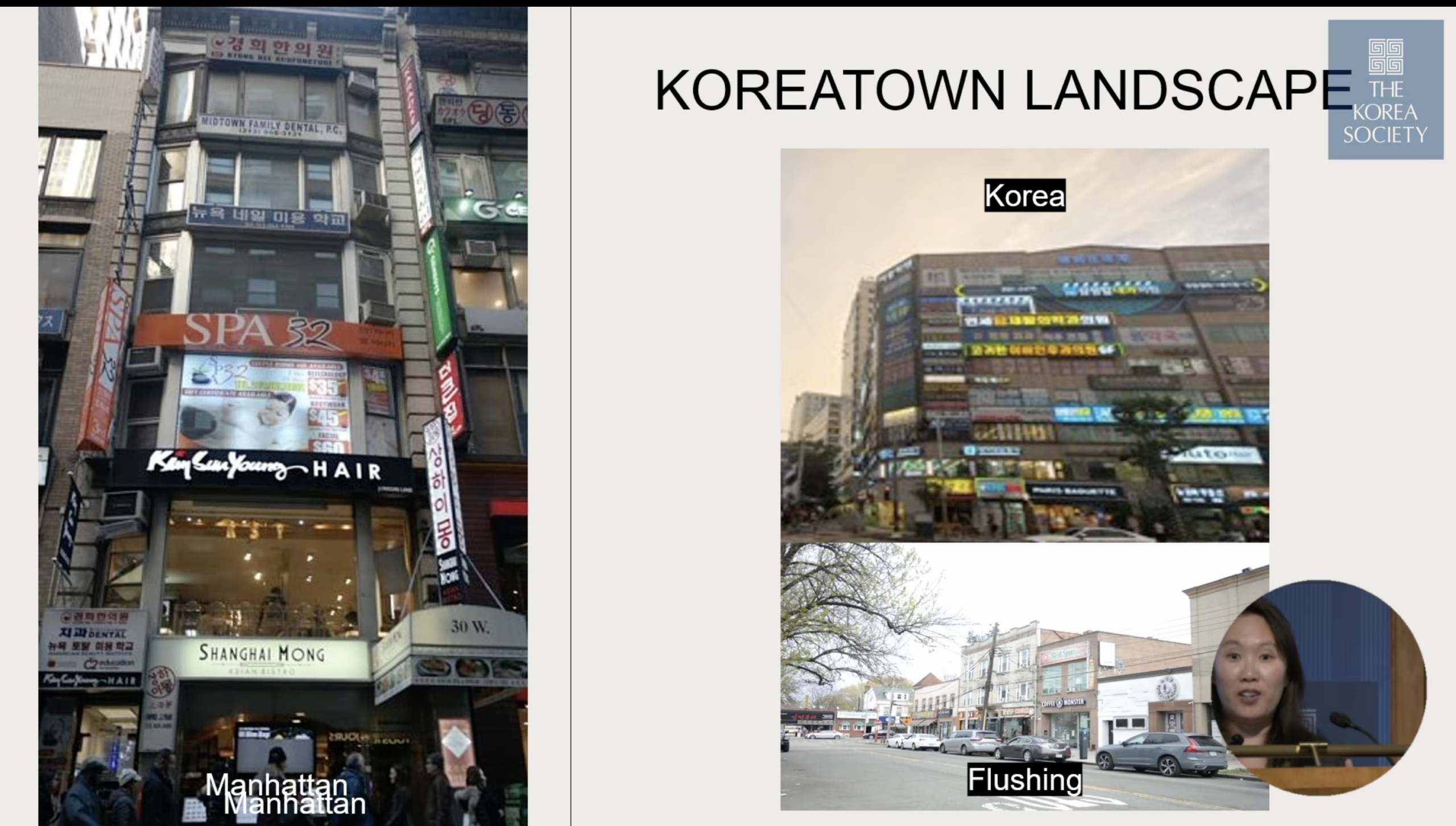
In the past decade, Korean entertainment has gained global recognition, with Korean movies and TV shows winning Oscars and Emmys, and K-Pop groups becoming wildly popular. In Manhattan, Koreatown has become a popular destination for both locals and tourists, drawing them in with its bars, restaurants, and day spas. Jinwon Kim argues that Manhattan’s Koreatown has become a new type of ethnic enclave, what she dubs a “transclave.” This commercialized ethnic space exists solely for consumption, leisure, and entertainment, and has been shaped by South Korea’s nation-branding strategy, new economic and cultural strategies, patterns in Korean migration, and shifts in tourism and urban policies in New York City. Kim posits that for many consumers in Koreatown, especially those who are not of Korean descent, the space has become a commercialized place where transnational culture meets the diverse racial and ethnic mosaic of New York City. Kim emphasizes how the space functions to “brand Korea” as a space to “consume ethnicity,” reflecting the landscape of South Korea’s consumer culture through the physical appearance of buildings and stores and the inclusion of franchise brands.

In this talk, Kim explores the recent popularity of Korean food in New York City by focusing on both transnational and domestic factors, leading to the new trend of commercialization of ethnic food, emphasis on authenticity, and rise of the omnivore society, by delivering the voices of ordinary people. While Koreatown’s authenticity has been largely defined by commercialized ethnic cuisine by local entrepreneurs, the Korean government, and franchises, Kim argues that Koreatown’s authenticity has represented the collective imaginations and narratives of various consumer groups–Korean nationals, Korean Americans, and non-Koreans.

This program was recorded on September 24th and will be released on October 1.


Speaker

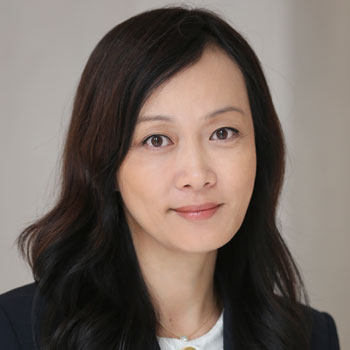
Jinwon Kim

Jinwon Kim is is an assistant professor of sociology at Smith College. She received her Ph.D. from The Graduate Center, City University of New York, and her research spans urban sociology, race and ethnicity, Asian and Asian American studies, transnational and global sociology, migration, and consumption, with a focus on how the global political economy and popular culture shape national and ethnic identities, urban change, and the creative economy. She is the author of Koreatown, NYC: The Consumption of a Transnational Brand (NYU Press), which argues that Manhattan’s Koreatown is a new type of ethnic enclave — a “transclave” — shaped by South Korean nation branding, migration, tourism, and urban policy. She also co-edited Koreatowns: Exploring the Economics, Politics, and Identities of Korean Spatial Formations (Lexington Books, 2020), and her articles have appeared in City & Community and The International Journal of Cultural Policy.


01 / 01

What is a “transclave”?

Coined by sociologist Jinwon Kim, a transclave is a commercialized ethnic enclave designed primarily for consumption, leisure, and global nation-branding rather than traditional residential living.

Leesle: Korean Chic

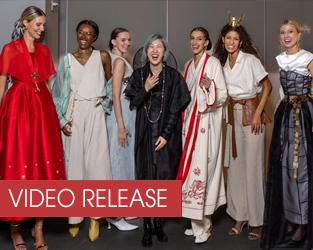
Designer Leesle Hwang discussed her brand and design philosophy, reimagining hanbok silhouettes, details, and textiles with contemporary materials to pioneer the “Korean Chic” fashion genre, in a video released on August 4, 2026, at 5:00 PM.

Leesle Hwang has built a distinctive fashion universe by reinterpreting Korean heritage through a modern lens. Her philosophy is rooted in the belief that “fashion comes to life not in a museum, but on the street.” Determined to transform time-honored traditions into living, breathing style, she reconstructs hanbok silhouettes, signature details, and unique textiles with contemporary materials, creating designs that are both distinctive and accessible. This vision has cultivated a devoted global following, positioning her as a pioneering voice in the emerging fashion genre of “Korean Chic” at a time when global interest in K-culture is at an all-time high.

SPEAKER

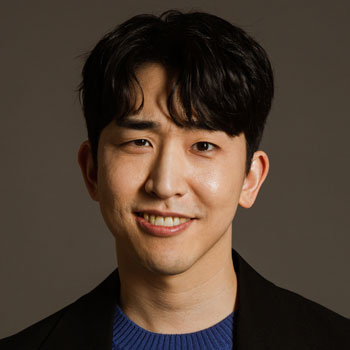
Leesle Hwang

Leesle Hwang is the founder and designer of Leesle, a fashion brand that reinterprets Korean heritage for a contemporary audience. She did not formally study design — she majored in forestry — but began making and selling hanbok in college and launched Leesle in 2014 to create hanbok people could wear every day. Her designs rework hanbok silhouettes, signature details, and traditional textiles with modern materials, producing pieces such as knee-length skirts, denim, and sheer blouses that are both distinctive and accessible. Based in Jeonju, where the brand’s flagship store is located, Leesle has shown at fashion fairs in Milan and Paris and built a global following, and Hwang is regarded as a pioneering voice in “Korean Chic,” a fashion genre emerging alongside rising global interest in K-culture. She believes fashion “comes to life not in a museum, but on the street.”

01 / 03

How can I watch this program?

The program is available on The Korea Society YouTube Channel.

02 / 03

What is “Korean Chic”?

“Korean Chic” is a fashion genre introduced by LEESLE that reinterprets traditional hanbok — its silhouettes, details, and textiles — with contemporary materials and everyday wearability. It has emerged alongside rising global interest in K-culture, and Leesle is one of its pioneering brands.

03 / 03

I want to know more about Hanbok. What are some other programs to tune into?

The Korea Society hosted Professor Minjee Kim on May 19, 2026. Minjee Kim is a dress historian and adjunct professor at the Fashion Institute of Technology, where she teaches the history of East Asian dress. For more information, please visit here. In previous years, The Korea Society also had an extensive program on the different elements of Hanbok.

The Forgotten Home Front

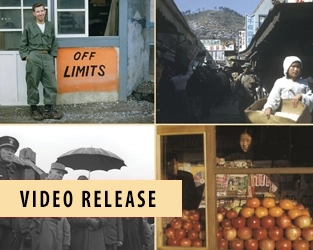
As the Korean war (1950–1953) drew to a close and South Korea began to rebuild, American GI Roger Marshutz (1929–2007) was stationed in Pusan to photograph U.S. reconstruction efforts. In his spare time, Marshutz also wandered the streets, documenting the daily life of Korean civilians. The Forgotten Home Front: Roger Marshutz’s Photographs of Pusan, South Korea, 1952–1954 offers both an official and unofficial look at U.S.-South Korean relations, as well as a portrait of a country in the midst of enormous political, economic, and cultural transformation.

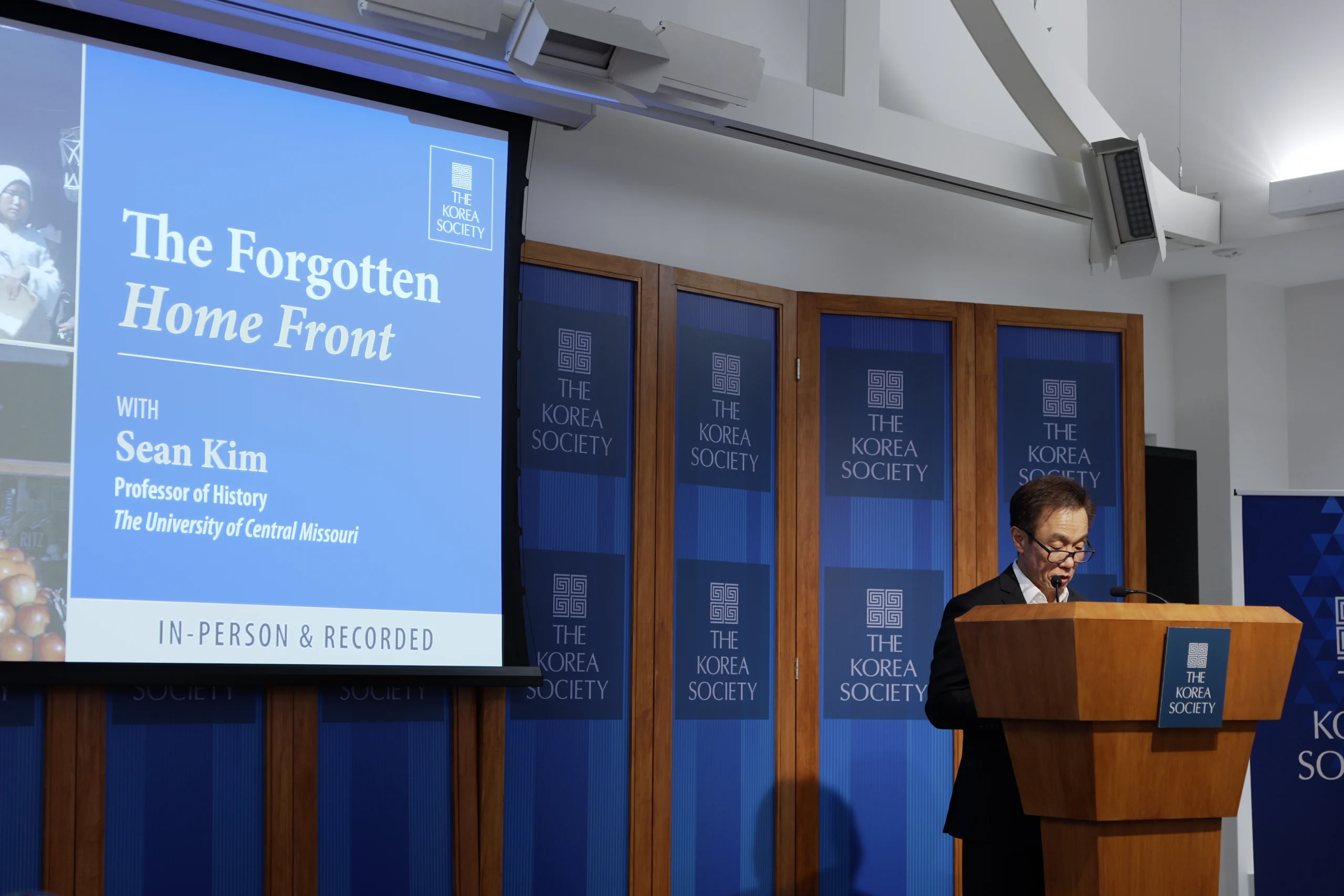
Based on the new book, historian Sean Kim will discuss the crucial role of Pusan during the war and the pivotal moment in modern Korean history.


01 / 02

Who was Roger Marshutz?


Before establishing himself in the mid-1950s as a Hollywood photographer of famous actors and celebrities, Roger Marshutz (1929–2007) served as an American G.I. in Pusan from 1952 to 1954. While his official role was documenting U.S. reconstruction efforts, he also spent his free time exploring the streets to capture the everyday lives of Korean civilians.

02 / 02

What happened in Pusan during and post Korean War?

During the Korean War (1950-53), the Pusan Perimeter was the only part of the Korean peninsula that South Korea never lost control over, and the city of Pusan was a temporary wartime capital of South Korea. So many refugees arrived in Pusan during the war, more than doubling its population from 300,000 to 850,000. It was also through Pusan that the U.S. economic aid entered Korea.

Speaker

Sean C. Kim

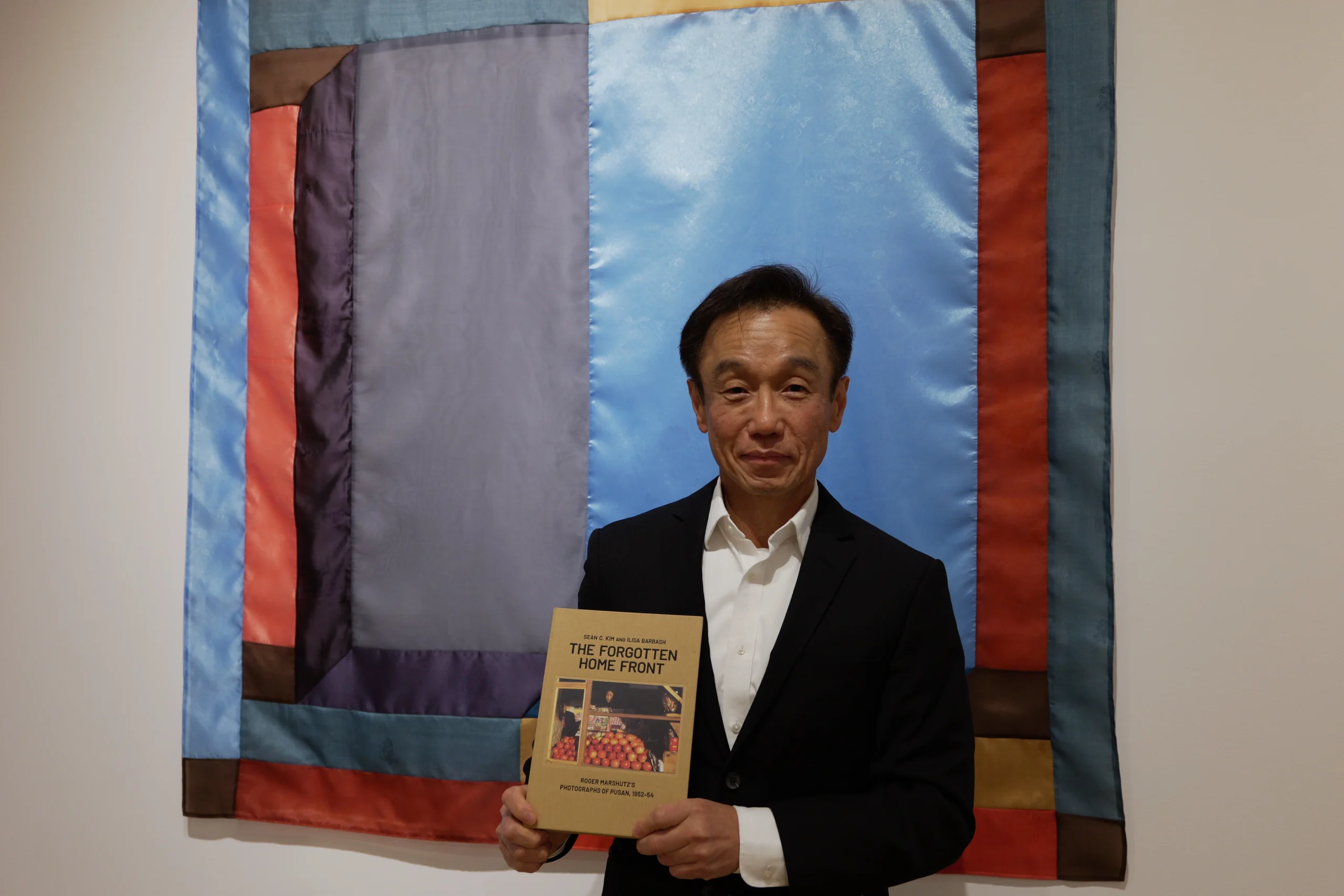
Sean C. Kim is a professor of history at the University of Central Missouri, where he teaches East Asian, world, and U.S. history. He received his Ph.D. from the Department of East Asian Languages and Civilizations at Harvard University. His research focuses on modern Korean religious history, particularly the emergence of Protestant Christianity, and he is currently working on an edited volume on Korean religions. With Ilisa Barbash, he is the coauthor of The Forgotten Home Front: Roger Marshutz’s Photographs of Pusan, South Korea, 1952–1954 (Peabody Museum Press and KMEC Books), which presents an American GI’s photographs of U.S. reconstruction efforts and the daily life of Korean civilians in wartime Pusan.

Okdongsik

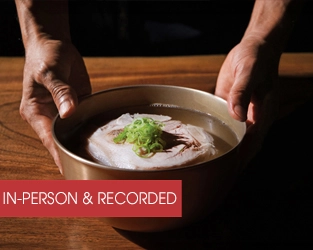
With a philosophy rooted in simplicity, precision, and balance, Chef Dongsik Ok has reframed traditional Korean comfort food through a minimalist and modern lens. His eponymous restaurant Okdongsik’s signature dish is an elegant yet deeply comforting pork broth, dwaeji gomtang.

Since its launch in Seoul’s Seogyo-dong neighborhood in 2017, Okdongsik has earned critical acclaim and recognition with the Michelin Guide Bib Gourmand distinction for eight consecutive years, establishing it as one of Seoul’s premier dining spots. Now an international brand, Okdongsik has expanded its presence beyond Seoul with locations in New York (Manhattan and Bayside), Honolulu, Tokyo, and Paris. The brand’s ongoing growth focuses on small, highly curated spaces that prioritize consistency, quality, and operational discipline, and the chef’s commitment and dedication is transforming Korean soul food into a globally recognized culinary category.

In his conversation with Vivian Lee, Chef Dongsik Ok shares his insights on his career, food philosophy, and the restaurant industry.

In this talk, Kim explores the recent popularity of Korean food in New York City by focusing on both transnational and domestic factors, leading to the new trend of commercialization of ethnic food, emphasis on authenticity, and rise of the omnivore society, by delivering the voices of ordinary people. While Koreatown’s authenticity has been largely defined by commercialized ethnic cuisine by local entrepreneurs, the Korean government, and franchises, Kim argues that Koreatown’s authenticity has represented the collective imaginations and narratives of various consumer groups–Korean nationals, Korean Americans, and non-Koreans.


Speaker

Chef Dongsik Ok

Chef Dongsik Ok is the founder and owner chef of Okdongsik. He holds a bachelor’s degree in culinary science from Kyung Hee University and opened the first Okdongsik in Seoul’s Seogyo-dong neighborhood in 2017. Built around a single signature dish, dwaeji gomtang, his cooking reframes traditional Korean comfort food with a minimalist focus on simplicity, precision, and balance. The restaurant has received the Michelin Guide Bib Gourmand for eight consecutive years and now has locations in New York (Manhattan and Bayside), Honolulu, Tokyo, and Paris. His appearance on Netflix’s Culinary Class Wars 2 (2025) brought him wider international recognition.


Moderator

Vivian Lee Ok

Vivian Lee is an Emmy-winning New York–based TV journalist, public speaker, moderator, and director/producer. She is currently a correspondent for CUNY-TV’s magazine show Asian American Life, and in 2026 she received her third Emmy nomination for producing and hosting CUNY-TV’s special on the 70th anniversary of the Korean War armistice. From 2008 to 2020 she anchored, reported, and hosted for NY1 Spectrum News, covering the pandemic, social justice protests, and the 2020 general election, and hosted Spotlight New York, a weekly show on the city’s arts scene. She won an Emmy in 2020 for a story on Manhattan’s Joe’s Pub and co-hosts the podcast The 5 Of Us, on career and life issues for women at work.

01 / 03

Where can I try Okdongsik in New York?

Okdongsik’s Manhattan location is at 13 East 30th Street, New York, NY 10016, and the restaurant also has a location in Bayside, Queens.

02 / 03

What were the main takeaways from this talk?

Chef Dongsik Ok shares his personal journey to discovering his passion for cooking and perfecting his signature dish. He also discusses his experience on Culinary Class Wars and collaborating with fellow chefs. Ultimately, he highlights how he expanded his brand globally.

03 / 03

What is Chef Dongsik Ok’s favorite restaurant to eat on his day off?

Moono - in Koreatown, NYC.

The Illusion of Pastness:
Hanbok on Screen

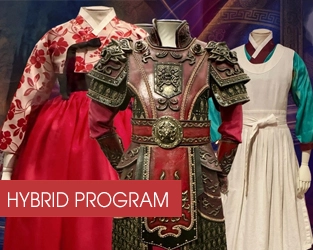
Korean visual entertainment—including films, K-dramas, and K-pop music videos—is the result of highly sophisticated planning and production. These productions captivate a global audience by synthesizing music, narrative, and styling to deliver striking visual aesthetics and compelling emotional narratives. Costume is central to this production system, and it plays an instrumental role in the aesthetic appeal and popularity of the media. For luxury brands, K-drama serves as a powerful niche marketing platform, while traditional dress (hanbok) is pivotal to nation branding.

Dress historian Dr. Minjee Kim will offer fresh insights into Korean period costume as a visual and narrative language closely aligned with the development of plot and storyline. She will demonstrate how period costumes produce the “illusion of pastness” rather than the past itself, operating within a narrower range of sartorial possibilities, thereby negotiating historical accuracy, constructing stylized appearances, and translating dynamically into contemporary aesthetics.

This program is co-hosted by the Consulate General of the Republic of Korea in New York.

SPEAKER

Minjee Kim

Minjee Kim is a dress historian and adjunct professor at the Fashion Institute of Technology, where she teaches the history of East Asian dress. She holds a Ph.D. from Seoul National University, where her dissertation examined the dress culture of the Balhae dynasty (698–926), and has taught in South Korea and the United States since 1993. She is the co-editor of Dress History of Korea: Critical Perspectives on Primary Sources (Bloomsbury, 2023). Her research covers the historiography of Korean dress and fashion, research methodology, fashion history pedagogy, and archival practices. She is also a research associate at the Tracing Patterns Foundation and the founder of Fashion History Consulting, which advises on exhibitions, object appraisal, period costume reproduction, and translation.

01 / 02

Where did the program take place, and who co-hosted it?


The program was held in person at The Korea Society and webcast live. It was co-hosted by the Consulate General of the Republic of Korea in New York.

02 / 02

What was the main takeaway of this talk?

Professor Minjee Kim explains how Korean traditional attire such as Hanbok has adapted over time and highlights why accurate representation in media is essential for both entertainment and cultural education. .

Hallyu! The Korean Wave: The Curatorial Roundtable

Image Credit: © MFA BOSTON |      

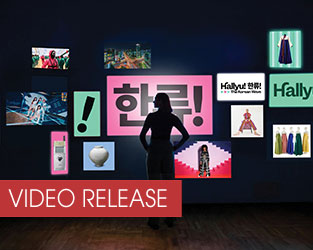
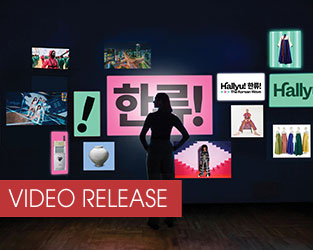
Today, South Korea is a cultural superpower—a global trendsetter producing award-winning films like Parasite, riveting dramas like Squid Game, and chart-topping music by K-pop groups such as BTS and BLACKPINK. But behind the country’s meteoric rise to the world stage, a phenomenon known as the Korean Wave, or hallyu, is the story of remarkable resilience and innovation.

Just a century ago, Korea was in search of a new national identity, following its occupation by Japan and the Korean War. Harnessing cutting-edge technology, the country has rapidly transformed its economy and international reputation. At the same time, its creative outputs are deeply rooted in its past, with many contemporary artists, filmmakers, musicians, and fashion designers paying tribute to traditional values and art forms dating back to Korea’s dynastic kingdom days.

Hallyu! The Korean Wave features approximately 250 objects—costumes, props, photographs, videos, pop culture ephemera, and contemporary works—providing an immersive and multisensory journey through a fascinating history, and a celebration of a vibrant creative force that bridges cultural, societal, and linguistic divides and continues to reach new heights today. 

First presented at Victoria and Albert Museum, London, the exhibition is currently at Museum of Fine Arts, Boston, and will travel to Asian Art Museum, San Francisco.

Three curators—Rosalie Kim, Victoria and Albert Museum; Christina Yu Yu, Museum of Fine Arts, Boston; and Yoon-Jee Choi, Asian Art Museum, San Francisco—discuss this captivating exhibition and South Korea’s rise as a cultural superpower.


Hallyu! The Korean Wave

The Curatorial Roundtable

Thursday, May 16, 2024


The Korea Society
350 Madison Avenue, 24th Floor
New York, NY 10017


About the Speakers:


Rosalie Kim joined the Victoria & Albert Museum in 2012 as the curator of the Korean collection in the Asia Department and led exhibitions including Hallyu! The Korean Wave and Lustrous Surfaces: Lacquer from Asia and Beyond. Her interest lies in Korean craft and design, world lacquer history, and the making of contemporary culture, craft and design in the digital age. Prior to the V&A, she studied philosophy and civil engineering in architecture in Belgium and Italy, before obtaining her MArch and PhD by Design from the Bartlett School of Architecture, UCL. Her PhD thesis was nominated for the RIBA President’s Award for Research in 2012. She worked as an architect in Korea and Europe and led architectural design studios at Kingston University, London.


Christina Yu Yu is the Matsutaro Shoriki Chair, Art of Asia and leads a team of curators in overseeing the Museum of Fine Arts’ collection of more than 100,000 works from Japan, China, Korea, South and Southeast Asia, and the Islamic world. She first joined the Museum in 2018, after serving as the director of the USC Pacific Asia Museum. Christina was born and raised in China, attended Wellesley for her undergraduate studies, completed her Ph.D. at the University of Chicago, and began her curatorial career with an internship at the MFA. She has also previously held positions at LACMA, Chambers Fine Art (a gallery based in New York and Beijing) and the Yokohama Museum of Art in Japan.


Yoon-Jee Choi recently joined the Asian Art Museum–Chong-Moon Lee Center for Asian Art & Culture as the Assistant Curator for Korean Art. Before she joined the University of Chicago Ph.D. program in 2018, she studied Korean art history in general at Ewha Womans University and interned for the National Museum of Korea. While she serves as a specialist in Korean art at the current institution, her larger body of research focuses on the art historical exchange among Northeast Asian countries during the early modern era, especially on the 19th-to-early-20th-century cultural interactions and exchanges between Korea and Japan. She is set to complete a Ph.D. examining the industrialization and modernization of the craft industry in Northeast Asia.


You May Also Enjoy:

Majestic Elegance: Art, Crafts, and Techniques by Sunglim Kim Minhwa Korean Paintings of the People, by the People, and for the People by Sunglim Kim Home/Away Heejung Cho, Simpson Kim, Jian Yoo Hanbok: The Celebration

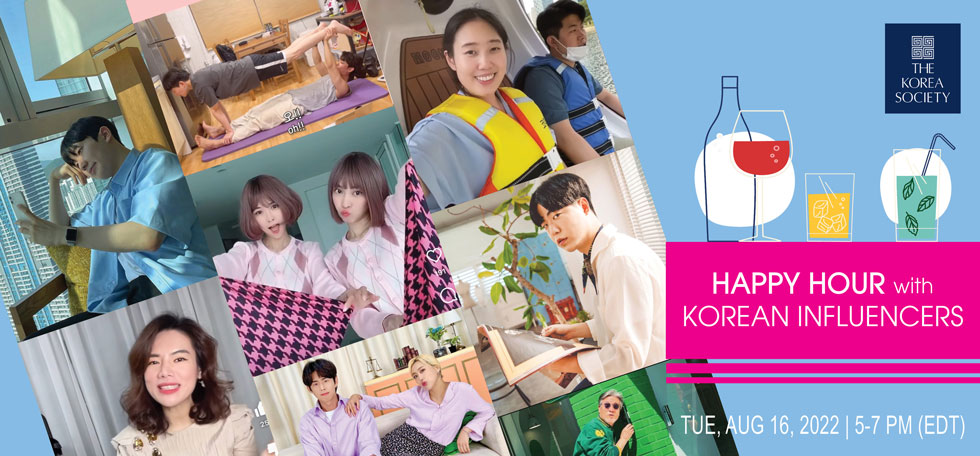
Happy Hour with Korean Influencers

Join us for an evening of conversation and networking with a diverse mix of Korean social media influencers and content creators.

Meet a group of young influencers from Korea! They are active on YouTube, TikTok and Instagram, with audiences ranging from tens of thousands to millions of followers. These influencers create content on topics ranging from politics to fashion and lifestyle, presenting their unique point of view on everything from world history and North-and-South-Korea relationship to LGBTQI representation and rights in Korean society and international cooperation in East Asia. Using different formats – music, comedy, parodies, mukbang, interviews, reaction videos, dances, business, education, and training – these young Korean influencers represent the new way of social organization and communication that is fast becoming the standard in Korea as well as around the world.

Participating Influencers:

Jongryul Park of Mango Couple; Lala Kim and Minsu Son of Enjoy Couple; Jungjoo Hur of Dew Sisters; Seonozzi; Youngdae Kim of Gunggeumso and Sihyun Moon.


Happy Hour with Korean Influencers
Tuesday, August 16, 2022 | 5-7 PM (EDT)

Click here to RSVP for the Happy Hour


The Korea Society
350 Madison Avenue, 24th Floor
New York, NY 10017


Building Resilience: AAPI Identity and Mental Health

Illustration by Subin Yoo

A great deal of stigma remains on conversations regarding mental health. Among Asian American and Pacific Islander (AAPI) communities, the issue is often shrouded by silence and shame, allowing misconceptions and minimization of mental health concerns. Amid historic levels of anti-Asian violence, it is crucial to recognize the intergenerational trauma from immigration and racism and share stories that show the fullness of the AAPI experience in order to educate and form alliances.

Join us for an illuminating conversation with Dr. Shinhee Han, psychotherapist and co-author of Racial Melancholia, Racial Dissociation: On the Social and Psychic Lives of Asian Americans, and journalist Heidi Shin.


Building Resilience: AAPI Identity and Mental Health
with Dr. Shinhee Han and Heidi Shin

VIDEO RELEASE

(In-Person Program Recorded Thursday, April 21, 2022)

Sunday, May 1, 2022 | 12:00 PM (EDT)


The Korea Society
350 Madison Avenue, 24th Floor
New York, NY 10017


ABOUT THE SPEAKERS:

Shinhee Han, PhD is a senior psychotherapist at the Newschool University Counseling Service and in private practice in New York City. She is an adjunct professor at the Center for Study of Ethnicity and Race, Columbia University, offering courses on Asian Americans, Race, and Psychoanalysis. She co-authored Racial Melancholia, Racial Dissociation: On the Social and Psychic Lives of Asian Americans (2019, Duke University Press) with David L. Eng. She is also a founding member of the Asian Women Giving Circle in New York City, a philanthropic organization that funds Asian women artists creating social activism and change. Previously, she was a psychotherapist at the University of Chicago, Northwestern University, Barnard College and Columbia University. Born in Seoul, South Korea, she immigrated to Minnesota at the age of 13 with her family.
 

Heidi Shin is a Korean American journalist, podcast producer, and writer. She’s especially interested in the stories of immigrant communities and the inevitable connections between stories abroad and our lives in the US. Her work has appeared in The New York Times, The Washington Post, National Geographic, California Sunday Magazine, Snap Judgment, Atlas Obscura, BBC, WGBH, and PRI’s The World, amongst other outlets. Heidi also teaches about podcasting at the PRX Podcast Garage, Harvard University’s Sound Lab, and leads Boston’s Sonic Soiree. You can find her online @byheidishin (Twitter) and @shinherrie3 (IG).


K-Content, Youth Economy & Beyond

Image courtesy of YouTube Korea

When YouTube began sharing revenue directly with creators, an entirely new industry was born. Today, there are over 2 million creators around the world in its monetization program, building thriving businesses by sharing their own content to the worldwide audience. Among the most innovative and passionate YouTubers are those hailing from South Korea.

Neal Mohan, Chief Product Officer at YouTube discusses the rise of K-content and the new creator economy; with Park Young Sun, former minister of SMEs and Startups of Republic of Korea; Bernie Cho, President of DFSB Kollective; and Dr. Sue Mi Terry, Director of the Hyundai Motor-Korea Foundation Center for Korean History and Public Policy Wilson Center; moderated by Korean YouTuber Seungkug Lee.

This program is made possible by the generous support from YouTube.

K-Content, Youth Economy & Beyond

Thursday, December 9, 2021 | 8 PM (EST)


The Korea Society
350 Madison Avenue, 24th Floor
New York, NY 10017


ABOUT THE SPEAKERS:


Neal Mohan is Chief Product Officer at YouTube. He is responsible for YouTube products, user experience, and trust and safety on all platforms and devices globally. This includes YouTube on mobile, desktop and TV devices, experiences like YouTube Music, Kids, and VR, and YouTube’s two subscription services, YouTube Premium and YouTube TV. Products for media partners, content creators and musicians are also part of Neal’s portfolio. In his role ensuring trust and safety across the YouTube ecosystem Neal oversees the creation and enforcement of its content policies and community guidelines.

Prior to joining Google, Neal was Senior Vice President of Strategy and Product Development at DoubleClick where he built the company’s strategic plan, led the product team, and rapidly grew the business. He played a critical role in the sale of DoubleClick to Google, and subsequently led the integration. Previously, Neal held various technology and business leadership positions at DoubleClick and NetGravity where he helped pioneer the digital marketing industry. He has also served in strategy and consulting roles at Microsoft and Accenture.

Neal earned an MBA from the Stanford Graduate School of Business where he was an Arjay Miller Scholar. He also holds a bachelor’s degree in electrical engineering from Stanford University.


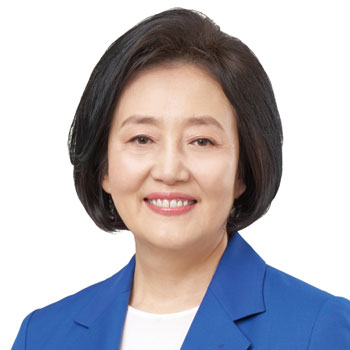
H. E. Park Young Sun is the former Minister of SMEs and Startups and a four-term parliamentarian. Minister Park was the first woman to lead the main opposition party as a floor leader and to chair the Legislation and Judiciary Committee at the National Assembly.

Before entering politics, Minister Park was a journalist, holding the positions of a reporter, a news anchor, and Chief Manager of the Economy News department of Munhwa Broadcasting Corporation.

She holds an M.A. from Graduate School of Mass Communication, Sogong University, and a B. S. from Kyung Hee University.


Bernie Cho is the President of DFSB Kollective, a Seoul-based Artist & Label Services agency that specializes in providing digital media, marketing, and distribution solutions to 600+ Korean Pop music artists. Since 2009, the agency has successfully produced numerous K-Pop concerts and showcases in North America, Asia, and Europe as well as secured #1 digital music chart debuts for various K-Pop albums in the US, Canada, Japan, Korea, Greater China, Southeast Asia, Australasia, and Europe.

Prior to founding DFSB Kollective, Bernie served as the Head of MTV Korea’s Digital Media Production and worked for nearly 2 decades in the Korean music industry as a Creative Planner, TV Program Producer, TV Show Host, and Radio Commentator. He has earned a BA from Dartmouth College in Government/Asian Studies and has graduated from the Vancouver Film School (Foundation Film Program).


Dr. Sue Mi Terry is Director of the Hyundai Motor-Korea Foundation Center for Korean History and Public Policy, Wilson Center. Formerly a Senior Fellow with the Korea Chair at the Center for Strategic and International Studies (CSIS), she served as a Senior Analyst on Korean issues at the CIA (2001-2008), where she produced hundreds of intelligence assessments. She received numerous awards for her leadership and outstanding mission support, including the CIA Foreign Language award in 2008. From 2008 to 2009, Dr. Terry was the Director for Korea, Japan, and Oceanic Affairs at the National Security Council under both President George W. Bush and President Barack Obama.

Since leaving the government, Dr. Terry has been a Senior Research Scholar at Columbia University’s Weatherhead East Asian Institute. She holds a Ph.D. and an M.A. in international relations from the Fletcher School of Law and Diplomacy at Tufts University and a B.A. in political science from New York University. She was born in Seoul and raised in Hawaii and Northern Virginia.


ABOUT THE MODERATOR:


Seungkug Lee is an influencer in Korea. Under the name GeniusSKLee, he’s been running his YouTube channel since 2015. With his interest in the entertainment business, Lee has conducted various types of interviews with global movie stars including Dwayne Johnson, Emily Blunt, Chris Pratt, Jeremy Renner, and Bryce Dallas Howard. Since 2017, Lee has been hosting a movie program on network television and appears on various programs.