
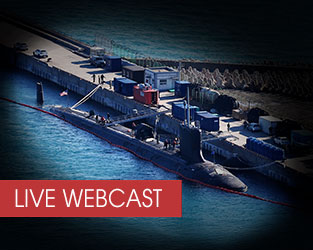
Join us for a virtual program examining the geopolitical impact of South Korea’s development of nuclear submarines.
When Republic of Korea (ROK) President Lee Jae Myung hosted US President Donald Trump for a State Visit in Gyeongju, South Korea in October of last year, the allies committed to developing the maritime and nuclear relationship. A Fact Sheet published after the summit meeting describes that: “The United States has given approval for the ROK to build nuclear-powered attack submarines… [and] will work closely with the ROK to advance requirements for this shipbuilding project, including avenues to source fuel.”
Rather than focusing on the engineering processes and logistical challenges of shipbuilding cooperation, which you can learn about here, this discussion explores the strategic and geopolitical consequences of South Korea’s emergent nuclear submarine program. Against a backdrop of North Korea’s quickly evolving nuclear arsenal as well as revived interest in diplomatic engagement, this program investigates how nuclear submarines impact South Korea’s defensive capabilities and strategic posture, its contribution to and coordination with the US-ROK alliance, its regional role, and the balance of power and relations with North Korea.
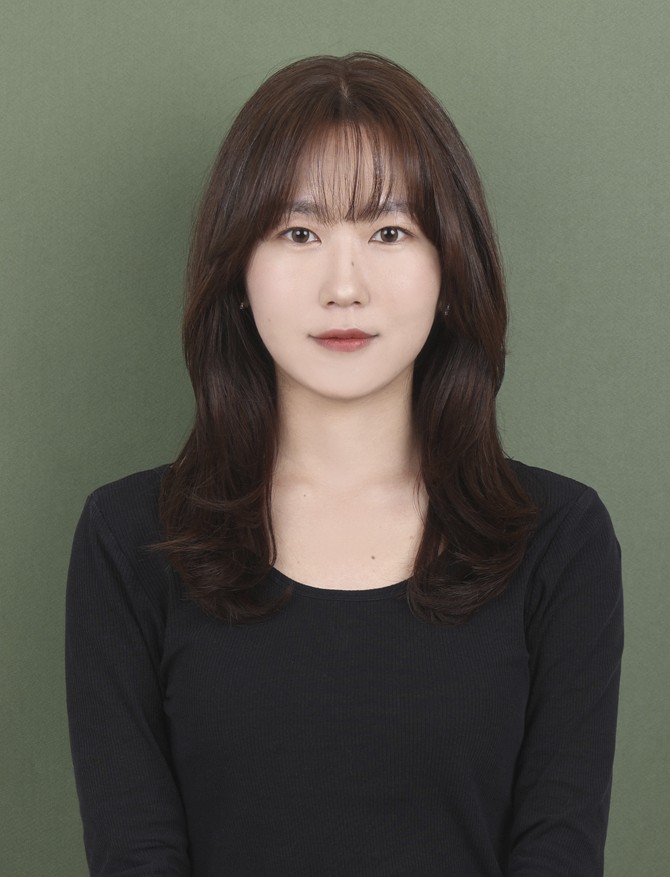
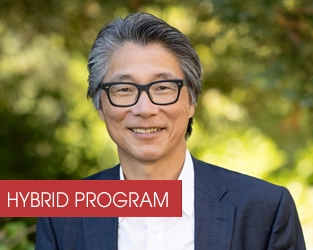
The discussion features Dr. Sang Hyun Lee, Fellow Emeritus of the Sejong Institute, and Dr. James R. Holmes, J. C. Wylie Chair of Maritime Strategy at the U.S. Naval War College, and Minkyung Jung, Staff Reporter for The Korea Herald, in conversation with policy director Jonathan Corrado.
This program is made possible by the generous support of the Korea Foundation and our individual and corporate members.
South Korea’s Nuclear Submarine Strategy
Wednesday, January 28, 2026 | 8 AM (EST)

About the Speakers:
 |
|
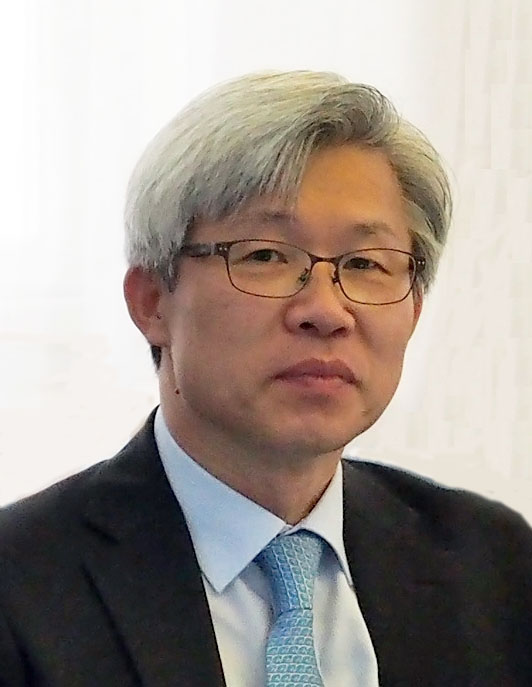
Dr. Sang Hyun Lee is currently Fellow Emeritus of the Sejong Institute, board member of the Institute of Nuclear Materials Management-Korea (INMM-K), and board member of the Asia-Pacific Leadership Network (APLN) for Nuclear Nonproliferation and Disarmament. He served as President of the Sejong Institute (2021~2024), researcher at the Korea Institute for Defense Analyses, Director-General for Policy Planning at the Ministry of Foreign Affairs and Trade, a guest researcher at the Stockholm Institute for Security and Development Policy (ISDP) in Sweden, and a visiting researcher at the Stimson Center in Washington, DC. He received his B.A. and M.A. from Seoul National University and Ph.D. from the Department of Political Science at the University of Illinois at Urbana-Champaign in 1999. |
 |
||||
|
James Holmes is a professor of strategy, the inaugural holder of the J. C. Wylie Chair of Maritime Strategy, a visiting professor in the Fleet Seminar Program, and a two-time visiting professor of national security affairs at the Naval War College. He is a recipient of the Navy Meritorious Civilian Service Medal honoring his research and writing. He previously served on the faculty of the University of Georgia School of Public and International Affairs, Center for International Trade and Security, where he remains a Faculty Fellow. He is a Distinguished Fellow at the Brute Krulak Center for Innovation & Future Warfare, Marine Corps University. A former U.S. Navy surface-warfare officer and combat veteran of the first Gulf War, he served as a weapons and engineering officer in the battleship Wisconsin, engineering and firefighting instructor at the Surface Warfare Officers School Command, and military professor of strategy at the Naval War College. He is the last gunnery officer in history to fire a battleship’s big guns in anger.
|