
The Korea Society Joins 2026 Trusted Tech Summit in Washington, D.C.

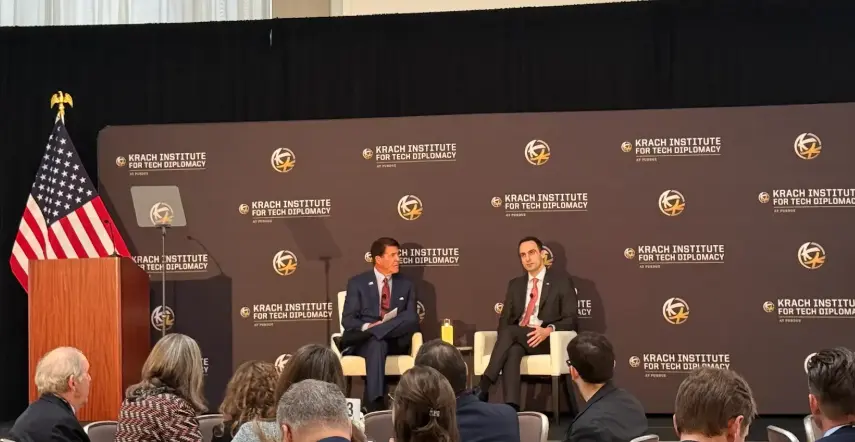
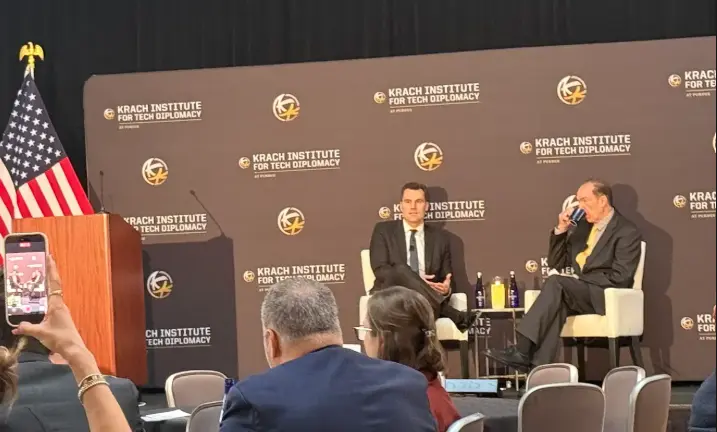
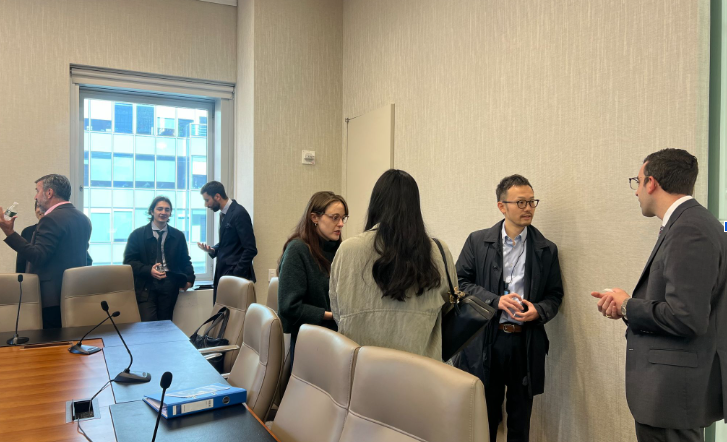
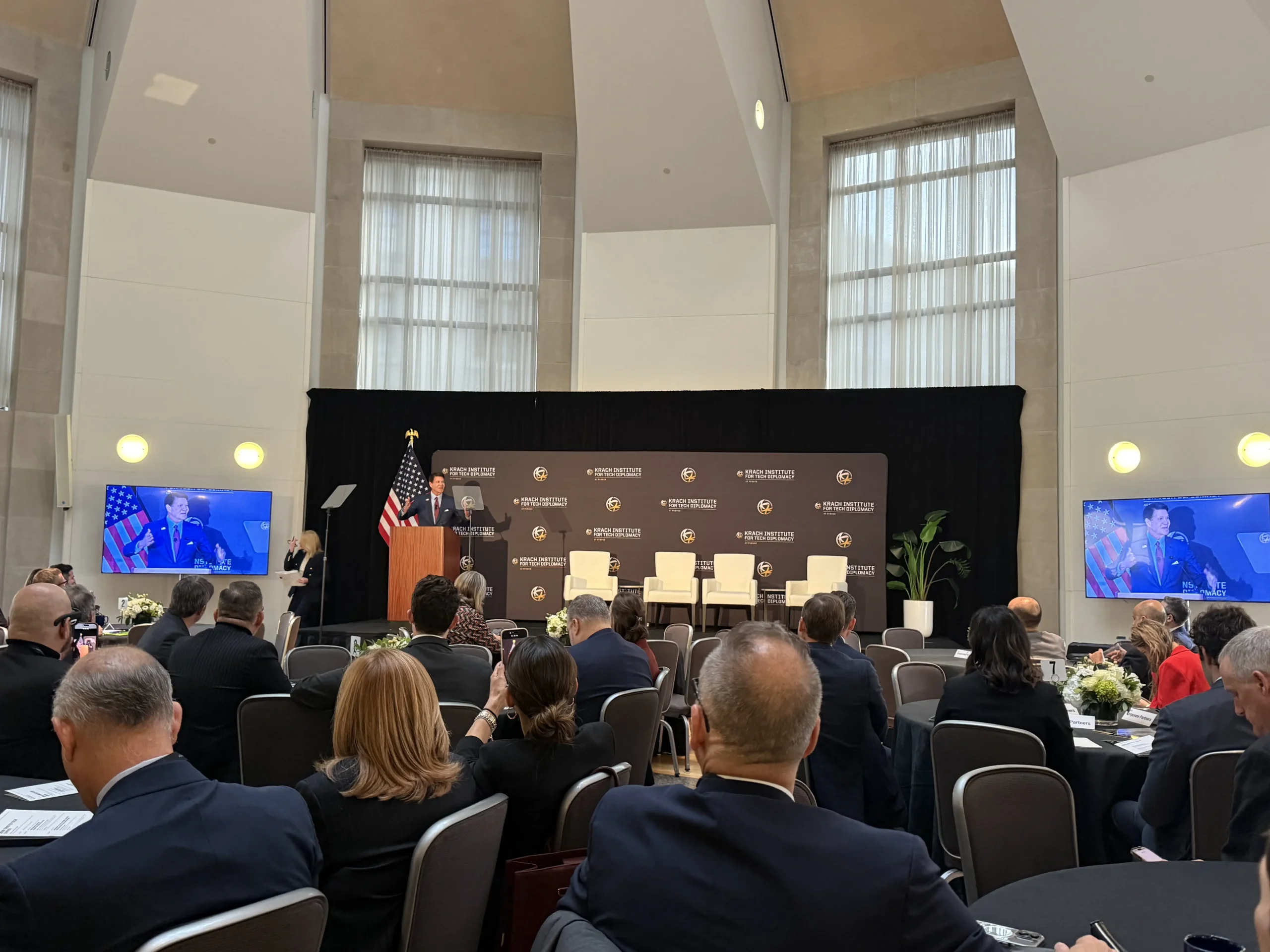
The Korea Society’s Senior Advisor for Outreach Hae Kyung Ahn and Director of Business and Economics Program Sojeong Kim participated in the 2026 Trusted Tech Summit, hosted by the Krach Institute for Tech Diplomacy at Purdue on November 13 at the Ronald Reagan Building and International Trade Center in Washington, D.C.

Held under the theme “The Freedom Advantage: Leading the Trusted Tech Era,” the summit brought together senior U.S. government officials, international diplomats, technology executives, and industry leaders to examine the role of trusted technology in advancing economic competitiveness, national security, and international cooperation.

Among the senior U.S. government participants were Michael Kratsios, Director of the White House Office of Science and Technology Policy (OSTP); William Kimmitt, Under Secretary for International Trade at the U.S. Department of Commerce; Dario Gil, Under Secretary for Science at the U.S. Department of Energy; and Michael DeSombre, Assistant Secretary of State for East Asian and Pacific Affairs. Their participation reflected the growing importance of technology, trade, and economic security in U.S. engagement with allies and international partners.

Keith Krach, Chairman, Krach Institute for Tech Diplomacy (left); Michael Kratsios, Director, White House OSTP (right).

WIlliam Kimmitt, Under Secretary for International Trade, U.S. Department of Commerce (left); David Malpass, former President, World Bank (right).

Korean Companies as Trusted Partners in the U.S. Technological Leadership

Korean companies are playing an increasingly important role in strengthening America’s technological capabilities through investment, innovation, and industrial partnerships. A notable example highlighted at the summit was SK hynix’s investment of more than $4 billion in an advanced packaging facility and research and development capabilities adjacent to Purdue University in West Lafayette, Indiana.

As a corporate member of The Korea Society, SK hynix exemplifies the contributions Korean companies are making to the U.S. technology ecosystem. Its partnership with Purdue brings together Korea’s semiconductor manufacturing expertise and American research capabilities, engineering talent, and academic resources. The collaboration is expected to support next-generation AI technologies, strengthen the semiconductor workforce, and generate broader economic opportunities for the surrounding community.

This investment illustrates how U.S.–ROK cooperation can extend beyond traditional trade and investment to encompass research and development, talent cultivation, advanced manufacturing, and supply-chain resilience. 
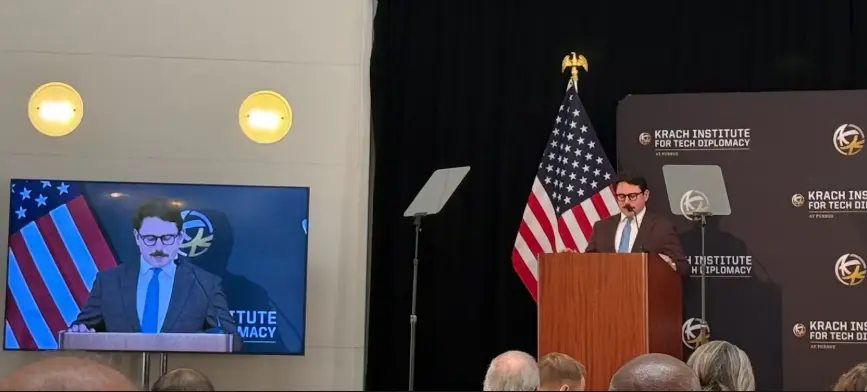
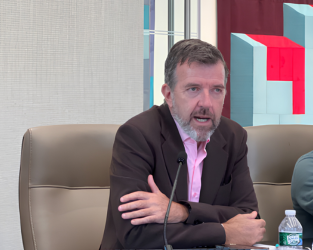
Michael Mansour, Senior Director of Government Relations for Semiconductors and AI at SK hynix America Inc.

The Korea Society’s Role in Connecting Partners and Advancing Cooperation

As technology becomes an increasingly important pillar of the U.S.–ROK alliance, The Korea Society will continue to strengthen connections among businesses, policymakers, and academic institutions to advance bilateral cooperation. Through its national outreach initiative, the Society seeks to engage communities across the United States where Korean investment is driving economic growth, connecting Korean companies with local stakeholders and fostering opportunities in technology, innovation, and workforce development.

By leveraging its networks in both countries, The Korea Society aims to serve as a bridge between trusted partners and allies, helping translate shared priorities into meaningful collaboration that advances innovation, economic prosperity, and the U.S.–ROK partnership.

01 / 03

The summit focused on “trusted diplomacy.” How does U.S. - Korea technology cooperation put that idea into practice?

Technology strategies and capabilities have become an integral part of the broader U.S.-ROK alliance and its foreign policy agenda. The Technology Prosperity Deal, signed by the two allies in October 2025, provides the central framework for this cooperation. It aims to expand bilateral collaboration beyond traditional areas such as nuclear energy and space into emerging technologies, including AI, quantum computing, biotechnology, and 6G. A joint working group launched in 2026 is now working to translate the agreement into concrete initiatives, with Korea’s semiconductor manufacturing capabilities playing a central role.

.

02 / 03

Why is SK hynix - Purdue collaboration significant for U.S.- Korea economic cooperation?

The facility at the Purdue Research Park will package high-bandwidth memory (HBM), the chips that power AI systems. SK hynix will make the memory wafers in Korea and finish them in Indiana. That is a supply chain shared by two allies across the Pacific, which is what “trusted technology” looks like in practice. The project has up to $458 million in U.S. CHIPS Act funding and is expected to employ about 1,000 workers once fully running. Through a research agreement with Purdue, SK hynix is also creating programs that bring local engineering graduates into its workforce. For Indiana, that means a new anchor industry. For the alliance, it shows Korean investment taking root in communities far from the coasts.

03 / 03

Why does The Korea Society see local engagement as essential to the alliance’s future?

As Korean companies expand their investments across the United States, the relationship between the two countries is increasingly taking shape in local communities, not just in Washington, D.C. and New York. Building a stronger U.S.–Korea relationship therefore requires more than high-level dialogue; it also calls for greater mutual understanding among the people, institutions, and communities on both sides. We are exploring ways to bring conversations like those at the Trusted Tech Summit to the local level, creating opportunities for American residents, local leaders, educators, and employers to better understand Korea, while helping Korean companies build deeper connections with the communities where they operate. Ultimately, a stronger alliance depends not only on shared strategic priorities but also on meaningful people-to-people connections and a sense of shared prosperity at the community level.
Kim Koo Professional Seminar in Washington, D.C.

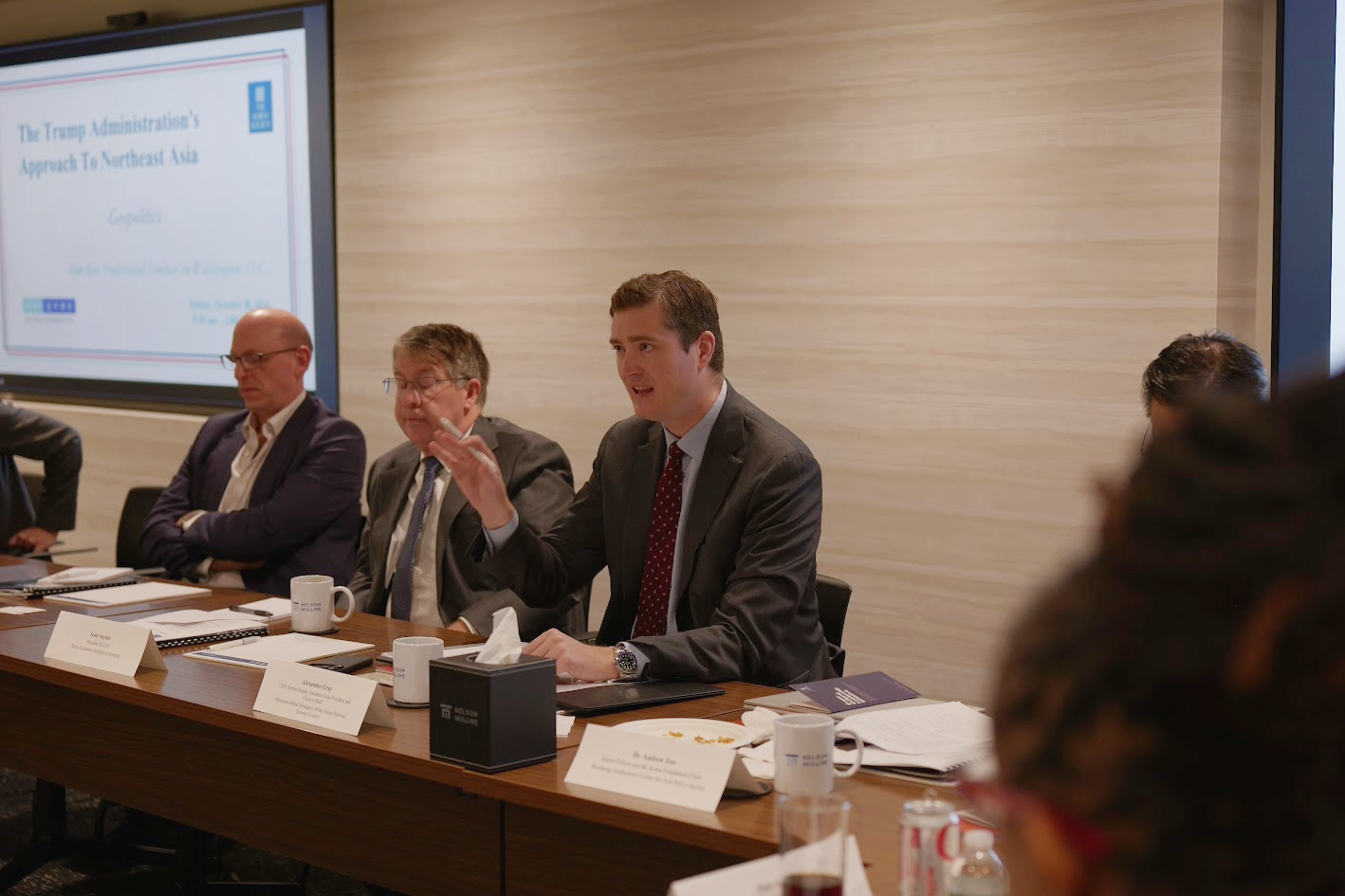
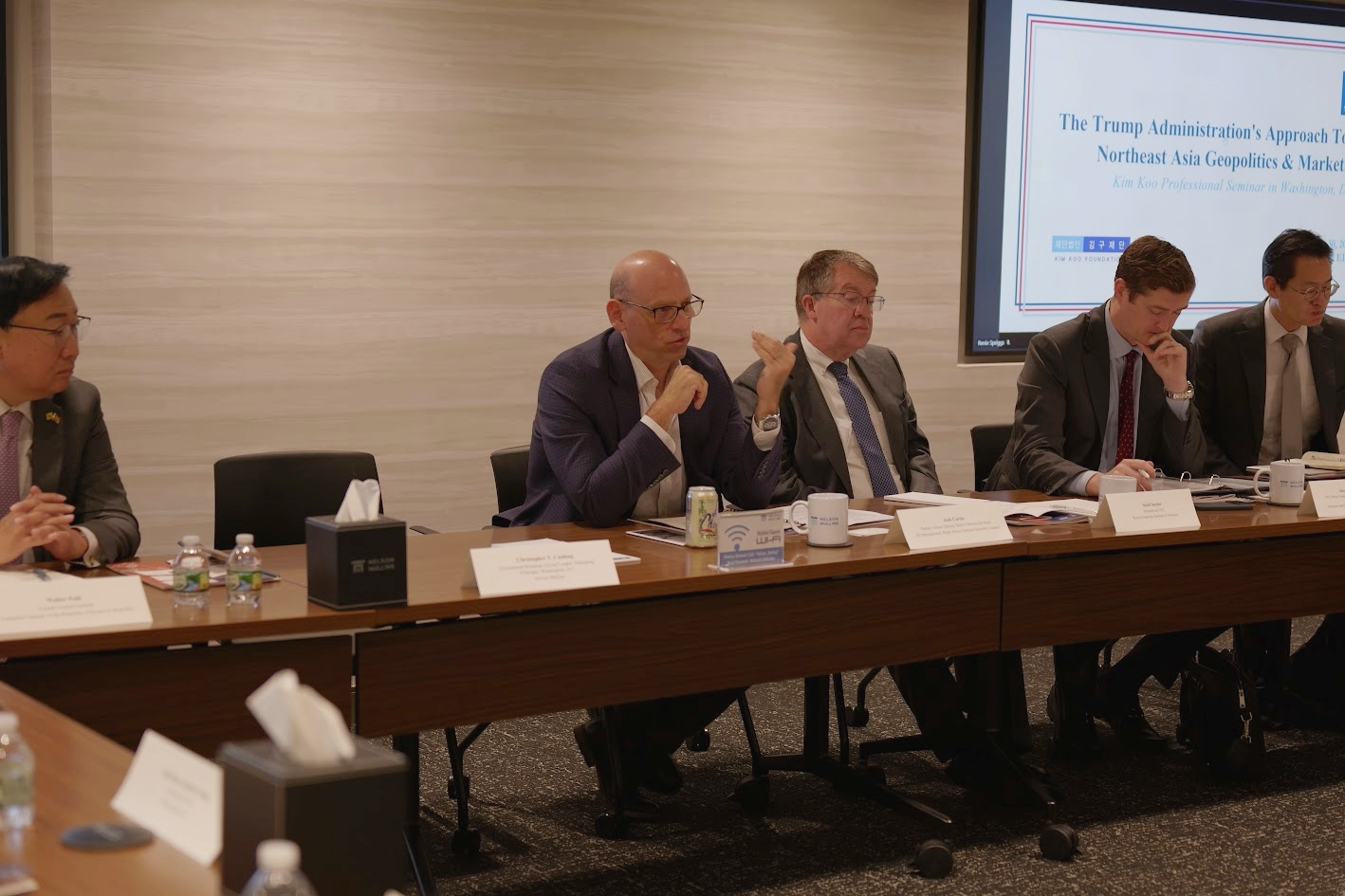
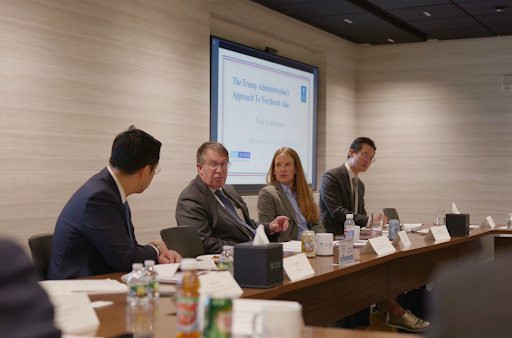
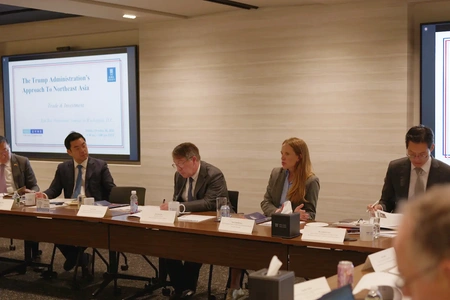
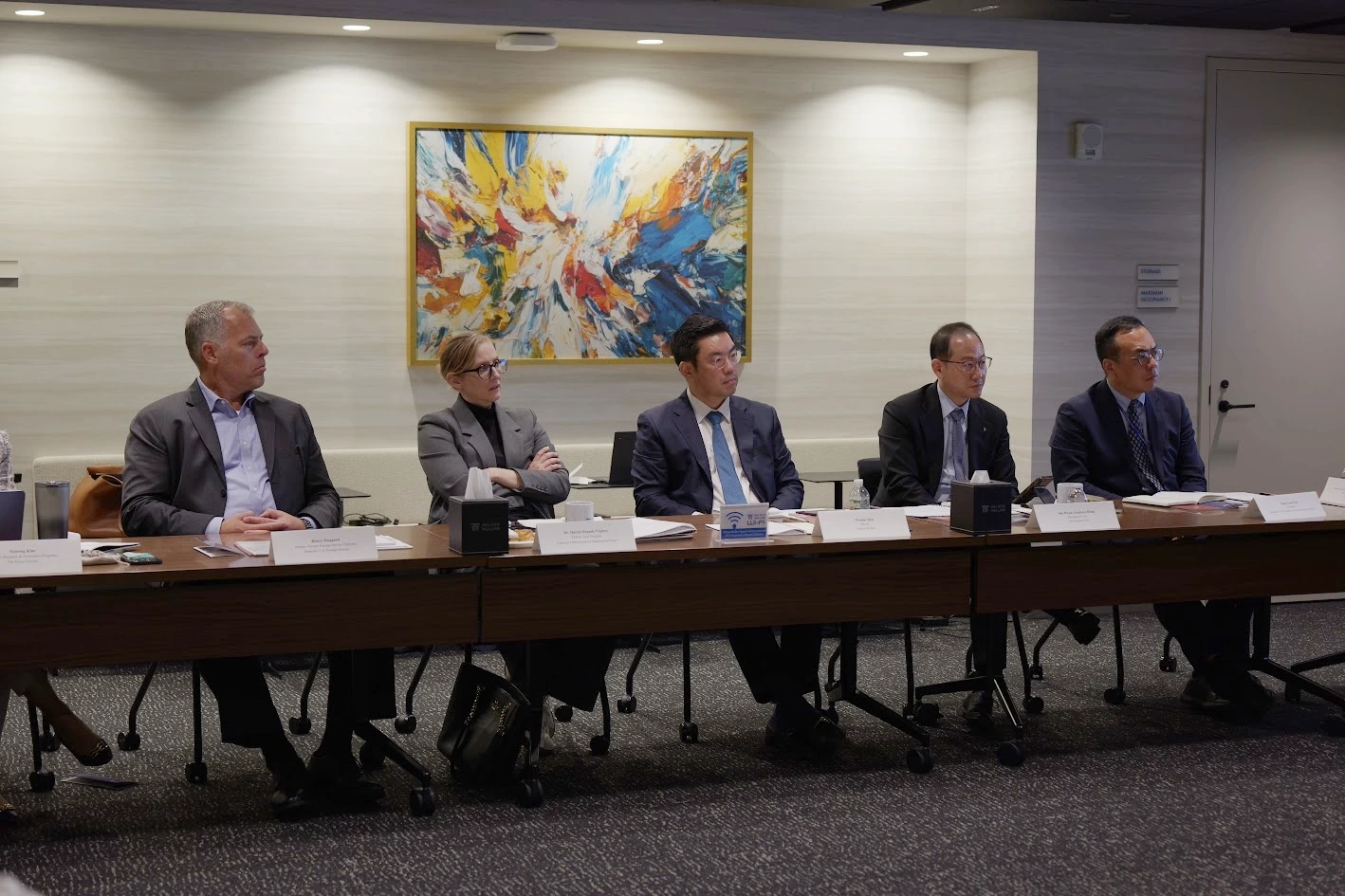
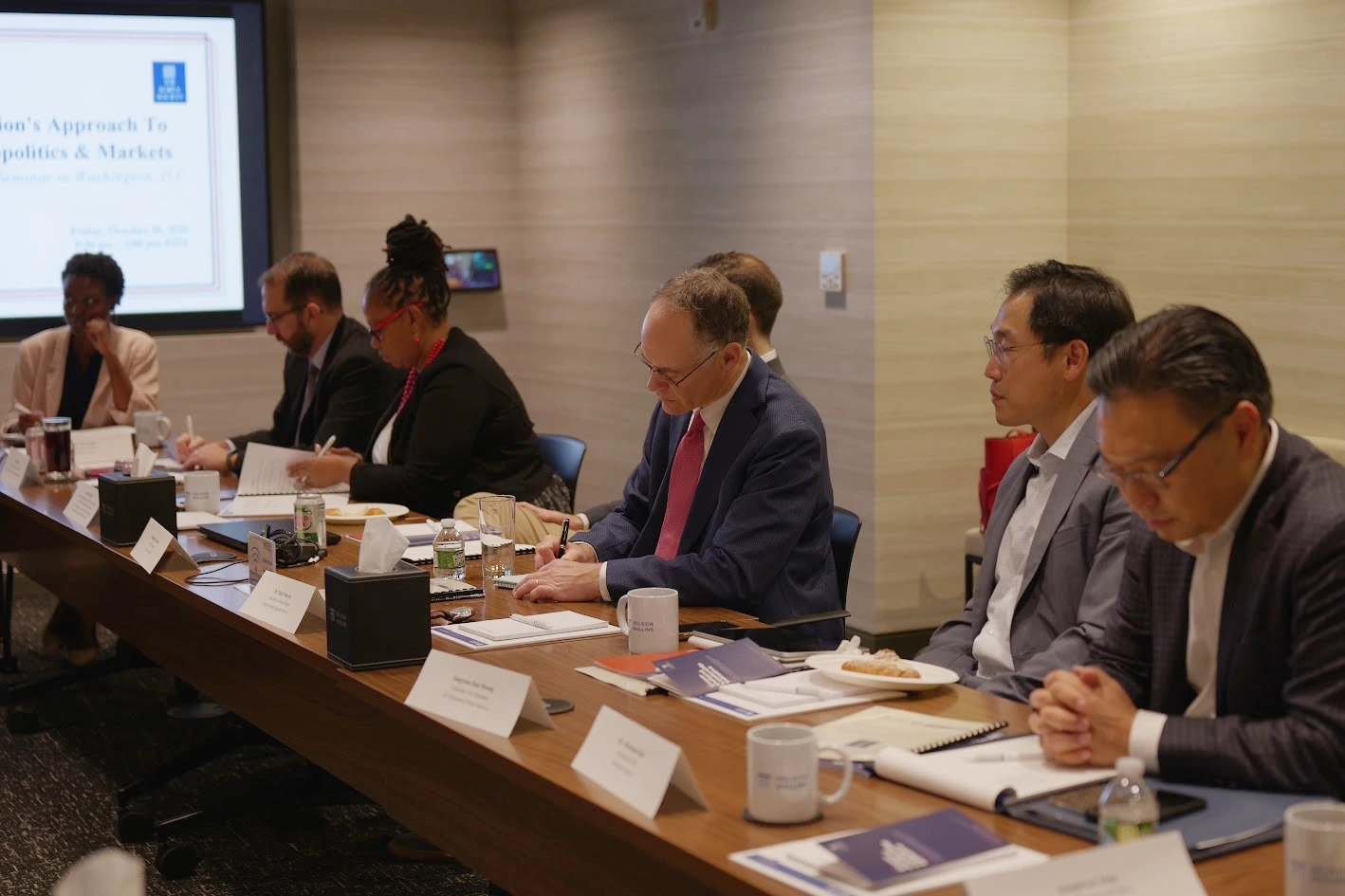
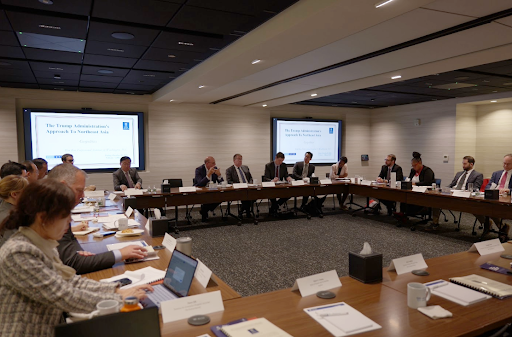
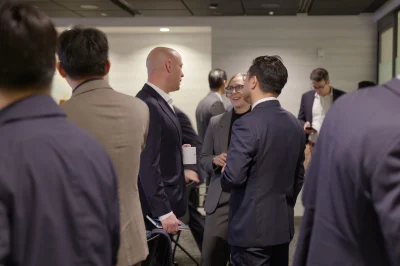
On October 30, The Korea Society hosted a special roundtable seminar, “The Trump Administration’s Approach To Northeast Asia Geopolitics & Markets.” The single-day seminar offered two sessions: Geopolitics and Trade & Investment, reflecting on the geopolitical and trade alignments determined by the Trump Administration and how they shape the ever-evolving U.S.-Korea alliance.

The first roundtable focused on the geopolitical nature of the U.S.-Korea alliance and its greater implications for Northeast Asia security. Some key takeaways from the session include:

  • Competition with China sets the agenda. Washington pairs leader-level diplomacy for stability with export controls, financial restrictions, and support for Taiwan.  
  • Defense Industry is Korea’s key contribution. Shipbuilding is the test case: It offers the largest opportunity for cooperation, but entrenched domestic politics have slowed progress. 
  • Investment commitments are now a security issue. How effectively Korea implements its investment commitments will decide whether economic ties strengthen the alliance or strain it.

The following session centered around the alliance’s trade & investment objectives, centered around Korea’s investment commitments to the U.S.:

  • Reshoring drives the deals. Korean conglomerates lead the effort, a sign that economic priorities now shape the bilateral agenda more than security interests. 
  • Durability depends on commercial value and law. Commitments grounded in real returns and legal foundations will outlast political change. In a fast, centralized policy environment finding the right counterparts matters. 
  • Frictions remain. Visa uncertainty for engineers and technicians threatens investment, and digital-platform rules still concern Washington. Korean firms can build standing by telling a coordinated story of their contribution to U.S. industry, while showing audiences at home that the commitments make commercial sense. 

In conclusion, the U.S.–Korea relationship is economically closer than ever, but perceptions lag reality. Progress now depends on execution: delivering on investment commitments, aligning on regional roles, and building channels that are effective for cross-border cooperation.

This invitation-only seminar was produced in collaboration with Nelson Mullins and made possible by the generous support of the Kim Koo Foundation.

P1022381

01 / 03

What is currently shaping U.S. policy priorities in Northeast Asia?

Long-term competition with China. Washington is setting its priorities across the region around three aims: preventing Chinese dominance, sustaining its own position, and managing the rivalry to avoid escalation. To achieve these goals, the U.S. expects allies to share more of the burden, especially through defense, industrial, and economic contributions. .

02 / 03

How is the U.S.-Korea alliance framed in the backdrop of U.S.-China competition?

The U.S. is calling upon its regional allies, including ROK, to take on their respective capabilities. Korea is seen as both a valued security partner and an economic partner whose industrial capacities, such as shipbuilding and defense manufacturing, are increasingly central to the alliance.

03 / 03

What role do business leaders play in this evolving alliance, and why does coordination with policymakers matter?

Business leaders turn investment pledges into plants, jobs and supply chains, making them frontline actors in the alliance. But they cannot make it work alone. The U.S. government must do its part to keep investment commercially viable, through workable visa access, predictable trade rules and support from federal, state, and local officials who host the projects. Aligned, Korean investment builds lasting support for the alliance; misaligned, it can become a source of friction.

North Korea Human Rights Update: Roundtable Recap

Latest News

North Korea Human Rights Update: Roundtable Recap

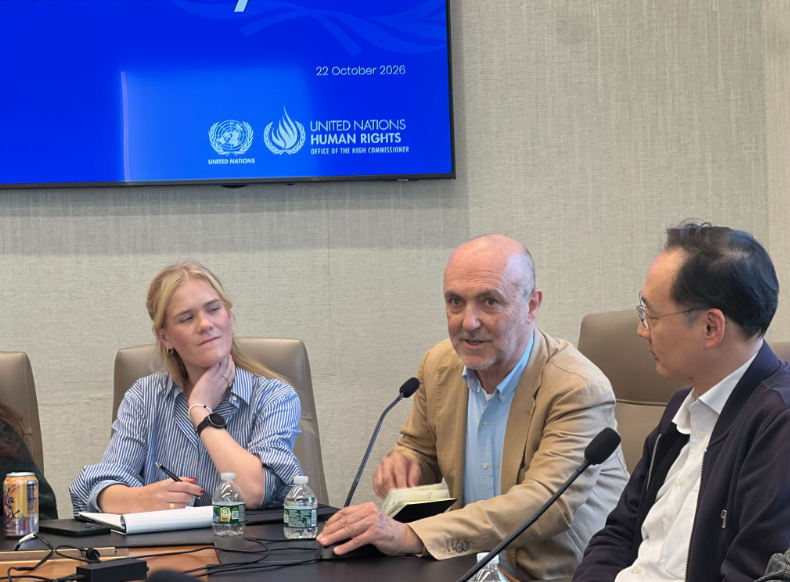
On Wednesday, October 21, The Korea Society hosted a private roundtable, North Korea Human Rights Update, with James Heenan, Representative of the UN Human Rights Office in Seoul. The session was a private discussion with thought leaders on Korea and Korea-US relations. It brought together practitioners from policy, business, academia, and research at The Korea Society’s office at 350 Madison Avenue.
The discussion focused on human rights in the Democratic People’s Republic of Korea (DPRK) and the need to sustain international attention amid competing geopolitical priorities. Speakers covered ongoing violations, recent developments, accountability, and possible openings for engagement.

01 / 03

Has Kim Jong Un's rejection of reunification affected human rights?

Speakers said the policy shift has not led to any improvement in human rights. .

02 / 03

What is happening to North Koreans who cross into China?

Fewer people can leave the DPRK now. Many who do are women looking for income, and they face serious risks of trafficking, including forced marriage and sexual exploitation.

03 / 03

When did separated families last reunite?

The last inter-Korean family reunions took place in 2018. Speakers were concerned that the DPRK uses the prospect of reunions as political leverage.

The Korea Society Honors the Life of Joe “Tanker” McChristian Jr.

Latest News

The Korea Society Honors the Life of Joe “Tanker” McChristian Jr.

On October 23, 2026, Chelsie Alexandre, Geopolitical Affairs Program Officer, represented The Korea Society at the memorial service and interment for Joe “Tanker” McChristian Jr. at the West Point Cemetery at the United States Military Academy. Family, friends and colleagues gathered to celebrate his life and his lasting work for the U.S.-Korea relationship.

Joe was the grandson of General James Alward Van Fleet. He founded and served as President of The Van Fleet Foundation, which works to share his grandfather’s knowledge, wisdom and inspiration by preserving his archives and supporting historical research, publications and programs. Joe was a decorated combat veteran. His honors included three Bronze Star Medals, the Air Medal, the Joint Service Commendation Medal and the Army Commendation Medal. He also had a long career in business, leading corporate start-ups, turning around manufacturing companies and serving in senior management at public corporations.

One of Joe’s most lasting contributions may be the Van Fleet Digital Archive. Under his leadership, the Foundation digitized General Van Fleet’s entire collection, which is held by the George C. Marshall Foundation. It includes about 150,000 documents and several thousand photographs, and it is now free for anyone in the world to use. The archive includes an AI-powered search tool that answers questions in both English and Korean and links each answer to the original sources. Joe recently presented the archive at a Korea Society program on research resources about Korea and U.S.-Korea relations.

General Van Fleet commanded all Allied ground forces in the Korean War from 1951 to 1953. Korea honors him as the Father of the Republic of Korea Army and the Father of the Korea Military Academy. He was a founder and the first President of The Korea Society, and until his death in 1992 at age 100 he thought of Korea as his second home.

The Korea Society is deeply grateful to Joe for carrying his grandfather’s legacy forward and for his devotion to the U.S.-ROK alliance. We extend our heartfelt condolences to his family and loved ones.

The Korea Society Recognizes
Peace Corps Korea Volunteers


Photo credit: Courtesy of Korea Foundation

Latest News

The Korea Society Recognizes Peace Corps Korea Volunteers

A recent article in The Korea Times traces the history of the Peace Corps in Korea and highlights how The Korea Society’s 2008 Annual Dinner played an unexpected role in helping former volunteers return to Korea.

According to the article, September marked the 60th anniversary of the arrival of the first group of Peace Corps Korea Volunteers, known as K-1, in 1966. The Revisit program, organized by the Korea Foundation, gathered former volunteers for a dinner at The Plaza Seoul, joined by family members, former Korean coworkers, and members of Friends of Korea, the nonprofit organization founded by former volunteers in 2002.

The origins of the Revisit program extend back to The Korea Society’s Annual Dinner on April 15, 2008, where the James A. Van Fleet Award was formally presented to Peace Corps Korea Volunteers. Then-President Lee Myung-bak, who was in attendance, was surprised to learn of their work and proposed inviting the volunteers back to Korea. The Korea Foundation has since organized one or two Revisits each year.

Notably, Kathleen Stephens, who served as U.S. ambassador to Korea from 2008 to 2011 and will complete her tenure as Board Chair of The Korea Society at the end of November 2026, was also a Peace Corps Korea Volunteer. Ambassador Stephens taught English in Korea for three years starting in 1975 and entered the U.S. foreign service in 1978, where she acquired fluency in Korean and later became the first Korean-speaker to hold the position of U.S. ambassador to Korea.

Between 1966 and 1981, the Peace Corps sent more than 2,000 young Americans to Korea in 51 groups, from K-1 to K-51. The volunteers taught English in middle schools and universities and provided health education and care, particularly for patients with tuberculosis and leprosy, while building enduring relationships with the communities they served. Initiatives like the Revisit program and organizations like Friends of Korea help former volunteers stay connected with Korea and further grow the bond between Koreans and Americans.

The Korea Society is proud to recognize the bonds first formed six decades ago by Peace Corps Korea Volunteers that continue to offer a strong foundation for deepening people-to-people connections between Korea and the United States.

Read the full article here.

The Next Chapter: Upgrading the U.S.-ROK Alliance to Meet the Times


Photo credit: AP Photo/Ahn Young-joon

Latest News

The Next Chapter: Upgrading the U.S.-ROK Alliance to Meet the Times

The Korea Society President & CEO Abraham Kim wrote about the challenges facing Washington and Seoul amid rising geopolitical tensions and the shifting global order. President Kim argued that the resilient U.S.-Korea alliance will not be so easily swayed and organizations like The Korea Society are equipped to support the expansion of Korean investment in the United States as well as collaboration in critical sectors such as shipbuilding and civil nuclear energy.

Read the full article here. 

The Korea Society’s Abraham Kim, Ph.D., and Amb. Kathleen Stephens Meet the Press in Seoul 

Photo credit: The Hankyoreh (2026.2.10)

Latest News

The Korea Society’s Abraham Kim, Ph.D., and Amb. Kathleen Stephens Meet the Press in Seoul 

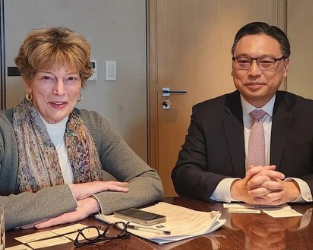
During his inaugural visit to Seoul as President & CEO of The Korea Society, Abraham Kim, Ph.D., met with members of the press alongside Board Chair Kathleen Stephens, former U.S. Ambassador to the Republic of Korea. The press conference was an opportunity for him to share his vision for the organization and his outlook on U.S.–Korea relations.

When asked about ongoing tensions over tariffs and regulations, he noted that constructive nonprofit organizations help remind decision makers of the significance of the relationship over the long term.

“When there are differences of opinion and friction, what matters is communication,” he said, expressing his hope that The Korea Society can serve as a bridge connecting governments and businesses in both countries. Ambassador Stephens added her hope that such issues would be addressed in the spirit of the alliance, from a perspective of mutual benefit rather than zero-sum competition.

Abraham Kim, Ph.D., who took office in January 2026, as the first Korean American president in The Korea Society’s nearly 70-year history, reflected on his experience growing up in the United States. He recalled that many people in the United States did not know where Korea was, and he described Korea’s growing presence in food, music, drama, and beauty as an exciting change from when The Korea Society was first established in 1957.

With Korean investment in the United States continuing to thrive, he shared that he looks forward to expanding the Society’s presence across more regions, offering cultural, policy, and educational programs, and strengthening connections between Korean and American governments and businesses.

Read more from the press conference in The Chosun Ilbo. 

A Milestone Trip to Seoul and a Strong Start Toward Our 70th Anniversary 

Latest News

A Milestone Trip to Seoul and a Strong Start Toward Our 70th Anniversary 

The U.S.–Korea alliance is growing well beyond security, and Korea’s leaders are ready to build its next chapter with The Korea Society.

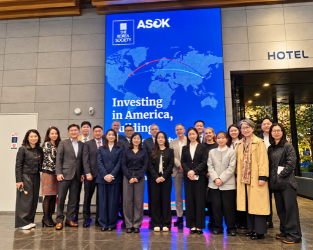
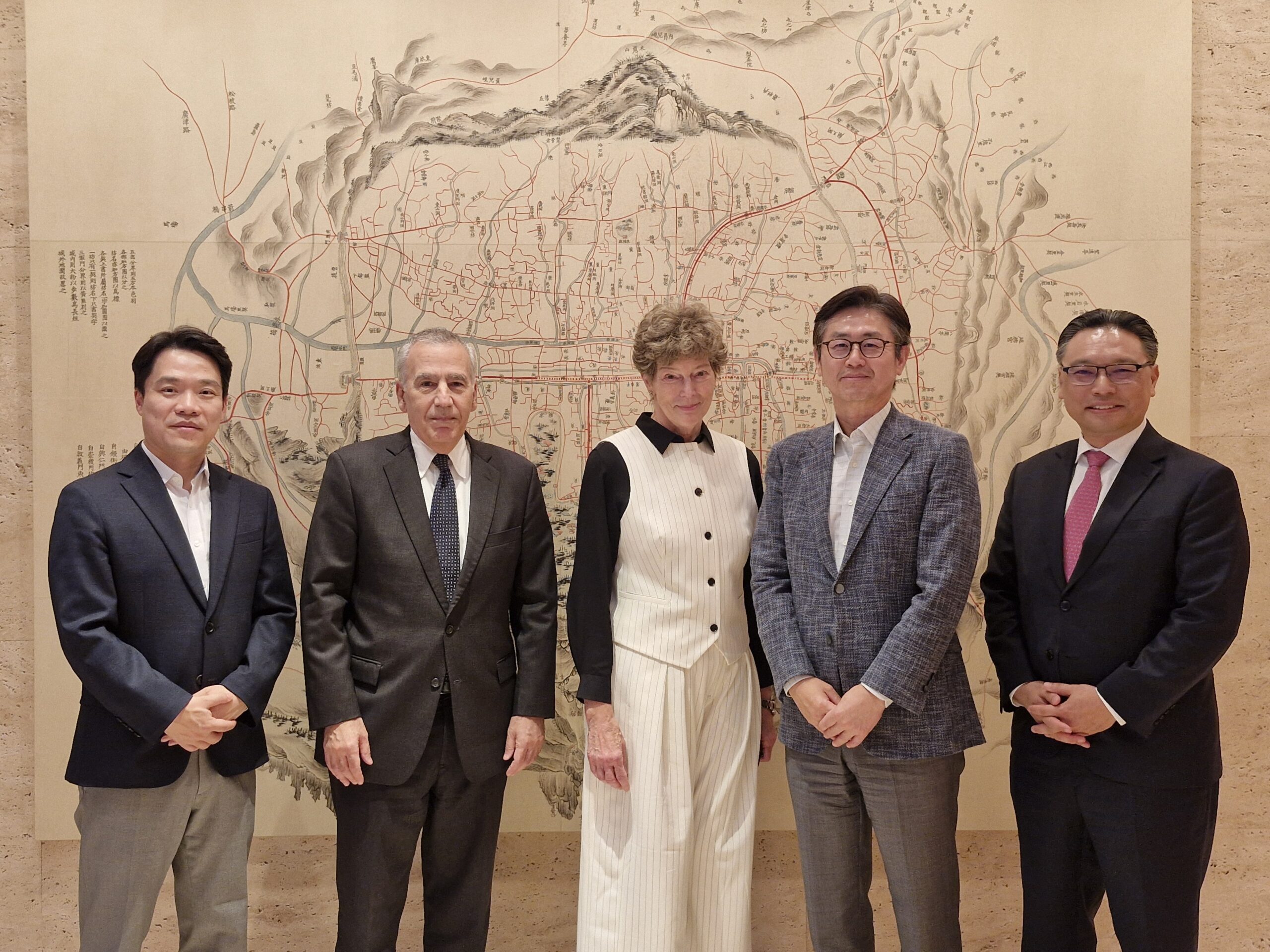
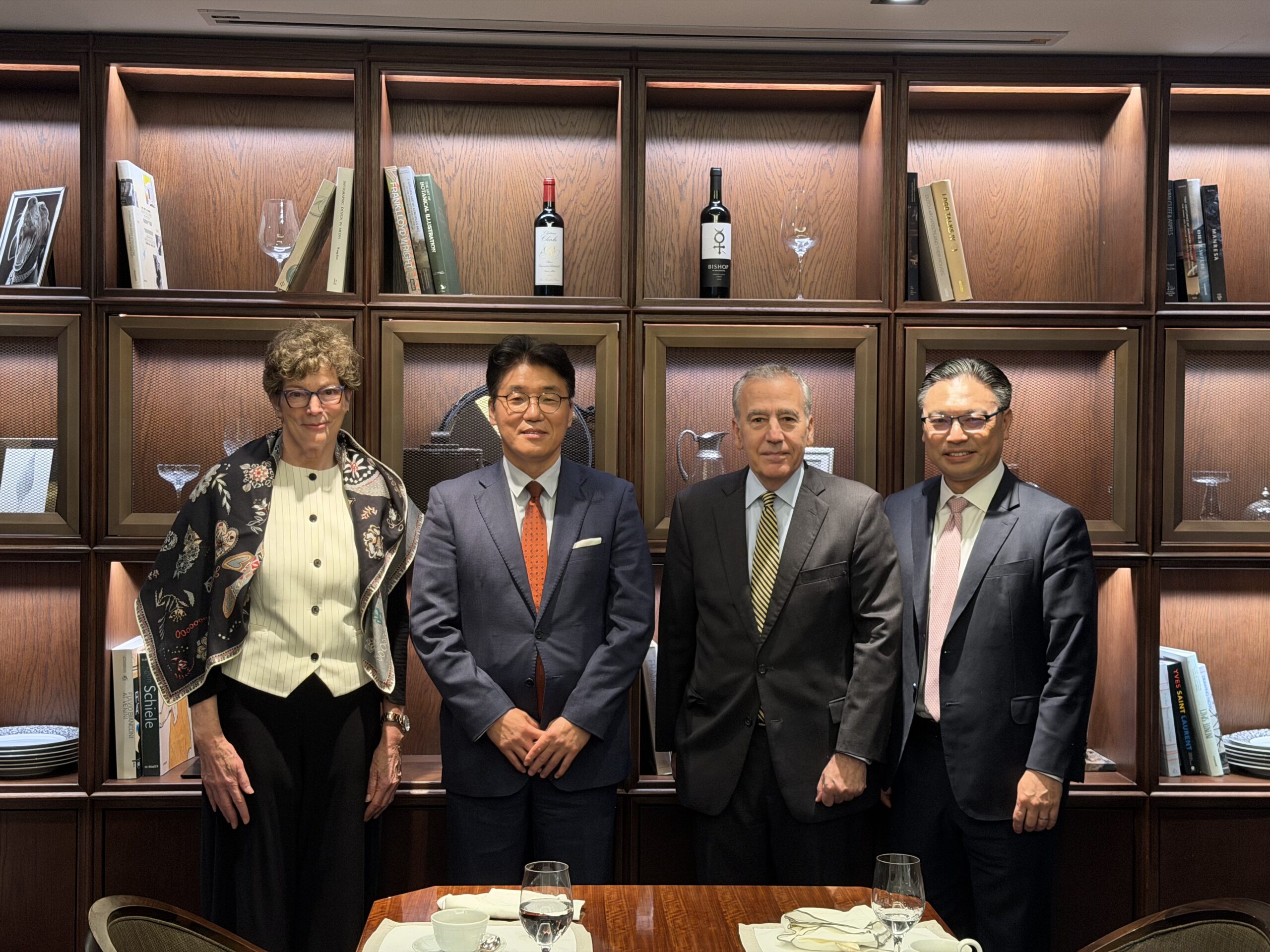
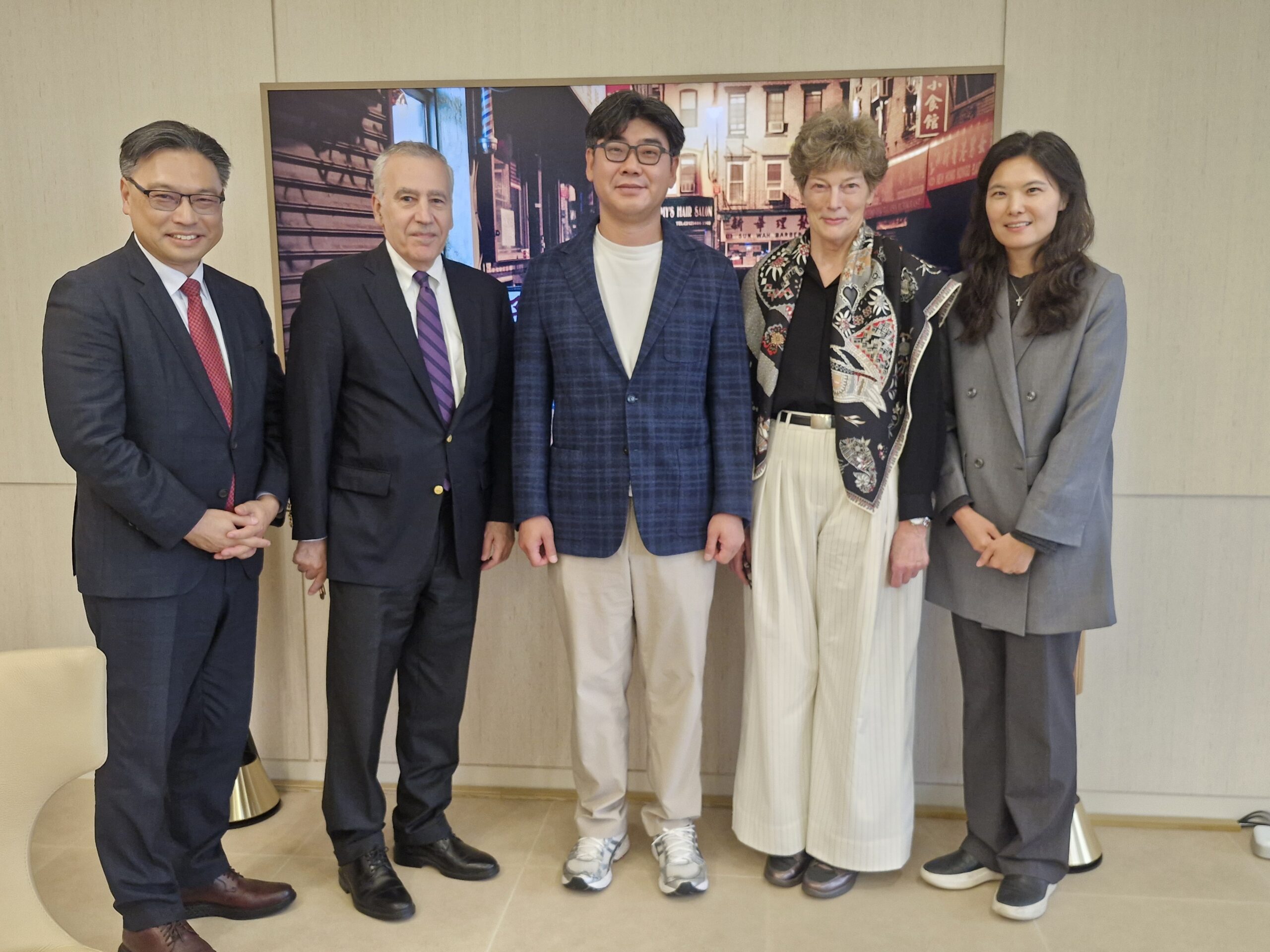
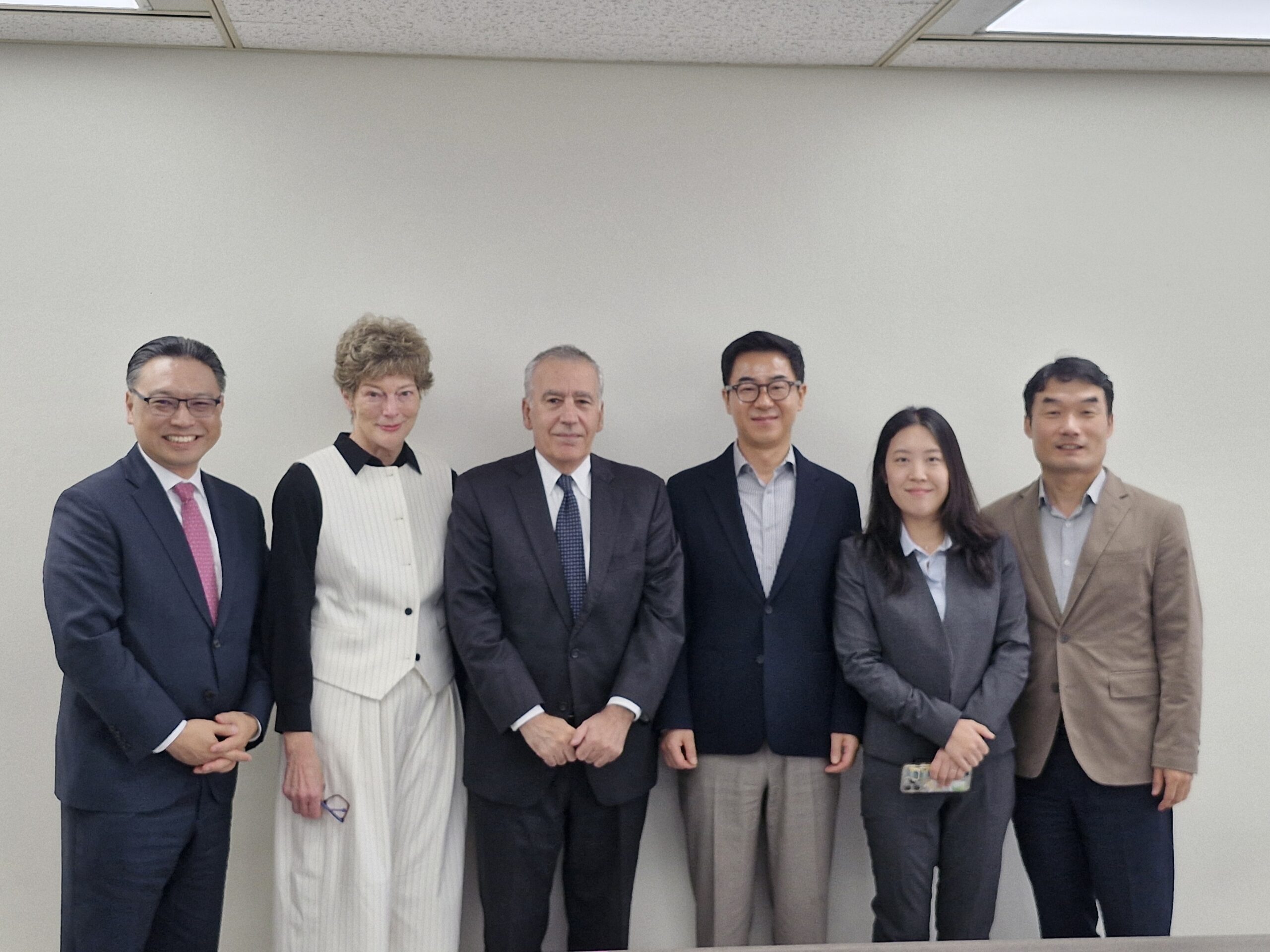
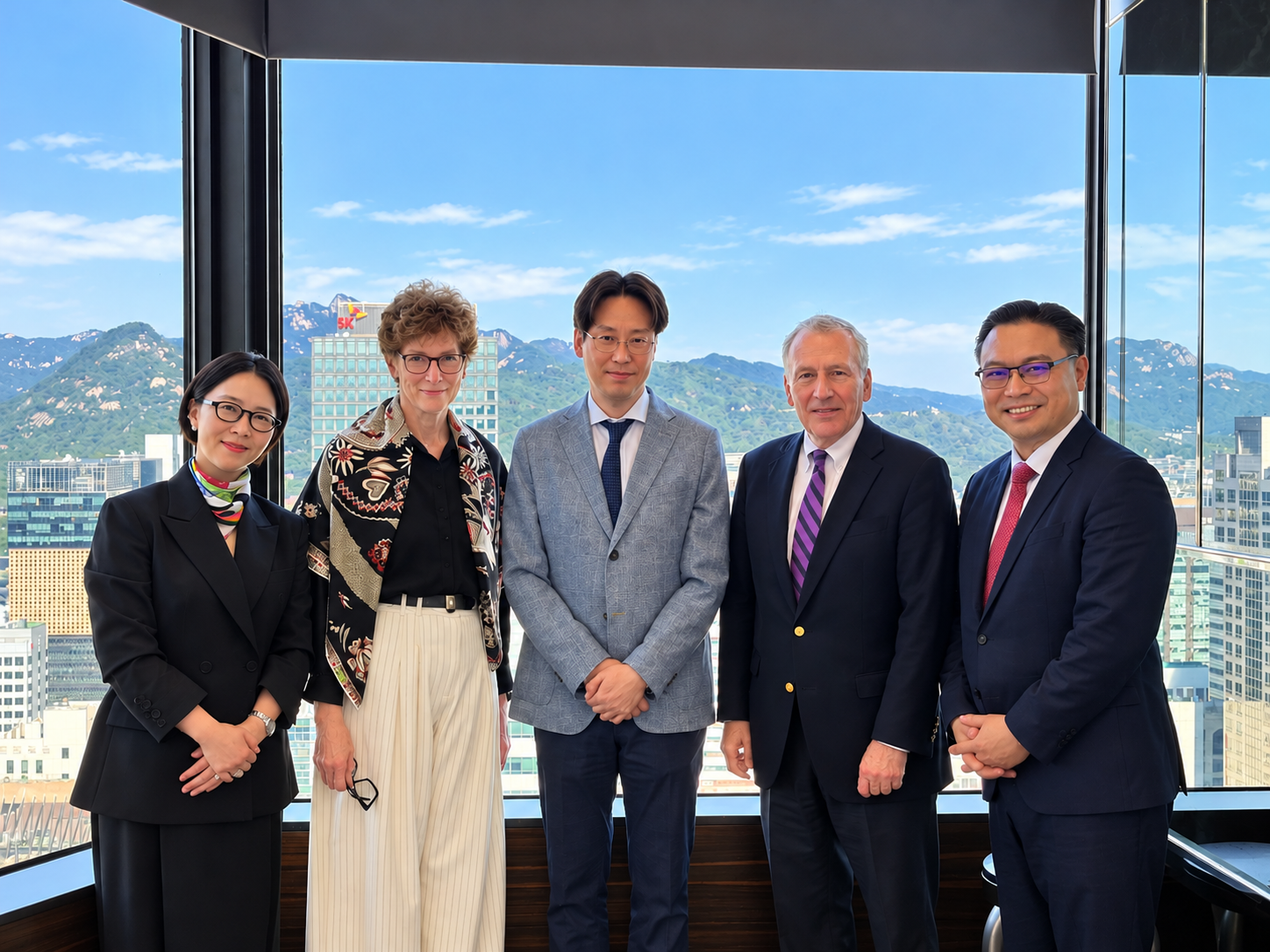
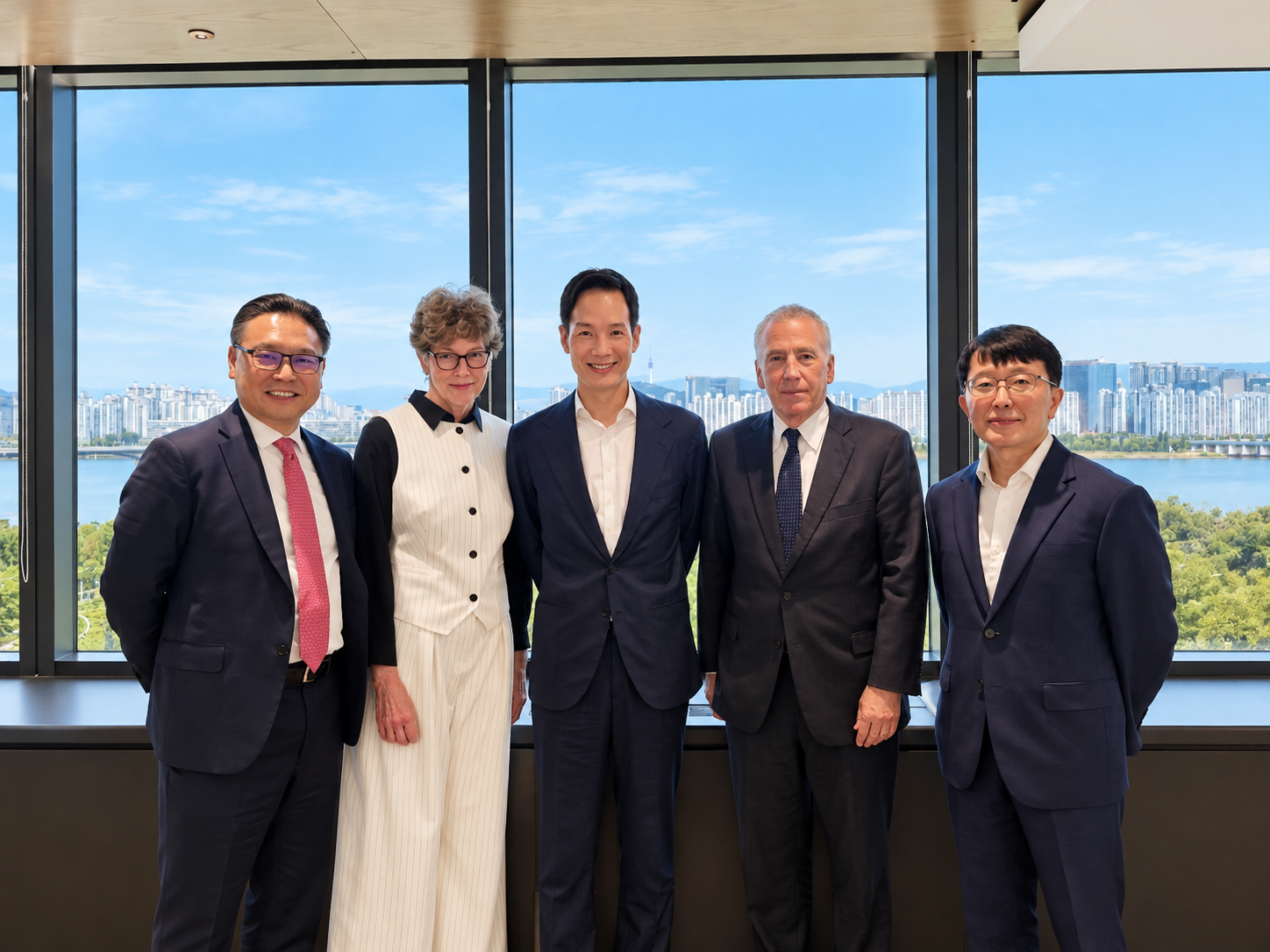
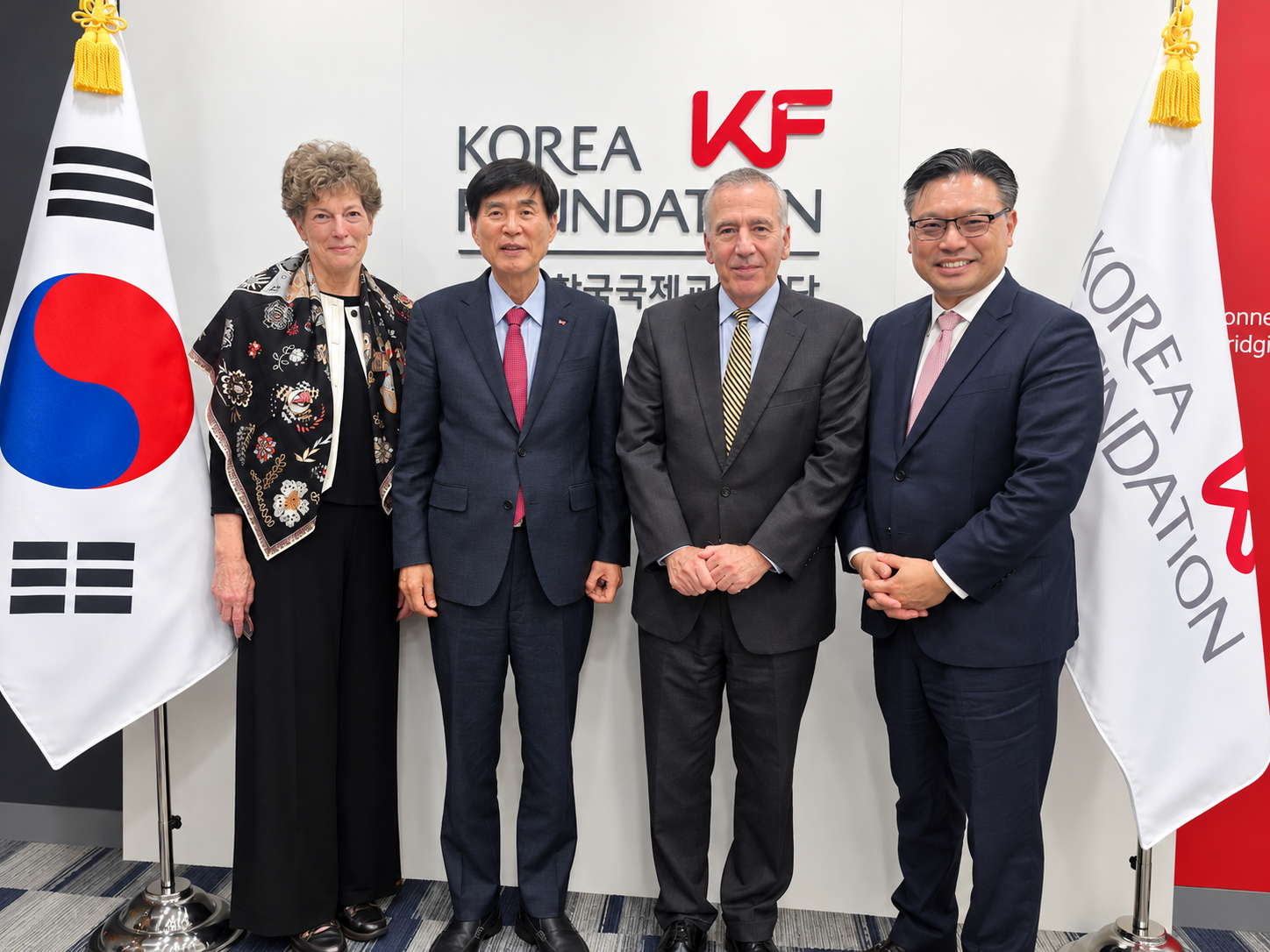
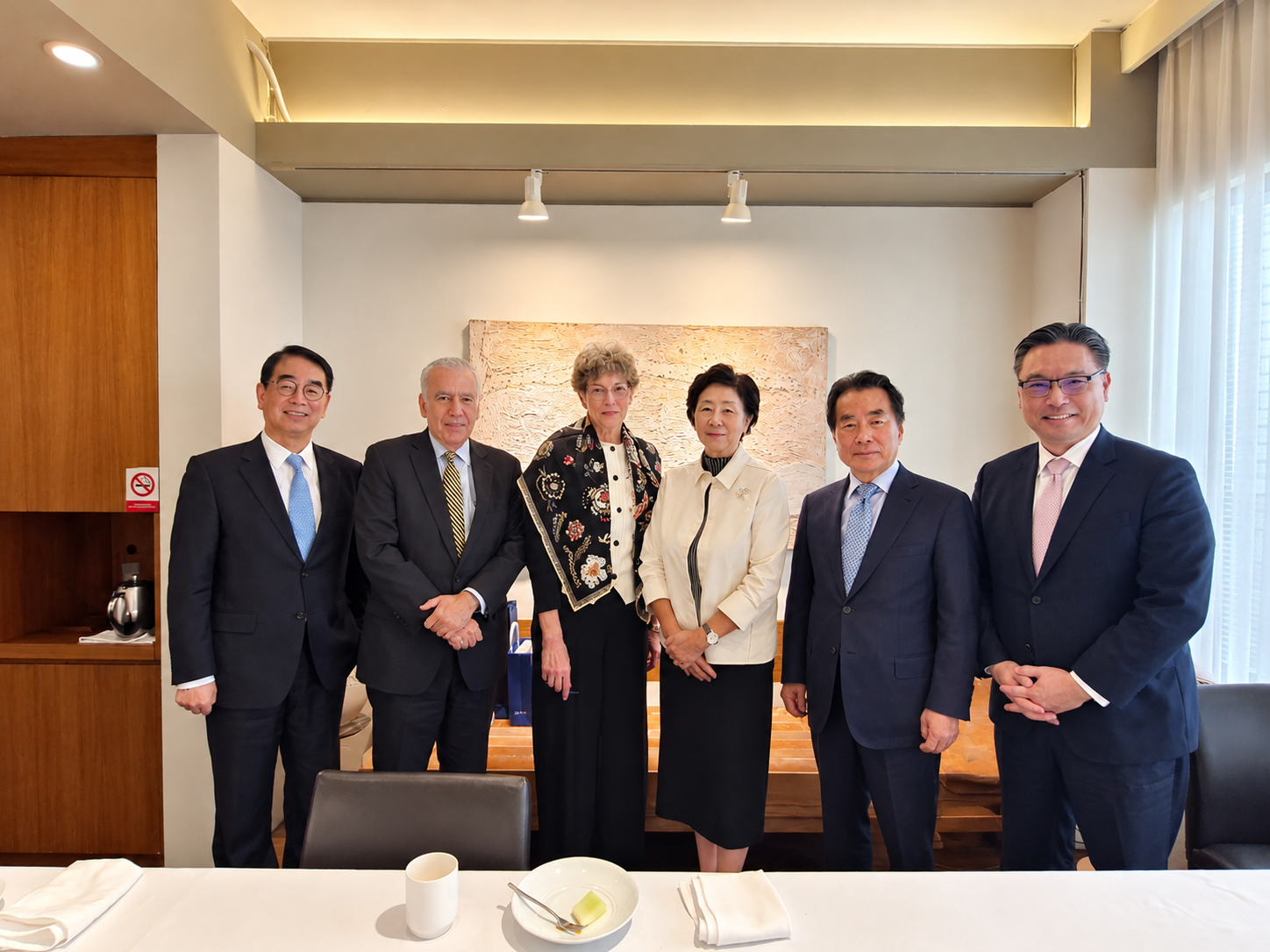
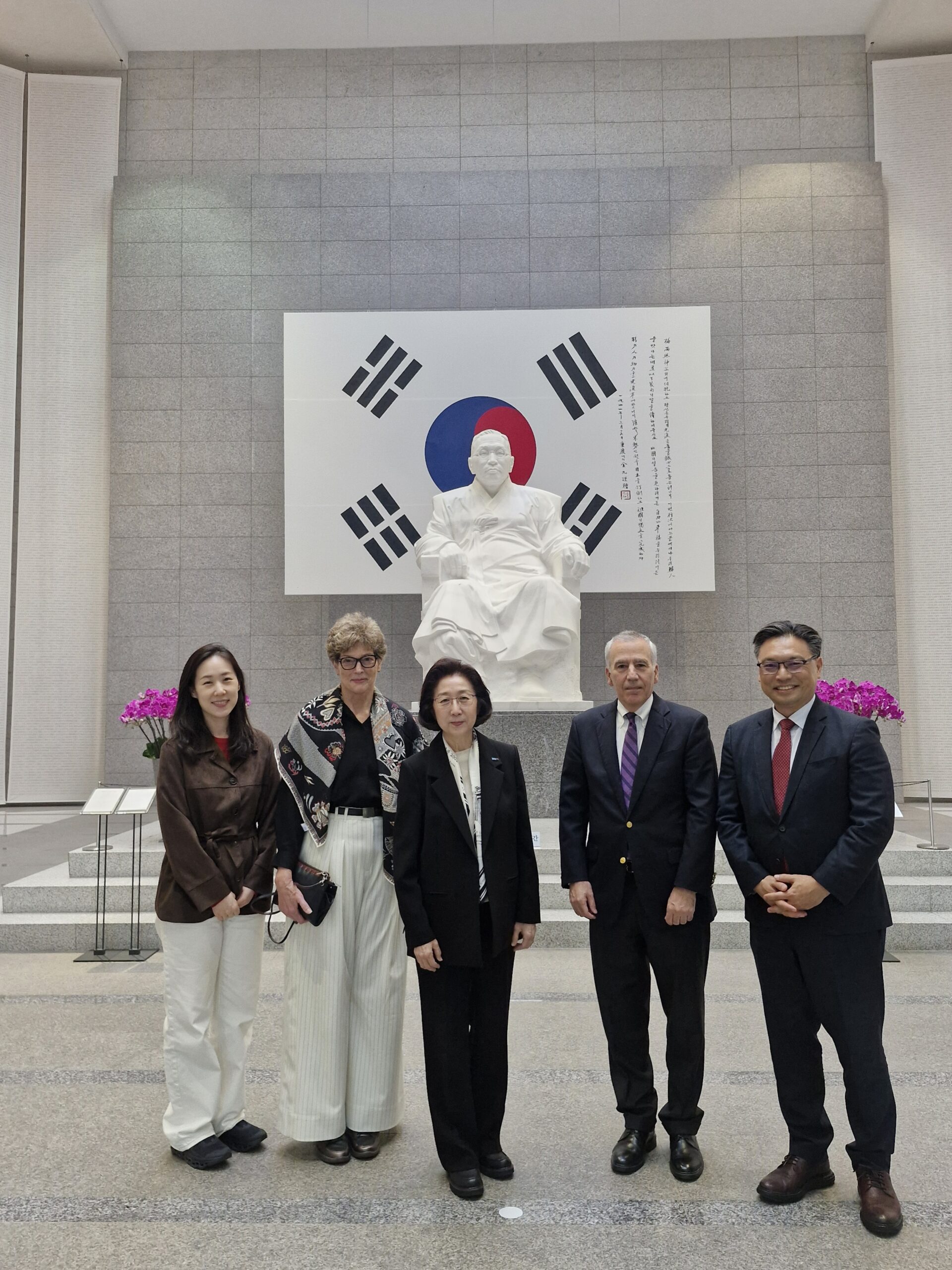
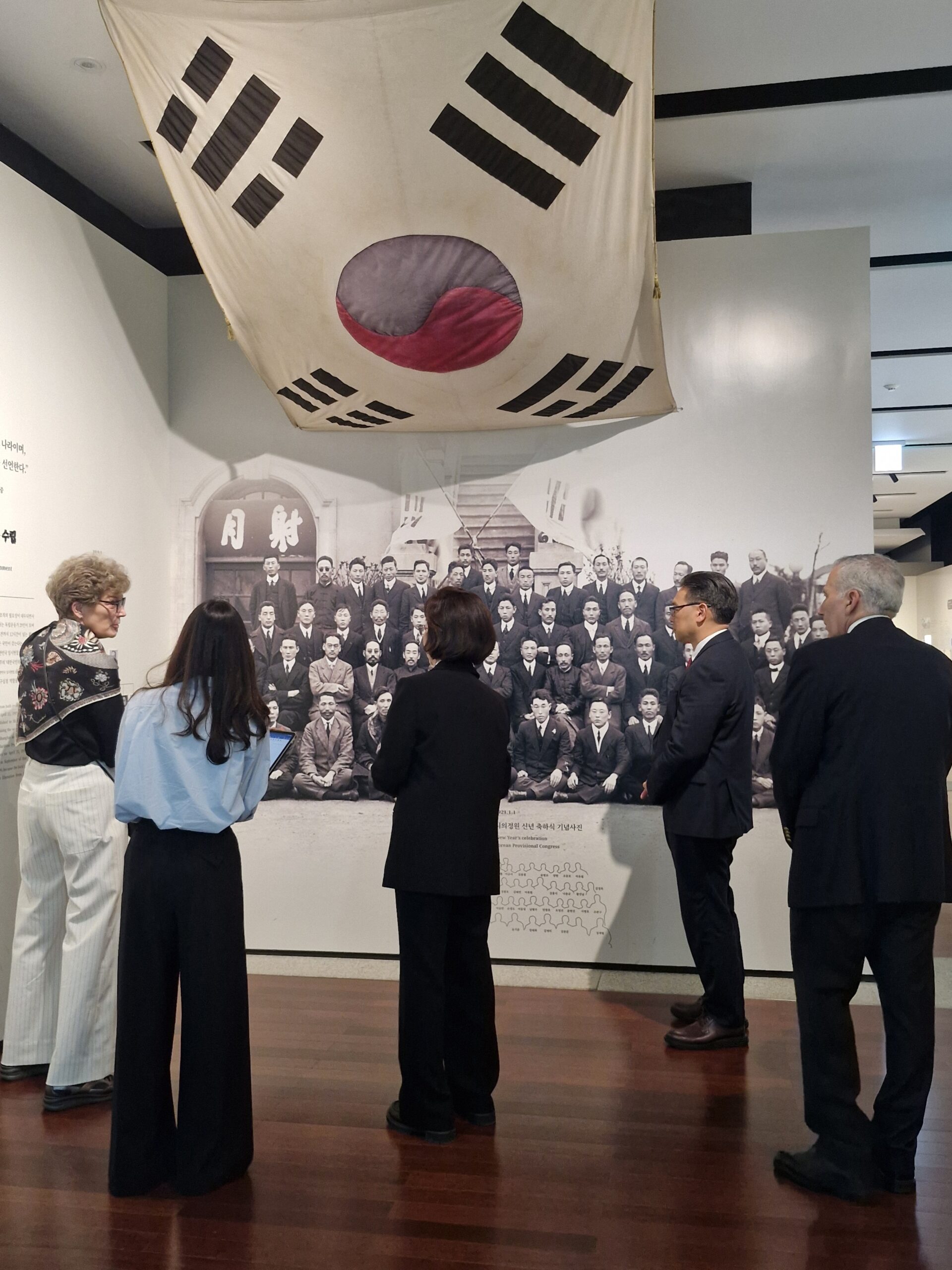
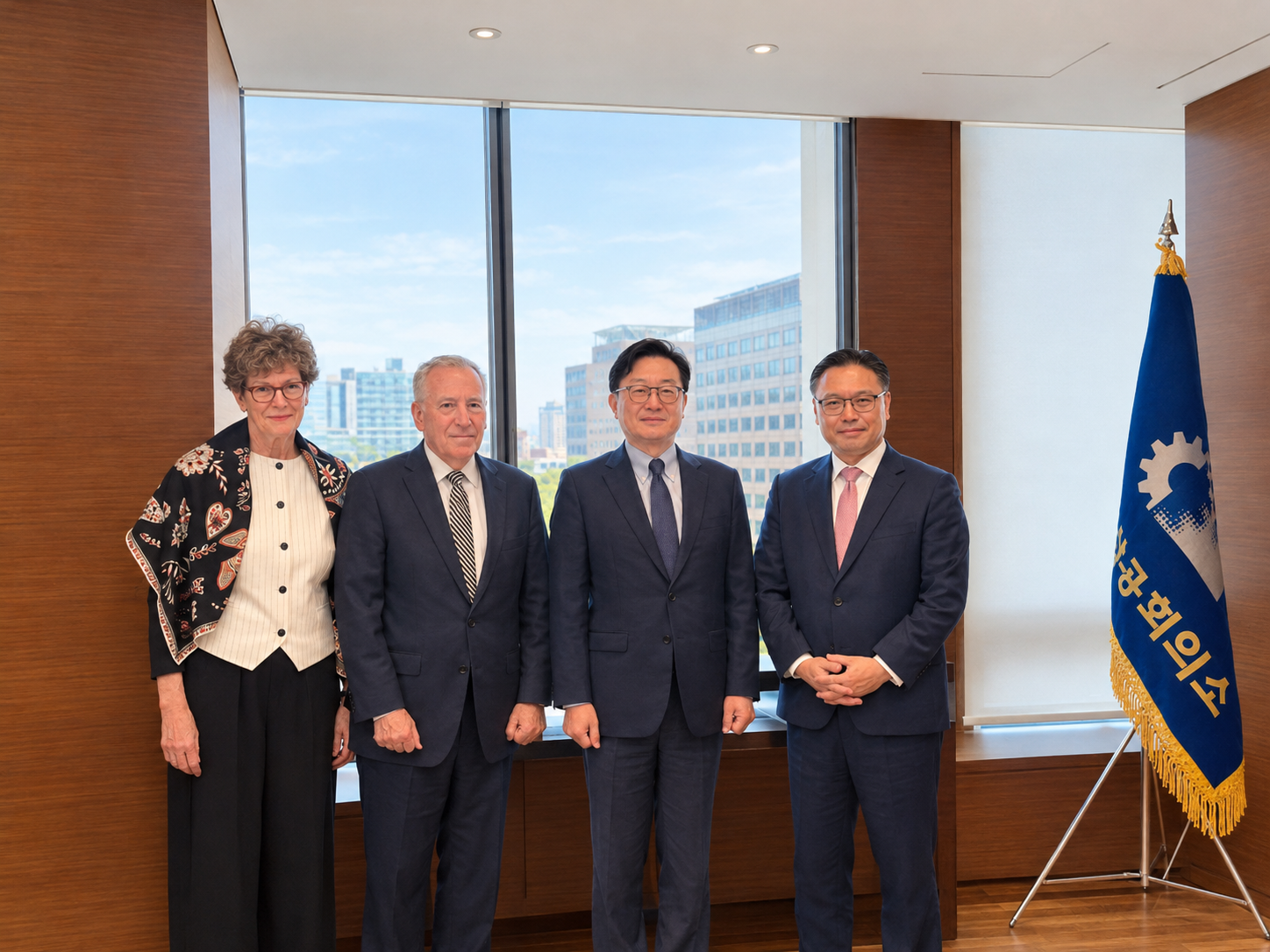
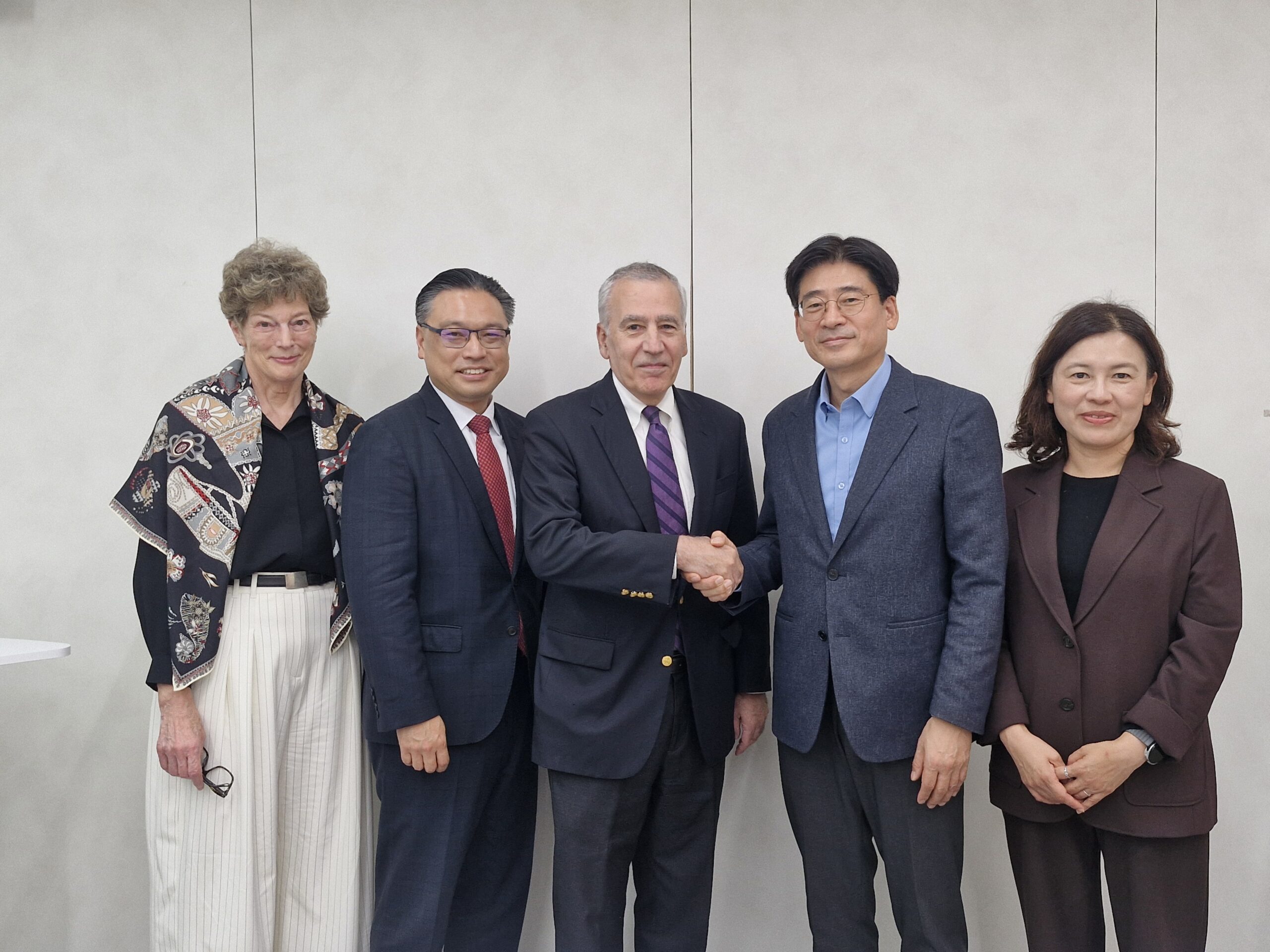
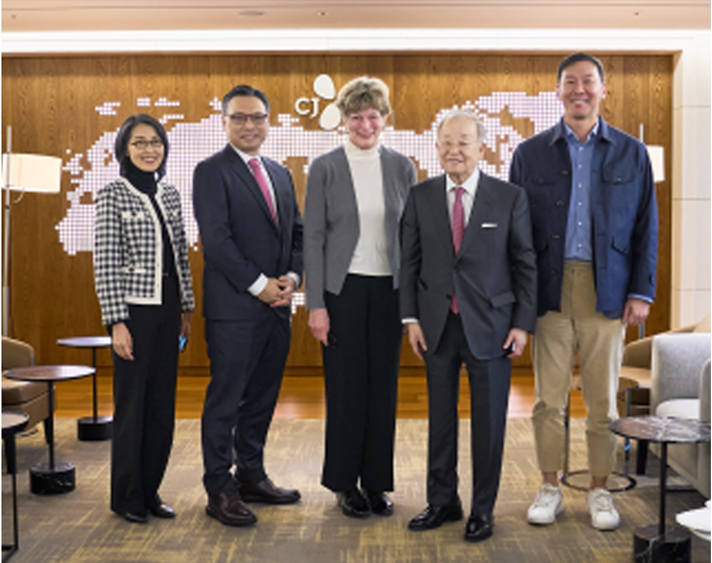
From October 19 to 22, 2026, Korea Society leadership traveled to Seoul for nearly 25 meetings in four days, building on the momentum of our record-setting September 28 Annual Gala honoring NVIDIA CEO Jensen Huang. The delegation included:

  • Amb. (ret.) Kathleen Stephens, Board Chair
  • Amb. (ret.) Philip Goldberg, Incoming Board Chair
  • Dr. Abraham Kim, President & CEO
  • Hae Kyung Ahn, Senior Advisor for Outreach

The delegation met with valued sponsors, senior officials, business associations, media leaders, and institutional partners, including:

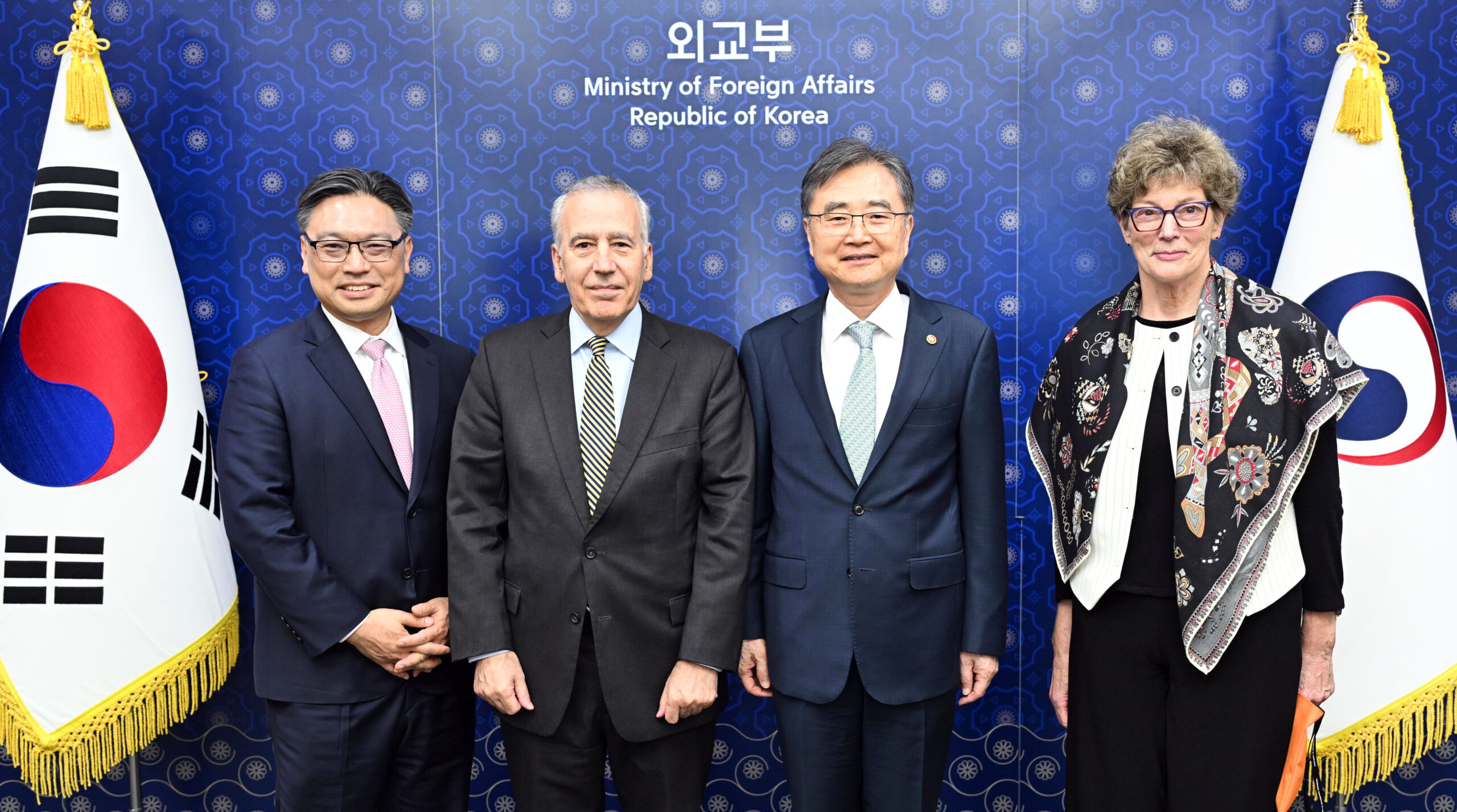
  • Foreign Minister Cho Hyun
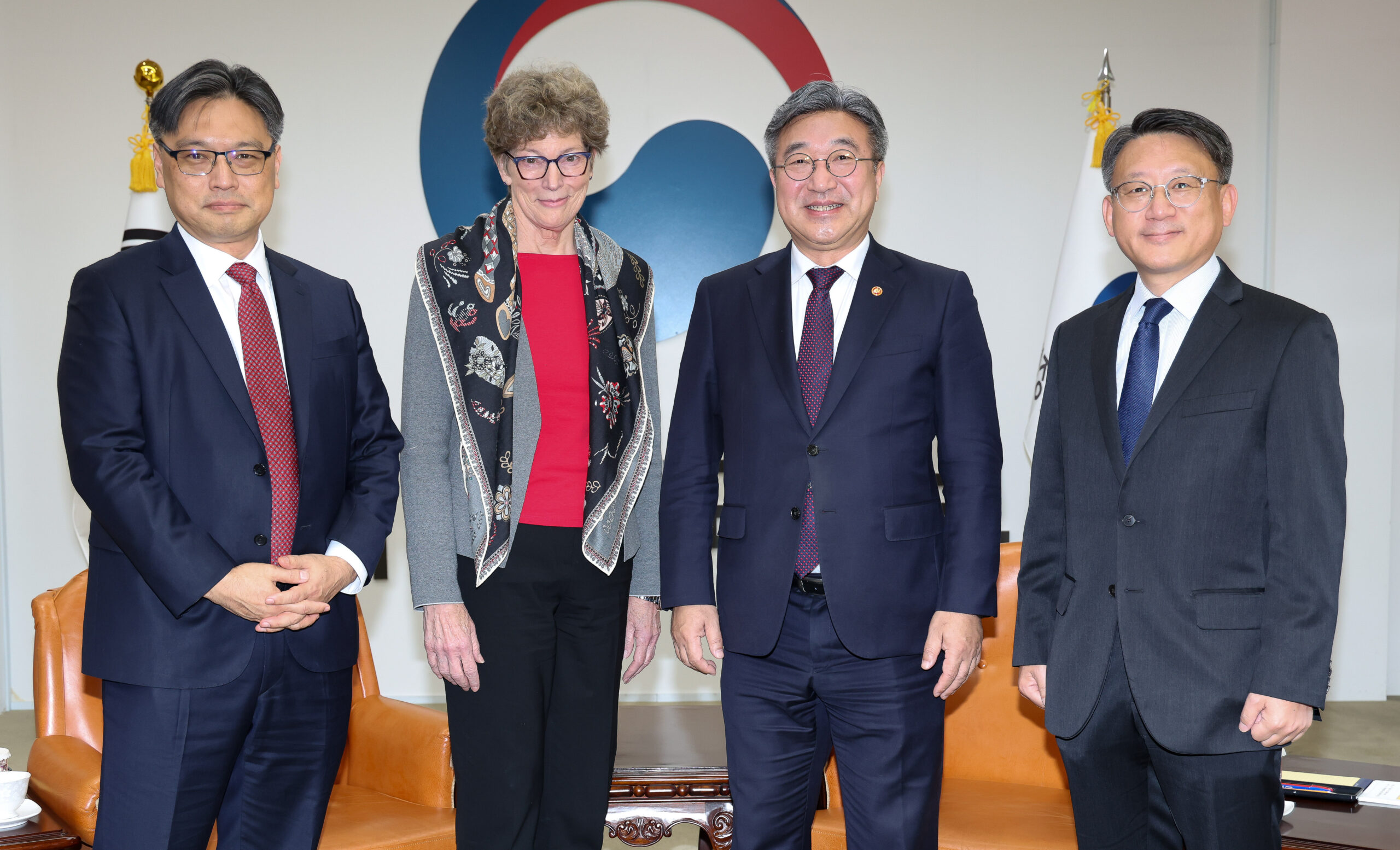
  • Minister of the Interior and Safety Yun Hojung
  • Hanwha Life Vice Chairman Kim Dong Won
  • Doosan Business Research Institute CEO Dr. Kim Seong-Tae
  • Hyundai Motor Group President Amb. (ret.) Sung Kim
  • Samsung Electronics President Kim Won-Kyong
  • LG Global Strategy Center President Amb (ret.). Ko Yunju
  • Chong Kun Dang Holdings Chairman Dr. Rhee Jang Han
  • Dunamu Chairman Song Chi-hyung
  • Yougone Corporation Vice Chairman Sung Rae Eun
  • Misto Holdings President Kevin Yoon
  • CKD Kochon Foundation Chair Chung Jae Jung
  • Kim Koo Foundation Chairperson Dr. Kim Mee
  • Korea Foundation President Amb (ret.) Song Guido
  • AmCham Korea Chairman James Kim
  • Korea Chamber of Commerce and Industry (KCCI) Vice Chairman Kim Jeong Il
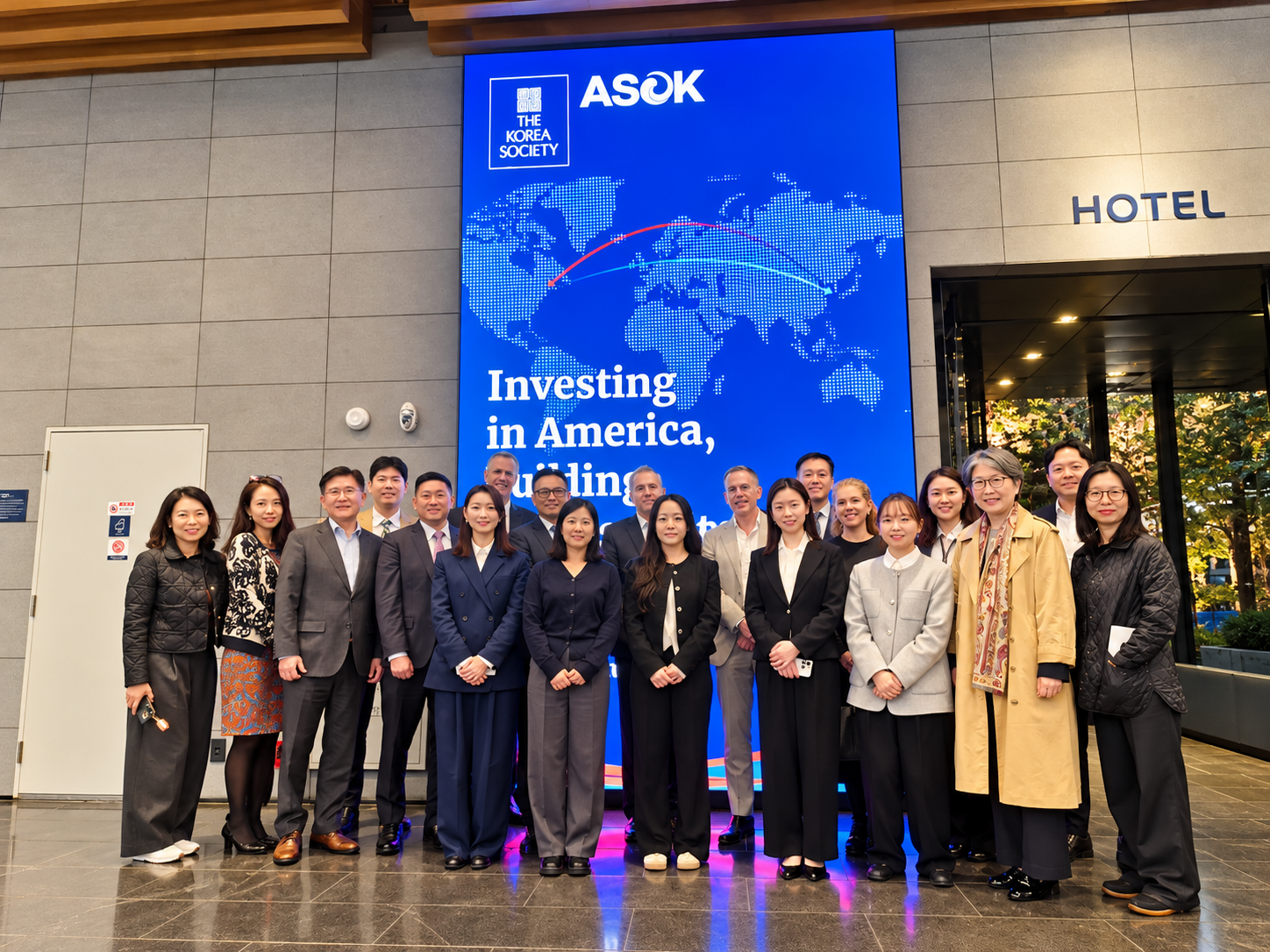
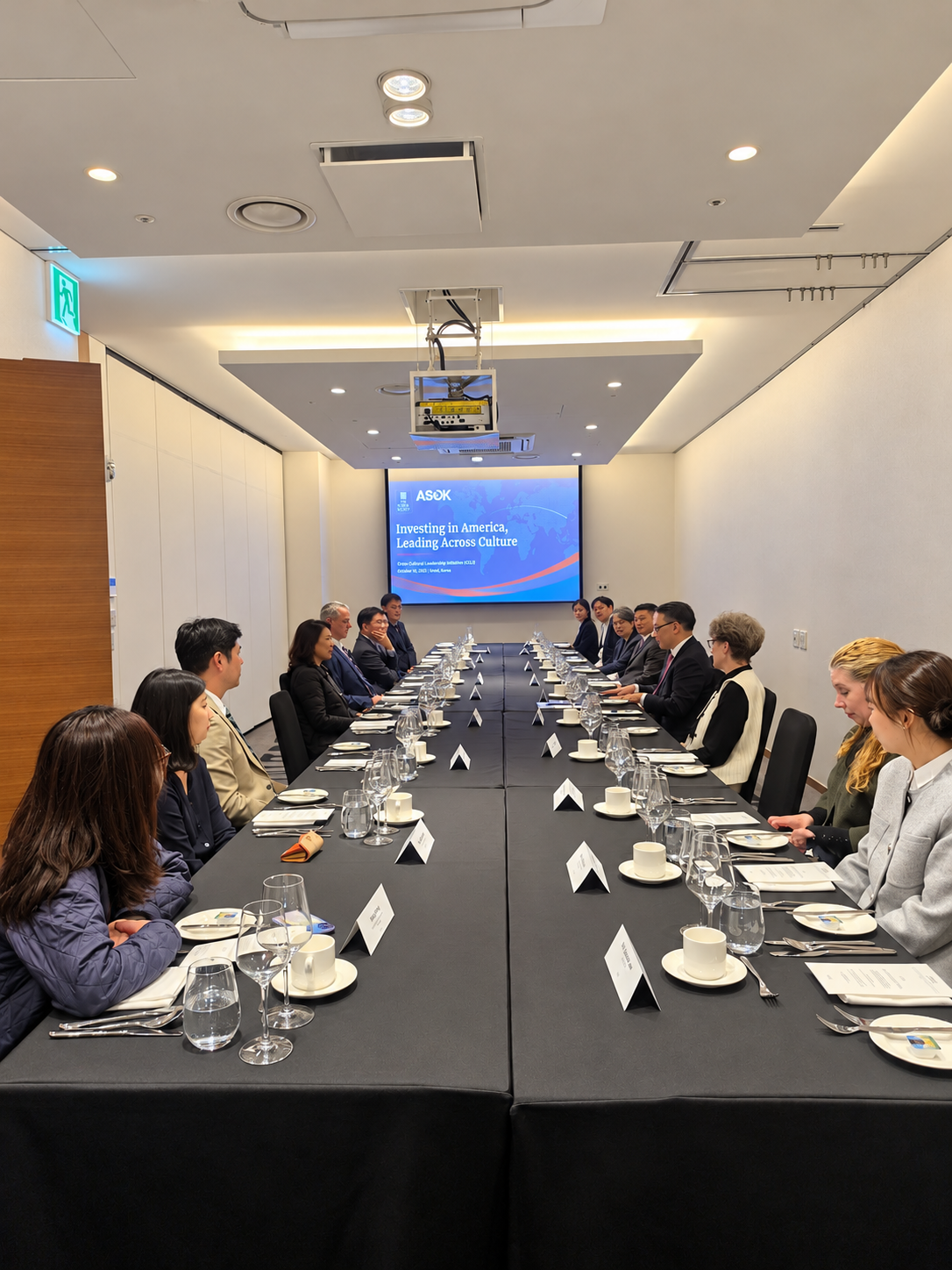
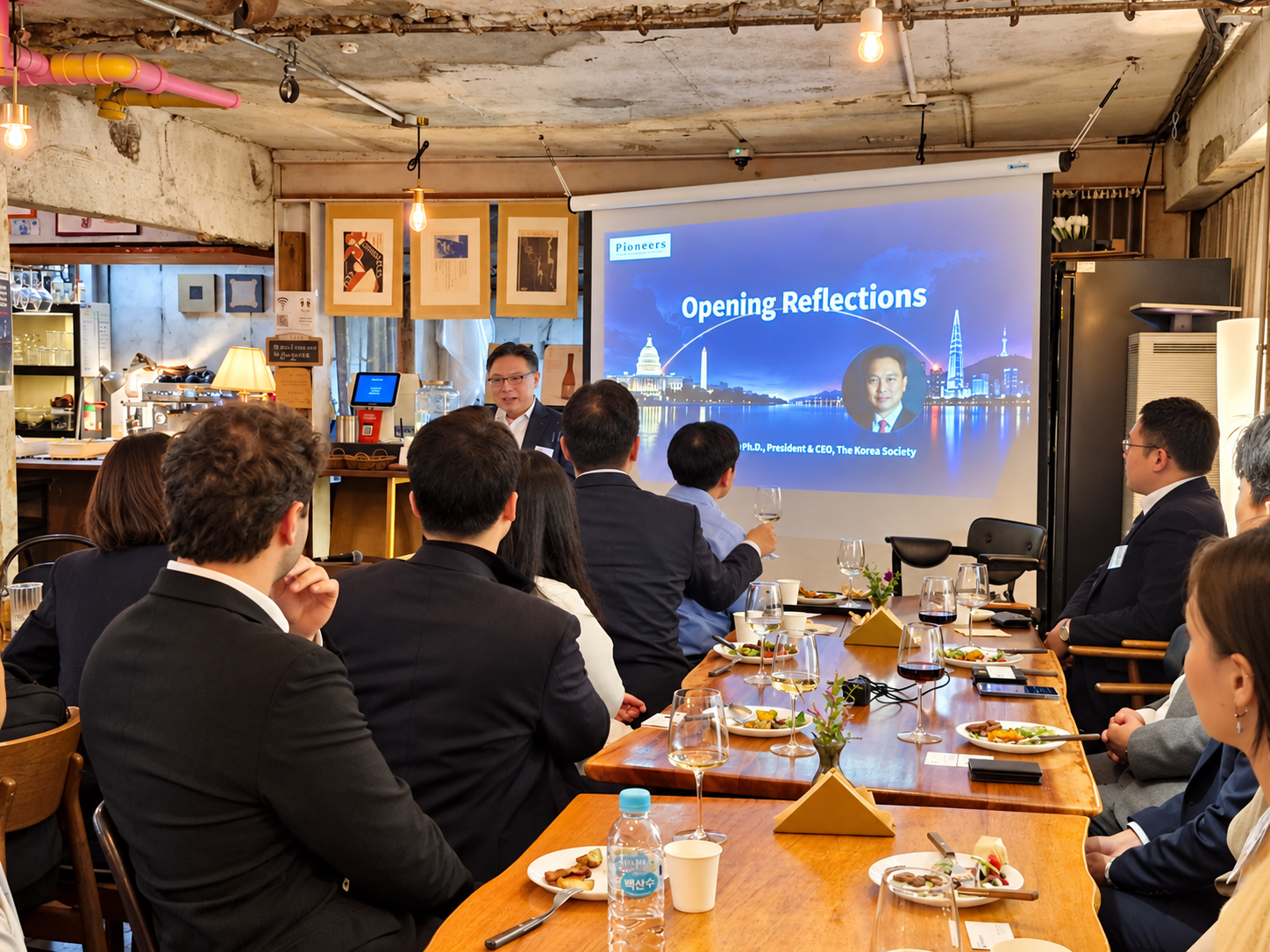
  • Association of American State Offices in Korea (ASOK), Kwanhun Club and Korea Peninsula Pioneers Group, a network of young professionals

Highlights from the trip:

  • Cross-Cultural Leadership Initiative (CCLI): Partners embraced CCLI as a practical response to workforce and community integration challenges tied to Korean investment in Georgia, Tennessee, Alabama, Texas, and beyond.
  • National outreach: Leaders voiced broad support for The Korea Society expanding beyond New York and Washington, DC.
  • AI and energy: Discussions spotlighted AI infrastructure, robotics, nuclear and gas power, and energy storage as the next pillars of the alliance.
  • Next-generation engagement: Partners encouraged new ways to reach younger Americans, Korean Americans, and young Korean professionals, including through digital media.
  • 70th anniversary: Partners committed to collaborating on and supporting 2027 programming in Seoul and New York.
  • Board leadership transition: Partners joined us in thanking Amb. (ret.) Kathleen Stephens for six years as Board Chair and welcoming Amb. (ret.) Philip Goldberg as our incoming Chair.

Across every meeting, the message was clear:
Korean government, corporate, and civic leaders see

The Korea Society as a trusted, non-partisan bridge.

The best is ahead.
Stay connected as we build toward our 70th anniversary in 2027!

01 / 02

What does the 70th anniversary represent for the future of The Korea Society?

The Korea Society traces its roots to 1957 when a group of prominent Americans, under the leadership of General James A. Van Fleet, who commanded the U.S. armed forces in the final phase of the Korean War, established the first nonprofit organization in the United States dedicated to the promotion of friendly relations between the people of the United States and Korea “through mutual understanding and appreciation of their respective cultures, aims, ideals, arts, sciences and industries.”

As the U.S.–Korea relationship has evolved, so has the Society's work, expanding beyond traditional cultural exchange to address emerging priorities, including trade, investment, technology, supply chain resilience, leadership development, and people-to-people connections. Our task now is to widen that circle — beyond New York and Washington, to every region where Korea has become part of American life.

02 / 02

What is the Cross-Cultural Leadership Initiative (CCLI)?

The Cross-Cultural Leadership Initiative (CCLI) is a leadership development program of The Korea Society designed to help Korean and American companies build stronger, more integrated workplaces as economic ties between the two countries deepen.

CCLI equips leaders and managers with practical tools to lead multicultural teams, navigate differences in workplace culture, strengthen workforce integration, and build trust with local communities. Drawing on The Korea Society’s network of business, workforce, and cross-cultural experts, CCLI offers programs and training that can be tailored to the needs of individual organizations.

NVIDIA CEO Jensen Huang
Named Recipient of
The Korea Society’s Van Fleet Award


Photo credit: Yonhap News Agency (2025.10.30)

Latest News

NVIDIA CEO Jensen Huang Named Recipient of The Korea Society’s Van Fleet Award

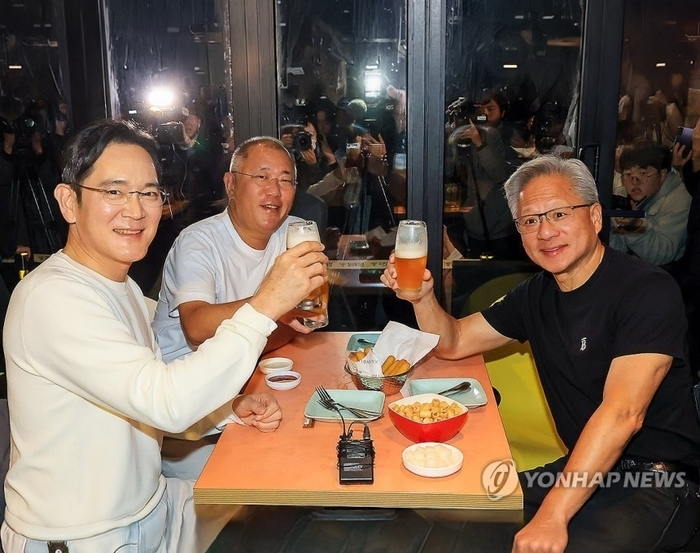
At a press conference in New York City on May 14th, President & CEO of The Korea Society, Dr. Abraham Kim, announced NVIDIA founder and CEO Jensen Huang as the recipient of the 2026 General James A. Van Fleet Award, and shared plans for the organization to expand activities nationwide.

Presented annually since 1995, the Van Fleet Award honors Korean and American individuals or entities who have made outstanding contributions to the partnership between the United States and Korea. The award recognizes Mr. Huang for his pioneering leadership in the artificial intelligence and semiconductor industries, which lie at the heart of economic cooperation between the two countries, and for his longtime partnerships with leading Korean innovators, including Samsung Electronics and SK Group.

“NVIDIA and Korean companies are creating the future of the global technology environment together,” said Dr. Kim. “The cooperation of these companies will lead to next-generation technological innovation and further strengthen cooperation between South Korea and the U.S. for generations to come.”

Dr. Kim also shared The Korea Society’s plans to extend its activities beyond New York and Washington, D.C. to regions across the United States. As the U.S.-Korea relationship evolves well beyond security and defense, The Korea Society will expand its focus from simply raising awareness of Korea to facilitating practical cooperation and connection between key decision makers and among communities. 

Read more from the press conference in Maeil Business Newspaper.

Cross-Cultural Leadership Initiative at SK Americas

Latest News

Cross-Cultural Leadership Initiative at SK Americas

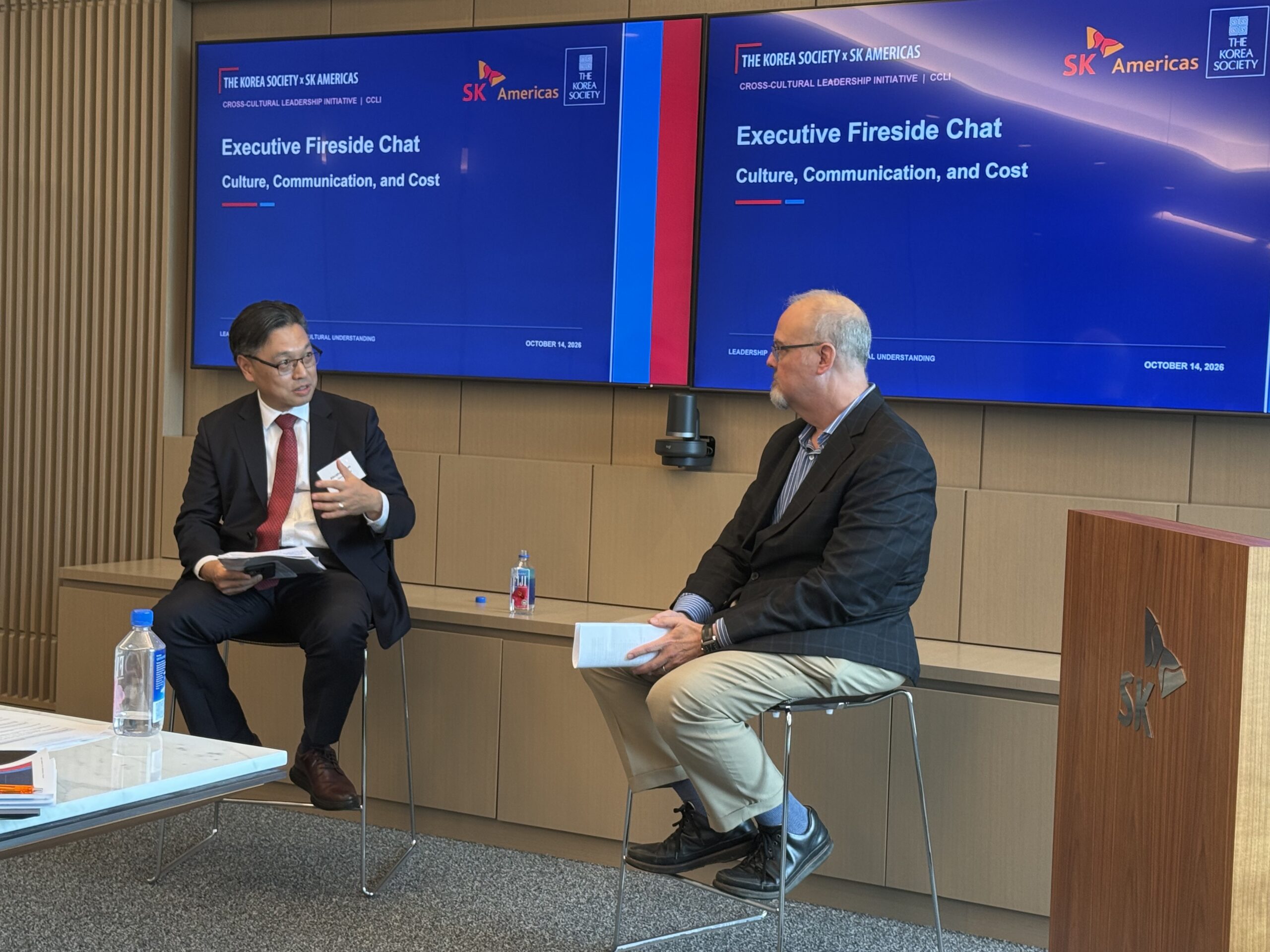
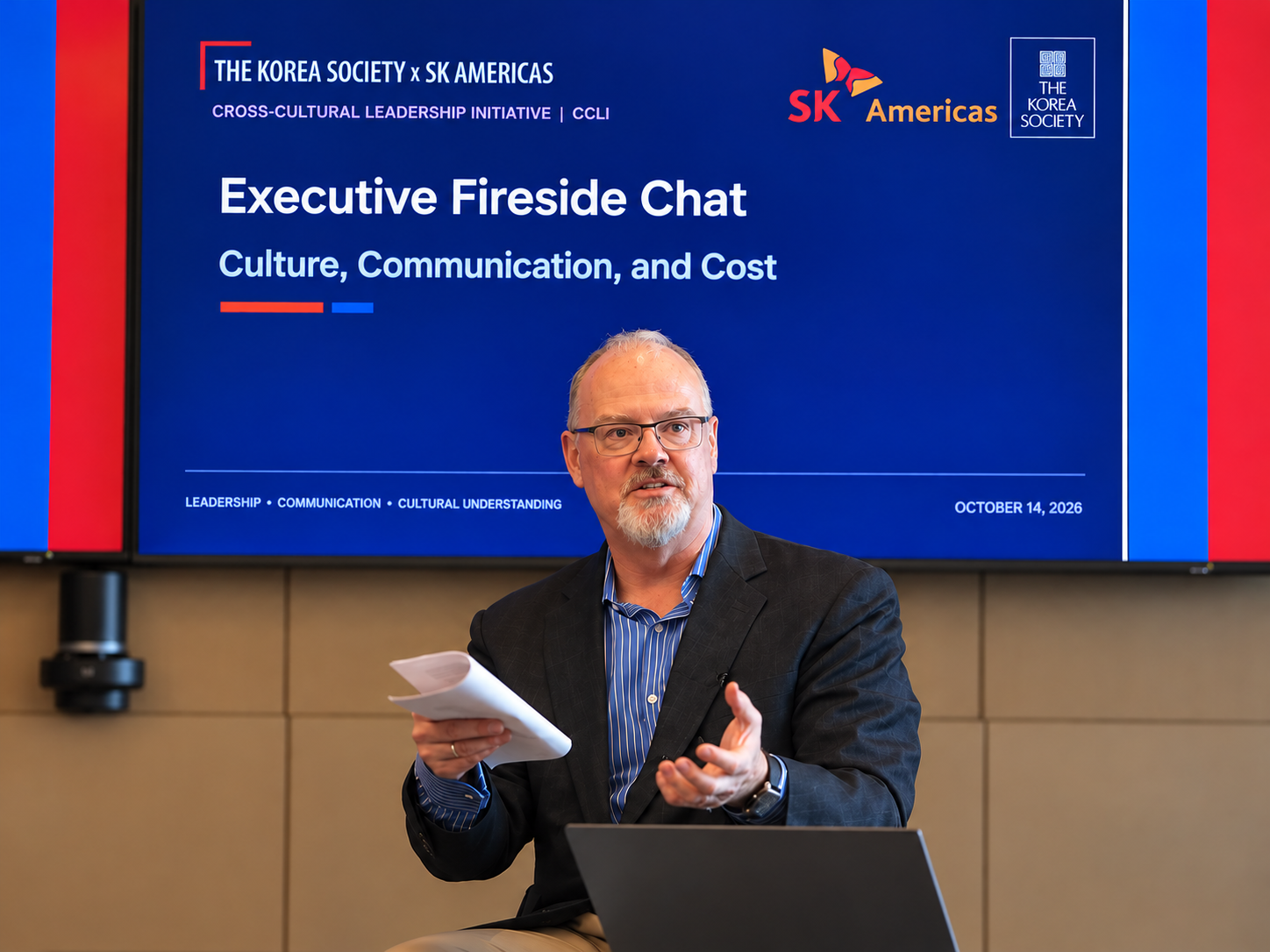
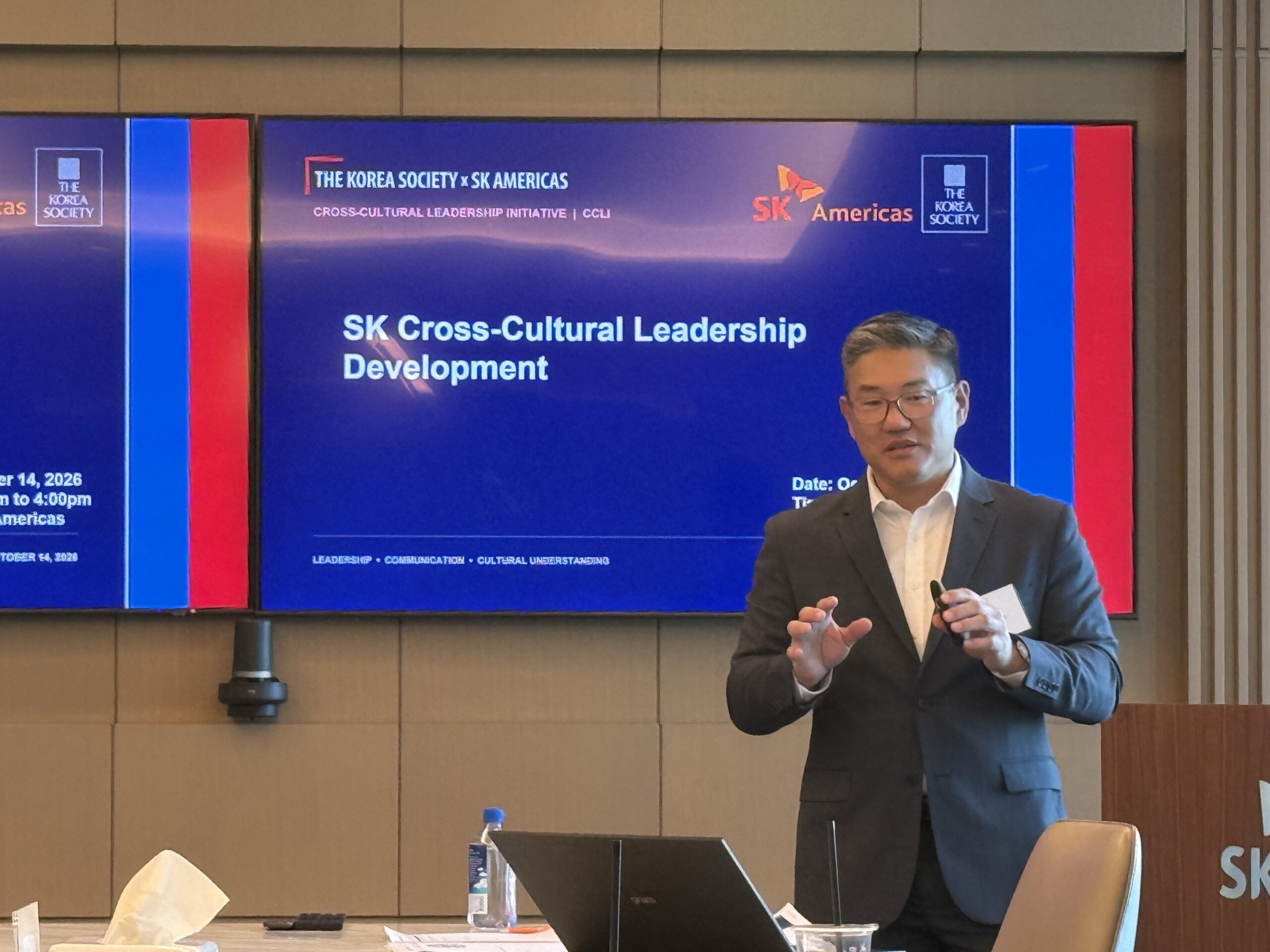
On October 14, The Korea Society brought its Cross-Cultural Leadership Initiative (CCLI) to SK Americas for a full-day leadership program at the company’s Manhattan office. The program brought together 19 HR and finance leaders from SK Americas’ member companies for their annual training.

As SK Group continues to expand its U.S. presence, the challenge is not simply bringing different teams together—it is creating the trust, alignment, and shared understanding that allow them to move in the same direction. The CCLI explored how cross-cultural leadership can help bridge headquarters, expatriate, and local perspectives, while bringing SK’s core value of Paegi (패기)—the spirit that challenges and overcomes hurdles—to life across its U.S. operations.

Building Trust and Strengthening Influence

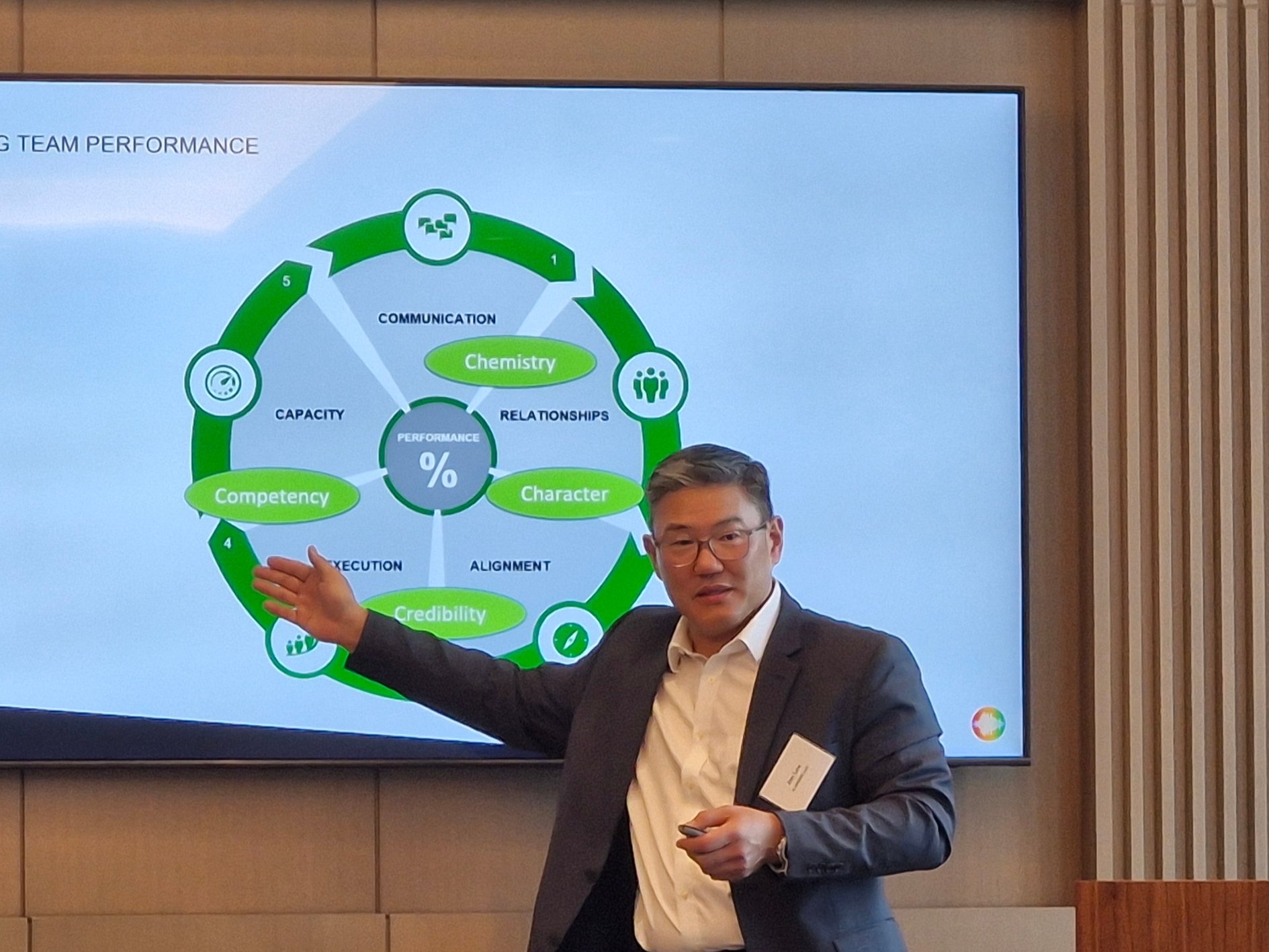
Led by Jim Lee, Founder and Chief Executive Coach of B-Spoke, the program invited participants to look more closely at something that can easily be overlooked: how cultural differences influence the way people communicate, build trust, make decisions, and work together. 

Rather than treating cross-cultural leadership as simply another management skill, the CCLI positioned it as a business advantage—one that can strengthen collaboration, unlock influence, and help teams turn shared values into shared action. For organizations operating across borders, the question is not whether cultural differences exist, but how effectively leaders can navigate them.

A Firsthand Perspective on Leading Across Cultures

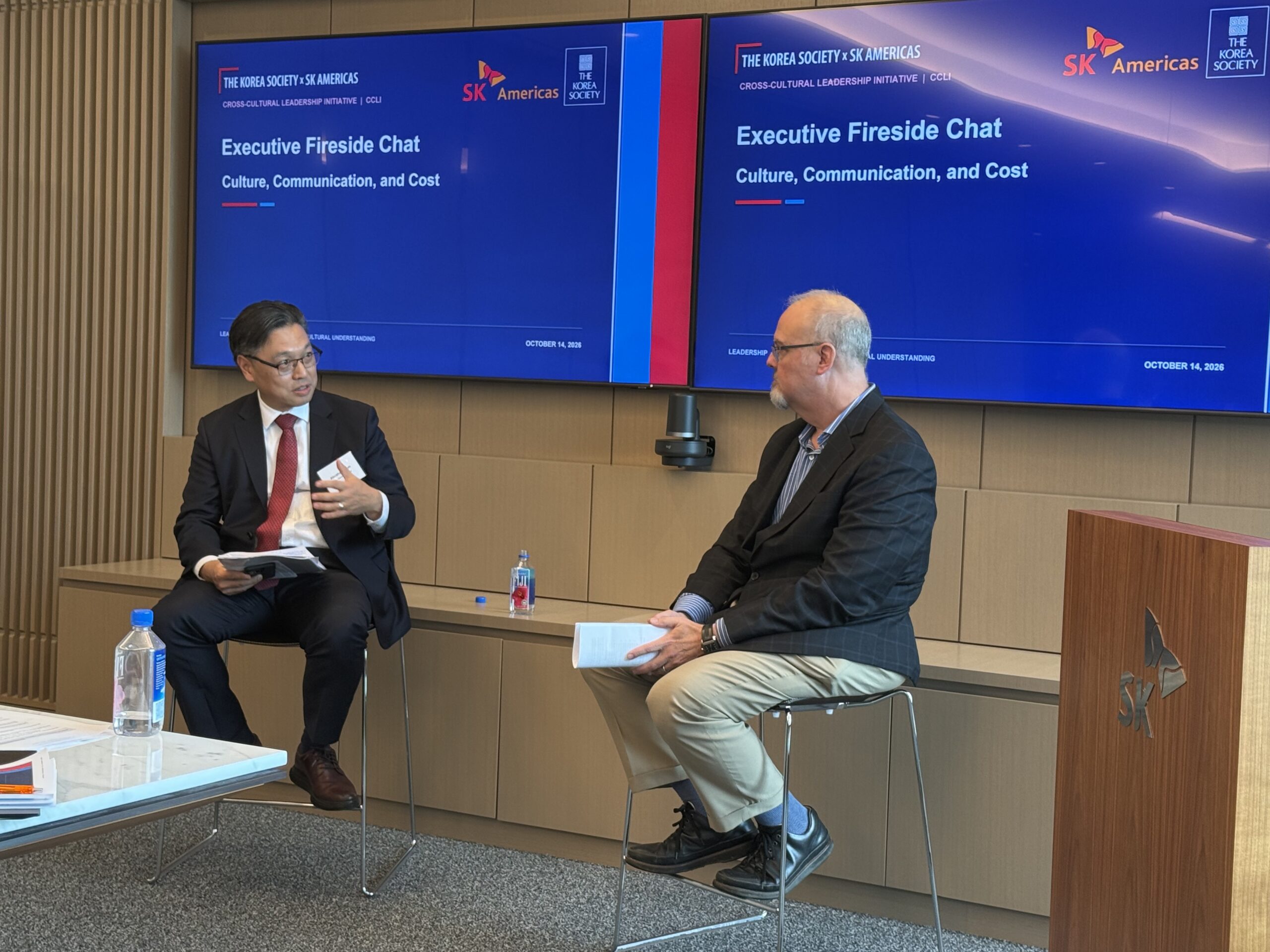
During lunch, Dr. Abraham Kim, President and CEO of The Korea Society, held a fireside conversation with Frank Ahrens, Partner at BGR Group and author of Seoul Man. A former Washington Post journalist, Ahrens led global public relations for Hyundai Motor Group from 2010 to 2013, ultimately becoming a vice president and the highest-ranking non-Korean at Hyundai headquarters. 

Drawing on his experience as an American executive working within a Korean corporate headquarters, Ahrens offered a firsthand perspective on a question at the heart of cross-cultural leadership: How can leaders bridge cultural differences while building trust, alignment, and a shared sense of purpose? His reflections highlighted how cultural awareness can shape trust, collaboration, and leadership well beyond the boardroom. 

Through the CCLI, The Korea Society helps organizations working across cultures build the trust and understanding needed to collaborate more effectively and bring their shared values to life.

01 / 02

What is the Cross-Cultural Leadership Initiative (CCLI)?

The Cross-Cultural Leadership Initiative (CCLI) is a leadership development program of The Korea Society designed to help Korean and American companies build stronger, more integrated workplaces as economic ties between the two countries deepen.

CCLI equips leaders and managers with practical tools to lead multicultural teams, navigate differences in workplace culture, strengthen workforce integration, and build trust with local communities. Drawing on The Korea Society’s network of business, workforce, and cross-cultural experts, CCLI offers programs and training that can be tailored to the needs of individual organizations.

02 / 02

How does the Cross-Cultural Leadership Initiative (CCLI) work?

CCLI begins by identifying your organization’s needs and cross-cultural challenges, then develops a customized program aligned with your goals. Its modular learning structure allows companies to tailor a one- or two-day interactive workshop led by professional executive coaches. Optional components include pre-program surveys, executive fireside chats with experienced U.S.–Korea business practitioners, and post-program reinforcement sessions.

Please contact CCLI@koreasociety.org for more information.