A go-to platform and hub for timely, credible policy insights on the critical issues shaping the U.S.-Korea relationship, South Korea, the Korean Peninsula, and the Indo-Pacific.
We build and empower communities of practitioners — connecting thought leaders and stakeholders from policy, industry, academia, media, and civil society.
The Korea Society's Geopolitical Affairs Department cultivates dialogue and action on pivotal developments affecting the U.S.-Korea relationship.
We serve as a trusted platform and hub for timely, credible policy insights, empowering our audiences and participants to better understand the crucial security, diplomacy, political, and geoeconomic issues shaping the U.S.-Korea relationship, the Korean Peninsula, and the Indo-Pacific.
We inform both general audiences and decision-makers, equipping the U.S. and Korea to navigate uncertainty, reduce risk, and seize on new synergies.
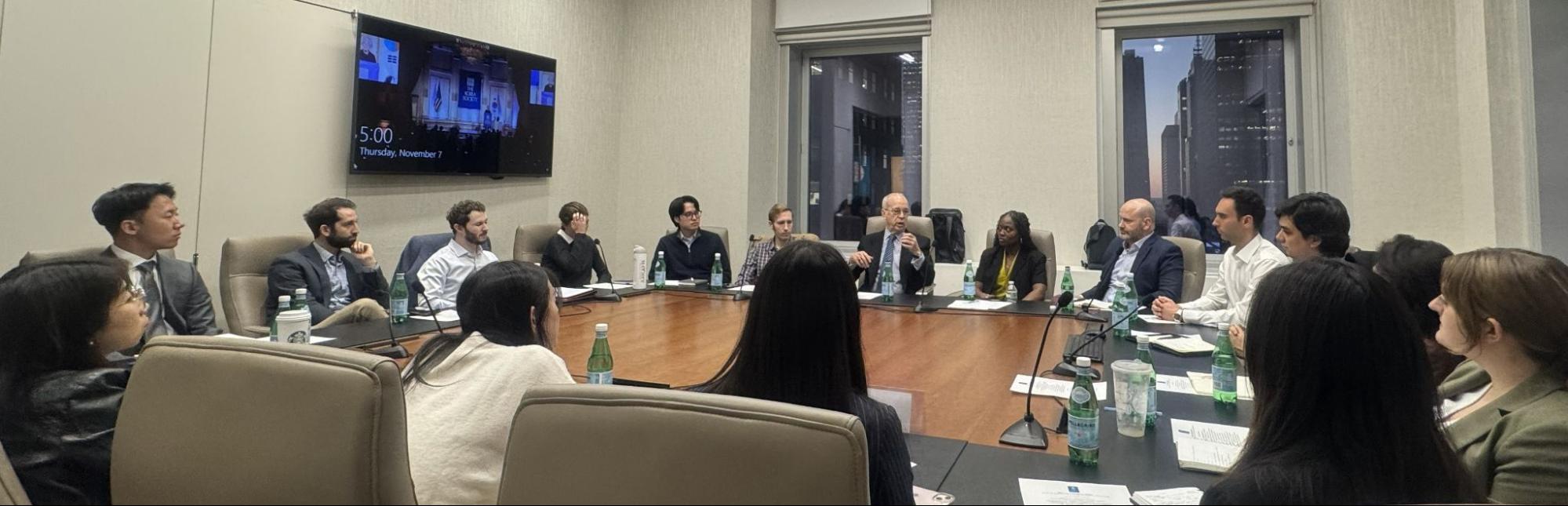
We build and empower communities of practitioners by hosting programs, building networks, offering perspectives, and providing engagement opportunities for diverse U.S. and Korean stakeholders from policy, industry, academia, media, and civil society organizations.
We convene thought leaders and policymakers for discussions, balancing rapid-response content with deeper examinations of Korea's historical, political, and societal dynamics.
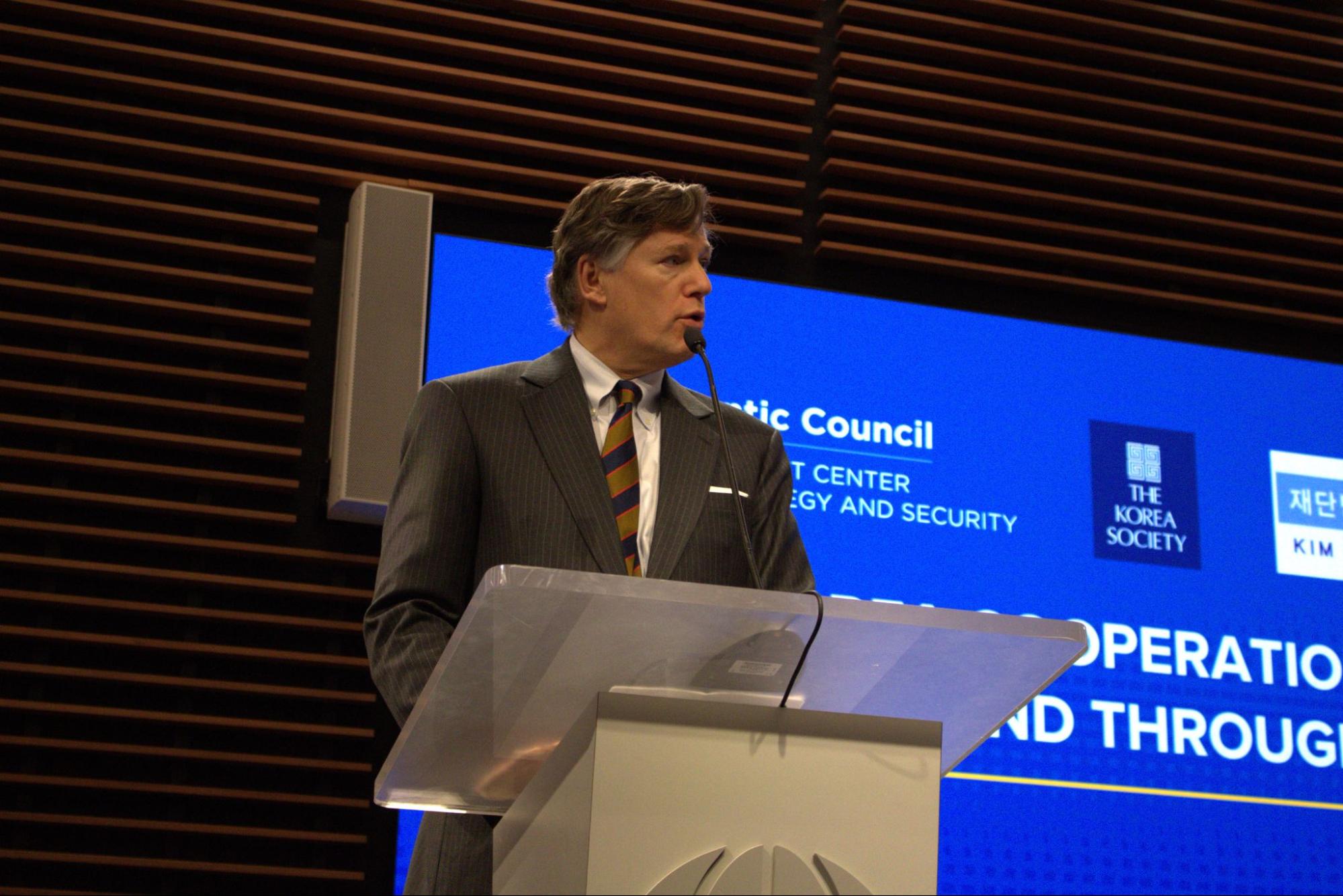
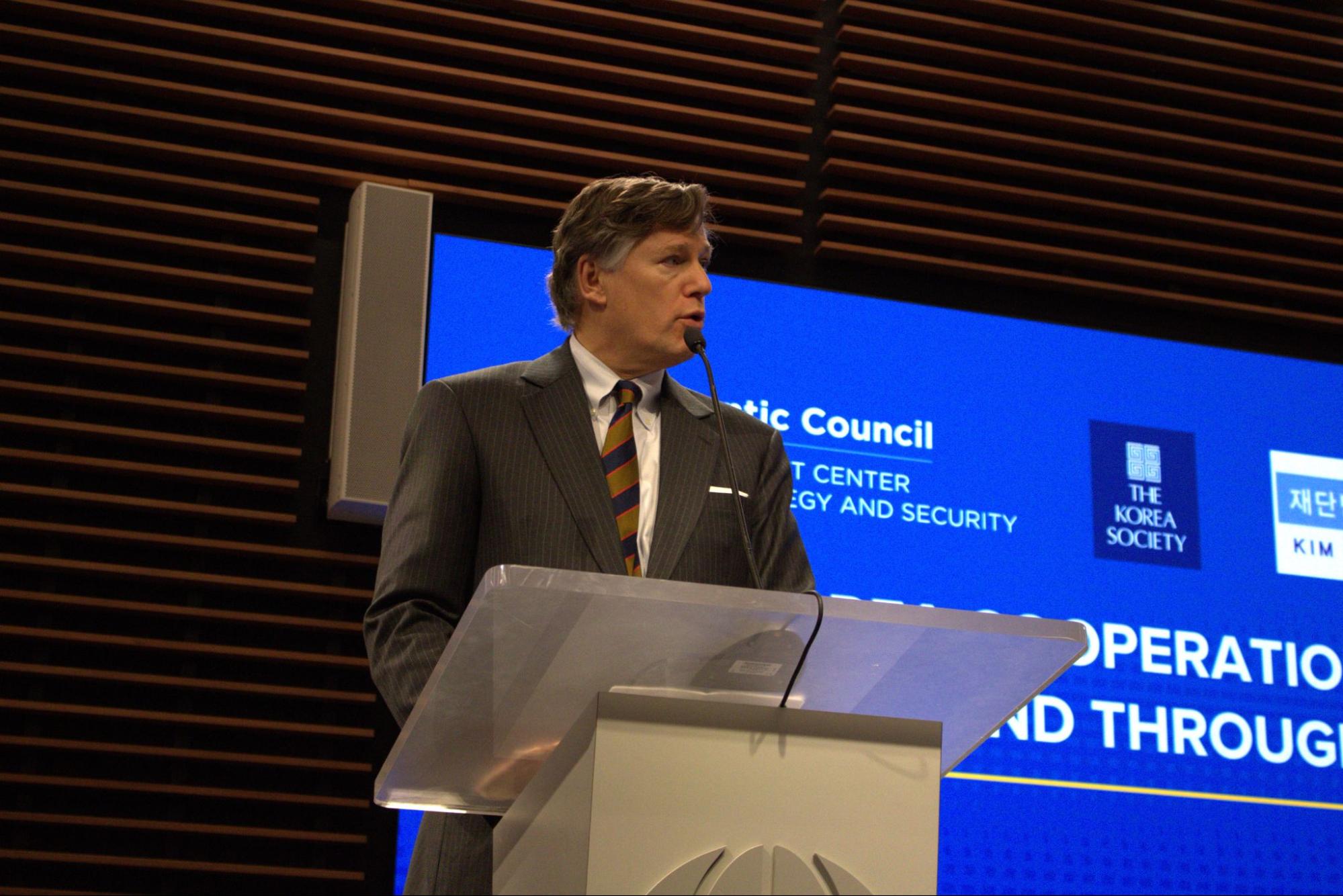
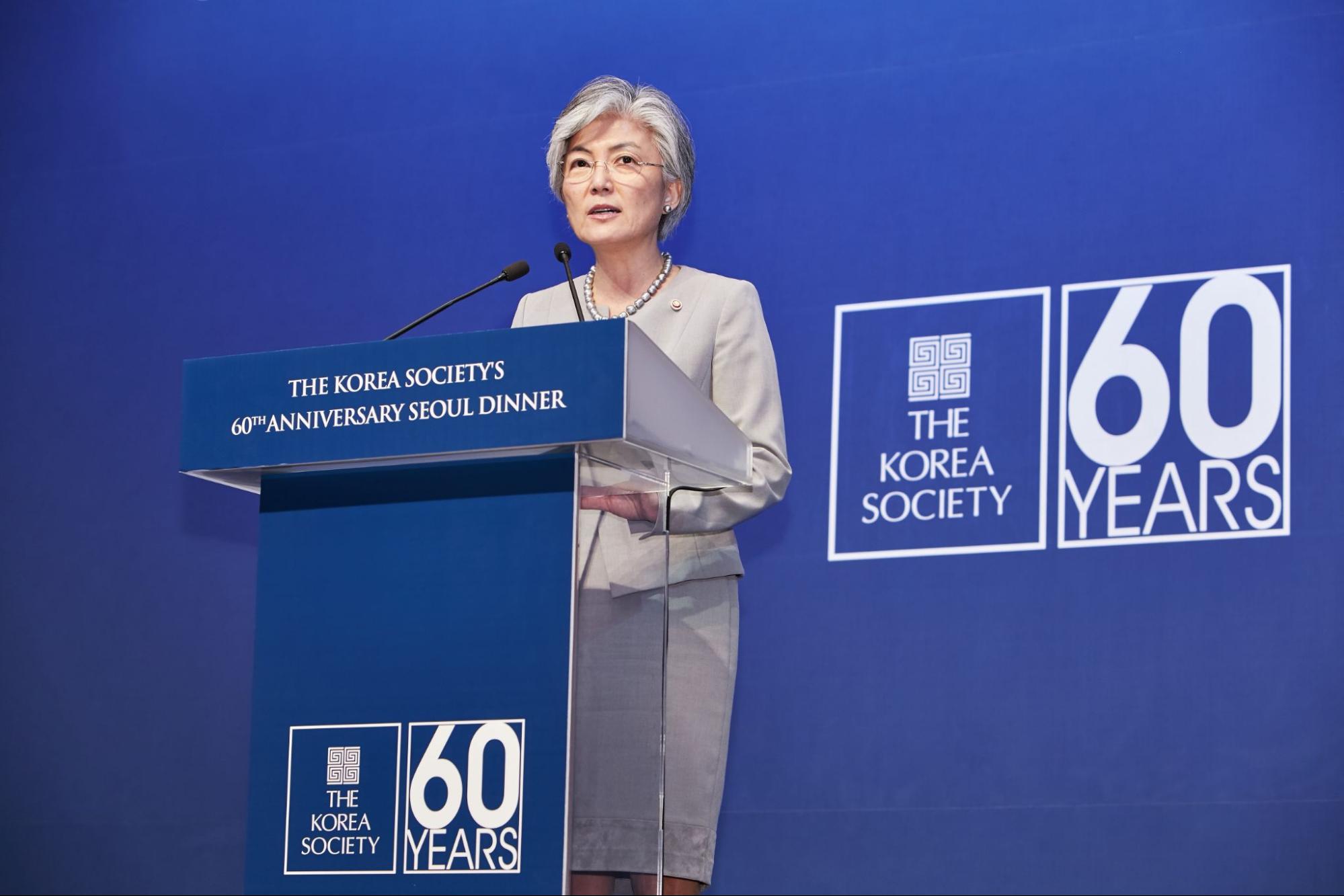
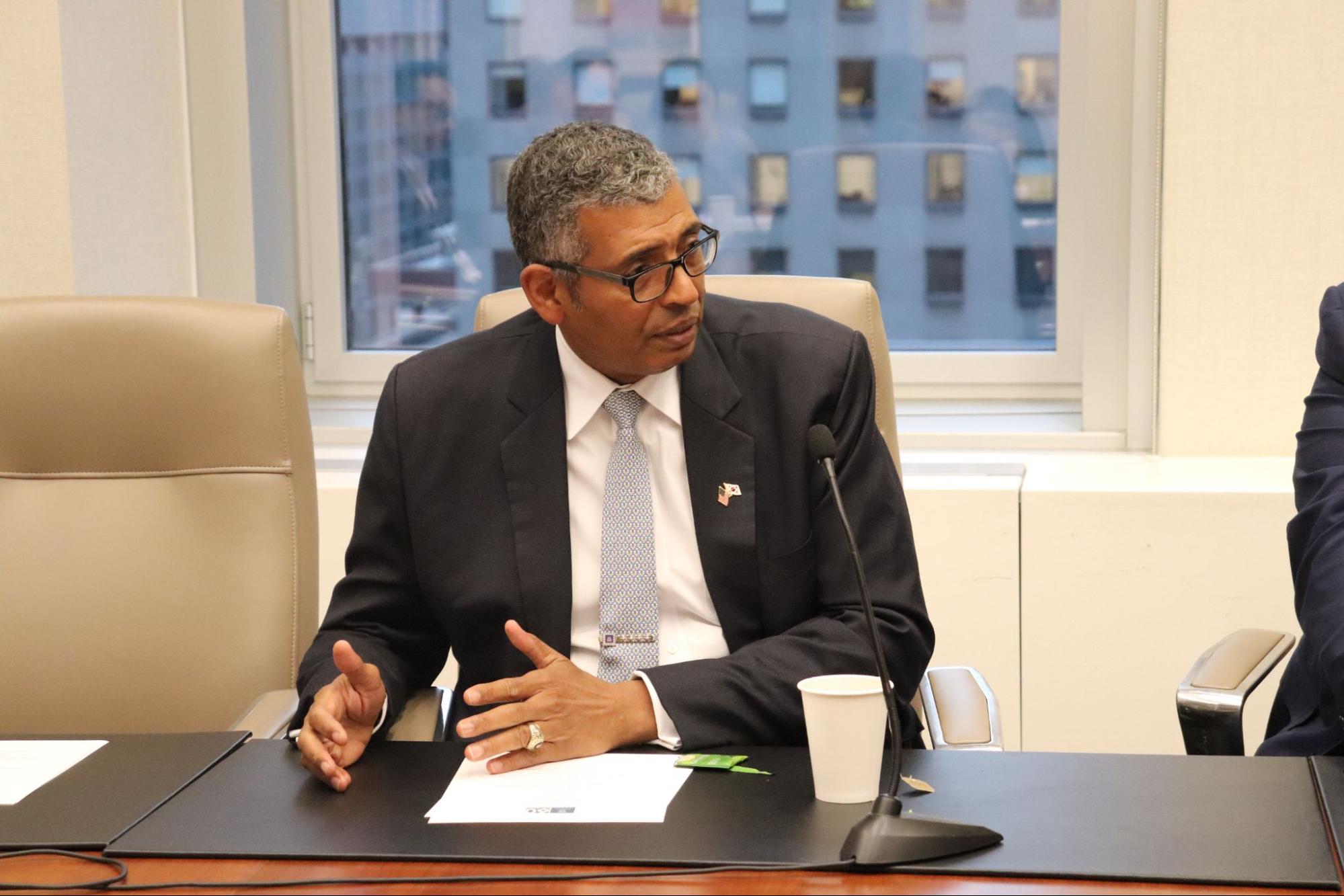
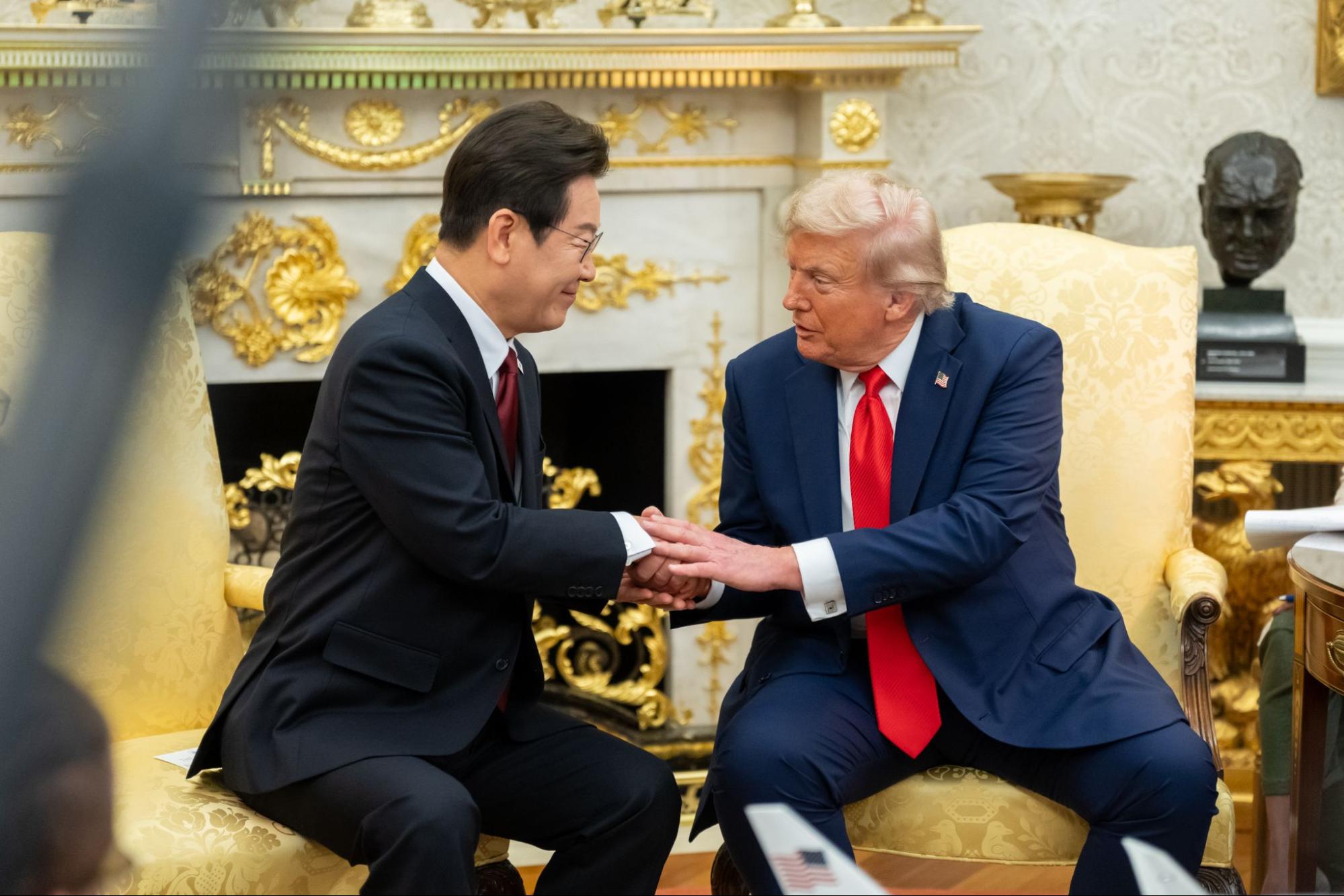
U.S. Deputy Secretary of State Christopher LandauAmbassador Kang, Kyung-wha, Ambassador of the Republic of Korea to the United StatesGeneral (ret.) Vincent K. Brooks, Former Commander of USFK, UNC, & CFC
Explore
Four pillars of our work.
Each organizes our programming across the relationship, the region, the peninsula, and the next generation of leaders.
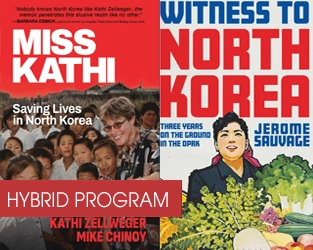
Delve into the frontlines of humanitarian aid in North Korea. Join us for a special discussion with seasoned experts Kathi Zellweger, Mike Chinoy, and Jerome Sauvage as they share first-hand insights from years of experience on the ground inside North Korea.
In Miss Kathi: Saving Lives in North Korea, Swiss aid worker Kathi Zellweger collaborates with veteran journalist and author Mike Chinoy to chronicle her nearly three decades in North Korea. Dubbed the “Mother Teresa of North Korea” by local officials, Zellweger navigated state suspicion and international skepticism to deliver life-saving relief to thousands of vulnerable North Koreans, focusing especially on children. The book is available for purchase on Amazon and Barnes & Noble.
In Witness to North Korea: Three Years on the Ground in the DPRK, former UN Resident Coordinator Jerome Sauvage offers a rare insider account of daily life and operational realities inside Pyongyang. Drawing on his tenure leading international aid operations, Sauvage reflects on the successes and challenges of delivering humanitarian assistance and offers strategic guidance for future engagement. The book is available for purchase here, with a 20% discount using the code: WITNESS20.
The discussion is moderated by Korea Society policy director Jonathan Corrado.
This program is made possible by the generous support of the Korea Foundation and our individual and corporate members.
About the Speakers
MC
Speaker
Mike Chinoy
Mike Chinoy is a Nonresident Scholar at the 21st Century China Center at the University of California and the author of six books. Previously, he spent 15 years as a Senior Fellow at the U.S.-China Institute of the University of Southern California. From 2006-2009, he was a senior fellow at the Los Angeles-based Pacific Council on International Policy, focusing on security issues in Northeast Asia.
He spent 24 years as a foreign correspondent for CNN, including serving as the network’s first bureau chief in Beijing. He also worked for CBS and NBC in Hong Kong. He has received numerous awards for his journalism, including the Emmy, Peabody, and Dupont awards for his coverage of the 1989 Tiananmen Square crisis, and a Dupont Award for his coverage of the 2004 Southeast Asian tsunami.
He has also covered North Korea extensively, traveling there 17 times since 1989. In 1994, he became the only journalist invited to accompany President Jimmy Carter on his historic trip to Pyongyang and was the first journalist ever to file live TV reports from North Korea.
He holds a BA from Yale University and an MS from Columbia University. He lives in Taipei, Taiwan.
JS
Speaker
Jerome Sauvage
After a career with the United Nations taking him and his family to Africa, Asia and at Headquarters in New York, Jerome Sauvage became the United Nations Humanitarian Coordinator in North Korea. He negotiated new control arrangements with the North Korean Government to re-open the UNDP office in Pyongyang; coordinated the delivery of humanitarian aid and the international response to natural disasters and facilitated visits from the UN Secretary-General Ban Ki-moon’s political envoys and from Jimmy Carter. Jerome Sauvage is an international affairs consultant specializing in humanitarian affairs and human resource management. He is a graduate of Paris’ Sorbonne University and Johns Hopkins’ School of Advanced International Studies (SAIS).
KZ
Speaker
Kathi Zellweger
Kathi Zellweger is a senior aid manager with over thirty years of experience in Hong Kong, China, and North Korea. She was based in Pyongyang during 2006–2011 as the North Korea country director for the Swiss Agency for Development and Cooperation. Before that, Zellweger worked in a senior post for the Catholic Agency Caritas in Hong Kong, where she played a key role in pioneering Caritas’s involvement in China and North Korea. She later established her own NGO, the Hong Kong–based KorAid Limited, to serve children in institutions and people with disabilities in North Korea. Zellweger is affiliated with the Center for International Security and Cooperation at Stanford University and a Non-resident Fellow at the European Center for North Korean Studies at the University of Vienna. She holds a master’s degree in international administration from the School for International Training in Brattleboro, Vermont.
A relationship this consequential deserves to be understood well.
Our national programs turn that conviction into work: convening the people who shape policy and commerce, teaching the next generation, presenting Korean culture on its own terms, and doing it in cities across the country — not only in New York.
Inform
Clear, nonpartisan analysis of Korea and the alliance.
Connect
Leaders across sectors, generations, and regions.
Develop
The people who will carry the partnership forward.
Divisions
Five divisions. Year-round work.
Five program divisions advancing understanding between the United States and Korea.
Where trade, investment, and technology meet policy: semiconductors, AI, energy, mobility, and advanced manufacturing, read by the executives and investors closest to them.
Founded in New York in 1957. Today the partnership is lived in factory towns, campuses, and state capitals across the country — so that is where we work, with regional partners and Korean American communities.
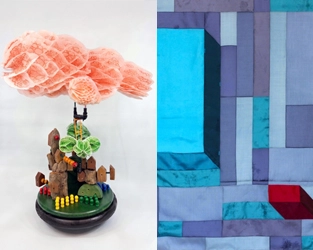
Two artists transform traditional materials–textile and paper–to explore themes of identity and memory.
Tai Hwa Goh creates intricate, layered installations from printed and cut paper, inspired by organic forms, landscapes, and the relationship between the interior and exterior. Goh’s process pushes the limits of traditional printmaking, as she modifies the characteristics of paper and thin fabric by covering with batik or ironing thin sheets of beeswax onto her prints, deliberately obscuring the underlying images. She then uses techniques like sewing, gluing, and manipulating printed materials to construct intricate, honeycomb-like structures. Found objects seamlessly integrate into the work, reflecting the blending of the personal and the universal, as well as natural and artificial elements.Through this process, the imagery gradually moves away from recognizable forms, and the dense layers serve as a space where nature, memory, and personal experience intertwine. Her installations invite viewers to contemplate the balance between the natural world and human existence, and how everyday moments can reveal deeper insights into our lives.
Julia Kwon sews interpretive Korean textiles, specifically in the form of patchwork bojagi (Korean object-wrapping cloth), to critique received notions of Asiatic femininity and challenge reductive, easily legible identities. Although her bojagi textiles may initially be perceived as traditionally Korean, the patchwork designs are actually derived from urgent contemporary sociopolitical issues and events. Her work moves beyond simply representing minority identities as she aims to comment on the interconnected systems of oppression. Kwon’s practice contests the notion of authenticity and explores the complexities involved in constructing identities within the current framework of cultural hybridity, intersectionality, and the collective pursuit of social justice.
VIDEO RELEASE Tuesday, October 6, 2026
ABOUT THE ARTISTS:
Tai Hwa Goh is a Korean-born artist who primarily works with printmaking and paper installation. From 2000 to 2007, she established a significant career as both a professional artist and a lecturer in the Washington D.C. area. Since relocating to the New York Metropolitan area in 2007, Goh has continued to exhibit her artwork widely.
Her exhibitions include Sunroom at Wavehill (Bronx, NY), Torpedo Factory Art Center (Alexandria, VA), NARS Foundation (Brooklyn, NY), Wave Hill (Bronx, NY), William Paterson University (Wayne, NJ), Frances M. Maguire Art Museum, Saint Joseph’s University (Philadelphia, PA), Seton Hall University (South Orange, NJ), Children’s Museum of Manhattan, Art (New York, NY), International Print Center (New York, NY), DUMBO Art Festival, Islip Museum (East Islip, NY), Gallery Aferro (Newark, NJ), AIR Gallery (Brooklyn, NY), Snug Harbor Center for The Art (Staten Island, NY) and more. She has been awarded grants and residencies from Museum of Art and Design, Lower East Side Print Shop, Elizabeth Foundation for the Arts, Aljira A Center for Contemporary Art, and Vermont Studio Center. Goh is a recipient of National Endowments for the Arts, New Jersey Individual Artist Fellowship Awards, the Gold Award winner of the AHL Visual Art Competition and The Artist of The Year from Korean Cultural Center (Washington, D.C.). Her work is in the collection of Booker- Lowe Gallery (Houston, TX), Art Bank (Washington, D.C.), DC Commission on the Arts and Humanities (Washington, D.C.), and Sadat Collection, University of Maryland (College Park, MD).
Goh received a MFA degree at the University of Maryland specializing in printmaking and sculpture. She also received a MFA in printmaking at Seoul National University in Korea.
Julia Kwon has exhibited at venues including the Smithsonian American Art Museum and Renwick Gallery (Washington, DC), Museum of Fine Arts (Boston, MA), Cooper Hewitt, Smithsonian Design Museum (New York, NY), Virginia Museum of Contemporary Art (Virginia Beach, VA), Museum of International Folk Art (Santa Fe, NM), Museum of Contemporary Art (Arlington, VA), Peale Center at Carroll Museums (Baltimore, MD), Hartnett Gallery at the University of Rochester (Rochester, NY), Taubman Center at the University of Michigan (Ann Arbor, MI), Biggin Gallery at Auburn University (Auburn, AL), and Torpedo Factory Art Center (Alexandria, VA), among others. Her work is in the permanent collections of the Smithsonian American Art Museum and Renwick Gallery (Washington, DC), Museum of Fine Arts (Boston, MA), Cooper Hewitt, Smithsonian Design Museum (New York, NY), Museum of International Folk Art (Santa Fe, NM), The New York Public Library (New York, NY), Metropolitan Museum of Art’s Thomas J. Watson Library (New York, NY), and Yale University’s Haas Arts Library Special Collections (New Haven, CT), among others.
She has presented artist lectures and workshops at the Hirshhorn Museum and Sculpture Garden (Washington, DC), The Phillips Collection (Washington, DC), Virginia Museum of Contemporary Art (Virginia Beach, VA), Museum of Contemporary Art (Arlington, VA), Parsons School of Design (New York, NY), Georgetown University (Washington, DC), Lehigh University (Bethlehem, PA), Oberlin College (Oberlin, OH), American University (Washington, DC), Emerson College (Boston, MA), and University of Rochester (Rochester, NY), among others.
Her work has been highlighted in Smithsonian Magazine, CNN, The Washington Post, Korea.net, Hyperallergic, BmoreArt, PBS’s WETA Arts, Arirang News, SBS News, and The Wedding Banquet (2025, directed by Andrew Ahn). She was awarded artist residencies at Banff Centre for Arts and Creativity, Chautauqua School of Art, Headlands Center for the Arts, Santa Fe Art Institute, Textile Arts Center, Vermont Studio Center, Virginia Center for the Creative Arts, among others.
Kwon holds a BA in Studio Art from Georgetown University and an MFA from the School of the Museum of Fine Arts at Tufts University.
Join The Korea Society for an insightful discussion on Korea’s Energy Evolution with Henry Haggard, former senior U.S. diplomat and Founding Principal of Seekonk LLC. Facing acute resource scarcity and intensifying geopolitical pressure, can South Korea improve its energy resilience through innovation? And how is the U.S.-Republic of Korea (ROK) alliance positioned to pioneer next-generation energy solutions?
This is the second installment of Korea Expert Desk, a new video interview series from The Korea Society delivering sharp insights to help decision-makers and analysts understand the critical issues driving the U.S.–Republic of Korea (ROK) partnership. Concise, dynamic, and visually engaging, Korea Expert Desk unpacks the strategic statecraft and geopolitical shifts shaping the bilateral relationship and the region beyond. Watch the first installment, about South Korea’s New Industrial Defense Strategy with Dr. Lami Kim, here.
As the global community faces an unprecedented surge in energy demand, the intersection of energy security, technology, and geopolitics has never been more vital. South Korea is grappling with a dependence on imported fossil fuels, which historically comprise over 60 percent of its energy mix. Recent supply shocks have underscored the vulnerabilities inherent to this import-dependent strategy. To power its high-tech manufacturing base while meeting its 2050 carbon neutrality commitments, Seoul is executing a dramatic energy pivot to a nuclear-centric future, with plans to expand domestic nuclear-generated power to 35 percent by 2038. Yet, this evolution forces South Korea to navigate treacherous geopolitical waters. Seoul must balance trade dynamics with the United States, manage a delicate diversification away from China’s overwhelming dominance in critical mineral supply chains, and compete directly with state-backed nuclear offerings from Russia and China.
This conversation will examine how the U.S.-ROK alliance is uniquely positioned to innovate and solve these challenges. Grounded by the historic January 2025 Memorandum of Understanding on the Expansion of Peaceful Nuclear Energy, the alliance combines U.S. research innovation and capital with South Korea’s world-class engineering, which has permitted the ROK to construct nuclear plants three times faster than the global average. The conversation will also unpack recent efforts to offset critical minerals dependence through multilateral coordination through the US-led Forum on Resource Geostrategic Engagement (FORGE). Beyond traditional nuclear energy facilities and Small Modular Reactors (SMRs), Haggard will also highlight how the alliance is driving cutting-edge green technologies with breakthroughs in clean hydrogen and ammonia-cracking infrastructure.
This program is made possible by the generous support of the Korea Foundation and our individual and corporate members.
Episode 1: Why South Korea Builds Nuclear Reactors 3x Faster Than Anyone Else
In the first episode of this Korea Expert Desk miniseries on Korea’s Energy Evolution, former senior U.S. diplomat Henry Haggard explores how South Korea is driving its energy strategy through technological innovation and strategic alliance partnerships. To power its high-tech manufacturing sector while aiming for carbon neutrality, Seoul is executing a nuclear-centric shift to raise domestic nuclear generation to 35 percent by 2038. Haggard examines South Korea’s nuclear construction efficiency—building reactors three times faster than the global average—and explains how combining Korean engineering with U.S. intellectual property creates a global partnership. The conversation highlights joint U.S.-ROK ventures in Small Modular Reactors (SMRs) designed to meet soaring electricity demands driven by AI data centers. Finally, Haggard details how the bilateral alliance is advancing cutting-edge clean energy infrastructure, from commercial clean hydrogen investments to innovative ammonia-cracking trials.
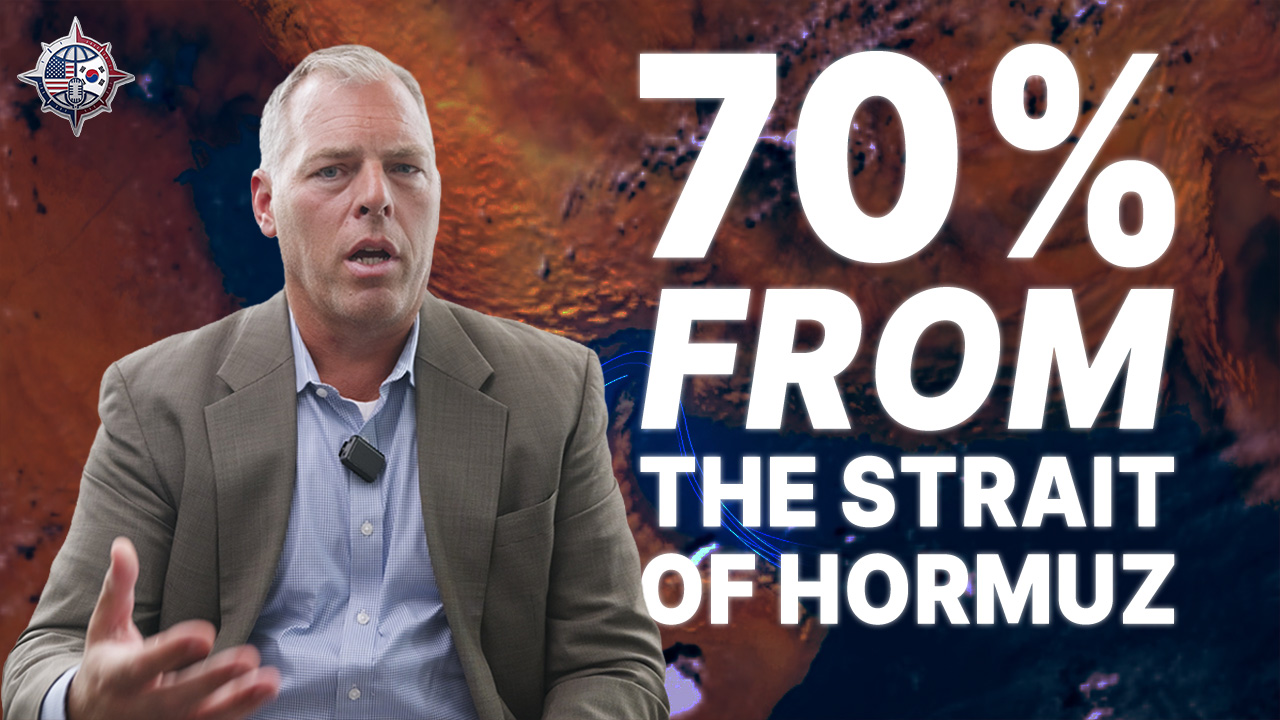
In the second episode of this Korea Expert Desk miniseries on Korea’s Energy Evolution, former senior U.S. diplomat Henry Haggard examines South Korea’s acute energy vulnerabilities. With imported fossil fuels comprising over 60 percent of its energy mix, recent geopolitical disruptions in vital shipping lanes like the Strait of Hormuz directly threaten Seoul’s export-driven economy. Haggard details the global nuclear energy marketplace, warning against expanding state-backed dominance from Russia and China while emphasizing the need for deeper U.S.-Korea collaboration. He further addresses China’s leverage over critical mineral supply chains and how multilateral allied initiatives like FORGE aim to protect the building blocks of clean technology. Tune in to explore how the U.S.-ROK alliance can leverage statecraft and innovation to ensure long-term energy security.
Henry Haggard is the Founding Principal of Seekonk LLC, Global Strategy Group. He is a former U.S. diplomat who completed a twenty-five-year career in the U.S. Foreign Service, retiring at the rank of Counselor in the Senior Foreign Service. Henry is a Principal at WestExec Advisors, Non-Resident Fellow at the Baker Institute Center for Energy Studies (CES) at Rice University, Senior Associate of the KF-VUB Korea Chair at the Centre for Security, Diplomacy and Strategy (CSDS), Senior Fellow at Korea Economic Institute of America (KEI), and Partner at Albion East Ltd, Global Development Advisors. From 2021-2023, he served as Minister Counselor for Political Affairs at the United States Embassy in South Korea. Prior to that, he served as Director at the National Security Council under both the Trump and Biden administrations, coordinating United States policy and engagement with Turkey, Greece, and the United Kingdom. Previous assignments at the State Department include Director of Energy Diplomacy for Asia and the Middle East, Acting Political Minister Counselor at the United States Mission to the European Union, Chief of Staff to the Secretary’s Special Representative for Syria Engagement, Deputy Principal Officer in Erbil, Iraq, Special Assistant to the Assistant Secretary for European Affairs, three tours in the State Department’s Executive Secretariat for Secretaries Powell, Rice and Kerry, a tour in Baghdad, and one stint as political-military team lead at the United States Embassy in Paris. Participated in four diplomatic missions to North Korea between 2000-2008.Henry speaks fluent Korean and French and received a BA in International Relations from Brown University and a MA in Strategic Studies from the United States Army War College. He founded The Twenty-Five Year Apprenticeship, a resource for diplomatic tradecraft and frequently contributes to news and media on global affairs and the Korean peninsula.
In the past decade, Korean entertainment has gained global recognition, with Korean movies and TV shows winning Oscars and Emmys, and K-Pop groups becoming wildly popular. In Manhattan, Koreatown has become a popular destination for both locals and tourists, drawing them in with its bars, restaurants, and day spas. Jinwon Kim argues that Manhattan’s Koreatown has become a new type of ethnic enclave, what she dubs a “transclave.” This commercialized ethnic space exists solely for consumption, leisure, and entertainment, and has been shaped by South Korea’s nation-branding strategy, new economic and cultural strategies, patterns in Korean migration, and shifts in tourism and urban policies in New York City. Kim posits that for many consumers in Koreatown, especially those who are not of Korean descent, the space has become a commercialized place where transnational culture meets the diverse racial and ethnic mosaic of New York City. Kim emphasizes how the space functions to “brand Korea” as a space to “consume ethnicity,” reflecting the landscape of South Korea’s consumer culture through the physical appearance of buildings and stores and the inclusion of franchise brands.
In this talk, Kim explores the recent popularity of Korean food in New York City by focusing on both transnational and domestic factors, leading to the new trend of commercialization of ethnic food, emphasis on authenticity, and rise of the omnivore society, by delivering the voices of ordinary people. While Koreatown’s authenticity has been largely defined by commercialized ethnic cuisine by local entrepreneurs, the Korean government, and franchises, Kim argues that Koreatown’s authenticity has represented the collective imaginations and narratives of various consumer groups–Korean nationals, Korean Americans, and non-Koreans.
This program was recorded on September 24th and will be released on October 1.
About the Speaker
JK
Speaker
Jinwon Kim
Jinwon Kim is Assistant Professor of Sociology at Smith College. She is the author of Koreatown, NYC: The Consumption of a Transnational Brand and a co-editor of Koreatowns: Exploring the Economics, Politics, and Identities of Korean Spatial Formations.
Individual & Corporate Membership — The Korea Society
Individual & Corporate Membership
Become a member of The Korea Society
Our programs, events, and offerings are made possible by the continuous support of our individual members, corporate contributors, and donors. Together, we foster meaningful connections between the peoples of the United States and Korea.
Join us as a member of The Korea Society to enjoy:
Invitations to member-only events, programs, and art gallery openings
Networking opportunities with fellow members and leading professionals from various fields in the U.S. and Korea
Special access to our Korean Language Program for corporate and individual members
Subscription to our monthly members-only newsletter, keeping you up to date with organization activities and exclusive offers
*Benefits vary by membership level.
Membership types
Choose the membership that fits you
Whether you’re joining as an individual or bringing your company on board, there’s a level for you.
For you
Individual Membership
Connect with a deeply involved community that shares a common interest in cultivating greater awareness, understanding, and cooperation between the peoples of the United States and Korea.
Join a prestigious network of leading Korean and multinational companies with unparalleled access to business leaders and policy makers through thought-provoking, timely programming.
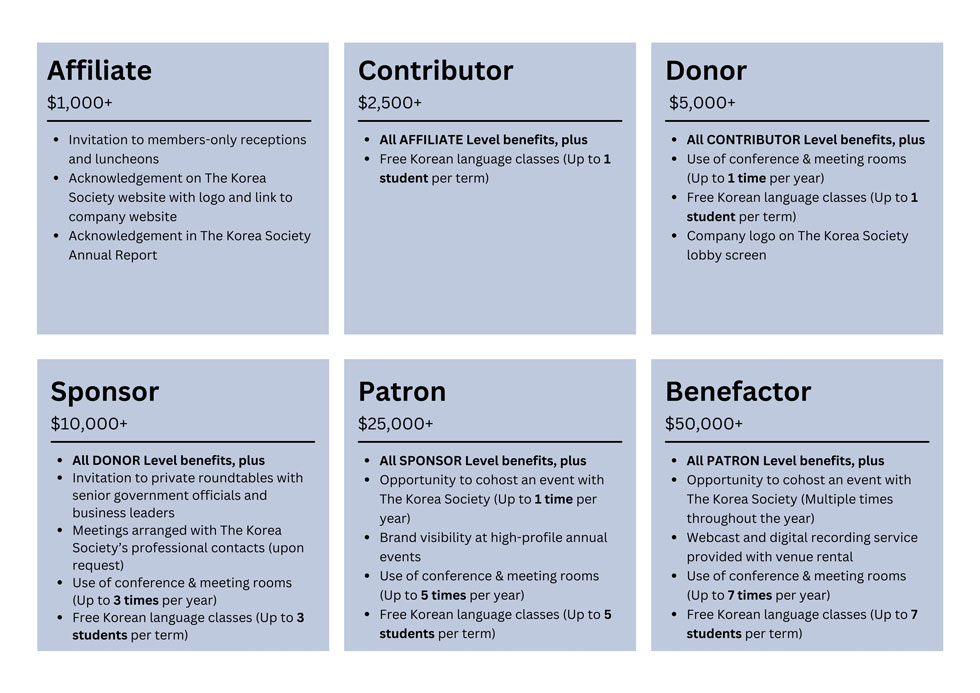
Levels from $1,000 (Affiliate) to $50,000 (Benefactor)
Join a prestigious network of leading Korean and multinational companies committed to advancing relations between Americans and Koreans.
Members gain unparalleled access to Korean and American business leaders and policy makers through thought-provoking, timely programming — and stay at the forefront of business and political events in the U.S. and Korea.
We invite your company to become a Corporate Member of The Korea Society. Through participation in our programs, corporate members connect with the leaders and ideas shaping one of the world’s most important partnerships.
Affiliate
$1,000+
Invitation to members-only receptions and luncheons
Acknowledgement on The Korea Society website with logo and link to company website
Acknowledgement in The Korea Society Annual Report
Contributor
$2,500+
All AFFILIATE Level benefits, plus
Free Korean language classes (Up to 1 student per term)
Donor
$5,000+
All CONTRIBUTOR Level benefits, plus
Use of conference & meeting rooms (Up to 1 time per year)
Free Korean language classes (Up to 1 student per term)
Company logo on The Korea Society lobby screen
Sponsor
$10,000+
All DONOR Level benefits, plus
Invitation to private roundtables with senior government officials and business leaders
Meetings arranged with The Korea Society’s professional contacts (upon request)
Use of conference & meeting rooms (Up to 3 times per year)
Free Korean language classes (Up to 3 students per term)
Patron
$25,000+
All SPONSOR Level benefits, plus
Opportunity to cohost an event with The Korea Society (Up to 1 time per year)
Brand visibility at high-profile annual events
Use of conference & meeting rooms (Up to 5 times per year)
Free Korean language classes (Up to 5 students per term)
Benefactor
$50,000+
All PATRON Level benefits, plus
Opportunity to cohost an event with The Korea Society (Multiple times throughout the year)
Webcast and digital recording service provided with venue rental
Use of conference & meeting rooms (Up to 7 times per year)
Free Korean language classes (Up to 7 students per term)
The Korea Society is a nonprofit, nonpartisan, 501(c)(3) organization. Corporate membership is tax-deductible to the fullest extent allowed by law.
Join us
Put your company at the center of U.S.–Korea engagement
Corporate membership connects your organization to the people, ideas, and institutions strengthening one of the world’s most important partnerships.
We’d be glad to walk you through membership levels and benefits.
Connect with a deeply involved community that shares a common interest in cultivating greater awareness, understanding, and cooperation between the peoples of the United States and Korea.
Your membership keeps you close to the Society’s programs, opens access to exclusive benefits, and welcomes you into a network of like-minded individuals.
At whichever level you choose, your membership provides vital support for our work and continued growth as the premier organization dedicated to strengthening the U.S.–Korea relationship. The Korea Society is a 501(c)(3) nonprofit; contributions are tax-deductible to the extent noted at each level.
Membership levels
Choose the level that fits you
Every level includes the Individual benefits below. Higher levels add guests, giveaways, recognition, and access to invitation-only gatherings.
Student
$25
$25 tax-deductible
Invitations to young-professional networking events, members-only events, and art gallery openings
Members-only newsletter with organization insights, exclusive offers, and program previews
Whether you’re joining for the first time or renewing, your support helps The Korea Society deepen understanding and strengthen the ties between the United States and Korea.
Prefer to give beyond membership? Explore the many ways to support the Society’s mission.