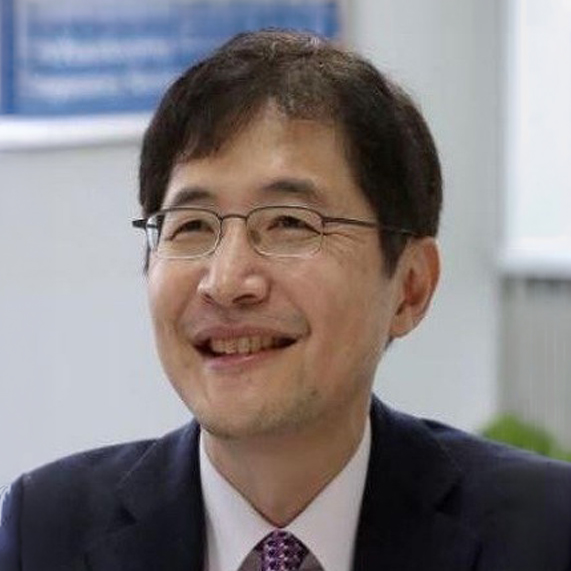






Taeku Lee

With the ever-growing need to understand ourselves and humanity as a whole, it is necessary to examine the concepts of morality, ethics and universal values as guiding principles of the human condition. With generous support from Y.T. Hwang Family Foundation, The Korea Society presents a Series on Ethics and Common Values.

This series promotes the understanding of central themes of our human existence through a series of lectures by distinguished speakers and conversation with extraordinary individuals who exemplify the universal values in line with the mission of Y. T. Hwang Family Foundation and The Korea Society.

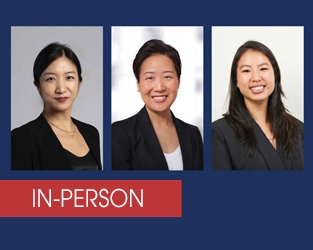
The Korea Society and Y. T. Hwang Family Foundation is proud to present Professor Taeku Lee.

Billionaire Backlash: The Age of Corporate Scandal and How It Could Save Democracy

Professor Lee’s latest book, co-authored with Pepper Culpepper (University of Oxford), tells the surprising story of how corporate scandals – from Enron to the Facebook privacy scandal – can change the world for the better. Drawing on a decade of research on policymaking and public opinion across wealthy democracies, Lee will talk about how scandals can ignite the public to demand better policy and protection from massive corporations run amok. Lee will also share whether these dynamics foretell a new era of economic populism in the United States and beyond.


This program is made possible by the support from Y. T. Hwang Family Foundation


Speaker

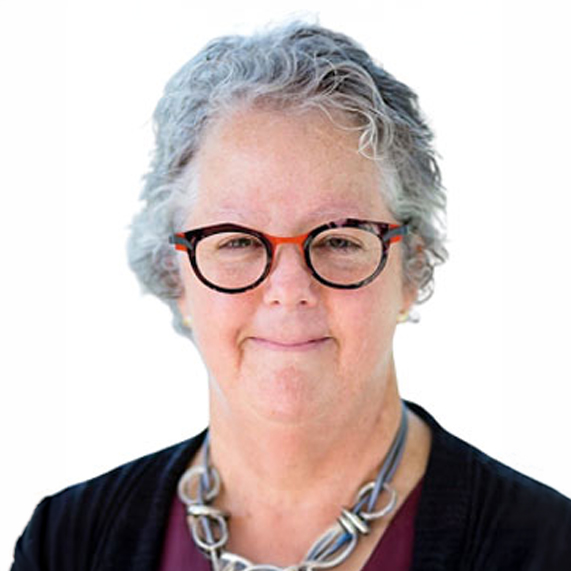
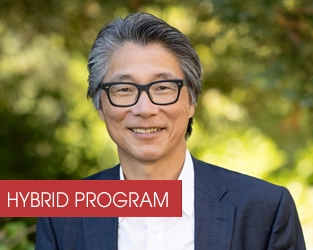
Taeku Lee

Taeku Lee is Bae Family Professor of Government and Faculty Dean of Dunster House at Harvard University. Lee has researched and written extensively on racial and ethnic politics, public opinion and political behavior, identity and inequality, and deliberative and participatory democracy. He recently published Race and Inequality in America and Billionaire Backlash (with Pepper Culpepper).

Lee is also President of the American Political Science Association and Professor Emeritus at the University of California, Berkeley, where he taught for two decades. Lee is a Fellow of the American Academy of Arts and Sciences and a member of the 2024 class of Andrew Carnegie Fellows. He serves on the Board of Directors of the American Academy of Political and Social Science and the Board of Overseers of the American National Election Studies. He previously served on the National Advisory Committee for the U.S. Census Bureau and the Board of Overseers of the General Social Survey and has held honorary or visiting appointments at Yale, Oxford, the European University Institute, and the Brookings Institution.

Born in Masan, Korea, Lee spent his childhood years in rural Malaysia, lower Manhattan, and suburban Michigan. He is a proud graduate of K-12 public schools, the University of Michigan, Harvard, and the University of Chicago.

Cross-Cultural Leadership Initiative: U.S.-Korea Workforce Strategy Summit

Cross-Cultural Leadership Initiative

U.S.–Korea Workforce Strategy Summit

Date

Thursday, September 10, 2026

Time

8:00 AM – 3:00 PM

Venue

Georgia Tech Research Institute Conference Center
250 14th St NW, Atlanta, GA 30332

The Korea Society has launched the Cross-Cultural Leadership Initiative (CCLI), an innovative leadership development program designed to strengthen workforce integration and organizational effectiveness for Korean and American companies operating in the United States. Responding to the rapid expansion of Korean investment across the United States, CCLI equips executives and managers with the skills to lead multicultural teams, integrate Korean and American employees, and build strong relationships with local communities.

CCLI is a cornerstone of The Korea Society’s expanding national leadership development portfolio, which strengthens the people and relationships that underpin long-term U.S.–Korea cooperation. As part of this broader effort, The Korea Society presents U.S.–Korea Workforce Strategy Summit, co-hosted with the Southeast U.S. Korean Chamber of Commerce (SEUSKCC), to foster dialogue, share best practices, and drive excellence in workforce development and cross-cultural leadership.

This Summit is presented with the support of the Consulate General of the Republic of Korea in Atlanta.


Schedule of Events
Time Program
7:30 – 8:00 AM
Registration & Networking
8:00 – 8:15 AM
Opening — Welcome and Congratulatory Remarks
8:15 – 9:30 AM
Session 1 — Building the Pipeline: Talent Development and Community Integration
Developing local talent through university and technical-college partners, apprenticeships and co-ops, and state-funded training such as Georgia Quick Start — and integrating into the community by supporting workforce and family adaptation.
9:30 – 9:45 AM Break
9:45 – 11:00 AM
Session 2 — Scaling Fast: Staffing Strategies for Production Ramps
Sourcing talent at scale — from flexible, on-demand staffing through managed staffing and direct placement.
11:00 – 11:45 AM
Counsel’s Briefing: Building a Compliant Global Workforce
Visa strategy, foreign-national talent, I-9 compliance, business-travel risk, and supporting dispatched staff.
11:45 AM – 1:30 PM
Networking Lunch & Executive Fireside Chat
Moving from investment to integration through leadership, workforce development, and community partnerships.
1:30 – 2:45 PM
Session 3 — Leading Across Cultures: Strengthening the Korean-American Workforce
Navigating organizational change, minimizing cultural misunderstandings, protecting organizational reputation, and strengthening stakeholder confidence through effective cross-cultural leadership.
2:45 – 3:00 PM
Closing Reflections
 

Due to limited seating, early registration is strongly encouraged. We look forward to welcoming you to Atlanta, Georgia, for this timely conversation and to engaging with leaders committed to strengthening the future of the U.S.–Korea partnership.


Featured Speakers
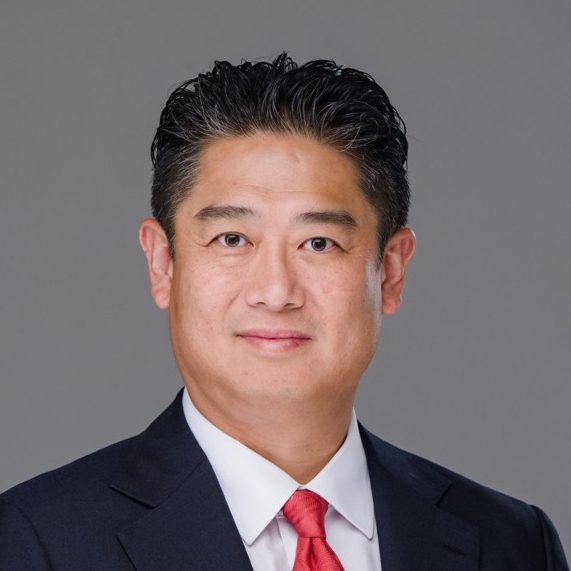
Steven Jahng

Ambassador Joon Ho Lee

Consul-General of the Republic of Korea in Atlanta

Ambassador Joon Ho Lee is the Consul-General of the Republic of Korea in Atlanta. A career diplomat with more than 30 years of experience at the Ministry of Foreign Affairs of the Republic of Korea, he has specialized in national security, North Korean nuclear affairs, and strategic planning. He has held senior positions including Director of the North Korean Nuclear Affairs Policy Division, Director-General for Strategy, and Senior Assistant Secretary at the National Security Council Secretariat. He also served as Special Representative and Director-General for the 2021 UN Peacekeeping Ministerial Preparatory Secretariat and as Ambassador Extraordinary and Plenipotentiary to Qatar. His overseas assignments include senior positions at Korean embassies in the United States, the United Kingdom, and Uzbekistan. Most recently, he served as Minister for Political Affairs and Deputy Chief of Mission at the Korean Embassy in Washington, D.C. Ambassador Lee holds a B.A. in International Relations from Seoul National University and an M.A. in Pacific International Affairs from the University of California, San Diego.

Scott A. Snyder

Scott A. Snyder

President and CEO, Korea Economic Institute of America

Scott A. Snyder is President and Chief Executive Officer at the Korea Economic Institute of America (KEI). Previously, he was a Senior Fellow for Korea studies and director of the program on U.S.-Korea policy at the Council on Foreign Relations from 2011 to March 2024. Mr. Snyder is the author of The United States-South Korea Alliance: Why It May Fail and Why It Must Not (December 2023) and South Korea at the Crossroads: Autonomy and Alliance in an Era of Rival Powers (January 2018). Mr. Snyder received a BA from Rice University and an MA from the regional studies East Asia program at Harvard University.


Steven Jahng

Steven Jahng

Vice President, Hyundai Motor Group

Steven Jahng is a senior business leader with extensive experience working across Korea, the United States, and Asia. His career spans more than two decades in international finance, including leadership roles with J.P. Morgan in Seoul and Singapore and HSBC Investment Bank in Seoul, followed by senior roles in corporate external affairs and stakeholder engagement in the U.S. With his experience across different business and cultural environments, Steven brings a valuable perspective on how global companies navigate cross-cultural management, local relationships, and the integration of international business strategies with U.S. priorities.

Eugene Kim

Dr. Eugene Kim

Associate Professor, Scheller College of Business, Georgia Institute of Technology

Dr. Eugene Kim is an associate professor of organizational behavior in the Scheller College of Business at the Georgia Institute of Technology. He received his Ph.D. from the University of Minnesota. His current areas of research include workplace mistreatment, emotion and well-being at work, and strategic human resource management. He has published in outlets such as the Academy of Management Journal, Journal of Applied Psychology, Personnel Psychology, Journal of Management, and Strategic Management Journal. He has served on the editorial board of the Journal of Applied Psychology. He has taught classes in the areas of organizational behavior and human resource management at the University of Minnesota and the Georgia Institute of Technology. He received several research and teaching awards from the Academy of Management, the Society for Industrial and Organizational Psychology, the University of Minnesota, and the Georgia Institute of Technology.

Tami Overby

Tami Overby

Partner, DGA Group

Tami Overby is a Partner at DGA Group Government Relations and is based in Washington, D.C. She draws on more than three decades of experience working in Asia to advise clients on investment and trade issues in South Korea and across the region. Ms. Overby most recently served as Senior Director at McLarty Associates. Previously, she was Senior Vice President for Asia and President of the U.S.-Korea Business Council at the U.S. Chamber of Commerce. In the latter role, she represented U.S. businesses during negotiation of the Trans-Pacific Partnership (TPP), directed the Chamber’s work with the Asia-Pacific Economic Cooperation (APEC), and helped companies navigate market access and investment issues throughout the region. Earlier in her career, Ms. Overby spent 14 years as President of the American Chamber of Commerce in Korea, where she helped grow the bilateral trade relationship and supported the completion and ratification of the U.S.-Korea Free Trade Agreement. She currently sits on the boards of the Korea Society and the U.S.-Asia Institute and is on the Advisory Council of the Korea Economic Institute. Ms. Overby received her B.S. in business administration and management from the University of Arkansas at Fayetteville.


The Korea Society Corporate Members and Individual Members at the Fellow level and above are eligible for a special discount rate. For more information, please contact us at CCLI@koreasociety.org.

Invitation Only · Friday, September 11

Executive Leadership Roundtable

In Partnership with KOTRA Atlanta


As an exclusive add-on to the U.S.–Korea Workforce Strategy Summit, The Korea Society, in partnership with KOTRA Atlanta, will host an invitation-only executive roundtable for a small group of executives from Korean companies on Friday, September 11.

This closed-door, interactive working session is designed to foster candid discussion on workforce, leadership, and organizational challenges, while providing participants with the opportunity to exchange best practices and identify practical solutions for strengthening cross-cultural leadership, workforce integration, and community engagement.

For more information, please contact us at CCLI@koreasociety.org.


Rapid Reaction:
An Olive Branch for North Korea?

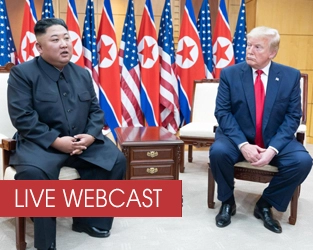
Join The Korea Society for a rapid reaction discussion exploring recent shifts in Korean Peninsula security and diplomacy. Featuring Ambassador (ret.) Joseph Yun, this program will examine President Donald Trump’s decision to modify joint military exercises with South Korea and his revelation of ongoing communication with North Korean leader Kim Jong Un. The program is moderated by policy director Jonathan Corrado.

The session will draw lessons from past negotiation cycles, assess how the geopolitical climate has evolved since Trump and Kim last met, dissect the implications of North Korea’s new “hostile states” policy, examine South Korea’s shifting role as a diplomatic pacemaker, and explore how the surrounding geopolitical situation—such as the expanding Russia-North Korea alliance and The Iran War—is reshaping dynamics in Northeast Asia. Ambassador Yun will also share insights from his multi-decade career managing Korean Peninsula relations.

This program is made possible by the generous support of our individual and corporate members and the Korea Foundation.


Speaker

Joseph “Joe” Yun

Ambassador (ret.) Joseph “Joe” Yun most recently served as Chargé d’Affaires ad interim at the United States Mission in the Republic of Korea. His previous diplomatic assignments include serving as U.S. Special Presidential Envoy to negotiate amendments to the Compact of Free Association (COFA), which governs the relationship between the United States and the Federated States of Micronesia, the Marshall Islands, and Palau. The negotiations concluded in October 2023 and were approved by Congress and enacted in March 2024.

Amb. Yun’s other senior diplomatic assignments include serving as U.S. Special Representative for North Korea Policy (2016-18), U.S. Ambassador to Malaysia (2013-16), and Principal Deputy Assistant Secretary of State for East Asian and Pacific Affairs (2011-2013). His earlier Foreign Service overseas assignments were in Hong Kong, Medan, Paris, Bangkok, and Seoul.

Outside the U.S. government, Amb. Yun has been Senior Advisor with The Asia Group, a DC-based strategic consulting firm, and served at the U.S. Institute of Peace, an independent and non-partisan federal institute working on peace and reconciliation issues throughout the globe. He holds a M. Phil. degree from the London School of Economics and a B.S. from the University of Wales.


Kim Koo: Dreaming of Peace Through the Power of Culture

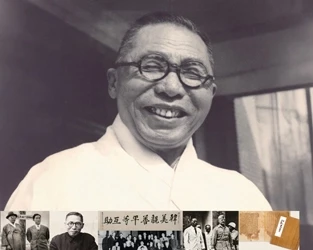
May 28-August 31, 2026 | The Korea Society is honored to host a special exhibition honoring the life, enduring vision, and profound legacy of Kim Koo—one of the most revered leaders of the Korean independence movement. As a central figure in the Korean independence movement and the President of the Provisional Government of the Republic of Korea, Kim Koo presented a visionary outlook that emphasized national strength based on culture rather than military or economic power. |

The Korea Society is honored to host a special exhibition honoring the life, enduring vision, and profound legacy of Kim Koo—one of the most revered leaders of the Korean independence movement. As a central figure in the Korean independence movement and the President of the Provisional Government of the Republic of Korea, Kim Koo presented a visionary outlook that emphasized national strength based on culture rather than military or economic power. To commemorate UNESCO’s designation of 2026 as the 150th anniversary of Kim Koo’s birth, The Korea Society offers a unique opportunity to reflect on his legacy through a visual exhibition.

This exhibition is produced in partnership between The Korea Society and The Association of Commemorative Service for Patriot Kim Koo and made possible by the support of the Kim Koo Foundation.


Kim Koo: Dreaming of Peace Through the Power of Culture

May 28-August 31, 2026

The Korea Society Gallery is open only by appointment. The appointment must be made at least 24 hours prior to the scheduled visit. To make an appointment, please contact info@koreasociety.org.

Gallery Hours: Monday-Friday 10 AM-4:30 PM
By Appointment Only


Commemorating the 150th Anniversary of Kim Koo’s Birth:
Exhibition Opening & Presentation

Invitation-only

 Live Webcast: Thursday, May 28, 2026 | 6 PM (EDT)


Kim Koo and UNESCO’s Shared Vision of Culture — The Story Behind the 150th Birth Anniversary Designation :

UNESCO has designated 2026 as a year to commemorate the 150th anniversary of Kim Koo’s birth. This decision goes beyond a simple historical tribute; it is the international community’s official recognition that Kim Koo’s vision—achieving world peace through the “power of culture” rather than economic or military might—aligns deeply with the universal values pursued by UNESCO.

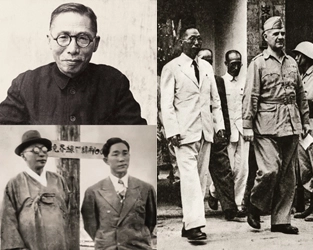
As the President of the Provisional Government of the Republic of Korea, Kim Koo led the independence movement and understood the importance of international solidarity better than anyone. In 1932, following the patriotic deeds of Yi Bong-chang and Yun Bong-gil, he managed to evade the pursuit of the Japanese Imperialists and continue his activities through the vital assistance of American missionary Dr. George Fitch. Furthermore, he solidified the foundation for independence through practical cooperation with democratic nations, such as collaborating with the U.S. Office of Strategic Services (OSS) to prepare for “The Eagle Project,” a domestic infiltration operation. He also successfully persuaded Chiang Kai-shek to ensure the guarantee of Korean independence at the Cairo Conference. These actions demonstrate that Kim Koo’s independence movement was more than mere resistance; it was part of an international solidarity effort sharing the universal values of freedom and human rights.

Kim Koo’s true pioneering spirit became even more evident after liberation. In his essay “My Wish,” included in his 1947 autobiography Paikbum Ilji (백범일지), he emphasized moving past hatred to build a nation where everyone enjoys happiness through cultural development, thereby contributing to world peace. His vision—that humanity can only prosper together when each nation develops its unique culture and engages in mutual exchange—is strikingly consistent with UNESCO’s cultural philosophy today.

The designation of this UNESCO anniversary year is the culmination of extensive preparations that began in June 2024. The process required meticulous attention due to various international and political circumstances. The final hurdle, consent from North Korea, was cleared through the method of “tacit consent”; leading to the final confirmation. This serves as a significant opportunity for Korea to expand its global contribution to cultural policy and discourse. At the same time, it is a meaningful declaration to the world that the spirit of Kim Koo—who fought against imperialist violence while ultimately aiming for human happiness and world peace—remains a vital universal value in our modern era.


South Korea’s
New Industrial Defense Strategy

Watch the three-episode premiere of Korea Expert Desk, a new video interview series from The Korea Society delivering sharp insights to help decision-makers and analysts understand the critical issues driving the U.S.–Republic of Korea (ROK) partnership. Concise, dynamic, and visually engaging, Korea Expert Desk unpacks the strategic statecraft and geopolitical shifts shaping the bilateral relationship and the region beyond.


This program is made possible by the generous support of the Korea Foundation and our individual and corporate members.


Korea Expert Desk: A New Video Interview Series
South Korea’s New Industrial Defense Strategy

Three New Videos Released on Aug 27, 28, and 31


Episode 1: South Korea’s Evolving Industrial Defense Strategy

Episode 1 thumbnail

Our first episode explores South Korea’s evolving industrial defense strategy with Dr. Lami Kim, the Korea Chair in Advanced Technologies, National Security, and Defence at The International Institute for Strategic Studies (IISS). Over the past twenty years, South Korean defense exports have seen an approximate 100-fold increase, hitting over $15 billion last year and cementing the country’s position as a top-10 global arms exporter. With a target of becoming the world’s fourth-largest by 2030, “K-Defense” firms have stepped in to fill critical supply chain bottlenecks and low magazine depth revealed by recent conflicts in Europe and the Middle East. Dr. Kim will examine how the U.S. and South Korea can cooperate to shore up the defense industrial base including shipbuilding, how Korean firms will adapt to meet future challenges, and how Korea can leverage international sales to support domestic defense needs.

Watch Episode 1


Episode 2: Closing the Shipbuilding Gap

Episode 2 thumbnail

In the second episode of South Korea’s New Industrial Defense Strategy, Dr. Lami Kim addresses how the U.S. holds less than 0.5% of global shipbuilding output. She explores how South Korea could help close the gap, from investments to the new MASGA initiative, and explains why a missing reciprocal defense agreement remains a major roadblock.

Watch Episode 2


Episode 3: North Korean Troops and Combat Experience

Episode 3 thumbnail

As reports emerge that North Korea is sending 50,000 additional troops to fight alongside Russia in the Russo-Ukraine War, those who have returned home are reportedly training North Korean soldiers on modern combat tactics. In the final episode of South Korea’s New Industrial Defense Strategy, part of our new Korea Expert Desk series, Dr. Lami Kim explains why this real-world combat experience alarms South Korea, and how Seoul is ramping up deterrence, drones, and precision strike capabilities in response.

Watch Episode 3


About the Speaker:

Dr. Lami Kim is the Korea Chair in Advanced Technologies, National Security, and Defence at The International Institute for Strategic Studies (IISS). Her research expertise lies in exploring military and defence issues on the Korean Peninsula, with a focus on the intersection between technology and national and international security. She is the inaugural IISS Korea Chair and leads the activities of this new research programme. Before joining the IISS, Lami served for six years at the US Department of Defense as an associate professor and director of the Asian Studies Program at the US Army War College and a professor at the Daniel K. Inouye Asia-Pacific Center for Security Studies. For her dedication to service, she received the Meritorious Civilian Service Medal from the Secretary of the US Army. She is the author of Everything but the Bomb: South Korea’s Nuclear Hedging Strategy, forthcoming from Stanford University Press. She has held research appointments and fellowships at Harvard’s Belfer Center, the Wilson Center, the Center for Strategic and International Studies, the Stimson Center, George Washington University, Seoul National University, Pacific Forum, the East-West Center and Eurasia Group, among others. Her work has appeared in the Washington Quarterly, Foreign Policy, War on the Rocks, Bulletin of the Atomic Scientists, and other policy outlets. She has also taught at Harvard University, Boston College and the University of Hong Kong. Before becoming a US citizen, she served as a diplomat for South Korea. She holds a PhD from The Fletcher School of Law and Diplomacy at Tufts University and a master’s degree from Harvard University.

<

Finding Your Path: Perspectives on Korean American Giving

The Korea Society and the Korean American Community Foundation’s (KACF) Associate Board are excited to present Finding Your Path: Perspectives on Korean American Giving, an intimate conversation exploring philanthropy, purpose-driven leadership, and the power of giving back.

We are joined by Christine Kang, Program Management Director at Blue Meridian Partners, and Mickey Hyun, Associate Manager for Friends of Asian Art at The MET. Together, they will share their experiences and insights on what it means to lead with purpose, build strong communities, and drive meaningful change through service, advocacy, and giving. Join us at The Korea Society on August 27th at 6:30 PM. Whether you’re just beginning your philanthropic journey or looking to deepen your involvement, this conversation is for you.

This panel will be moderated by Angela Bonato, Program Officer of the Maverick Capital Foundation and a KACF Associate Board member. KACF funds community-based non-profit organizations working to improve lives and transform communities in the Korean and Asian American communities in the greater New York area. The KACF Associate Board (AB) is a group of community-minded young professionals based in the New York Metro area who serve as ambassadors of KACF’s mission, helping to build awareness of issues of economic security and shape the next generation of Korean American philanthropy.


Speaker

Mickey Yoon-Jung Hyun

Mickey Yoon-Jung Hyun is the Associate Manager for Friends of Asian Art at The Metropolitan Museum of Art, where she oversees the Asian Art Department’s patron group and Visiting Committee. She works with curators, collectors, and patrons to support acquisitions, exhibitions, research, and public programs. Previously, Mickey served as Program Director of Partnerships at the Korean Cultural Center New York, a branch of the Ministry of Culture, Sports and Tourism of the Republic of Korea. There, she led cultural initiatives and developed partnerships with museums, universities, artists, and community organizations to broaden awareness of Korean arts and culture in the United States. She holds an M.A. in East Asian Languages and Cultures from Columbia University and a B.A. in International Studies with an East Asia concentration from Washington University in St. Louis.


Speaker

Christine Kang

Christine works closely with the Chief Financial and Business Officer and other senior leaders to lead the advancement of Blue Meridian’s Program Management Office (PMO) and manage key, cross-functional projects that support the organization’s strategic and business priorities. Previously, Christine was a Senior Portfolio Manager, supporting The Studio @ Blue Meridian. Prior to joining Blue Meridian, she was the New York Program Director at LIFT, a national anti-poverty organization, where she led the Regional Program Team to achieve ambitious recruitment, retention, and progress goals to help families achieve economic self-sufficiency. Before that, she was the Manager of Stakeholder Engagement at Project Sunshine, a pediatric healthcare nonprofit, where she oversaw corporate partnerships and led efforts to enhance the organization’s operational efficiency and build internal capacity. Christine currently serves the Northeastern Regional Chapter of the Korean American Scholarship Foundation (KASF), a nonprofit organization that provides needs and merit-based scholarships for students pursuing higher education. She holds a BA in Psychology from New York University and an MPA from the Austin W. Marxe School of Public and International Affairs at Baruch College.


Moderator

Angela Bonato

Angela serves as Program Officer at Maverick Capital Foundation, where she leads the Foundation’s corporate social responsibility initiatives. Her work spans volunteer programs, community engagement, and the Foundation’s summer internship program. She brings eight years of nonprofit program management experience across private and public funding, with a focus on postsecondary education and workforce development. Angela is committed to advancing impactful philanthropic work that expands opportunity for under-resourced communities, with a particular interest in career exploration for grantee participants. She also serves on the Associate Board of the Korean American Community Foundation, which promotes economic security for low-income Korean Americans through education, mentorship, leadership development, and financial literacy programming.

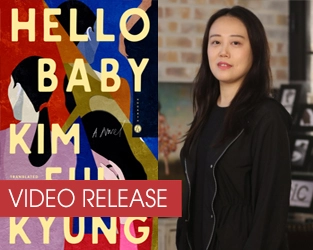
Author Talks: Kim Eui-Kyung

In her absorbing and candid novel Hello Baby, Kim Eui Kyung explores what women endure to become mothers. The novel features six women in their thirties and forties who strike up a friendship at a fertility clinic in Seoul and share their personal paths to motherhood via a group chat they name “Hello Baby.” Switching between the six characters—a journalist, a police officer, a vet, a lawyer, and two housewives—this thought-provoking novel explores the social pressure and emotional strain on women struggling to conceive. Written with insight, humor, and great empathy, Hello Baby is a moving portrait of what it means to be a woman today and the lengths some will go to seek motherhood.

In this episode of Author Talks, Kim Eui-Kyung discusses her novel, translated into English by Sora Kim-Russell.


Author

Kim Eui-kyung

Kim Eui-kyung is a novelist and essayist. Her debut novel, Youth Bankruptcy (2014) won the Korea Economic Daily Youth Literary Contest, and her second novel Call Center was awarded the 6th Soorim Literary Prize. She also published the story collection Showroom, set against the backdrop of IKEA, and the essay collection The Season Called Life. Her latest novel Hello Baby is a groundbreaking work of Korean feminist fiction about a group of women undergoing IVF at a fertility clinic in Seoul.

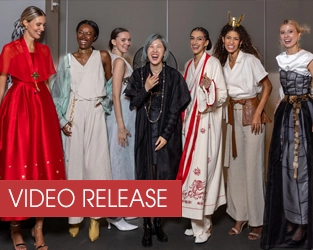
Leesle: Korean Chic

Leesle Hwang has built a distinctive fashion universe by reinterpreting Korean heritage through a modern lens. Her philosophy is rooted in the belief that “fashion comes to life not in a museum, but on the street.” Determined to transform time-honored traditions into living, breathing style, she reconstructs hanbok silhouettes, signature details, and unique textiles with contemporary materials, creating designs that are both distinctive and accessible. This vision has cultivated a devoted global following, positioning her as a pioneering voice in the emerging fashion genre of “Korean Chic” at a time when global interest in K-culture is at an all-time high.

In a conversation with The Korea Society, Leesle discusses her brand and design philosophy.


Critical Comparison: Sanctions on North Korea vs. Iran

Program Brief

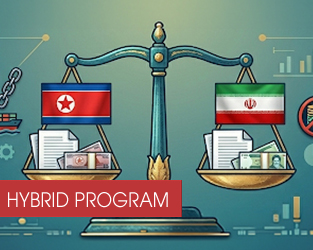
Critical Comparisons: Sanctions on North Korea vs. Iran

In a discussion on the implementation and efficacy of international sanctions, Dr. Jonathan Brewer, Visiting Professor at King’s College London and former Acting Coordinator of the UN Panel of Experts on North Korea, offered a nuanced comparative analysis of two of the world’s most complex sanctions regimes. Drawing on his unique experience as both a financial expert on the UN Panel on Iran and coordinator overseeing North Korea sanctions enforcement, Dr. Brewer examined why sanctions have succeeded in some contexts while failing to achieve their ultimate objectives in others.

This program was made possible by the generous support of the Korea Foundation and The Korea Society’s individual and corporate members.

Key Takeaways

1. Why Sanctions Failed on North Korea but Showed Promise with Iran

Dr. Brewer argued that sanctions did not uniformly fail; rather, they produced different outcomes based on implementation, context, and strategic timing. For Iran, Security Council sanctions, particularly financial restrictions, contributed to bringing the state to the negotiating table and eventually to the Joint Comprehensive Plan of Action (JCPOA). What made Iran sanctions effective was sustained US financial pressure that isolated Iranian banks from the dollar system, creating genuine economic costs. In contrast, North Korea sanctions have proven ineffective, but not because sanctions as a concept are flawed, Dr. Brewer argued. Multiple factors explain the divergence: sanctions were imposed after North Korea had already detonated a nuclear device and established core infrastructure, suggesting the intervention came too late. Sanctions were also applied incrementally over years, giving North Korea time to develop sophisticated evasion networks and procurement methods. Lastly, North Korea’s borders with China and Russia have created loopholes that undermine the effectiveness of sanctions, which is further compounded by inconsistent enforcement by both countries.

2. The Paradox of Panel Expertise: Information as an Essential Tool

In contemporary sanctions enforcement, Dr. Brewer highlighted that the absence of credible, independent monitoring bodies has presented a critical vulnerability. In particular, the mandate of the UN’s Panel of Experts on North Korea sanctions has ended and the Panel of Experts on Iranian sanctions cannot function normally. The consequence is that UN member states, which are obligated to implement Security Council sanctions, lack validated and impartial intelligence on sanction circumvention activities conducted by North Korea and Iran. This information gap directly undermines implementation effectiveness. Dr. Brewer also emphasized that the panels’ greatest asset was credibility. As reports were negotiated by consensus among the P5 and rotating members, they held unassailable validity that enabled states to justify compliance to domestic stakeholders. Without this institutional mechanism, sanctions are at risk of becoming performative rather than policy.

3. The Mechanics of Proliferation Finance and Emerging Sanctions Evasion Technologies

Dr. Brewer broke down weapons proliferation financing into three discrete stages: fundraising, disguising the funds, and procurement. North Korea has moved decisively into cryptocurrency theft and alternative financial pathways, stealing billions in digital assets that bypass traditional banking infrastructure. As sanctioned states become more sophisticated at exploiting cryptocurrency and as alternative payment systems mature, the foundation of modern financial sanctions, the dollar standard, faces gradual erosion. Dr. Brewer emphasized that this reality demands a multi-faceted response: stronger private sector compliance frameworks, enhanced blockchain analytics capabilities for tracing digital assets, and deeper coordination among export control regimes (Nuclear Suppliers Group, Missile Technology Control Regime) to address the procurement leg of the financing chain. Iran has not extensively pursued this cyber-based evasion approach, though the recent tentative US-Iran agreement may shift Iran’s strategy.

4. The Geopolitical Collapse of the Multilateral Sanctions Architecture

Dr. Brewer addressed a fundamental shift in the international landscape: the emergence of what observers call an “axis of sanctioned states.” Russia’s veto of the North Korea panel renewal, China’s increasing reluctance to enforce sanctions on Pyongyang, and growing military-technological cooperation among North Korea, Iran, and Russia represent a qualitative change in the viability of Security Council-based enforcement. This geopolitical realignment does not invalidate sanctions as a tool, but it does require creative adaptation. Dr. Brewer proposed building “communities of interest” among coalition partners willing to coordinate unilateral and multilateral sanctions. Deeper coordination among the US, South Korea, EU, Canada, UK, and Japan, combined with engagement of the private sector, financial institutions, and academic expertise, could partially substitute for a dysfunctional Security Council.


Speaker

Dr. Jonathan Brewer

Dr. Jonathan Brewer is a Visiting Professor at King’s College, London, carrying out research with the Alpha Project on questions of proliferation and the financing of proliferation. Based in New York, Dr. Brewer currently conducts research about UN Security Council and unilateral sanctions requirements, their implementation and circumvention, Weapons of Mass Destruction (WMD) proliferation programmes, and Financing of WMD proliferation, including Financial Action Task Force (FATF) requirements. Dr. Brewer is former Acting Coordinator of the UN Panel of Experts on North Korea (DPRK), Coordinator of the UN 1540 Group of Experts, and financial expert of the UN Panel on Iran. Brewer was a member of the UK Diplomatic Service between 1983 and 2010. Duties included substantive postings overseas to Luanda (1986–88), Mexico City (1991–95) and Moscow (1998–2001) and a secondment to the Joint Intelligence Committee, Cabinet Office, London (2003–2004). He was Head of Counter-Proliferation 2005–2010. He graduated from Oxford University with a First Class Honours degree, and holds a PhD in geophysics from Cornell University.

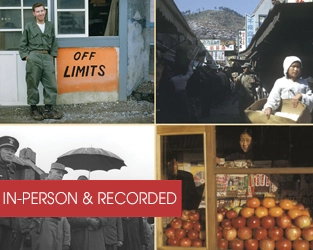
The Forgotten Home Front

As the Korean war (1950–1953) drew to a close and South Korea began to rebuild, American GI Roger Marshutz (1929–2007) was stationed in Pusan to photograph U.S. reconstruction efforts. In his spare time, Marshutz also wandered the streets, documenting the daily life of Korean civilians. The Forgotten Home Front: Roger Marshutz’s Photographs of Pusan, South Korea, 1952–1954 offers both an official and unofficial look at U.S.-South Korean relations, as well as a portrait of a country in the midst of enormous political, economic, and cultural transformation.

Based on the new book, historian Sean Kim will discuss the crucial role of Pusan during the war and the pivotal moment in modern Korean history.


Speaker

Sean C. Kim

Sean C. Kim is Professor of History at the University of Central Missouri, where he teaches courses on East Asian, world, and US history. Kim received his Ph.D. from the Department of East Asian Languages and Civilizations at Harvard University. His research focuses on modern Korean religious history, in particular, the emergence of Protestant Christianity. Kim is currently working on an edited volume on Korean religions.