
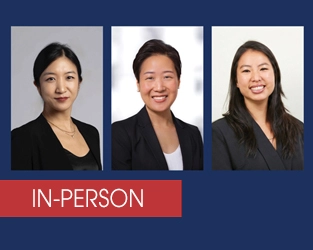
Finding Your Path: Perspectives on Korean American Giving

The Korea Society and the Korean American Community Foundation’s (KACF) Associate Board are excited to present Finding Your Path: Perspectives on Korean American Giving, an intimate conversation exploring philanthropy, purpose-driven leadership, and the power of giving back.

We are joined by Christine Kang, Program Management Director at Blue Meridian Partners, and Mickey Hyun, Associate Manager for Friends of Asian Art at The MET. Together, they will share their experiences and insights on what it means to lead with purpose, build strong communities, and drive meaningful change through service, advocacy, and giving. Join us at The Korea Society on August 27th at 6:30 PM. Whether you’re just beginning your philanthropic journey or looking to deepen your involvement, this conversation is for you.

This panel will be moderated by Angela Bonato, Program Officer of the Maverick Capital Foundation and a KACF Associate Board member. KACF funds community-based non-profit organizations working to improve lives and transform communities in the Korean and Asian American communities in the greater New York area. The KACF Associate Board (AB) is a group of community-minded young professionals based in the New York Metro area who serve as ambassadors of KACF’s mission, helping to build awareness of issues of economic security and shape the next generation of Korean American philanthropy.


Speaker

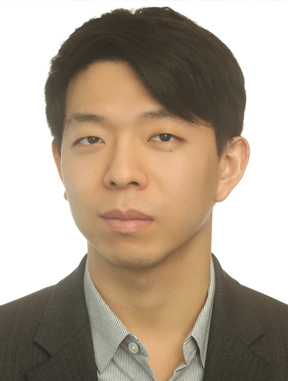
Mickey Yoon-Jung Hyun

Mickey Yoon-Jung Hyun is the Associate Manager for Friends of Asian Art at The Metropolitan Museum of Art, where she oversees the Asian Art Department’s patron group and Visiting Committee. She works with curators, collectors, and patrons to support acquisitions, exhibitions, research, and public programs. Previously, Mickey served as Program Director of Partnerships at the Korean Cultural Center New York, a branch of the Ministry of Culture, Sports and Tourism of the Republic of Korea. There, she led cultural initiatives and developed partnerships with museums, universities, artists, and community organizations to broaden awareness of Korean arts and culture in the United States. She holds an M.A. in East Asian Languages and Cultures from Columbia University and a B.A. in International Studies with an East Asia concentration from Washington University in St. Louis.


Speaker

Christine Kang

Christine works closely with the Chief Financial and Business Officer and other senior leaders to lead the advancement of Blue Meridian’s Program Management Office (PMO) and manage key, cross-functional projects that support the organization’s strategic and business priorities. Previously, Christine was a Senior Portfolio Manager, supporting The Studio @ Blue Meridian. Prior to joining Blue Meridian, she was the New York Program Director at LIFT, a national anti-poverty organization, where she led the Regional Program Team to achieve ambitious recruitment, retention, and progress goals to help families achieve economic self-sufficiency. Before that, she was the Manager of Stakeholder Engagement at Project Sunshine, a pediatric healthcare nonprofit, where she oversaw corporate partnerships and led efforts to enhance the organization’s operational efficiency and build internal capacity. Christine currently serves the Northeastern Regional Chapter of the Korean American Scholarship Foundation (KASF), a nonprofit organization that provides needs and merit-based scholarships for students pursuing higher education. She holds a BA in Psychology from New York University and an MPA from the Austin W. Marxe School of Public and International Affairs at Baruch College.


Moderator

Angela Bonato

Angela serves as Program Officer at Maverick Capital Foundation, where she leads the Foundation’s corporate social responsibility initiatives. Her work spans volunteer programs, community engagement, and the Foundation’s summer internship program. She brings eight years of nonprofit program management experience across private and public funding, with a focus on postsecondary education and workforce development. Angela is committed to advancing impactful philanthropic work that expands opportunity for under-resourced communities, with a particular interest in career exploration for grantee participants. She also serves on the Associate Board of the Korean American Community Foundation, which promotes economic security for low-income Korean Americans through education, mentorship, leadership development, and financial literacy programming.


Author Talks: Kim Eui-Kyung

In her absorbing and candid novel Hello Baby, Kim Eui Kyung explores what women endure to become mothers. The novel features six women in their thirties and forties who strike up a friendship at a fertility clinic in Seoul and share their personal paths to motherhood via a group chat they name “Hello Baby.” Switching between the six characters—a journalist, a police officer, a vet, a lawyer, and two housewives—this thought-provoking novel explores the social pressure and emotional strain on women struggling to conceive. Written with insight, humor, and great empathy, Hello Baby is a moving portrait of what it means to be a woman today and the lengths some will go to seek motherhood.

In this episode of Author Talks, Kim Eui-Kyung discusses her novel, translated into English by Sora Kim-Russell.


Author

Kim Eui-kyung

Kim Eui-kyung is a novelist and essayist. Her debut novel, Youth Bankruptcy (2014) won the Korea Economic Daily Youth Literary Contest, and her second novel Call Center was awarded the 6th Soorim Literary Prize. She also published the story collection Showroom, set against the backdrop of IKEA, and the essay collection The Season Called Life. Her latest novel Hello Baby is a groundbreaking work of Korean feminist fiction about a group of women undergoing IVF at a fertility clinic in Seoul.

Leesle: Korean Chic

Leesle Hwang has built a distinctive fashion universe by reinterpreting Korean heritage through a modern lens. Her philosophy is rooted in the belief that “fashion comes to life not in a museum, but on the street.” Determined to transform time-honored traditions into living, breathing style, she reconstructs hanbok silhouettes, signature details, and unique textiles with contemporary materials, creating designs that are both distinctive and accessible. This vision has cultivated a devoted global following, positioning her as a pioneering voice in the emerging fashion genre of “Korean Chic” at a time when global interest in K-culture is at an all-time high.

In a conversation with The Korea Society, Leesle discusses her brand and design philosophy.


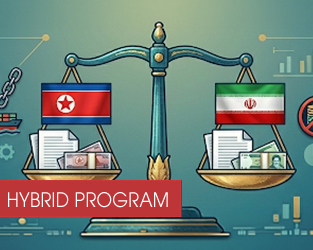
Critical Comparison: Sanctions on North Korea vs. Iran


Program Brief

Critical Comparisons: Sanctions on North Korea vs. Iran

In a discussion on the implementation and efficacy of international sanctions, Dr. Jonathan Brewer, Visiting Professor at King’s College London and former Acting Coordinator of the UN Panel of Experts on North Korea, offered a nuanced comparative analysis of two of the world’s most complex sanctions regimes. Drawing on his unique experience as both a financial expert on the UN Panel on Iran and coordinator overseeing North Korea sanctions enforcement, Dr. Brewer examined why sanctions have succeeded in some contexts while failing to achieve their ultimate objectives in others.

This program was made possible by the generous support of the Korea Foundation and The Korea Society’s individual and corporate members.

Key Takeaways

1. Why Sanctions Failed on North Korea but Showed Promise with Iran

Dr. Brewer argued that sanctions did not uniformly fail; rather, they produced different outcomes based on implementation, context, and strategic timing. For Iran, Security Council sanctions, particularly financial restrictions, contributed to bringing the state to the negotiating table and eventually to the Joint Comprehensive Plan of Action (JCPOA). What made Iran sanctions effective was sustained US financial pressure that isolated Iranian banks from the dollar system, creating genuine economic costs. In contrast, North Korea sanctions have proven ineffective, but not because sanctions as a concept are flawed, Dr. Brewer argued. Multiple factors explain the divergence: sanctions were imposed after North Korea had already detonated a nuclear device and established core infrastructure, suggesting the intervention came too late. Sanctions were also applied incrementally over years, giving North Korea time to develop sophisticated evasion networks and procurement methods. Lastly, North Korea’s borders with China and Russia have created loopholes that undermine the effectiveness of sanctions, which is further compounded by inconsistent enforcement by both countries.

2. The Paradox of Panel Expertise: Information as an Essential Tool

In contemporary sanctions enforcement, Dr. Brewer highlighted that the absence of credible, independent monitoring bodies has presented a critical vulnerability. In particular, the mandate of the UN’s Panel of Experts on North Korea sanctions has ended and the Panel of Experts on Iranian sanctions cannot function normally. The consequence is that UN member states, which are obligated to implement Security Council sanctions, lack validated and impartial intelligence on sanction circumvention activities conducted by North Korea and Iran. This information gap directly undermines implementation effectiveness. Dr. Brewer also emphasized that the panels’ greatest asset was credibility. As reports were negotiated by consensus among the P5 and rotating members, they held unassailable validity that enabled states to justify compliance to domestic stakeholders. Without this institutional mechanism, sanctions are at risk of becoming performative rather than policy.

3. The Mechanics of Proliferation Finance and Emerging Sanctions Evasion Technologies

Dr. Brewer broke down weapons proliferation financing into three discrete stages: fundraising, disguising the funds, and procurement. North Korea has moved decisively into cryptocurrency theft and alternative financial pathways, stealing billions in digital assets that bypass traditional banking infrastructure. As sanctioned states become more sophisticated at exploiting cryptocurrency and as alternative payment systems mature, the foundation of modern financial sanctions, the dollar standard, faces gradual erosion. Dr. Brewer emphasized that this reality demands a multi-faceted response: stronger private sector compliance frameworks, enhanced blockchain analytics capabilities for tracing digital assets, and deeper coordination among export control regimes (Nuclear Suppliers Group, Missile Technology Control Regime) to address the procurement leg of the financing chain. Iran has not extensively pursued this cyber-based evasion approach, though the recent tentative US-Iran agreement may shift Iran’s strategy.

4. The Geopolitical Collapse of the Multilateral Sanctions Architecture

Dr. Brewer addressed a fundamental shift in the international landscape: the emergence of what observers call an “axis of sanctioned states.” Russia’s veto of the North Korea panel renewal, China’s increasing reluctance to enforce sanctions on Pyongyang, and growing military-technological cooperation among North Korea, Iran, and Russia represent a qualitative change in the viability of Security Council-based enforcement. This geopolitical realignment does not invalidate sanctions as a tool, but it does require creative adaptation. Dr. Brewer proposed building “communities of interest” among coalition partners willing to coordinate unilateral and multilateral sanctions. Deeper coordination among the US, South Korea, EU, Canada, UK, and Japan, combined with engagement of the private sector, financial institutions, and academic expertise, could partially substitute for a dysfunctional Security Council.


Speaker

Dr. Jonathan Brewer

Dr. Jonathan Brewer is a Visiting Professor at King’s College, London, carrying out research with the Alpha Project on questions of proliferation and the financing of proliferation. Based in New York, Dr. Brewer currently conducts research about UN Security Council and unilateral sanctions requirements, their implementation and circumvention, Weapons of Mass Destruction (WMD) proliferation programmes, and Financing of WMD proliferation, including Financial Action Task Force (FATF) requirements. Dr. Brewer is former Acting Coordinator of the UN Panel of Experts on North Korea (DPRK), Coordinator of the UN 1540 Group of Experts, and financial expert of the UN Panel on Iran. Brewer was a member of the UK Diplomatic Service between 1983 and 2010. Duties included substantive postings overseas to Luanda (1986–88), Mexico City (1991–95) and Moscow (1998–2001) and a secondment to the Joint Intelligence Committee, Cabinet Office, London (2003–2004). He was Head of Counter-Proliferation 2005–2010. He graduated from Oxford University with a First Class Honours degree, and holds a PhD in geophysics from Cornell University.

The Forgotten Home Front

As the Korean war (1950–1953) drew to a close and South Korea began to rebuild, American GI Roger Marshutz (1929–2007) was stationed in Pusan to photograph U.S. reconstruction efforts. In his spare time, Marshutz also wandered the streets, documenting the daily life of Korean civilians. The Forgotten Home Front: Roger Marshutz’s Photographs of Pusan, South Korea, 1952–1954 offers both an official and unofficial look at U.S.-South Korean relations, as well as a portrait of a country in the midst of enormous political, economic, and cultural transformation.

Based on the new book, historian Sean Kim will discuss the crucial role of Pusan during the war and the pivotal moment in modern Korean history.


Speaker

Sean C. Kim

Sean C. Kim is Professor of History at the University of Central Missouri, where he teaches courses on East Asian, world, and US history. Kim received his Ph.D. from the Department of East Asian Languages and Civilizations at Harvard University. His research focuses on modern Korean religious history, in particular, the emergence of Protestant Christianity. Kim is currently working on an edited volume on Korean religions.

01 / 02

Who was Roger Marshutz?


Before establishing himself in the mid-1950s as a Hollywood photographer of famous actors and celebrities, Roger Marshutz (1929–2007) served as an American G.I. in Pusan from 1952 to 1954. While his official role was documenting U.S. reconstruction efforts, he also spent his free time exploring the streets to capture the everyday lives of Korean civilians.

02 / 02

What happened in Pusan during and post Korean War?

During the Korean War (1950-53), the Pusan Perimeter was the only part of the Korean peninsula that South Korea never lost control over, and the city of Pusan was a temporary wartime capital of South Korea. So many refugees arrived in Pusan during the war, more than doubling its population from 300,000 to 850,000. It was also through Pusan that the U.S. economic aid entered Korea.

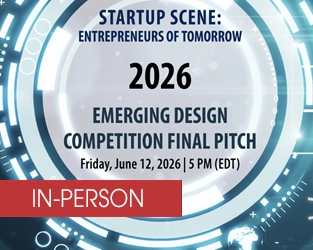
2026 Emerging Design Competition Final Pitch


The Korea Society invites you to the final pitching competition of Startup Scene: Emerging Design Competition — the most aspiring moment of Startup Scene: Entrepreneurs of Tomorrow, a program initiative dedicated to empowering the next generation of entrepreneurs across the US and South Korean startup ecosystems.

Come witness firsthand the creativity and drive of the next generation of Korean and Korean-American founders. After a half-year journey — from initial ideation to mentorship — our finalists are now one step away from taking home prizes of $5,000, $3,000, and $1,000. Each finalist will deliver a live pitch followed by a Q&A with the judging panel, showcasing ideas at the intersection of technology, design, and social impact that may very well shape tomorrow’s economy.

For any questions, please contact us at startupscene@koreasociety.org.


This program is proudly and exclusively supported by Hanwha Life


Finalists


2026 EMERGING DESIGN COMPETITION FINALISTS

We are excited to announce the finalists of the 2026 Emerging Design Competition:


Cuddles
Emory University
A screen-free AI plush companion that helps children build emotional and language skills while giving parents actionable insights to deepen their family connection


FOODIE
Iowa State University
A gamified fridge manager that notifies you 48 hours before your food expires


MyHearo
New York University/ School of Visual Arts
An AI agent for deaf and hard-of-hearing users that understands sound and context to support everyday awareness and action


SORVY
Washington State University/Arizona State University
Turning starfish waste into a self-regulating aquarium water cartridge


New Thinking on Korea’s
Aging, Shrinking Society

Program Brief

New Thinking on Korea’s Aging, Shrinking Society

In a discussion on South Korea’s low birth rate and aging society, Professor Youngtae Cho, Director of the Population Policy Research Center (PPRC) at Seoul National University, challenged conventional narratives surrounding South Korea’s demographic decline. Rather than viewing a shrinking population as a critical crisis, Professor Cho reframed it as a unique window of opportunity to strategically build a more sustainable and resilient future.

This program was made possible by the generous support of the Korea Foundation and our individual and corporate members.

Key Takeaways

1. Hypercentralization in Seoul as a Fundamental Driver of Low Fertility

From an evolutionary perspective, Dr. Cho explained that when competition for resources becomes unsustainably intense, an organism’s instinct for individual survival overrides its instinct for reproduction. In South Korea, this survival trigger is directly tied to hypercentralization. More than 50 percent of the national population is concentrated in the Seoul metropolitan area, where economic opportunities are clustered. Coupled with the fact that 77 percent of 30-year-olds hold a college degree—the highest in the world—metropolitan areas have become dense, high-pressure environments where young people face a brutal daily battle for survival, leaving them with no financial or psychological capacity to marry or have children.

2. Quality Over Quantity

Dr. Cho refuted Elon Musk’s claim that South Korea’s low fertility rate would allow North Korea to easily invade by simply “walking across” the DMZ within three generations. He revealed through recent demographic simulations that North Korea’s population is facing its own severe, unmanaged decline; its annual births sit around 220,000 to 230,000, roughly equal to South Korea’s 250,000 births last year. Furthermore, Dr. Cho argued that assessing a nation’s future strictly by headcount is reductionist. South Korea’s historic post-war transformation into a global economic powerhouse was driven by massive leaps in individual human capability and resilience, qualities that numbers alone cannot capture. Dr. Cho encouraged a perspective that looks beyond the population number to additionally consider “APC,” which means age, period, and cohort.

3. The Extreme Reality of Social Aging and Shifting Median Age

Dr. Cho emphasized that a shifting age structure fundamentally transforms a nation into an entirely different world, an evolution best captured by the relentless rise of South Korea’s median age. Historically, this metric dictated the baseline for cultural maturity; in 1994, the median age was a youthful 29, meaning that turning 30 marked a sudden, high-pressure threshold into full adult responsibility. Today, that midpoint has skyrocketed to 46 and by 2054, the median age in Korea will be around 60 years old. This unprecedented shift means institutions, legal frameworks, and economic systems must be completely reinvented to function in a society where the statistical average age shifts substantially.

4. Demographic Solutions for Corporate Talent Pipelines

Dr. Cho asserted that treating population decline as an automatic economic death sentence is a mistake. By looking at demographics through the multi-dimensional “APC” lens (Age, Period, Cohort), businesses can uncover massive expanding global markets and pivot their strategies. In a notable case study, one company faced high resignation rates among its newly recruited elite workforce despite offering top-tier salaries and welfare benefits. Dr. Cho’s research identified a distinct demographic mismatch: 49% of Koreans born in 1990 and 51% born after 2003 are Seoul natives, thus structurally addicted to the capital’s infrastructure. Forcing them to work consecutive years at regional plants hours away created an exhausting, unsustainable weekend travel loop. Acting on Dr. Cho’s advice, the company introduced a bi-weekly 4-day work week in 2024, reversing attrition rates among their young talent.


Speaker

Dr. Youngtae Cho

Dr. Youngtae Cho is a professor of demography at the Graduate School of Public Health, Seoul National University, and director of the SNU Population Policy Research Center. He received his Ph.D. in sociology (specialized in demography) from the University of Texas at Austin in 2002. His research focuses on fertility transitions, demographic change, and their impacts on social and economic structures in East and Southeast Asia. He is the author of several books for general public and has played a leading role in enhancing population literacy in Korea. Through media, public speaking, and policy consultation, Cho reframes demographic shifts not as crises, but tools for building a more sustainable and proactive future.

Okdongsik

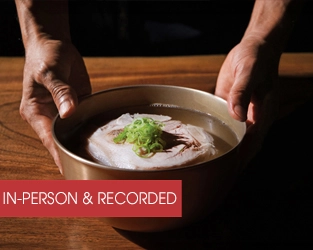
With a philosophy rooted in simplicity, precision, and balance, Chef Dongsik Ok has reframed traditional Korean comfort food through a minimalist and modern lens. His eponymous restaurant Okdongsik’s signature dish is an elegant yet deeply comforting pork broth, dwaeji gomtang.

Since its launch in Seoul’s Seogyo-dong neighborhood in 2017, Okdongsik has earned critical acclaim and recognition with the Michelin Guide Bib Gourmand distinction for eight consecutive years, establishing it as one of Seoul’s premier dining spots. Now an international brand, Okdongsik has expanded its presence beyond Seoul with locations in New York (Manhattan and Bayside), Honolulu, Tokyo, and Paris. The brand’s ongoing growth focuses on small, highly curated spaces that prioritize consistency, quality, and operational discipline, and the chef’s commitment and dedication is transforming Korean soul food into a globally recognized culinary category.

In his conversation with Vivian Lee, Chef Dongsik Ok shares his insights on his career, food philosophy, and the restaurant industry.

In this talk, Kim explores the recent popularity of Korean food in New York City by focusing on both transnational and domestic factors, leading to the new trend of commercialization of ethnic food, emphasis on authenticity, and rise of the omnivore society, by delivering the voices of ordinary people. While Koreatown’s authenticity has been largely defined by commercialized ethnic cuisine by local entrepreneurs, the Korean government, and franchises, Kim argues that Koreatown’s authenticity has represented the collective imaginations and narratives of various consumer groups–Korean nationals, Korean Americans, and non-Koreans.


Speaker

Chef Dongsik Ok

Chef Dongsik Ok is the founder and owner chef of Okdongsik. He holds a Bachelor’s degree in Culinary Science from Kyung Hee University and opened the first Okdongsik restaurant in Seoul’s Seogyo-dong neighborhood in 2017. The restaurant quickly gained critical acclaim and has been awarded the Michelin Guide Bib Gourmand distinction for eight consecutive years, establishing it as one of Seoul’s most respected dining destinations. Since entering the U.S. market, Okdongsik has grown into an international presence, with locations in New York (Manhattan and Bayside), Honolulu, Tokyo, and Paris. Chef Dongsik Ok gained broader international recognition following his appearance on Netflix’s Culinary Class Wars 2 (2025), where his culinary philosophy and signature dishes were introduced to a global audience.


Moderator

Vivian Lee Ok

Vivian Lee is an Emmy-winning TV journalist, public speaker, moderator and director/producer in New York. Currently a correspondent for the magazine show Asian American Life. CUNY-TV, Vivian garnered her third Emmy nomination this year for producing and hosting CUNY-TV’s special on the 70th anniversary of the Korean War armistice. She also co-hosts the podcast The 5 Of Us, which examines career and life issues affecting women at work. Vivian anchored, reported and hosted for NY1 Spectrum News between 2008 and 2020, covering stories of national and international importance, including the pandemic, social justice protests, and the 2020 general election. Vivian also hosted Spotlight New York, a weekly magazine show exploring the arts landscape of the five boroughs of NYC. She was awarded an Emmy in 2020 for her story on Manhattan’s iconic Joe’s Pub.

Closing the Korea Discount:

The Korea Society and the Korea Trade-Investment Promotion Agency (KOTRA) are pleased to present a timely discussion on South Korea’s capital market reforms. South Korea is undertaking its most ambitious capital market reform in years—an agenda to strengthen corporate governance, expand investor protections, and unlock deeper access to global capital. What does this moment mean for international investors, and what will it take to finally close the Korea discount?

Join Namuh Rhee, Chairman of the Korean Corporate Governance Forum and a leading voice behind Korea’s reform movement, for a keynote address, followed by a cross-border conversation with senior representatives from the Bank of Korea and two leading U.S. investment professionals on where the reforms stand, how Korea’s macro landscape is reshaping its appeal, and what global capital needs to see next.

Opening Remarks

Rak-gon Kim, Director General of KOTRA New York

Keynote Speaker 

Namuh Rhee, Chairman, Korea Corporate Governance Forum; Visiting Professor, Yonsei University

Panelists 

Young Woong Hwang Head, Money Market Team, Bank of Korea

Chiara Salghini Portfolio Manager, Senior Research Analyst, Vontobel

Jae Hyun Yoo Director, International Finance Division, Bank of Korea

A senior executive at a major Wall Street bank’s private investing arm

Moderated by Mark Kim President, Korea Finance Society


Brought together with
Contact image


About the Speakers

Young Woong Hwang
Head, Money Market Team, The Bank of Korea

Young Woon Hwang joined the Bank of Korea in 2003 and has since worked in the Monetary Policy Department, Financial Markets Department, Research Department, and Financial Stability Department, engaging in monetary policy as well as financial stability–related affairs.

Young Woong graduated with a BA in Economics from Korea University.

Mark Kim
Director at Anchorage Capital Advisors

Mark Kim is a Director at Anchorage Capital Advisors, a credit-oriented investment firm based in New York. At Anchorage, Mark is responsible for corporate credit investing across the capital structure, as well as business development and investor relations for Korea.

Before joining Anchorage, he worked at TPG Sixth Street Partners and started his career in the investment banking division at Bank of America Merrill Lynch in New York.

Mark serves as President of Korea Finance Society and received the Finance Excellence Award from the Korean Ministry of Economy and Finance for his contributions to the organization.

Mark holds a Bachelor of Science in Applied Mathematics from Columbia University.

Rakgon Kim
Director-General of KOTRA New York

Rakgon Kim is the Director-General of KOTRA New York, appointed in 2025. With nearly 30 years of experience at the Korea Trade-Investment Promotion Agency (KOTRA), he is a seasoned expert in global trade, export support, and strategic management.

Mr. Kim has held diverse leadership roles across KOTRA’s international network, previously serving as Director-General in Chicago (2023–2025) and Doha, and as Director in Auckland. At KOTRA headquarters, he led the Export Support and Human Resources Development teams and held multiple strategic positions within the Office of the President. He remains dedicated to strengthening economic ties between Korea and the global market through his extensive expertise in international trade.

Namuh Rhee
Chairman of the Korean Corporate Governance Forum

As Chairman of the Korean Corporate Governance Forum, Namuh Rhee is at the forefront of efforts to elevate corporate governance standards across the country, bringing nearly four decades of experience across Asia’s leading financial institutions. He has held senior leadership roles at Samsung Securities, Bank of America Merrill Lynch, and Nomura International, spanning Seoul, Hong Kong, and Singapore. Throughout his career he built a distinguished reputation as one of the foremost authorities on Korean equities.

His corporate governance credentials are underpinned by extensive board experience spanning financial services, media, start-up and chaebols, having served as a non-executive board member of BNK Financial Holdings, SBS, Hansol Holdings, Mando China Holdings, Korea Investment Trust, ABLBio, and Citibank Korea. Earlier in his career, he was appointed to the Finance Industry Development Review Committee of Korea’s Ministry of Finance and Economy, one of the government’s most senior advisory bodies. He holds an MBA from the University of Chicago and a BA in Economics from Seoul National University.

Chiara Salghini joined Vontobel in November 2023. She is Deputy Portfolio Manager and Senior Research Analyst within the Quality Growth boutique. In this role, she works as a generalist, focusing on emerging markets and researching investment opportunities with a particular emphasis on Latin America, Asia, and the EMEA region (Europe, Middle East and Africa).

Before joining Vontobel, from 2019 to 2023, she was a research analyst at Stone Forest Capital, where she focused on emerging-market equities. Prior to that, she covered emerging-market and international equities at Federated Hermes. Her previous experience in the finance industry includes working as an investment banker at Barclays in London and New York, and as a credit analyst at Moody’s. She started her career in 2005 at UBS in London as an investment banking analyst in the Mergers & Acquisitions department.

Chiara holds an MBA in Finance from The Wharton School, an MPA in International Economics and Public Policy from Harvard University, as well as degrees from The London School of Economics and Bocconi University.

Jae Hyun Yoo
Director, International Finance Division The Bank of Korea

Jae Hyun Yoo is Director of International Finance Division in The Bank of Korea. He has more than 25 years’ experience of working in a number of different roles associated with FX and financial markets department in the BOK. He has been deeply involved in the establishment and operation of Korea’s foreign exchange policies and regulations. He also served as a policy advisor to a member of the BOK’s Monetary Policy Committee from 2016~2018.

Jae Hyun graduated with a BA in Economics from Seoul National University.

Economic Outlook
Through a Glass, Darkly

The New York Korean Financial Forum was held on May 28, 2026 at The Korea Society, in partnership with Korea Investment Corporation (KIC) and the Consulate General of the Republic of Korea in New York, to discuss the current U.S. labor market and global economic outlook.

Michael S. Hanson, Senior Economist at J.P. Morgan Global Economic Research, presented a data-driven analysis of a labor market showing signs of stabilization amid persistent inflation driven by energy costs and trade tariffs, while highlighting the risks posed by oil supply shocks and geopolitical tensions in the Persian Gulf. Hanson’s forecast projections through 2027 painted a picture of a fragile recovery where resilient consumer spending continues to face pressure from rising costs and fiscal deficits.

The program brought together over 40 Korean and Korean-American finance professionals and concluded with a networking session, offering participants an opportunity to exchange professional insights and strengthen connections across New York’s financial community.