The Illusion of Pastness:
Hanbok on Screen

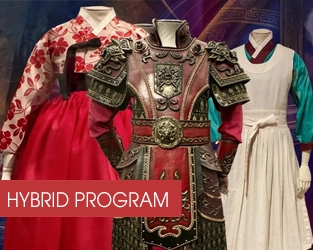
Korean visual entertainment—including films, K-dramas, and K-pop music videos—is the result of highly sophisticated planning and production. These productions captivate a global audience by synthesizing music, narrative, and styling to deliver striking visual aesthetics and compelling emotional narratives. Costume is central to this production system, and it plays an instrumental role in the aesthetic appeal and popularity of the media. For luxury brands, K-drama serves as a powerful niche marketing platform, while traditional dress (hanbok) is pivotal to nation branding.

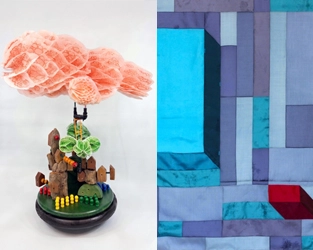
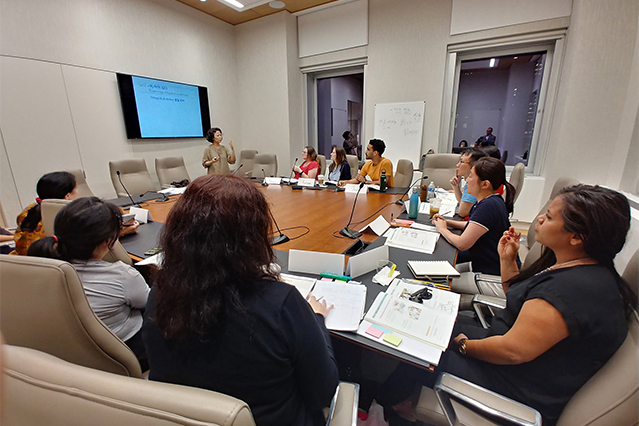
Dress historian Dr. Minjee Kim will offer fresh insights into Korean period costume as a visual and narrative language closely aligned with the development of plot and storyline. She will demonstrate how period costumes produce the “illusion of pastness” rather than the past itself, operating within a narrower range of sartorial possibilities, thereby negotiating historical accuracy, constructing stylized appearances, and translating dynamically into contemporary aesthetics.

This program is co-hosted by the Consulate General of the Republic of Korea in New York.


About the Speaker:


Minjee Kim is an adjunct professor at the Fashion Institute of Technology, where she teaches History of East Asian Dress. She earned her PhD from Seoul National University and is the co-editor of Dress History of Korea: Critical Perspectives on Primary Sources (Bloomsbury, 2023). Her research interests include the historiography of Korean dress and fashion, research methodology, fashion history pedagogy, and archival practices. www.kimminjee.com.


<

35th ANNUAL VAN FLEET MEMORIAL
GOLF TOURNAMENT

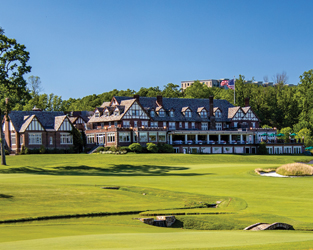
This year, The Korea Society returned to the renowned Baltusrol Golf Club to host the 35th Annual Van Fleet Memorial Golf Tournament on May 18, 2026.

We were delighted to welcome our sponsors, members, and friends for a lovely day of golf, networking, and competition. Throughout the tournament, participants enjoyed a beautiful day on the course while reconnecting with colleagues and strengthening ties within the Korea–U.S. community.

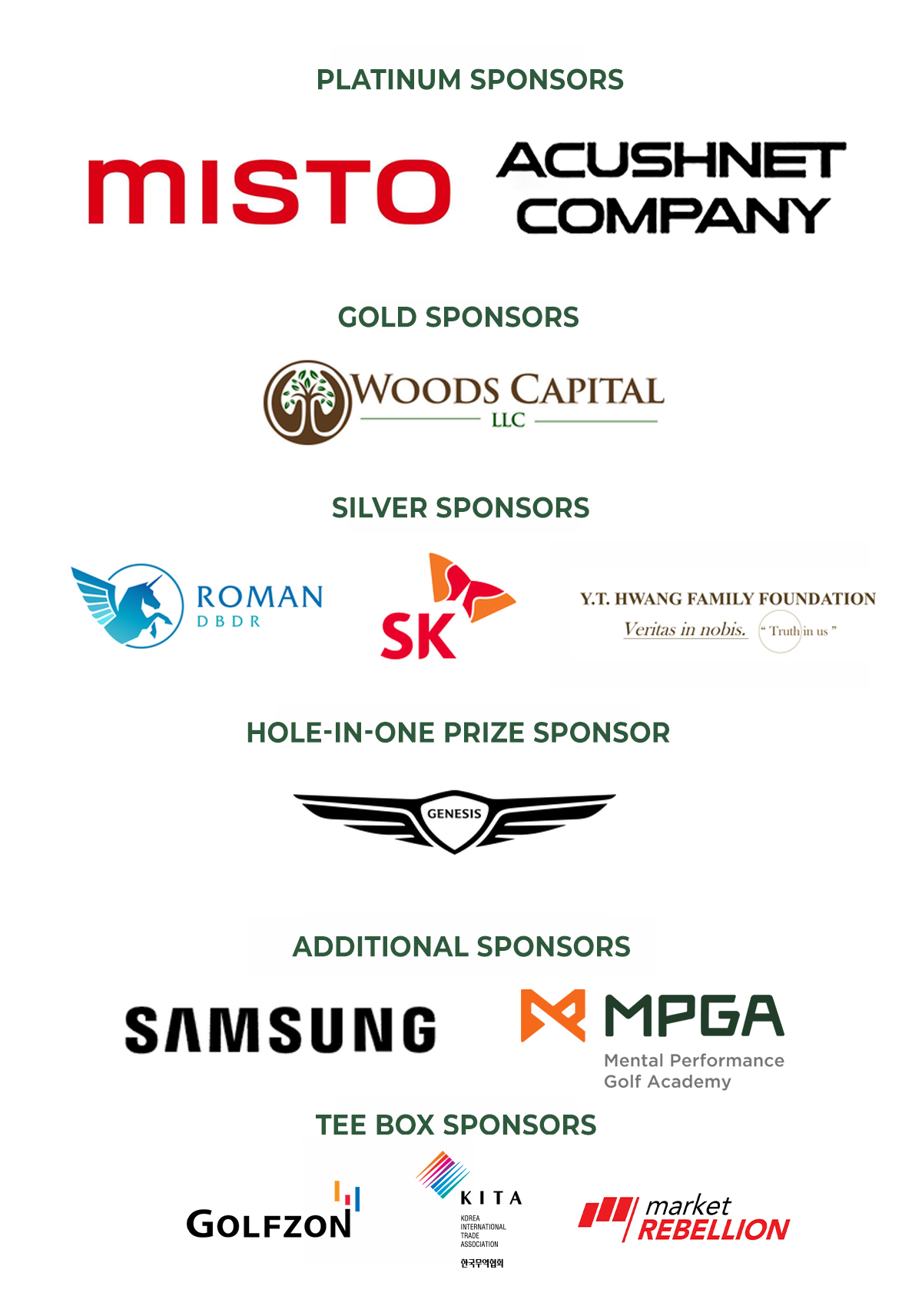
With thanks to our generous sponsors, in-kind donors, and partnership with the Korea Finance Society, we enjoyed a special celebration of the 35th anniversary of this longstanding tradition.

This year, Mr. Drew Pohalski received the Medalist Low Gross Van Fleet Memorial Award.

Congratulations to our full list of awardees below!

• Mr. Drew Pohalski (Medalist Low Gross Van Fleet Memorial Award)
• Mr. Michael Breed (Low Gross 2nd Place Van Fleet Memorial Award)
• Mr. Paul Kwaki (Low Gross 3rd Place Van Fleet Memorial Award)
• Mr. Jinho Lee (Low Net First Place Individual)
• Ms. Hyun Jung Je (Longest Drive Female)
• Mr. Sam Kang (Longest Drive Male)
• Ms. Carli Smith (Closest to the Pin Female)
• Mr. Drew Pohalski (Closest to the Pin Male)
• Mr. Scott Paris, Mr. Michael Breed, Ms. Mary Lou Bohn, Mr. Jay Hill (Low Gross Team)
• Mr. Jinho Lee, Ms. Haelim Shin, Mr. Seung Shik Lee, Mr. Seong Yong Yoon (Low Net First Place Team)
• Mr. Jon Ferency (Most Honest Golfer)

A special highlight of the day was our collaboration with the Mental Performance Golf Academy (MPGA), who hosted morning clinic sessions for guests to sharpen their skills with golf professionals.

We were also honored to welcome MPGA Founder, Dr. Mat Park, as the guest speaker for an evening Fireside Chat on Golf, Life, and the Pursuit of Happiness, moderated by The Korea Society President & CEO Dr. Abe Kim.

Check out a few photos capturing this special event in the below. Thank you to everyone who helped make this year’s tournament such a success, and we look forward to welcoming you again next year.

This year’s event is proudly presented in partnership with the Korea Finance Society.  


TOURNAMENT CO-CHAIRS

Gene Yoon
Chairman
Misto Holdings Corp. &  Acushnet Holdings Corp.


Michael Woods
Founder and President
Woods Capital, LLC


Schedule of EventsSPONSORSSPONSOR LEVELSTOURNAMENT FEES


SCHEDULE OF EVENTS

  9:30 AM   Registration / Brunch / Open Driving Range
  11:30 AM   Shotgun Tee Off
  4:30 PM   Cocktail Reception
  5:30 PM   Dinner, Awards Ceremony & Silent Auction
 

Please note that this is a walking course. Cart is available only for medical usage. 


SPONSOR LEVELS

GOLD SPONSOR: $25,000
• Two foursomes (8 golfers)
• Four additional invitations to the cocktail reception and dinner
• Reserved table at dinner & award ceremony
• Full-page acknowledgement in the tournament program
• Recognition from the podium during the dinner ceremony
• Two tee signs of company logo placed at the agreed upon tee box
• Company logo recognition on the event display board, website, tournament program, promotional emails, social media, and other print publications

SILVER SPONSOR: $15,000
• One foursome (4 golfers)
• Two additional invitations to the cocktail reception and dinner
• Full-page acknowledgement in the tournament program
• Recognition from the podium during the dinner ceremony
• One tee sign of company logo placed at the agreed upon tee box
• Company logo recognition on the event display board, website, tournament program, promotional emails, social media, and other print publications

CADDIE BIB SPONSOR: $10,000
• Company logo placed on caddie bibs (either front or back)
• Maximum of two sponsors
• Complimentary invitation for two golfers
• Half-page acknowledgement in the tournament program
• Company logo recognition on the event display board, website, tournament program, promotional emails, social media, and other print publications

TEE BOX SPONSOR: $1,500 per Tee
• Tee signs will be placed in one of the 18 holes on the golf course
• Company logo recognition on the event display board, website, and tournament program

ACKNOWLEDGEMENT
Full-page in the tournament program book – $5,000 (including complimentary invitation for one golfer)
Half-page in the tournament program book – $2,500

IN-KIND DONATION IS ALSO WELCOME
In-kind donors will be acknowledged on the event display board, website, and tournament program

Please confirm all corporate sponsorships by May 1 in order to be properly acknowledged in the programs and signs (Caddie Bib Sponsorship to be confirmed by April 23).


TOURNAMENT FEES

FOURSOME: $7,500 for Four Golfers
TWOSOME: $4,000 for Two Golfers
SINGLE: $2,100 per Golfer

• Green fees and complimentary range balls
• Caddie fees
• Use of locker room facilities
• Brunch
• Beverages & refreshments on the course
• Cocktail reception after golf
• Dinner – awards ceremony & silent auction
• Complimentary goodie bag

COCKTAIL RECEPTION & DINNER-ONLY GUEST: $700 per Person

RSVPs for individual golfers must be received via email or phone by May 8, including payment information. The tournament fee will not be refunded after May 10. Once we reach maximum capacity, we may not be able to accommodate additional RSVPs although it is submitted before the deadline.


Contact Jamie Joo for any inquiries or to register.
  

The Promised Republic:

Program Brief

The Promised Republic

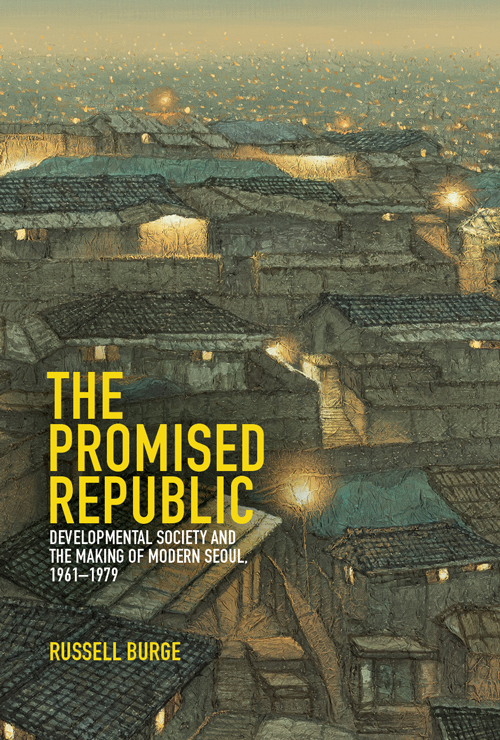
During a discussion of his book, The Promised Republic: Developmental Society and The Making of Modern Seoul, 1961-1971, Dr. Russell Burge challenged elite-driven narratives of South Korea’s “Miracle on the Han” by demonstrating how the urban poor in Seoul’s shantytowns (panjachon) actively shaped developmental politics through a rich archive of memoirs, interviews, and photographs.

This program was hosted by the Korea Society as part of the Kim Koo Professional Series.

Key Takeaways

1. Bottom-up Agency Versus the Elite-Driven Narrative

Dr. Burge observed that the prevailing understanding of South Korea’s economic miracle overlooks the marginalized communities that helped drive developmental politics. Focusing on the urban poor in Seoul’s panjachon, or shantytowns, his research revealed that mass urban migration was primarily driven by the structural fallout of post-colonial land reform, rather than simple wartime instability. Land reform failures shattered the traditional rural safety net, pushing millions into cities as they faced heavy state taxes and plummeting grain prices driven by imports. These urban migrants became day laborers who physically built the nation’s infrastructure while actively resisting state efforts to demolish their homes.

2. The Political Weaponization of Populist Promises

A central dynamic of Korean urban politics in the 1960s and 1970s was the tension between populist and disciplinary developmentalism. During election cycles, the ruling party secured votes from shantytown residents by appealing to populist sentiments and using extra-legal promises, such as Mayor Kim Hyonok’s 1967 housing amnesty pledge. When the state backtracked, shantytown communities mobilized around these broken pledges, weaponizing the state’s own populist rhetoric to claim a moral right to their land and extract structural concessions.

3. Joint Redevelopment and the Division of Owners and Renters

Under the authoritarian Yushin regime of the 1970s, the state shifted its tactics from targeting shantytowns for being illegal to condemning them as economically inefficient. This paved the way for the 1980s mechanism of joint redevelopment, a corporate model that successfully aligned the interests of the government, construction corporations, and local property owners into a cooperative profit-sharing system. This system successfully co-opted corporations and shanty owners, but systematically excluded propertyless renters, fracturing social cohesion and triggering intense urban resistance on the eve of the 1988 Seoul Olympics.


About the Speaker:

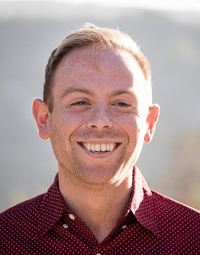
Russell Burge is Korea Foundation Assistant Professor of Korean History at Indiana University Bloomington. He holds a B.A. in Art History from UCLA, an A.M. in Regional Studies East Asia from Harvard, and a Ph.D. in History from Stanford. Prior to starting at IU Bloomington, he was a Council on East Asian Studies postdoctoral associate at Yale University.

Assessing North Korea’s
Developing Nuclear Program

Program Brief

Assessing North Korea’s Developing Nuclear Program

In our discussion assessing the latest developments of North Korea’s nuclear program, Open Nuclear Network (ONN) Senior Analyst Sarah Laderman challenged conventional wisdoms regarding the DPRK’s nuclear capabilities and described how the Kim Regime balances its fissile material supply against strategic weaponization demands.

This program was made possible by the generous support of the Korea Foundation and The Korea Society’s individual and corporate members.

Key Takeaways

1. North Korea Is Shifting Toward Routinized Force Development with a Projected Arsenal Expansion by 2034

Laderman noted that by the end of 2034, North Korea could produce between 23–47 strategic warheads using plutonium and 173–228 tactical warheads using highly enriched uranium. North Korea’s ambitious goals point to a posture that could exceed defensive needs. A number of factors, both technical and strategic, will affect the overall production. While uranium supplies remain plentiful for tactical weapons, plutonium remains highly prized for strategic miniaturization and sophisticated designs like multiple independently targetable reentry vehicles (MIRVs).

2. Remote Monitoring Has Advanced Through New Technology, but Weaponization Remains a Distinct “Black Box”

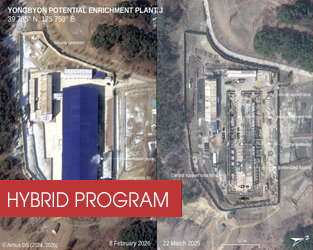
Advances in open-source intelligence (OSINT) have fundamentally transformed how we monitor North Korea’s nuclear capabilities, yet a critical verification gap remains. While commercial satellite technologies can now easily bypass weather and camouflage—using advanced radar to pierce cloud cover, thermal imagery to detect active reactor operations, and AI to map vehicle traffic patterns—this transparency stops short of the final weaponization phase. The resulting intelligence picture is highly uneven: the international community can track large, fixed infrastructures, but the actual assembly of nuclear warheads remains entirely opaque. Because the regime effectively utilizes nondescript buildings and extensive underground mountain tunnels, advanced satellite sweeps have failed to locate a single definitive site for plutonium or uranium pit production. Despite better visibility through open source tools overall, Pyongyang’s most valuable strategic assets remain successfully hidden from foreign observation.

3. To Take Advantage of Open Source Monitoring Tools, a Future Arms Control Policy Could Prioritize Plutonium Over Uranium

Laderman highlighted a core policy dilemma: some of the most strategically valuable assets to eliminate are the hardest to remotely verify. Because on-the-ground international inspections have not occurred in nearly two decades, any realistic opening salvo for an arms control agreement or selective freeze must rely on remote observation. According to Laderman, policymakers could therefore focus initial negotiation priorities on freezing plutonium production rather than highly enriched uranium (HEU). While HEU enrichment efficiency and locations are easily hidden, plutonium relies on distinct, fixed reactor profiles and reprocessing infrastructure, making it the most practical, monitorable, and strategically impactful target for containment.


About the Speaker:

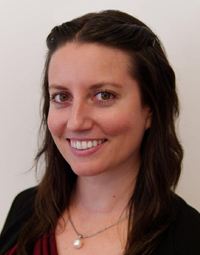
Sarah Laderman is a Senior Analyst for Open Nuclear Network, a PAX sapiens programme, in Vienna, Austria, where she focuses on open-source and technical analyses of nuclear programmes. She is currently focused on the DPRK’s nuclear weaponisation capabilities. She has previously worked at the International Atomic Energy Agency, Lawrence Livermore National Laboratory and the US Department of Defense. Sarah received her MSc in Nuclear Engineering and Masters in Public Policy from the University of California, Berkeley, and her BSc in Nuclear Science and Engineering and Political Science from the Massachusetts Institute of Technology. She is currently a doctoral candidate in Political Science at the University of Vienna.

Privileged but Powerless:

Program Brief

Privileged but Powerless

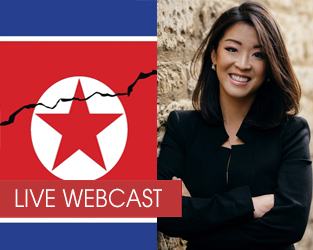
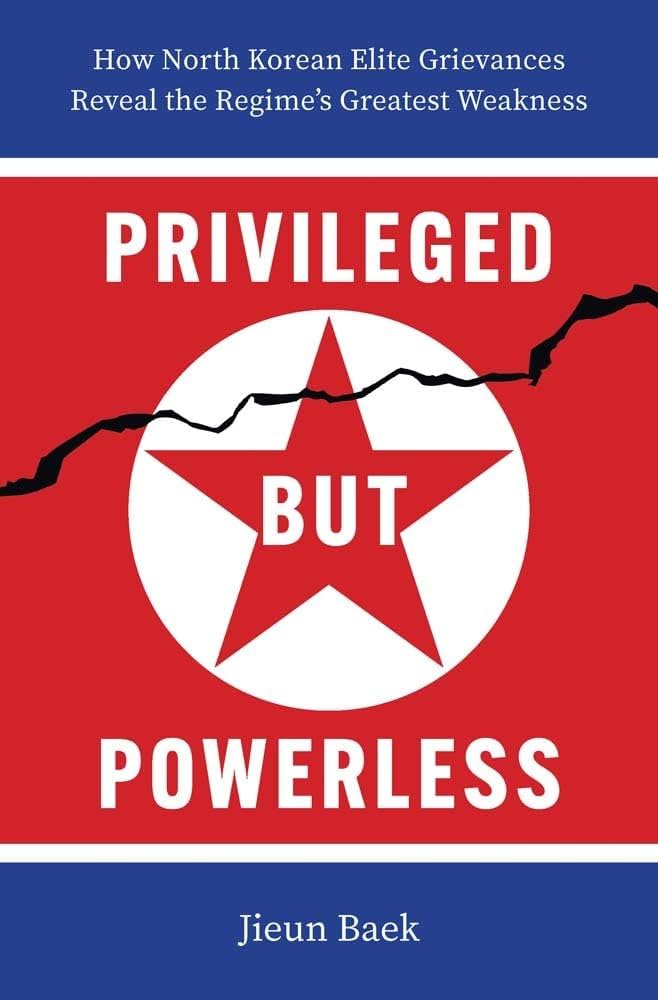
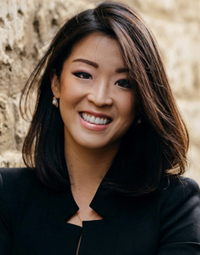
Dr. Jieun Baek described the complex psychological drivers impacting North Korea’s 100,000 political elites in a discussion of her new book, Privileged but Powerless: How North Korean Elite Grievances Reveal the Regime’s Greatest Weakness. Mobilizing hundreds of hours of interviews with high-level escapees, Dr. Baek argued that the elites’ performative loyalty is born out of fear, obscuring a critical vulnerability within the regime’s core support base. Ultimately, the very officials who seem most invested in preserving North Korea’s status quo may become its most dangerous disruptors—driven not by ideology, but by simmering resentment and vanishing alternatives.

This program was hosted by the Korea Society as part of the Kim Koo Professional Series.

Key Takeaways

1. Performative Loyalty as a Mask for Survival

Dr. Baek explained that North Korea’s elite face severe cognitive dissonance, masking deep internal doubts with outward performative loyalty. This hyper-vigilant behavior represents an extreme case of preference falsification, where the most outwardly compliant individuals are actually masking a volatile vulnerability born of fear and self-preservation. To handle the immense mental burden of maintaining this cognitive dissonance, some embrace escapist vices. Additionally, because expressing anger toward Kim Jong-un is fatal, elites psychologically cope with systemic failures by shifting the blame downward, venting their frustrations onto mid-ranking managers instead.

2. The Continuum of Action

According to Dr. Baek, when confronted with their grievances, North Korean political elites operate along a strict behavioral continuum ranging from passive compliance to radical change. The most common and rational choice for individual self-preservation is to simply do nothing and maintain the status quo, which can be accompanied by small acts of adjustment that introduce micro-variations into their daily lives while they maintain their required performative loyalty. For those who decide the pressure is completely intolerable, exit via defection provides a definitive escape, a phenomenon that has increased under Kim Jong-un’s regime. The most distant and difficult choice on the spectrum is to push for reform by attempting to lobby for incremental policy or economic changes from within, though this option remains the furthest from practical reality.

3. Structural Barriers to Collective Action and Individual Survival Tactics

Dr. Baek addressed why covert coups or mass uprisings fail to materialize, pointing to the regime’s engineering of total social atomization, which creates a pervasive culture of mutual distrust where elites never know who is incentivized to report on them. Because collective action is functionally impossible, she noted that the most rational choice for an elite member is to maintain the status quo or intentionally aim for a middle-ground professional tier. This “sweet spot” position is successful enough to provide foreign currency and market luxuries for their families, but quiet enough to avoid shining too brightly and attracting unwanted attention from ambitious rivals.


About the Speaker:

Jieun Baek is an adjunct faculty member at the University of Oxford’s Blavatnik School of Government and a nonresident senior fellow at the Atlantic Council. She is the author of North Korea’s Hidden Revolution and Privileged but Powerless, and researches elite discontent and regime instability in authoritarian states, particularly North Korea and Burma.

Visiting Fellowship Program

Visiting Fellowship Program — The Korea Society
The Korea Society · New York City

Visiting Fellowship Program

A Home in the Heart of NYC — an in-residency fellowship at our office at 350 Madison Avenue, at the center of Manhattan.

Apply Now
A Home in the Heart of NYC

Learn from institutions across policy, business, culture, and academia

The Korea Society’s dynamic programming, combined with our prime location at 350 Madison Avenue, offers fellows learning opportunities from people and institutions across policy, business, finance, culture, the arts, and academia.

The Korea Society is a uniquely multi-disciplinary nonprofit organization wholly dedicated to fostering greater awareness, understanding, and cooperation between the people of the United States and South Korea. Learn more about our organization.

The Korea Society in New York City
Visiting Fellow office space
An Unrivaled Experience

Direct access to leadership and a trusted network

Visiting Fellows engage directly with The Korea Society’s leadership, board members, and senior advisers — and may meet leaders and executives in New York City and Washington, DC, leveraging the Society’s deep networks among decision-makers, thought leaders, and innovators.

  • A dedicated office space
  • A Korea Society email address
  • Business cards
  • Institutional support
  • A platform for public presentation
  • Access to professional networking opportunities
  • J visa sponsorship support
A Distinctive Curriculum

Design your own research agenda

Visiting Fellows pursue original, Korea-focused work across fields from international relations and global finance to K-culture and AI. Fellows are invited to contribute to forward-looking initiatives and timely dialogues, with opportunities to present their work through the Society’s respected platform.

Beyond research, fellows take part in curated visits to Washington, DC, access the Society’s national network, mentor emerging leaders, and work alongside a vibrant community of Korea-focused professionals.

Experiential learning at The Korea Society
Ideal candidates for the fellowship
Ideal Candidates

Scholars, researchers, and experienced professionals

We invite scholars, researchers, and experienced professionals with generous financial support from their home institutions to participate. The Korea Society considers candidates from diverse sectors, including business, media, the arts & culture, academics, and public policy.

Explore our offerings in Business & Economics, Policy, Arts & Culture, Education, and Special Events.

Defense industry cooperation US–ROK alliance coordination Artificial intelligence Korean & Korean American entrepreneurship Next-gen technological collaboration Finance

Program Costs

Our cost structure is tiered to meet diverse needs. Visiting Fellows may choose premium, exclusive access to a private office for one year, or opt for shared office arrangements and shorter-term options.

For detailed pricing information, email policy@koreasociety.org.

Apply Today

Process and timeline

Due to processing times, particularly for visa support, applicants are strongly encouraged to apply at least four months in advance of their intended start date. Our streamlined application requires the following materials:

  • A current résumé or curriculum vitae
  • Proof of English language proficiency (e.g., transcripts from an accredited university, official test scores)
  • Documentation of funding from your home institution
1

Submit your application

Complete the online application with your supporting documents through our portal.

2

Committee review

The fellowship review committee assesses each applicant’s qualifications once materials are complete.

3

Decision

Decisions are normally issued within four weeks of a completed application.

Testimonials

What our community says

Korea Society public policy programs present invaluable opportunities to learn about pressing Korea-related issues — from those perennially important on the Peninsula to new trends and current events. They also foster community among those interested in Korea, facilitating connection and collaboration.
Professor Gi-Wook Shin
Director of the Korea Program, Stanford University
The Korea Society is such a rich, invaluable resource for all things Korea — from debates about policy, politics and the economy to events showcasing art, culture, K-pop and Korean food. A big thanks to the team from this avid Korea watcher who has attended events since her undergraduate days in New York City!
Jean H. Lee
Jean H. Lee
The East-West Center’s inaugural Presidential Chair
Korea Society policy programs provide access to top Korea experts with a diverse range of perspectives on critical issues. The moderated format allows attendees to benefit from deep dives on fast-breaking topics — and unique opportunities to forge friendships with others who share a passion for Korea.
Dr. Katrin Fraser Katz
Van Fleet Nonresident Senior Fellow; former NSC director for Korea & Japan
Learn More

Design a fellowship that meets your professional needs

Our team is standing by to answer your questions. For inquiries about the Visiting Fellows program, contact policy@koreasociety.org.

Corporate Membership

Corporate Membership | The Korea Society
The Korea Society

Corporate Membership

Join a prestigious network of leading Korean and multinational companies committed to advancing relations between Americans and Koreans.

We invite your company to become a Corporate Member of The Korea Society.

Corporate members benefit from unparalleled access to Korean and American business leaders and policy makers through thought-provoking and timely programming. Through participation in our programs, corporate members stay at the forefront of business and political events in the U.S. and Korea.

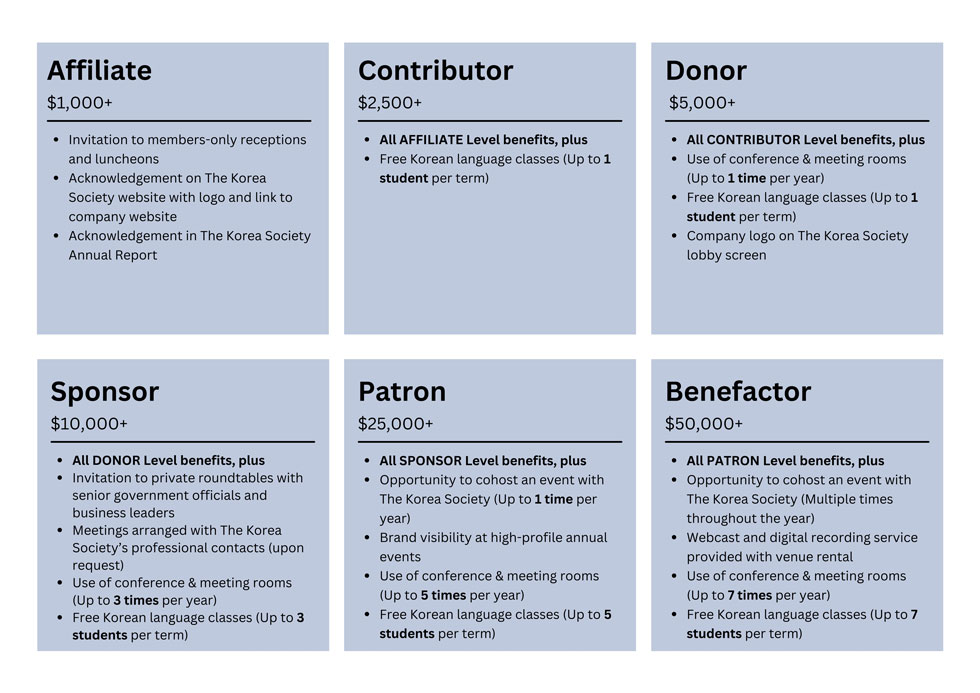
Corporate Membership Benefits

The Korea Society is a nonprofit, nonpartisan, 501(c)(3) organization. Corporate Membership is tax deductible to the fullest extent allowed by law.

Become a Member

For more information on corporate membership, please contact Jamie Joo, Development Program Associate, by phone at 646-439-4009 or by contact form.

Current Corporate Supporters

With gratitude to the companies, foundations, and individuals who sustain our mission

Leadership Circle$300,000 & Above
Benefactor$100,000 & Above
Patron$50,000 & Above
CitigroupCitigroup Kia GeorgiaKia Georgia, Inc.
Y.T. Hwang Family FoundationY.T. Hwang Family Foundation
Sustainer$25,000 & Above
Supporter$15,000 & Above
Contributor$10,000 & Above
Associate$5,000 & Above
Alex Chi
Bryan Cave Leighton PaisnerBryan Cave Leighton Paisner BridgBridg
B. Riley Securities
Corning IncorporatedCorning Incorporated Dentons US LLPDentons US LLP Doosan Business Research InstituteDoosan Business Research Institute, DBRI Ernst & Young LLPErnst & Young LLP The Federation of Korean IndustriesThe Federation of Korean Industries
Francis Kang
Hamlin Asset Management
HLP IntegrationHLP Integration Industrial Bank of KoreaIndustrial Bank of Korea
John J. Moon & Hee-Jung S. Moon
KB Kookmin BankKB Kookmin Bank
Korea Investment CorporationKorea Investment Corporation
Lazard Asset ManagementLazard Asset Management
Nelson Mullins Riley & Scarborough LLPNelson Mullins Riley & Scarborough LLP
NH Financial GroupNH Financial Group
PwCPwC
Roman DBDRRoman DBDR
General (Ret) Skip and Joanne Sharp
Friend$2,500 & Above
Anthrop-J Investment Group
Aprio LLPAprio LLP
Carter Booth
Export Import Bank of KoreaExport Import Bank of Korea First Republic BankFirst Republic Bank KCCIKCCI KOTRAKOTRA
Mark Lippert
National Securities
Paul & Yoshiko Sheard
Philip D Sherman
Point Seven Labs
Thomas Holt Jr.
Young Joon Kim
Member$1,000 & Above
3LAB Inc.
Abraham Kim
All Dimension ConstructionAll Dimension Construction Alquist 3DAlquist 3D Amkor TechnologyAmkor Technology
Andrew C Kim
Andy Laub
AtkinsRéalisAtkinsRéalis BlockchainsBlockchains CBOL/Pacific Century/CelltronCBOL / Pacific Century / Celltron
Clifford Rosenberger
CorstoneCorstone
DK Donghyun Kim
DR&AJUDR&AJU
Ethos Asset ManagementEthos Asset Management
Grace Jong Eun Lee
Hae Young Kim
Hamilton AdvisorHamilton Advisor
HembioHembio
IceMillerIceMiller
James McPherson
Jihoon Hong
Joshua Rim
Junil Lee
Kathleen Stephens
KCIF, Inc.KCIF, Inc.
Kelly Ahn
Kessler FoundationKessler Foundation
Kevin Shanley
Linda Kim
Maekyung Media GroupMaekyung Media Group
Mee Kim
Milan Hejtmaneck
Multicultural Broadcasting Group
Relay Human CloudRelay Human Cloud
rePlant Hemp AdvisorsrePlant Hemp Advisors
RFR Realty LLCRFR Realty LLC The Royal Bank of CanadaThe Royal Bank of Canada
Saxby Chambliss
Sun Shin
Sun-Hyee Kahng
Tech Council VenturesTech Council Ventures
Thomas Byrne
Victor Cha
Vincent O’Connor
William Rhodes

What is The Korea Society

What Is The Korea Society | The Korea Society
The Korea Society

What Is The Korea Society?

A nonprofit, nonpartisan organization dedicated to strengthening understanding and cooperation between the people of the United States and Korea.

History

Korean War veteran General James Van Fleet and friends founded the Society in 1957 to strengthen the U.S.-Korea relationship. You can learn more about our history here.

Impact

We strive to make an impact by entering into the public discussion about the U.S.-Korea relationship. You can check out our recent media hits here. The Society is also active on YouTube, Twitter, Instagram, and Facebook, and you can listen to our podcasts on Spotify.

Leadership

Guiding the Society’s mission today

Dr. Abraham Kim
Dr. Abraham Kim
President & CEO
Leads the Society’s work strengthening ties between the U.S. and Korea through policy, business, and cultural exchange.
Kathleen Stephens
Kathleen Stephens
Chair of the Board
Former U.S. Ambassador to the Republic of Korea (2008–2011) and career diplomat.
Our Work

Policy

The Society’s Policy team organizes programs about the U.S.-Korea Alliance, denuclearization diplomacy, Korea’s regional relations, and North Korea’s challenges. You can see our lineup of upcoming programs here, and watch videos and listen to podcasts from previous policy programs here and on YouTube.

Korea Society policy programs are valuable to me because they provide access to top Korea experts with a diverse range of perspectives on critical issues related to the Peninsula. The moderated format allows attendees to benefit from ‘deep dives’ on fast-breaking topics, and provides valuable opportunities to connect and forge friendships with others who share a passion for Korea.

Dr. Katrin Fraser Katz
Professor at Columbia University; former director for Korea and Japan, White House NSC (2007–2008)

Korea Society public policy programs present invaluable opportunities to learn about pressing Korea-related issues, ranging from those that are perennially important on the Peninsula to new trends and current events. They also foster community among those interested in Korea, facilitating connection and collaboration.

Professor Gi-Wook Shin
Director, Walter H. Shorenstein Asia-Pacific Research Center, Stanford University

The Korea Society is such a rich, invaluable resource for all things Korea, from debates about policy, politics and the economy to events and discussions showcasing art, culture, K-pop and Korean food. A big thanks to The Korea Society team for everything you do from this avid Korea watcher who has attended events since her days as an undergraduate in New York City!

Jean H. Lee
Jean H. Lee
Senior Fellow, Hyundai Motor-Korea Foundation Center, The Wilson Center
Our Work

Arts & Culture

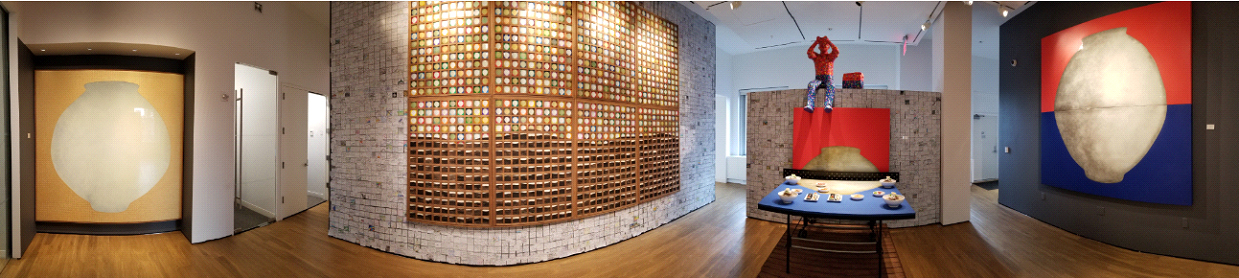
Arts & Culture programs at the Society include exhibitions, performances and lectures on traditional and contemporary Korean culture, such as literature, K-pop, films and cuisine. You can check out our upcoming programs here.

Arts & Culture at The Korea Society

I had the great honor of presenting my art installation at The Korea Society. The two countries, the United States and Korea, that I call home, are connected by a bridge of dreams. Thanks to The Korea Society, which has become one of the major columns of that bridge, which will grow stronger and stronger every day, and I cannot wait to meet its next traveler.

Ik-Joong Kang
Ik-Joong Kang
Artist
Our Work

Education

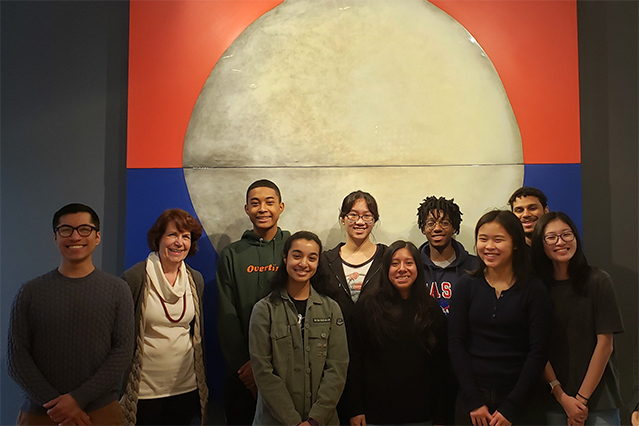
In addition to events, resources and awards for Korean Studies educators, researchers and students, the Education team offers a Korean Language Program with nine levels of study. Our longest-running program, Project Bridge, is an academic-year enrichment program for select high-school youth ambassadors, culminating in a ten-day study tour to Korea. Free resources for educators — lesson plans, publications, and podcasts — are available here, and twice a year we offer an Undergraduate Korea Study Abroad Travel Grant.

Education program Education program

As a Project Bridge Youth Ambassador, I want to thank the Korea Society for giving me this opportunity to learn about Korean history and culture. The Korea Society has helped to expand my interest in Korea, including language, music and cuisine. It is an honor to be part of this supportive community and the process of bridging the gap between peoples.

Katherine Fernandez
Katherine Fernandez
Project Bridge Youth Ambassador

Studying abroad has been an experience of culture, language, personal creativity in problem-solving and the astonishing kindness of complete strangers.

Grace Oju
Undergraduate Korea Study Abroad Travel Grant Awardee — study site: Soonchunhyang University
Our Work

Special Events

The Korea Society’s development team hosts special events, including an annual dinner, golf tournament, Global Financial Leaders Forum, membership events, and Young Professionals’ Night. A new series, Women’s Leadership in the U.S.-Korea Relationship, elevates the impact of Korean and Korean-American female leaders in the U.S. and abroad.

The Korea Society is an amazing place to gain knowledge and to connect with the Korean community. For someone like myself, a second-generation Korean-American who’s only been to Korea two times, I felt a yearning to connect to my heritage — and the Korea Society has given me a wonderful opportunity, from their great programming to learning all about the culture and connecting with others. I want to thank the Korea Society for having me be part of your family and for all of the wonderful things you do.

Grace Kelly
Grace Kelly
Singer-saxophonist-songwriter-composer · 2019 Annual Gala Performer

Balancing Ambition and Passion

The Korea Society’s Young Professionals’ Network presents Balancing Ambition and Passion, a conversation featuring experienced professionals from different fields who are also published authors. Speakers will reflect on balancing personal passions on top of pressures from full-time professional careers, as well as the meaningful takeaways they’ve learned about personal growth and creating impact through the writing process.

Many young professionals pursue demanding careers while also nurturing interests beyond the workplace. How do individuals reserve space for these passions while building their professional lives? To find out, join us in-person at The Korea Society on Wednesday, May 6 at 6:00 PM, followed by opportunities for audience discussion and networking with the speakers. Dinner will be provided.

We are joined by Samuel Cho (J.P. Morgan Asset Management), author of Forge Through 40. His memoir tracks the product management framework that has guided his journey through not only executive suites of major financial institutions but through all areas of his professional and personal life. Forge Through 40 is currently available for purchase. The discussion will also feature author Patricia Park (American University), who brings her educational background into writing – her novels entertain while igniting discussions for young professionals on larger themes of identity, culture, belonging, class, and social justice. Her next novel, Ambrosia Lee Drops the Mic, releases on April 28, 2026. The conversation will be moderated by Stephanie Hwang, Development Officer at The Korea Society.

Tickets are available for purchase below, with discounted pricing available for members of The Korea Society.

*This program is proudly presented in partnership with Asian American Dental Society, which gathers dental healthcare professionals of Asian descent to empower and support the future dental professionals within our communities. They seek to provide a supportive space to share our passion and education for oral health, while advocating for a lifelong commitment to education, mentorship and collaboration.

Become a member or renew your membership today to join our community and stay up-to-date with our organization’s activities. Membership begins at the Individual Level ($50/year).   


About the Speakers:

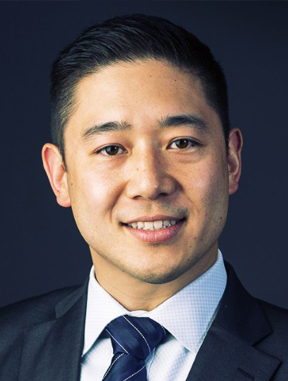
Samuel Cho
Global Head of Reporting & Information Provision at J.P. Morgan Asset Management; Author of Forge Through 40

In a world where authentic connections and meaningful collaboration shape success, Samuel Cho has dedicated his career to cultivating vibrant communities and relationships to deliver exceptional value. Committed to living by the Golden Rule, Sam strives to empower those around him. Sam is an enterprise operating executive who thrives in high-velocity environments where strategic vision and execution speed are critical.

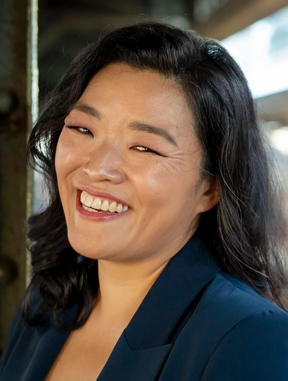
Patricia Park
Professor of Creative Writing at American University; author of Ambrosia Lee Drops the Mic

Patricia Park is the author of the award-winning novel, Re Jane, and the YA novels Imposter Syndrome & Other Confessions of Alejandra Kim (an NPR Best Books of 2023 and a Gotham Book Prize finalist), What’s Eating Jackie Oh? (Kirkus Reviews’ Best YA Books of 2024), and the forthcoming Ambrosia Lee Drops the Mic (2026). She is a tenured professor of creative writing at American University, a Fulbright scholar, an Edith Wharton Writer-in-Residence, a Jerome Hill Artist Fellow, and other awards. She has written for The New York Times, New Yorker, Guardian, and others. Patricia was born & raised in Queens, NY.

Annual Reports

Annual Reports | The Korea Society
The Korea Society

Annual Reports

A year-by-year record of The Korea Society’s programs, impact, and financial stewardship. Select a cover to view that year’s report.