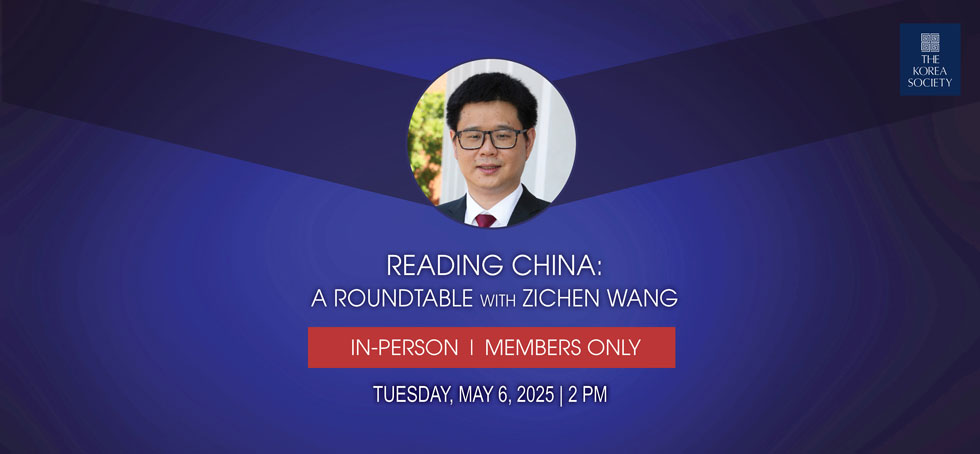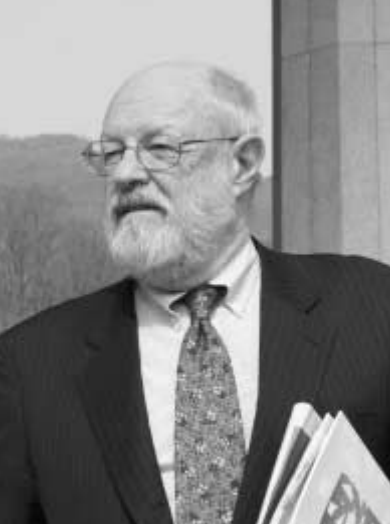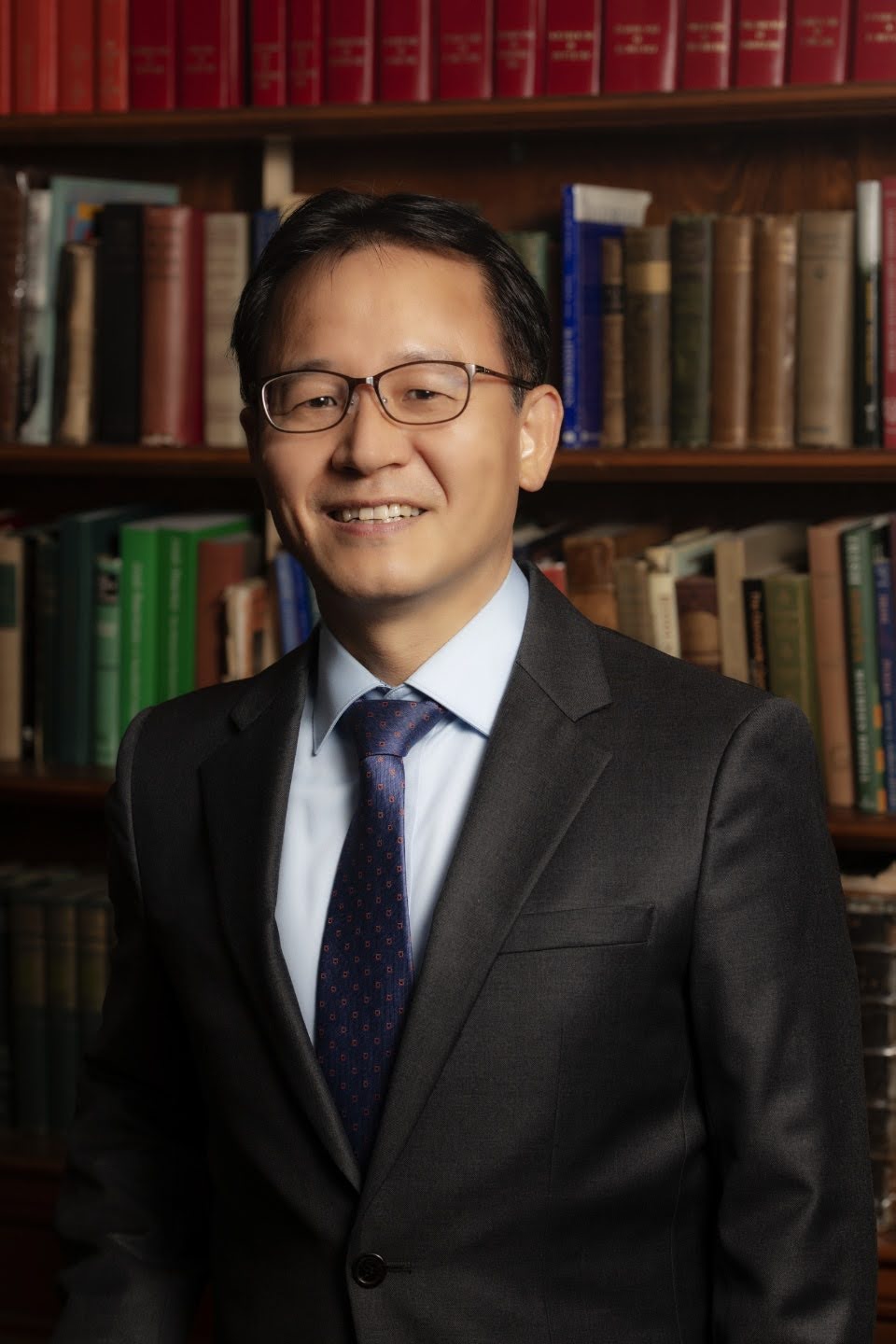



Reading China: A Roundtable with Zichen Wang

 
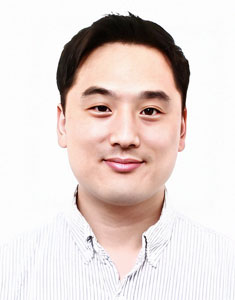
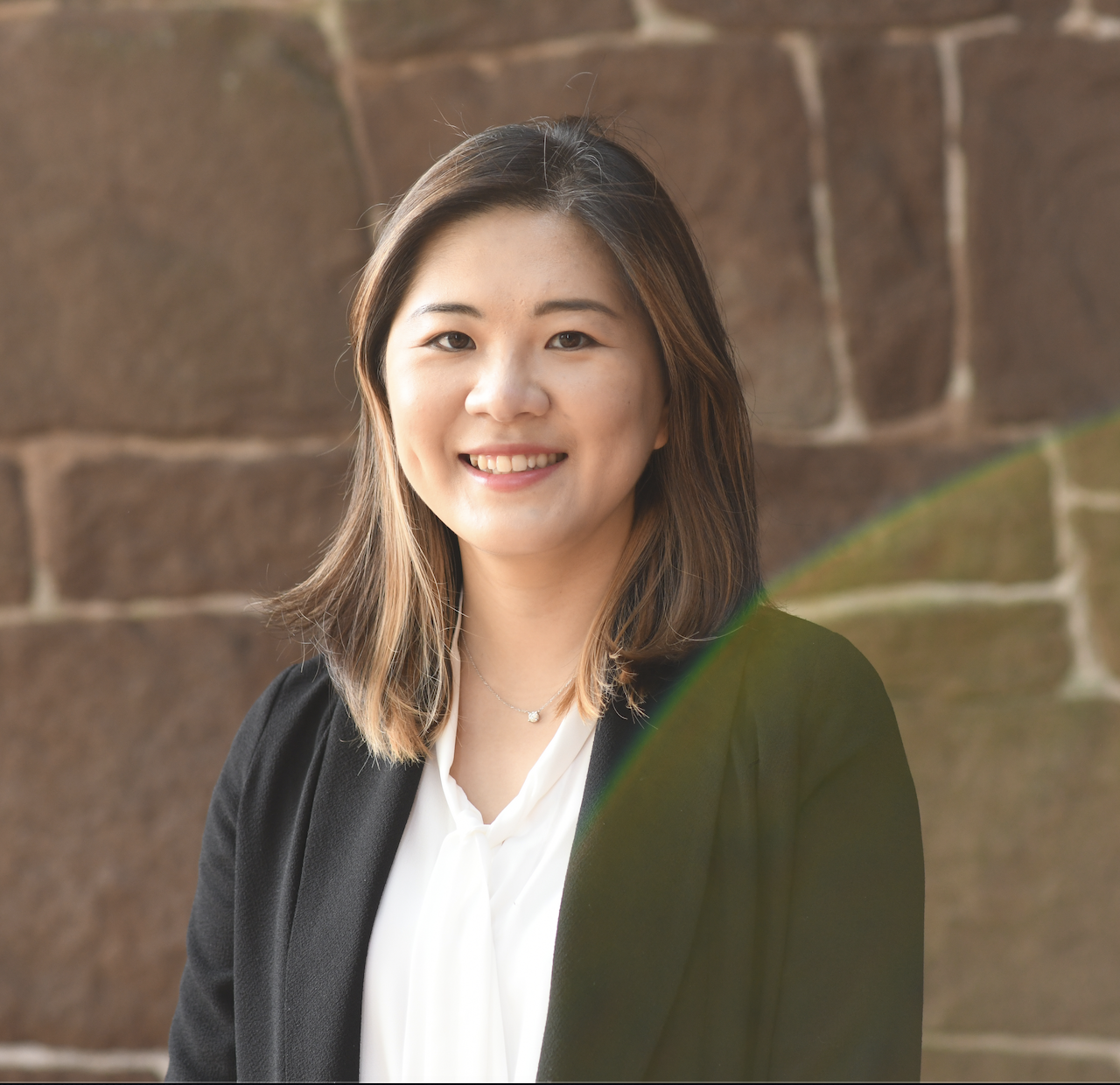
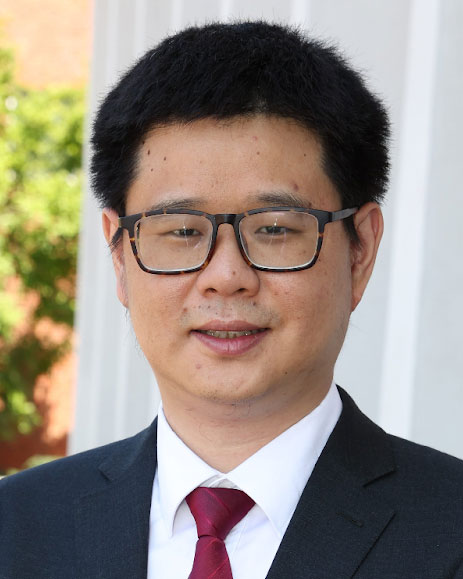
Join us for this roundtable discussion with Zichen Wang, Research Fellow at the Center for China and Globalization (CCG) and founder of the Pekingnology newsletter on China, for a discussion on the complexities, contradictions, and communications of China’s policies. This roundtable is hosted in collaboration with The National Committee on United States-China Relations (NCUSCR). The moderator of the discussion is The Korea Society President and CEO Thomas Byrne.

The Korea Society thanks our corporate sponsors and individual members and the Korea Foundation for their generous support, which has made this program possible.


Members Only In-Person Registration Link


Reading China: A Roundtable with Zichen Wang

Tuesday, May 6, 2025 | 2 PM


The Korea Society
350 Madison Avenue, 24th Floor
New York, NY 10017


About the Speaker:


Zichen Wang is the Founder and Editor of the *Pekingnology* newsletter. Born and raised in China, he earned his bachelor’s degree from Shandong Economic University (now Shandong University of Finance and Economics) in July 2011. Zichen then went on to work for Xinhua News Agency for over 11 years, including a 29-month stint in Brussels where he covered the European Union. In October 2022, he left Xinhua to join the Center for China and Globalization (CCG), a leading non-government think tank in Beijing, where he currently serves as a Research Fellow and Director for International Communications.

Zichen is currently pursuing a mid-career Master in Public Policy (MPP) at the School of Public and International Affairs (SPIA) at Princeton University, fully funded by a SPIA fellowship.

The New Nuclear Age: At the Precipice of Armageddon with Ankit Panda

Join us for a conversation with Ankit Panda, Stanton Senior Fellow in the Nuclear Policy Program at the Carnegie Endowment for International Peace, on his newly published book: The New Nuclear Age: At the Precipice of Armageddon. The book describes how “nuclear weapons are returning to the fore of international statecraft in ways unseen since the Cold War… The prospect of nuclear escalation is again shaping how political decision-makers and military establishments around the world think and act.” The book includes a passage on North Korea’s rapidly advancing nuclear program, the subject of Panda’s first book, and the debate over South Korea acquiring an indigenous deterrent. This program is moderated by Korea Society policy director Jonathan Corrado.

This program is produced in collaboration with Temple University Japan and made possible by the generous support of our individual and corporate members and the Korea Foundation.


The New Nuclear Age: At the Precipice of Armageddon with Ankit Panda

Wednesday, April 30, 2025 | 12 PM (EDT)


The Korea Society
350 Madison Avenue, 24th Floor
New York, NY 10017


About the Speaker:


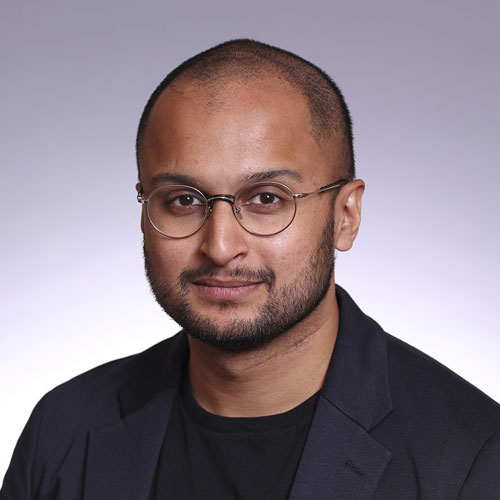
Ankit Panda is the Stanton Senior Fellow in the Nuclear Policy Program at the Carnegie Endowment for International Peace. His research interests include nuclear strategy, escalation, missiles and missile defense, space security, and U.S. alliances. He is the author of The New Nuclear Age: At the Precipice of Armageddon (Polity, 2025), Indo-Pacific Missile Arsenals: Avoiding Spirals and Mitigating Risks (Carnegie, 2023), and Kim Jong Un and the Bomb: Survival and Deterrence in North Korea (Hurst/Oxford, 2020). Panda is co-editor of New Approaches to Verifying and Monitoring North Korea’s Nuclear Arsenal (Carnegie, 2021).

Panda has consulted for the United Nations in New York and Geneva, and his analysis has been sought by U.S. Strategic Command, Space Command, and Indo-Pacific Command. Panda is among the most highly cited experts worldwide on North Korean nuclear capabilities. He has testified on matters related to South Korea and Japan before the congressionally chartered U.S.-China Economic and Security Review Commission. Panda has also testified before the U.S. Senate Subcommittee on Strategic Forces. Before joining Carnegie, Panda was an adjunct senior fellow at the Federation of American Scientists and a journalist covering international security.

Panda is a frequent expert commentator in print and broadcast media around the world on nuclear policy and defense matters. His work has appeared in or been featured by the New York Times, the New Yorker, the Economist, the Washington Post, Foreign Affairs, Foreign Policy, the Bulletin of the Atomic Scientists, the Atlantic, the New Republic, the South China Morning Post, Politico, and the National Interest. Panda has also published in scholarly journals, including Survival, the Washington Quarterly, and India Review, and has contributed to the IISS Asia-Pacific Regional Security Assessment and Strategic Survey. He is editor-at-large at the Diplomat, where he hosts the Asia Geopolitics podcast, and a contributing editor at War on the Rocks, where he hosts Thinking the Unthinkable With Ankit Panda, a podcast on nuclear matters.


A Conversation with Ambassador (Ret.) Raymond Burghardt

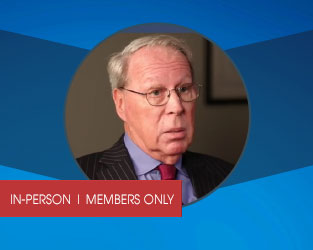
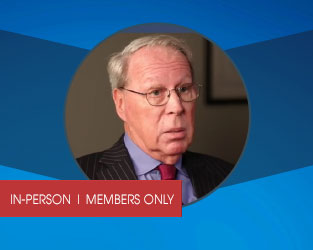
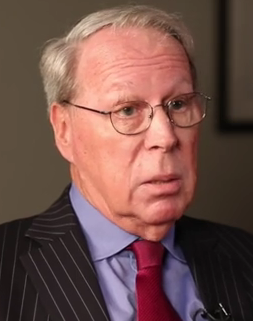
Join us for a discussion co-hosted by The Korea Society and Temple University Japan with Ambassador Raymond Burghardt, who served for many years as one of the leading Asian specialists in the U.S. Foreign Service. He was formerly Chairman of the Board of Trustees of the American Institute in Taiwan (AIT) from 2006 to 2016. Previously, he was Ambassador to Vietnam (2001-2004), AIT Director in Taipei (1999-2001), Consul General in Shanghai (1997-1999), Deputy Chief of Mission at the U.S. Embassies in Manila (1993-1996) and Seoul (1990-1993) and Political Counselor in Beijing (1987-1989). Ambassador Burghardt joins in conversation with Temple University Japan Institute of Contemporary Asian Studies Co-Director Robert Dujarric, senior vice president at Park Strategies Sean King, and Korea Society policy director Jonathan Corrado. 

This program is made possible by the generous support of our individual and corporate members and the Korea Foundation.


A Conversation with Ambassador (Ret.) Raymond Burghardt 

U.S. relations with Taiwan and America’s Asian allies under Trump 2.0

Wednesday, April 30, 2025 | 10:30 AM 


The Korea Society
350 Madison Avenue, 24th Floor
New York, NY 10017


About the Speaker:


Raymond Burghardt served for many years as one of the leading Asian specialists in the U.S. Foreign Service. Currently, he is consultant for the Institute for Defense Analyses, president of Pacific Century Institute, and advisor on Asia to a major US financial company. He was formerly Chairman of the Board of Trustees of the American Institute in Taiwan (AIT) from 2006 to 2016. Prior to that, he was Ambassador to Vietnam (2001-2004), AIT Director in Taipei (1999-2001), Consul General in Shanghai (1997-1999), Deputy Chief of Mission at the U.S. Embassies in Manila (1993-1996) and Seoul (1990-1993) and Political Counselor in Beijing (1987-1989). Burghardt’s earlier career included an assignment on the National Security Council staff as Special Assistant to President Reagan and Senior Director of Latin American Affairs. From 2006 until December 2012, Burghardt served concurrently with his AIT position as Director of East-West Seminars at the East-West Center in Honolulu.  Burghardt received a B.A. from Columbia College in 1967 and did graduate study at Columbia’s School of International and Public Affairs. He is a native and current resident of New York City.


Acting and Activism with Minnie Mills

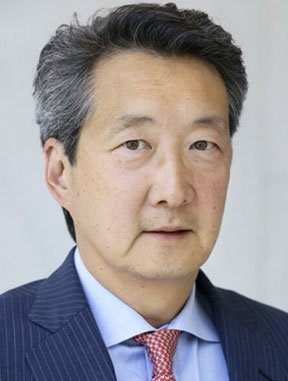
Join us for a conversation on acting and activism with actress and North Korean human rights activist Minnie Mills and Korea Society policy program officer Chelsie Alexandre. Exploring the origin and development of her professional acting career, Minnie discusses roles on “The Summer I Turned Pretty,” “Obliterated,” and future projects. She then describes her passion for supporting North Korean refugees through volunteering for the nongovernmental organization Liberty in North Korea (LiNK). How does she balance work with school and volunteering? What has she learned from North Korean refugees? An introduction is provided by Dr. Victor Cha, Distinguished University Professor, Georgetown University, and President, Geopolitics and Foreign Policy Department, CSIS.

This program is made possible by the generous support of the Kim Koo Foundation.


Acting and Activism with Minnie Mills

Wednesday, April 16, 2025 | 4 PM (EDT)


The Korea Society
350 Madison Avenue, 24th Floor
New York, NY 10017


About the Speakers:


Actress Celine “Minnie” Mills is best known for her role as ‘Shayla’ in the hit Amazon Prime Video series THE SUMMER I TURNED PRETTY. She now stars as ‘Jen’ in Sony Pictures Television Studios and Netflix’s action-comedy series OBLITERATED, and voices the lead role ‘Ruby / Venus’ in the rom-com podcast series DUMP HIM!

In addition to acting, Minnie has been a lifelong advocate for North Korean Human Rights, working closely with the organization Liberty in North Korea. She currently works under Ambassador Julie Turner at the State Department and was recently appointed Goodwill Messenger. Minnie also studies Behavioral Neuroscience at Columbia University.


Victor Cha is president of the Geopolitics and Foreign Policy Department and Korea Chair at the Center for Strategic and International Studies (CSIS). He is also a distinguished university professor and professor of government at Georgetown University. In 2021, he was appointed by the Biden administration to serve on the Defense Policy Board in an advisory role to the secretary of defense. From 2004 to 2007, he served on the National Security Council (NSC), where he was responsible for Japan, Korea, Australia, New Zealand, and Pacific Island nations. Dr. Cha was the U.S. deputy head of delegation at the Six Party Talks and received two Outstanding Service Commendations during his tenure at the NSC. He is the author of eight books, including the award-winning Alignment Despite Antagonism: The United States–Korea–Japan Security Triangle (Stanford University Press, 1999), which won the 2000 Ohira Book Prize; The Impossible State: North Korea, Past and Future (Ecco, 2012), selected by Foreign Affairs as a “Best Book on the Asia-Pacific for 2012”; Powerplay: Origins of the American Alliance System in Asia (Princeton University Press, 2018); Korea: A New History of South and North (Yale University Press, 2023); and The Black Box: Demystifying the Study of Korean Unification and North Korea (Columbia University Press, 2024). Dr. Cha is a two-time Fulbright scholar and a former Olin Fellow at Harvard University, as well as a former Hoover, Stanford Center for International Security and Cooperation (CISAC), and Koret fellow at Stanford University. He currently serves on the editorial boards of ten academic journals and is coeditor of the Contemporary Asia book series at Columbia University Press. He serves on the board of the National Endowment for Democracy and is a senior fellow at the George W. Bush Institute. Dr. Cha received his PhD, MIA, and BA from Columbia University and a BA with honors from Oxford University.

Korea’s Politics of the Vortex: 2025

Join us for a discussion about the legacy, implications, and a modern application of the theories from Gregory Henderson’s 1968 seminal text Korea: The Politics of the Vortex, with Edward J. Baker, advisor to the Harvard University Korea Institute, and Dr. Ingu Hwang, Associate Professor of the Practice at Boston College. The discussion will also address Hwang’s 2022 book, Human Rights and Transnational Democracy in South Korea, which examines the role of South Korean pro-democracy actors in (re)shaping the global history of human rights activism and politics in the 1970s. The moderator for this program is Korea Society president and CEO Tom Byrne

This program is made possible by the generous support of the Kim Koo Foundation. 


Korea’s Politics of the Vortex: 2025

Tuesday, April 8, 2025 | 4 PM (EDT)


The Korea Society
350 Madison Avenue, 24th Floor
New York, NY 10017


About the Speakers:


Edward J. Baker’s interest in Korea began with Peace Corps service, with his wife Diane, there in 1966-68. He has lived in Korea all together for about 10 years and has traveled widely in Asia. He has a BA from Colby College, a JD from Yale Law School and an MA in Regional Studies-East Asia from Harvard. He was a staff member of the Subcommittee on International Organizations (chair Donald M. Fraser, D MN) of the U.S. House of Representatives during its Investigation of Korean-American Relations in 1977-78 and one of the authors of its final report. He was the associate director of the Harvard-Yenching Institute for 25 years and taught East Asian and Korean history at Hanyang University and Seoul National University from 2007 through 2010.

Until the thorough democratization of the Republic of Korea marked by the December,1997 election of President Kim Dae Jung, he frequently wrote and spoke on South Korean political affairs. He was a founding member of the board of Asia Watch in 1985 (now Human Rights Watch—Asia) and was Amnesty International’s US South Korea coordinator from 1979-91. In recent years he has taken a strong interest in attempting to promote a peaceful solution to the confrontation between North Korea and the US/South Korea and the reunification of Korea.


Ingu Hwang received his Ph.D. from the Department of History at the University of Chicago in 2015. Currently, he is an associate professor of the Practice in the International Studies Program, an affiliated professor in the History Department and the Asian Studies Program. Prof. Hwang is also the Leader of the Global Korea Project at Boston College. He offers interdisciplinary courses on modern and contemporary Korea and East Asia that explore colonial/post-colonial experiences, division and geo-politics, the Korean War, development and social justice, human rights history in global contexts.  

His research centers on contemporary transnational and global Korean history with a focus on  the topics of democracy, peace, security, and human rights. His first book, Human Rights and  Transnational Democracy in South Korea, published by the University of Pennsylvania Press  Human Rights Series in 2022, offers the first account of the historical intersection between South Korea’s democratic transition and the global human rights boom in the 1970s and 1980s. Other publications include contributions to the Korea Democracy Foundation’s book, 1970s Korean Democratization and Protestants (Korean), published in 2024 and to the Kim Dae-jung Peace Foundation’s Kim Dae-Jung’s Thoughts and Politics: Peace, Democracy, Reconciliation, and Cooperation (Korean), published in 2023. Currently, he is working on his second monograph, the first scholarly biography of Nobel Prize recipient Kim Dae-jung. The monograph utilizes a global political and cultural lens to analyze Kim’s engagements with Korean, regional, and international political discourses and policies from the 1950s to the 1980s.

Korea’s Politics of the Vortex: 2025

Join us for a discussion about the legacy, implications, and a modern application of the theories from Gregory Henderson’s 1968 seminal text Korea: The Politics of the Vortex, with Edward J. Baker, former Associate Director of the Harvard-Yenching Institute, and Dr. Ingu Hwang, Associate Professor at Boston College. The discussion will also address Hwang’s 2022 book, Transnational Democratization: Human Rights in South Korea and US Cold War Policy, which examines the role of South Korean pro-democracy actors in (re)shaping the global history of human rights activism and politics in the 1970s. The moderator for this program is Korea Society president and CEO Tom Byrne


Sign Up Here to Receive the Viewing Link


Korea’s Politics of the Vortex: 2025

Tuesday, April 8, 2025 | 4 PM (EDT)


The Korea Society
350 Madison Avenue, 24th Floor
New York, NY 10017


About the Speakers:


Edward J. Baker’s interest in Korea began with Peace Corps service, with his wife Diane, there in 1966-68. He has lived in Korea all together for about 10 years and has traveled widely in Asia. He has a BA from Colby College, a JD from Yale Law School and an MA in Regional Studies-East Asia from Harvard. He was a staff member of the Subcommittee on International Organizations (chair Donald M. Fraser, D MN) of the U.S. House of Representatives during its Investigation of Korean-American Relations in 1977-78 and one of the authors of its final report. He was the associate director of the Harvard-Yenching Institute for 25 years and taught East Asian and Korean history at Hanyang University and Seoul National University from 2007 through 2010.

Until the thorough democratization of the Republic of Korea marked by the December,1997 election of President Kim Dae Jung, he frequently wrote and spoke on South Korean political affairs. He was a founding member of the board of Asia Watch in 1985 (now Human Rights Watch—Asia) and was Amnesty International’s US South Korea coordinator from 1979-91. In recent years he has taken a strong interest in attempting to promote a peaceful solution to the confrontation between North Korea and the US/South Korea and the reunification of Korea.

 
Ingu Hwang received his Ph.D. from the Department of History at the University of Chicago in 2015. Currently, he is an associate professor of the Practice in the International Studies Program, an affiliated professor in the History Department and the Asian Studies Program. Prof. Hwang is also the Leader of the Global Korea Project at Boston College. He offers interdisciplinary courses on modern and contemporary Korea and East Asia that explore colonial/post-colonial experiences, division and geo-politics, the Korean War, development and social justice, human rights history in global contexts.  

His research centers on contemporary transnational and global Korean history with a focus on  the topics of democracy, peace, security, and human rights. His first book, Human Rights and  Transnational Democracy in South Korea, published by the University of Pennsylvania Press  Human Rights Series in 2022, offers the first account of the historical intersection between South Korea’s democratic transition and the global human rights boom in the 1970s and 1980s. Other publications include contributions to the Korea Democracy Foundation’s book, 1970s Korean Democratization and Protestants (Korean), published in 2024 and to the Kim Dae-jung Peace Foundation’s Kim Dae-Jung’s Thoughts and Politics: Peace, Democracy, Reconciliation, and Cooperation (Korean), published in 2023. Currently, he is working on his second monograph, the first scholarly biography of Nobel Prize recipient Kim Dae-jung. The monograph utilizes a global political and cultural lens to analyze Kim’s engagements with Korean, regional, and international political discourses and policies from the 1950s to the 1980s.

The Verdict on Korea’s Presidential Impeachment Case

Join us for this rapid reaction program held soon after the ruling of South Korea’s Constitutional Court on the impeachment trial of suspended President Yoon Suk Yeol. If the impeachment motion is upheld, the country will have 60 days to hold a presidential election. How will the outcome of the case affect Korea’s democracy and society, U.S.-Korea relations, inter-Korean relations, and Korea’s regional relations with countries such as Japan, China, and Russia? Join us for a discussion with Ambassador (Ret.) Philip Goldberg, former U.S. Ambassador to South Korea, and Michelle Ye Hee Lee, Tokyo bureau chief for The Washington Post, covering Japan and the Koreas. Korea Society President and CEO Thomas Byrne will provide introductory remarks. The discussion is moderated by policy director Jonathan Corrado and policy program officer Chelsie Alexandre.

This program is made possible by the generous support of our individual and corporate members and the Korea Foundation.


The Verdict on Korea’s Presidential Impeachment Case

Friday, April 4, 2025 | 8 AM (EDT)


The Korea Society
350 Madison Avenue, 24th Floor
New York, NY 10017


About the Speakers:


Philip S Goldberg served as US Ambassador to the Republic of Korea 2022-2025. He served as US Ambassador to Colombia. In 2018, Goldberg served as Charge d’affaires at the US Embassy in Havana, Cuba, followed by a year as a Diplomat in Residence at Georgetown University. From 2013-2016, Amb Goldberg served as US Ambassador to the Philippines. Prior to that assignment, he served as Assistant Secretary of State for the Bureau of Intelligence and Research (2010-2013); US Ambassador to Bolivia (2006-2008); Chief of Mission in Pristina, Kosovo (2004-2006); and Charge d’affaires and Deputy Chief of Mission in Santiago, Chile (2001-2004). From 2009-2010, Goldberg was coordinator for the implementation of UN sanctions on North Korea. His other overseas tours included Bogota, Colombia, where he served as the Plan Colombia coordinator, and Pretoria, South Africa.

Amb Goldberg was a senior member of the State Department team handling the transition from the Clinton to Bush administrations and served as acting Deputy Assistant Secretary of State for Legislative Affairs (2000-2001) and Special Assistant and Executive Assistant to Deputy Secretary of State Strobe Talbott (1996-2000). As the Bosnia Desk Officer and Special Assistant to Amb Richard Holbrooke (1994-1996), Goldberg was a member of the American negotiating team in the lead-up to the Dayton Peace Conference and Chief of Staff for the American delegation at Dayton.

Amb Goldberg holds the personal rank of Career Ambassador, the highest rank in the US Foreign Service. He has received numerous awards, including Presidential Distinguished and Meritorious Service Awards; the Department’s Distinguished Honor Award and the Silver Seal Medallion for Meritorious Service in the US Intelligence Community.

Amb. Goldberg is a native of Boston, Massachusetts, and a graduate of Boston University. Before joining the Foreign Service, he served as a liaison officer between the government of the City of New York and the United Nations and Consular Community.


Michelle Ye Hee Lee is The Washington Post‘s Tokyo bureau chief, reporting on Japan and the Korean Peninsula. Previously, she covered money and influence in politics and voting access on the national political enterprise and accountability team and was a reporter for The Post’s Fact Checker. Prior to joining The Post in 2014, she was a government accountability reporter at the Arizona Republic in Phoenix.


Charting Future Pathways for U.S.-Korea-Japan Trilateral Relations

Join us for a discussion on the current status and future pathways for U.S.-Korea-Japan trilateral relations, with Dr. Joshua Walker, President and CEO of Japan Society, and Emma Chanlett-Avery, Deputy Director of the Asia Society Policy Institute’s Washington DC office and the Director for Political-Security Affairs. The moderator for this program is Korea Society policy director Jonathan Corrado.

This program is made possible by the generous support of the Kim Koo Foundation. 

The Korea Society thanks our corporate sponsors and individual members and the Korea Foundation for their generous support, which has made this program possible.


Charting Future Pathways for U.S.-Korea-Japan Trilateral Relations

Wednesday, March 26, 2025 | 4 PM (EDT)


The Korea Society
350 Madison Avenue, 24th Floor
New York, NY 10017


About the Speakers:


Emma Chanlett-Avery is Deputy Director of the Asia Society Policy Institute’s Washington, DC office and the Director for Political-Security Affairs. Previous to this post, she served for 20 years as a Specialist in Asian Affairs at the Congressional Research Service, where she focused on U.S. relations with Japan, the Korean Peninsula, Thailand, and Singapore, with an emphasis on security issues and alliances. In 2023, she served as a Congressional Fellow on the Senate Foreign Relations Committee, assisting the Chairman with drafting Asia policy legislation and preparing for hearings. Ms. Chanlett-Avery was a Presidential Management Fellow, with rotations in the State Department on the Korea Desk and at the Joint U.S. Military Advisory Group in Bangkok, Thailand. She also worked in the Office of Policy Planning as a Harold Rosenthal Fellow. She is a member of the Mansfield Foundation U.S. – Japan Network for the Future and a Mansfield-Luce Asia Network Scholar. In 2016, she received the Kato Prize, awarded by Washington think tanks for strengthening the U.S.-Japan alliance. She serves as Vice Chair of the Board of Trustees of the National Association of Japan America Societies, Vice-Chair of the Board of Trustees of the Japan America Society of Washington DC, and as a Trustee of International Student Conferences, Inc. Ms. Chanlett-Avery received an MA in international security policy from the School of International and Public Affairs at Columbia University and her BA in Russian studies from Amherst College.


Joshua W. Walker, PhD became President & CEO of Japan Society in December 2019. Previously, he worked at Eurasia Group, the world’s leading political risk analysis firm, where he served as global head of strategic initiatives and Japan in the Office of the President. Prior to that, he was CEO and president of the USA Pavilion of the 2017 World Expo in Astana, Kazakhstan; founding dean of the APCO Institute; and senior vice president of global programs at APCO Worldwide, a leading global strategic communications firm based in Washington, D.C. Before joining the private sector, he worked in numerous roles at various U.S. government agencies, including the State Department and the Defense Department. He is Senior Fellow at the Center for the Study of the Presidency and Congress, and professor of Leadership and the American presidency at George Mason University and the Reagan Foundation. He was also Transatlantic Fellow at the German Marshall Fund of the United States, and co-founded the Yale Journal of International Affairs. He earned a bachelor’s degree from the University of Richmond, a master’s degree from Yale University, and a doctorate from Princeton University. Dr. Walker grew up in Japan where his parents still serve as missionaries, came to the United States when he was 18, and is bicultural and bilingual.

Korean Peninsula Update with the NK News Team

Join us for a discussion on the latest developments in Korea, including domestic politics north and south of the 38th parallel, inter-Korean relations, US-North Korea developments, Russia’s role, and more, featuring team members from NK News, including Chad O’Carroll, Chief Executive Officer of Korea Risk Group, Jeongmin Kim, Lead Correspondent at NK News and Editorial Director at Korea Pro, Colin Zwirko, Senior Analytic Correspondent for NK News, and Shreyas Reddy, Lead Correspondent at NK News. This program is moderated by The Korea Society policy director Jonathan Corrado.

This program is made possible by the generous support of our individual and corporate members and the Korea Foundation.


Korean Peninsula Update with the NK News Team

Monday, March 17, 2025 | 12 PM (EDT)


The Korea Society
350 Madison Avenue, 24th Floor
New York, NY 10017


About the Speakers:


Chad O’Carroll is the founder of NK News/NK Pro and related holding company Korea Risk Group. In addition to being the group’s CEO, O’Carroll is a frequent writer and commentator about the Koreas, having written about the two nations since 2010. He has visited the DPRK multiple times, worked and lived in Washington, D.C. with a focus on peninsula issues, and lived in the ROK since 2016.


Jeongmin Kim is a Correspondent at NK News and Editorial Director at KOREA PRO, based in Seoul. Kim covers inter-Korean relations and North and South Korean foreign and military affairs. Kim has covered the 2022 ROK presidential election on the ground, and prior to joining NK News, she worked for the CSIS Korea Chair in Washington D.C. and Reuters news agency’s Seoul bureau.


Shreyas Reddy is the Lead Correspondent at NK News, based in Seoul. He previously worked as a researcher at BBC Monitoring, where his work focused on news and key people and organizations from the Korean Peninsula, Japan, Southeast Asia and the Pacific.


Colin Zwirko is a Senior Analytic Correspondent for NK News based in Seoul. He joined the company in 2018 after receiving a master’s degree in international security and foreign policy from South Korea’s Yonsei University.

Nuclear Deterrence and Readiness Amid Escalating Threats with USAF Major General Jason R. Armagost

Join us for a program on deterrence and readiness with Major General Jason R. Armagost, who is the Commander of Eighth Air Force and the Joint-Global Strike Operations Center at Barksdale Air Force Base, Louisiana. “The Mighty Eighth” is responsible for the service’s bomber force and airborne nuclear command and control assets, encompassing approximately 24,000 Airmen across six installations, and proudly operating more than 150 E-4, B-1, B-2, B-52 and T-38 aircraft. 

Major General Armagost will discuss deterrence and readiness amid escalating threats including challenges posed by North Korea, China, and Iran as well as how the U.S.’s bomber force operates across the globe. 

This program is moderated by the National Committee on American Foreign Policy (NCAFP) president and CEO Susan Elliott and produced in collaboration with the NCAFP. 


This program is made possible by the generous support of our individual and corporate members and the Korea Foundation.
 

Nuclear Deterrence and Readiness Amid Escalating Threats with USAF Major General Jason R. Armagost

Wednesday, February 19, 2025 | 12 PM (EST)


The Korea Society
350 Madison Avenue, 24th Floor
New York, NY 10017


About the Speakers:


Maj. Gen. Jason R. Armagost is the Commander, Eighth Air Force, and Commander, Joint-Global Strike Operations Center, Barksdale Air Force Base, Louisiana. “The Mighty Eighth” is responsible for the service’s bomber force and airborne nuclear command and control assets, encompassing approximately 24,000 Airmen across six installations, and proudly operating more than 150 E-4, B-1, B-2, B-52 and T-38 aircraft. The J-GSOC serves as the central command and control node for all operations within Air Force Global Strike Command, orchestrating warfighting and readiness activities for the Commander, Air Forces Strategic.

Maj. Gen. Armagost graduated from the United States Air Force Academy and was commissioned in 1992. He has served in multiple operational and training assignments and logged more than 2,900 hours in the B-2A, F-16CJ, F- 16CG, B-1B, B-52H and T-38A. His notable educational and staff assignments include a fellowship at the Center for International Security and Cooperation at Stanford University, California, Chief of Nuclear Operations on the Joint Staff at the Pentagon, and Director of Strategic Plans, Programs, and Requirements at Air Force Global Strike Command.

Maj. Gen. Armagost commanded the 13th Bomb Squadron at Whiteman AFB, Missouri, the 5th Bomb Wing at Minot AFB, North Dakota, and the 379th Air Expeditionary Wing at Al Udeid Air Base, Qatar. His operational assignments supported contingency operations during operations Desert Strike, Southern Watch, Iraqi Freedom, Enduring Freedom, Inherent Resolve, Freedom’s Sentinel and Deliberate Resolve. He also served as the Deputy Commanding General for Security Assistance Group-Ukraine, where he led coordination of the DoD’s historic security assistance support effort to the Ukrainian government. Further, he has flown numerous combat missions in the F-16CJ, B-2A, B-1B and the B-52H.


 Ambassador Susan M. Elliott is an accomplished diplomat with an earned doctorate from Indiana University. During her 27-year diplomatic career, Ambassador Elliott held a variety of leadership positions at the U.S. Department of State. She became President and CEO of the National Committee on American Foreign Policy in August 2018.

From 2015 to 2017, Ambassador Elliott served as the Civilian Deputy and Foreign Policy Advisor to the Commander of the United States European Command. Ambassador Elliott was the U.S. Ambassador to Tajikistan from 2012 to 2015. Prior to her Ambassadorial appointment, she served as the Deputy Assistant Secretary of State, Bureau of South and Central Asian Affairs, U.S. Department of State.

Ambassador Elliott joined the U.S. Department of State in March 1990. During her Foreign Service career, Ambassador Elliott worked in a variety of overseas and Washington-based assignments. Her previous overseas assignments include Minister Counselor for Political Affairs in Moscow, Russia; Principal Officer in Belfast, Northern Ireland; Deputy Economic Counselor and Visa Section Chief in Athens, Greece. Other overseas assignments include Moscow, Russia and Lima, Peru.

Ambassador Elliott worked on the staff of former Secretary of State Condoleezza Rice as a Deputy Executive Secretary and Director of the Executive Secretariat Staff. Earlier in her career she reported on conflicts in the countries of the former Soviet Union when she worked in the Office of the Coordinator for Regional Conflicts in the New Independent States.