





Presentations by Sherman Scholar Lecture Award Recipients

Geopolitical Affairs/Sherman Family Korea Emerging Scholar Lecture

Presentations by Sherman Scholar Award Recipients

Since 2017, The Korea Society has presented this annual award to stimulate and support the next generation of U.S. thought leadership on Korea.

Presented to scholars in the U.S. from a wide range of disciplines and backgrounds, the award has recognized pioneering and impactful scholarship in fields such as architecture, political economy, political science, poetry, national identity, medical science, maritime conflict, and technology.

The award recognizes both emergent talents and emerging topics. It enjoys the kind support of Mr. and Mrs. Philip Sherman and family.
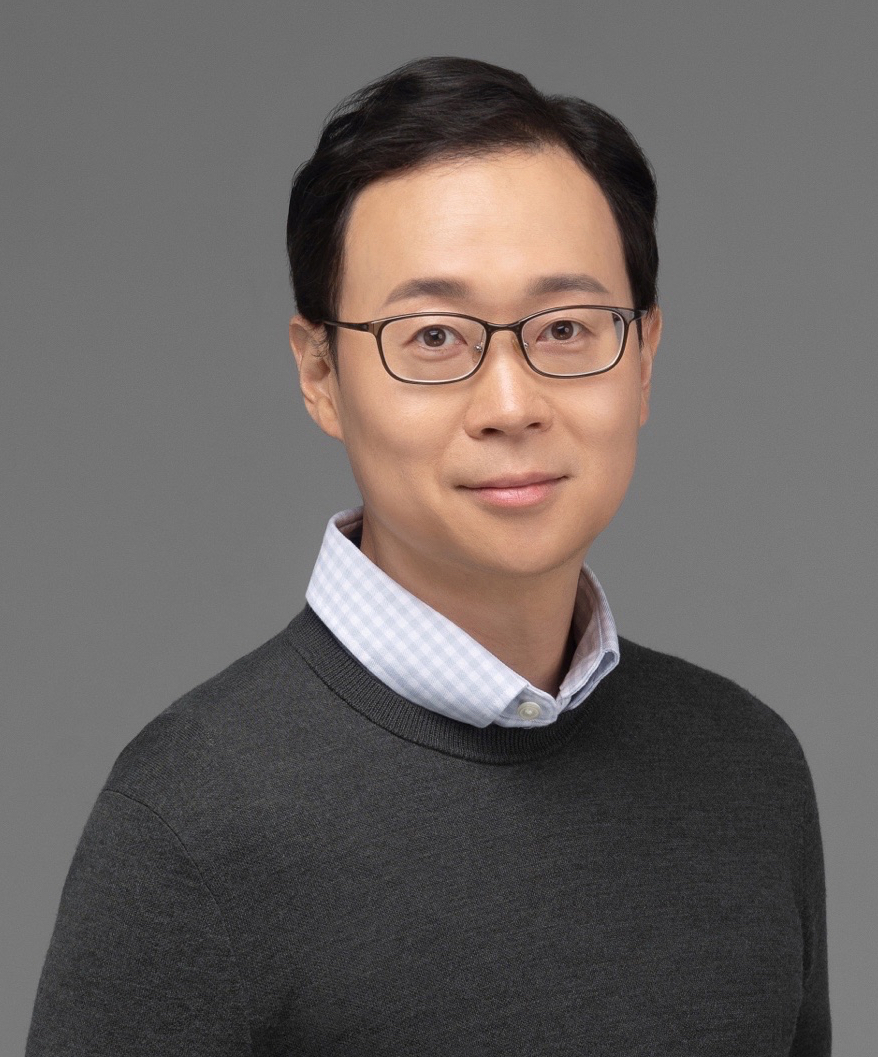
20259th recipient
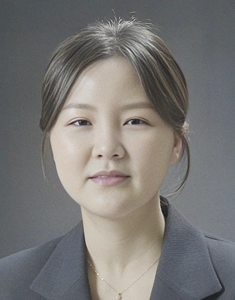
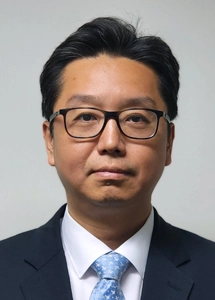
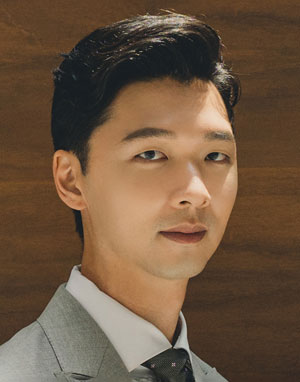
Dr. Peter Jongho Na

Reframing Suicide as a Shared Social Responsibility in Korea

Dr. Peter Jongho Na, Assistant Professor of Psychiatry, Yale School of Medicine

Dr. Na casts suicide not as an individual failure or “extreme choice (극단적 선택),” but as a systemic and cultural crisis requiring a coordinated national response. Drawing on his experience as a psychiatrist, public health researcher, and mental health advocate, he examines the scale and societal costs of suicide in Korea and analyzes key structural drivers such as academic and workplace pressures, poverty and isolation among older adults, and the pervasive stigma surrounding mental illness and treatment.

A central theme is how stigma has sustained silence, denial, and policy inertia. Dr. Na shares his efforts to challenge euphemistic language and foster open public dialogue, while proposing an interdisciplinary roadmap inspired by global models that integrate public health, education, and social welfare reforms. He also highlights the Korean diaspora’s potential role in breaking taboos and advancing cultural and policy change.
20248th recipient
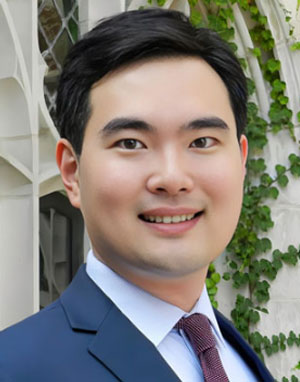
Dr. David Krolikoski

The Politics of The Silence of Love in Colonial Korea

Dr. David Krolikoski, Assistant Professor, University of Hawaiʻi

Dr. Krolikoski examined The Silence of Love (Nim ŭi ch’immuk, 1926), the acclaimed collection of eighty-eight poems by Han Yong-un (1879–1944), a Buddhist monk and public intellectual. Although the book is commonly celebrated as a metaphor for colonial subjugation, he argued that its artistic significance lies in Han’s paradigm-shifting use of colonial poetry as a medium of communal expression during a time of national crisis.

He explored how Han used fiction and symbols to collapse the boundary between private and public address, transmuting the individual voice of his poetic speaker into a platform for a community, and placed the collection within the 1920s translation of foreign poetic forms into Korea, with a focus on how Han incorporated elements of the lyric and prose poem into his verse.
20237th recipient
Dr. Munseob Lee

The Return of Industrial Policy: Lessons from Korea

Dr. Munseob Lee, Assistant Professor, University of California San Diego

Industrial policy is making a comeback. Signs of government intervention in support of industry are visible not only in China, but in the U.S., Europe, and Asia. Drawing on Korea’s experience, Dr. Lee offers insights for today’s policymakers, including a close look at the government’s 1973 heavy and chemical industry drive. While that policy yielded positive outcomes for the targeted industries, it also resulted in higher concentration within those sectors.

Lee stresses the need for a thorough evaluation of costs and benefits before implementation, especially given current bipartisan support in the U.S. for major bills aimed at revitalizing industrial policy. As one reviewer stated, “At this critical time Lee revisits the effectiveness of Korean industrial policy during a high development phase to glean useful insights for Korea, U.S., and beyond.” Moderated by Thomas Byrne, then President and CEO of The Korea Society.
20226th recipient
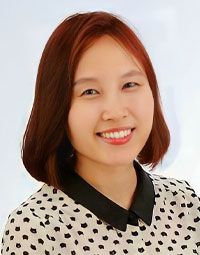
Dr. Eunbin Chung

National Identity Affirmation and Trust in Korea, Japan and China

Dr. Eunbin Chung, Assistant Professor of Political Science, University of Utah

Legacies of conflict and distrust have made it difficult for East Asian countries to form regional institutions and overcome security dilemmas. Dr. Chung’s research questions two conventional wisdoms: that distrust among states can be overcome through cultural convergence and appeals to a shared identity, and that strong, inward-focused national identities exacerbate inter-state distrust and conflict. She advances the concept that trust can be built among nations when each affirms its own distinctive identity, and that this may be more effective than embracing common identities across countries.

Dr. Katrin Katz, the inaugural award recipient, described Chung’s argument as “breaking new ground in tackling some prevailing beliefs regarding the relationship between national identity and levels of inter-state trust and conflict.”
20215th recipient
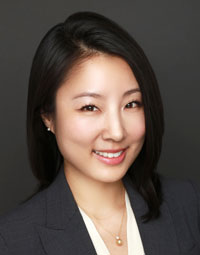
Dr. Aram Hur

Korea’s Changing National Story and Democratic Future

Dr. Aram Hur, Assistant Professor and Co-Director, Institute for Korean Studies, University of Missouri

Dr. Hur addressed Korean nationalism, a “rapidly fragmenting and changing” national story, and the danger of democratic rollback. Senior director Stephen Noerper described her selection and address as “incredibly important given the costs of such fragmentation in Korea, but comparatively in the United States of late and by extension to a world seeing rollback in Myanmar, Thailand, Russia and elsewhere.”
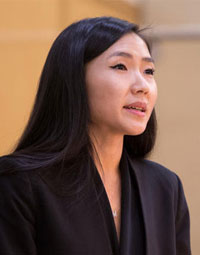
20204th recipient
Melany Sun-Min Park

Architecture as Kisul in Postwar Korea: Building the Industrial Nation-State

Melany Sun-Min Park, Doctoral Candidate, Harvard University

Ms. Park addressed architecture’s relationship to state-led, large-scale industrial development in postwar Korea, framing architecture as kisul (science-technology). Carter Eckert, Yoon Se Young Professor of Korean History at Harvard University, described her effort as a “brilliantly conceived project combining…histories and cultural issues with an exploration of science/industrialism and aesthetics…in South Korea.” Harvard Professor Yukio Lippit hailed her original “use of archives never tapped for use in any language.”
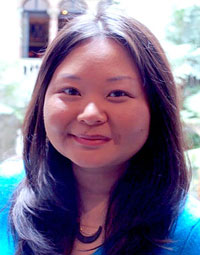
20193rd recipient
Dr. Ivanna Sang Een Yi

P’ansori Mountain Pilgrimages: Land as Interlocutor in Contemporary Korean Oral Performance and Literature

Dr. Ivanna Sang Een Yi, Visiting Assistant Professor, University of Colorado Boulder

In a presentation both spoken and sung, Professor Yi conceptualized the contemporary practice of p’ansori san kongbu, mountain study, as a form of pilgrimage.
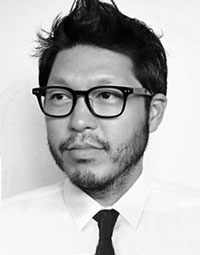
20182nd recipient
Dongsei Kim

Imagining the Impossible: The DMZ as a Productive Territory

Dongsei Kim, Architect and Assistant Professor, New York Institute of Technology

Professor Kim explored how architecture and landscape architecture investigate the Demilitarized Zone. Through the prism of spatial design and three concrete examples, he argued for reformulating exclusionary border conditions into inclusive spaces that become synergistic and productive for both Koreas.
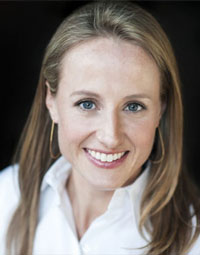
2017Inaugural recipient
Dr. Katrin Katz

Maritime Conflict in Northeast Asia and Nationalism in Korea

Dr. Katrin Katz, Northwestern University

The Korea Society celebrated sixty years since its founding with a public and press presentation on September 27 by Dr. Katz, who served on the National Security Council in the George W. Bush administration. Her dissertation addresses maritime conflict in Northeast Asia and the dynamics of nationalism in Korea. Mr. Sherman, whose family supports the award, served as Citi’s representative in Korea in the early 1970s.

Apply for the next lecture

Ph.D. candidates, junior professors, researchers, and professionals are eligible.

Apply now

Become a member

Get access to exclusive programs and a network dedicated to U.S.–Korea relations.
Join The Korea Society

Get the newsletter

The latest programs, lectures, and news, once a month.

Subscribe

Policy director Jonathan Corrado interviewed by VOA

Korea Society policy director was interviewed by VOA Reporter Jo Sang-jin about North Korean nuclear diplomacy, sanctions implementation, North Korea-Russia military cooperation, and the future situation on the Korean Peninsula. Corrado assessed that North Korea feels no immediate need to engage in dialogue, as it has secured greater negotiating power than ever before through Russia and China. He also pointed out that the reduction of U.S.-South Korea joint military exercises should not continue indefinitely without corresponding measures from North Korea.

The Unseen Resilience of North Korean Female Defectors

North Korea’s Evolving Cyber Strategy

Join us for a discussion on the unseen resilience of North Korean female defectors. Kim Seonghui and Na Min-Hee provide powerful personal testimony, describing their life and experiences in North Korea, their escape, and their new life in South Korea. Human rights advocate and expert Kwon EunKyoung joins the discussion, which is moderated by policy director Jonathan Corrado.

This program is made possible by the generous support of our individual and corporate members and the Korea Foundation.


The Unseen Resilience of North Korean Female Defectors

Thursday, September 18, 2025 | 4 PM (EDT)


The Korea Society
350 Madison Avenue, 24th Floor
New York, NY 10017


About the Speakers:


Kim Seonghui fled North Korea in 2008 to give her daughter a life free from the violence and indignity she faced as a woman. In North Korea, Kim worked as a nurse, witnessing harrowing conditions caused by the absence of medicine, equipment, electricity, and basic supplies. Now in South Korea, she runs Hanadoga (“House of Unity”), a North Korean-style distillery brewing alcohol — as her mother once did — and leads volunteer efforts to support vulnerable people in her community.


Na Min-Hee is originally from Pyongyang. She was working in Malta as a state-dispatched overseas laborer when she first encountered the world outside of North Korea—and was struck by the freedom and dignity with which women lived abroad. Despite strict surveillance, she fled to Germany in 2015 and, eventually found refuge in South Korea. Now living in South Korea, Na is happily married and committed to reclaiming her voice and agency as a woman. She shares her story and perspectives openly through her YouTube channel with 162K subscribers, determined to speak not from fear or silence, but with strength and autonomy.


Kwon EunKyoung is the Director of the Network for North Korean Democracy and Human Rights (NK Net) and Secretary General of the International Coalition to Stop Crimes Against Humanity in North Korea (ICNK). She focuses on creating effective strategies to improve the quality of life for North Korean people and to raise their awareness of the values shared by the global community. She works to broaden channels that connect the world with the hearts and lives of the North Korean people.

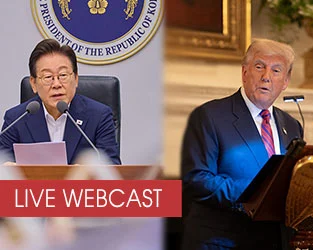
Rapid Reaction: The First Trump-Lee Summit

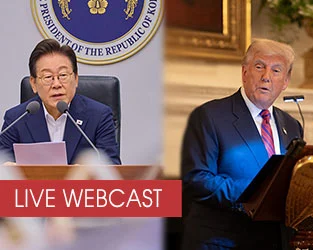
Join us for a timely discussion on the highly anticipated first meeting between US President Donald Trump and South Korean President Lee Jae Myung. Taking place after the agreement of a new trade framework on July 30, this meeting may address such diverse topics as: Korean investments into the US, Alliance cost sharing and modernization efforts, trilateral US-Korea-Japan collaboration, and coordination on North Korea. Expert panelists unpack summit expectations, outcomes, and implications. This discussion features Dr. Katrin Katz, The Korea Society’s inaugural Van Fleet Nonresident Senior Fellow, and Josh Smith, Korea Bureau Chief for Reuters News Agency, in conversation with Korea Society policy director Jonathan Corrado and program officer Chelsie Alexandre.

This program is made possible by the generous support of our individual and corporate members and the Korea Foundation.

 
Sign Up Here to Receive the Viewing Link


Rapid Reaction: The First Trump-Lee Summit

Tuesday, August 26, 2025 | 8 AM (EDT)


About the Speaker:


Dr. Katrin Fraser Katz is The Korea Society’s inaugural Van Fleet Nonresident Senior Fellow. Dr. Katz is a former director for Japan, Korea, and oceanic affairs on the staff of the National Security Council, where she served from 2007 to 2008. She is also a Professor of Practice in the Department of Political Science and the Master of Arts in International Administration (MAIA) program at the University of Miami and an Adjunct Fellow (Non-resident) in the Office of the Korea Chair at the Center for Strategic and International Studies (CSIS) in Washington, DC. Previously, she was a special assistant to the assistant secretary for international organization affairs at the U.S. Department of State and an analyst at the Central Intelligence Agency. She was previously an Adjunct Assistant Professor in the Department of Political Science at Columbia University and has also taught at Georgetown University. In 2017, Dr. Katz received the inaugural Sherman Family Korea Emerging Scholar Lecture Series award from The Korea Society. Dr. Katz’s research, which has been supported by grants from the Korea Foundation and the Horowitz Foundation for Social Policy, explores the interplay of cooperation and conflict in East Asia’s political, economic, and security dynamics. She holds a Ph.D. in political science from Northwestern University; a master’s degree in East Asian and international security studies from the Fletcher School of Law and Diplomacy, where she was awarded the John C. Perry Scholarship for East Asian Studies; and a bachelor’s degree, magna cum laude, in international relations and Japanese from the University of Pennsylvania.


Josh Smith is the bureau chief for Reuters in Seoul. He has covered North and South Korea since 2017, including the tensions during the 2017 period, the Trump-Kim summits in 2018 and 2019, a reporting trip to Pyongyang, and South Korea’s recent martial law crisis. He previously covered politics and policy in Washington DC and lived for five years in Kabul where he covered the wars in Afghanistan and Iraq.
 

North Korea’s Evolving Cyber Strategy

North Korea’s Evolving Cyber Strategy

Join us for a discussion on the rising scale and sophistication of North Korea’s cyber operations with Mitch Haszard, senior threat intelligence analyst at Recorded Future, and Scott Kardas, geopolitical threat intelligence analyst at Recorded Future. How does North Korea’s cyber activities fit into the Kim regime’s larger goals? How can the U.S., South Korea, and the broader international community respond to this threat? This program will follow the evolution and growing magnitude of the regime’s cyber operations and its attacks. The conversation will be moderated by policy program officer Chelsie Alexandre.
 
https://www.recordedfuture.com/research/north-koreas-cyber-strategy
https://www.recordedfuture.com/research/north-koreans-continue-to-use-foreign-technology
https://www.recordedfuture.com/research/inside-the-scam-north-koreas-it-worker-threat

The Korea Society thanks our corporate sponsors and individual members and the Korea Foundation for their generous support, which has made this program possible.


Click Here to Attend in Person


Sign Up Here to Receive the Viewing Link


North Korea’s Evolving Cyber Strategy

Wednesday, August 13, 2025 | 12 PM (EDT)


The Korea Society
350 Madison Avenue, 24th Floor
New York, NY 10017


About the Speakers:


Mitch Haszard is a Principal Threat Intelligence Analyst on the Strategic and Persistent Threats team at Recorded Future. The Strategic and Persistent Threats team focuses on tracking and researching state-sponsored cyber activity. Mitch holds an MS in Cybersecurity from New York University, an MA in International Studies from Yonsei University, and a BS in International Business from the University of Maryland, Global Campus.


Scott Kardas is a geopolitical threat intelligence analyst at Recorded Future. He first went to Korea to teach English in 2012. He got his Masters degree from Yonsei University Graduate School of International Studies in 2017. From 2018-2020, Scott worked as a civilian instructor at the Korea Military Academy (육군사관학교). Since 2021, Scott has worked as an analyst focusing on the geopolitics of Northeast Asia.


2026 Armistice Day Commemorative Reception

Program Brief

2026 Armistice Day Reception

In a reception commemorating the 73rd anniversary of the Korean War Armistice Agreement and celebrating the U.S.-ROK alliance, The Korea Society, in collaboration with the Korea Defense Veterans Association (KDVA) New York City Metro Area Chapter and the Consulate General of the Republic of Korea in New York, brought together veterans, policy leaders, and alliance supporters to honor the service and sacrifice of U.S. and Republic of Korea veterans.

The commemoration emphasized that the U.S.-ROK alliance extends far beyond diplomatic agreements, having been forged through shared sacrifice in the mud, snow, and blood of the battlefield. This relationship was historically exemplified by the partnership between Eighth Army Commander General James Van Fleet and General Paik Sun-yup, whose mutual respect laid the tactical and structural foundation for the modern Republic of Korea Army. As highlighted throughout the evening, the loss of thousands of American and Korean soldiers, including General Van Fleet’s own son, created an unbreakable bond.

Marking the anniversary of the Armistice Agreement signed on July 27, 1953, the evening reception provided an opportunity for reflection on the alliance’s historic achievements while reaffirming a shared commitment to its future.

This program was made possible by the generous support of the Korea Foundation, KDVA, the Consulate General of the Republic of Korea in New York, and The Korea Society’s individual and corporate members.

The program was covered by Voice of America. A video is available to view here. 

Key Takeaways

1. Peace Through Security and the Evolution of the Armistice

Consul General Sangho Kim framed the 1953 Armistice not as a permanent resolution, but as a provisional pause that granted South Korea the essential time required to rebuild from the ashes of war into a global democracy and economic powerhouse. While seven decades under a temporary ceasefire has carried immense economic burdens and persistent fears of renewed conflict, he argued that the responsibility of the present generation is to leverage the U.S.–ROK alliance, robust deterrence, and steady diplomacy to transition from mere containment toward a lasting treaty that permanently eliminates the fear of war on the Korean Peninsula.

2. The Frontline Reality and the Enduring Human Legacy of Combat

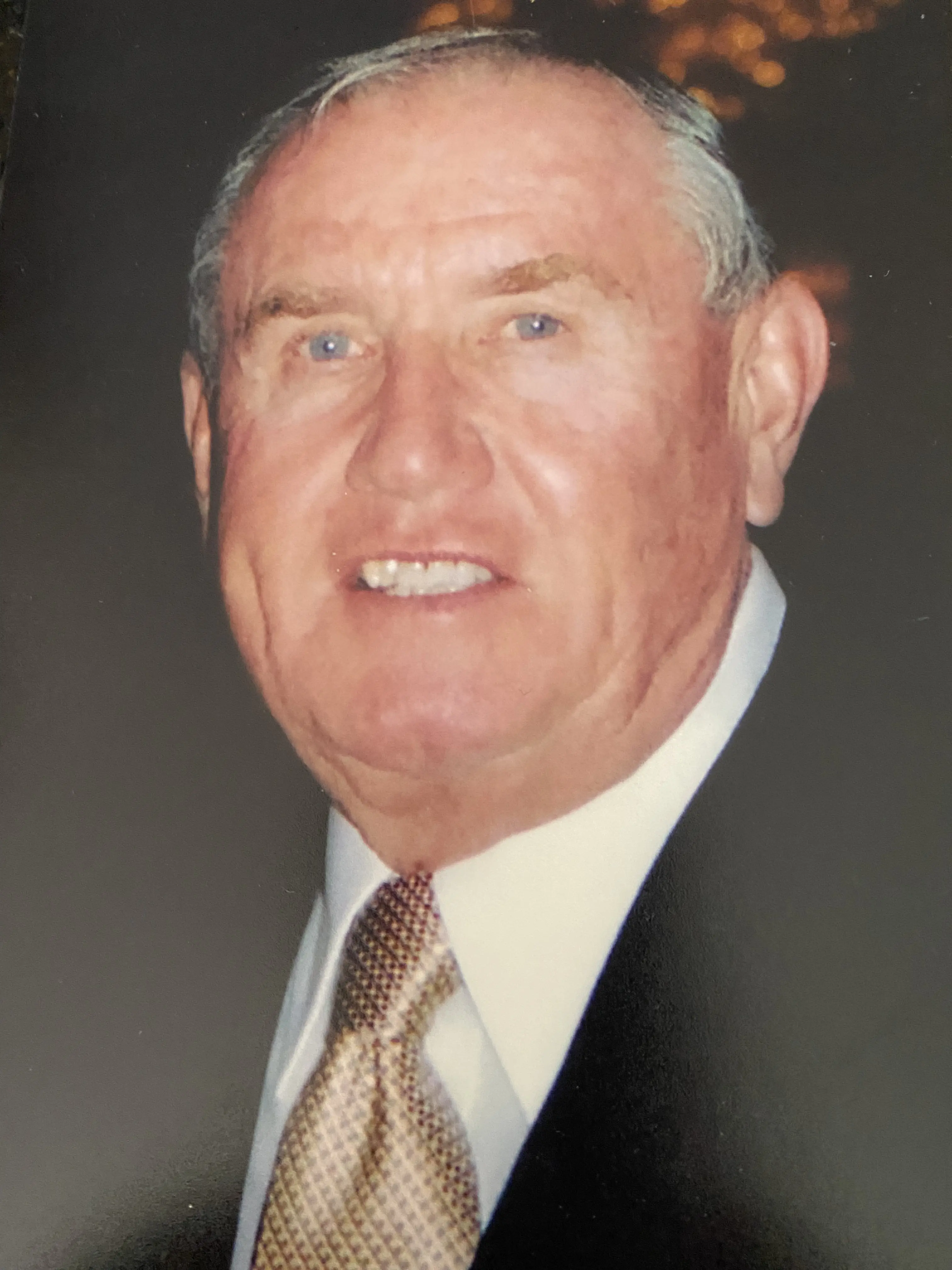
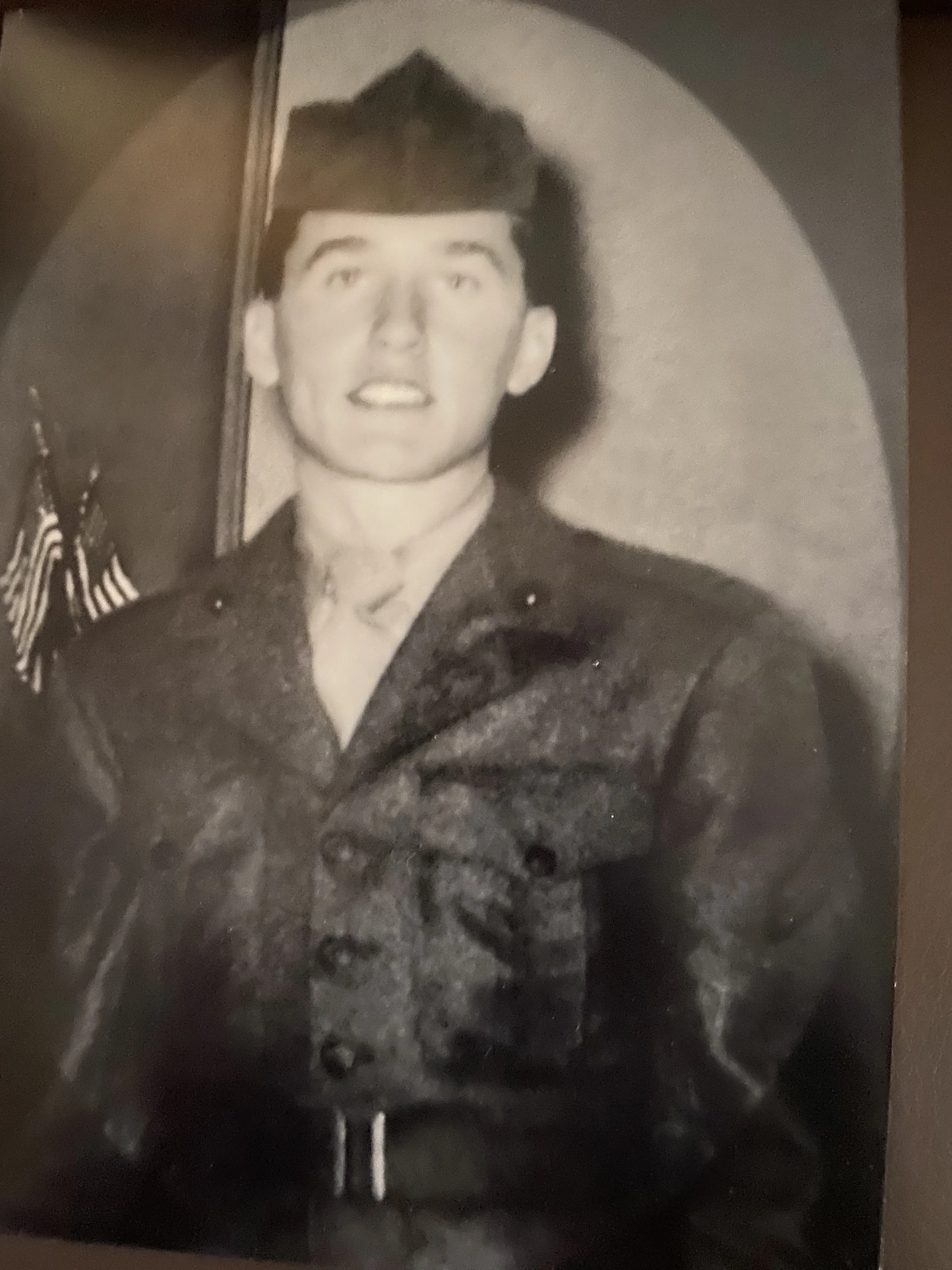
Korean War Marine veteran Jack Foley offered a grounded, personal perspective on the human cost and living legacy of the Korean War, recounting his 1951 deployment with the 1st Battalion, 5th Marines. Foley detailed the immediate, exhausting transition to frontline mountain combat, where troops endured months of constant vigilance without permanent shelter, paved roads, or basic amenities like clean uniforms. Beyond his battlefield service, Foley highlighted the profound personal bonds formed in the decades following the war. Serving in the New York City Police Department during the 1960s, his encounters with Korean immigrants routinely transformed into immediate, deep friendships rooted in mutual respect for his service which culminated in his upcoming official revisit to South Korea.

3. Preserving Memory and Mobilizing Modern Partnerships

Reflecting on the modern responsibilities of both nations, speakers from The Korea Society and KDVA framed veteran sacrifice as an ongoing “debt of duty” rather than a simple historical memory. General Chris Stockel and Korea Society Policy Director Jonathan Corrado noted that a strong US-ROK alliance remains essential for guaranteeing regional stability and economic growth in Northeast Asia. Honorably fulfilling the mission of Korean War veterans requires continuous, active coalition-building across government, veteran organizations, and civil society in both the United States and South Korea to ensure that historical courage continues to secure lasting peace and prosperity.


Korea Defense Veterans Association

Consulate General of the Republic of Korea in New York


Speaker

Sangho Kim

Consul General Sangho Kimof the Republic of Korea in New York. Consul-General Kim Sang Ho serves as the Consul-General of the Korean Consulate General in New York, a position he assumed in April 2026. Prior to his diplomatic appointment in New York, Consul-General Kim was actively involved in civic and national organizations, serving as a Board Member for the Citizen’s Coalition for Urban Future from 2024 to 2026 and as the Director General of the External Cooperation Bureau for the National Council for People’s Sovereignty from 2024 to 2025. From 2018 to 2022, he served as the Mayor of Hanam City in Gyeonggi Province. He served as the Vice Chair of the Policy Committee at the Central Headquarters of the Democratic Party of Korea from 2017 to 2018, which followed an eight-year tenure as an Advisor to a Member of the National Assembly for the Democratic Party of Korea from 2008 to 2016.

Speaker

Chris Stockel

Brigadier General (Ret.) Chris Stockel currently serves as the Korea Defense Veterans Association New York City Metro Chapter president. He is also the vice president of the Civil Affairs Association, senior U.S. civil military operations (CMO) advisor to the Korea Battle Simulation Center (KBSC). He commanded infantry, special forces, and civil affairs units, culminating at the one-star level as commanding general (CG) of the 351st Civil Affairs Command (CACOM) in Mountain View, CA and as the acting Combined Forces Command (CFC) C9 (civil affairs), Korea. As CG of the 351st, he was responsible for nearly all civil affairs operations in the INDO-PACIFIC. Previous to this, he was deputy commanding general, U.S. Army Civil Affairs & Psychological Operations Command (Airborne) and chief of staff (COS) of the 352nd CACOM. Before this, he was the commander of the civil military operations center (CMOC) and deputy COS strategic effects Operational Command Post (OCP) Third Army/ARCENT, Kuwait. He deployed twice to Iraq – once as a CA officer and later as the PAO for CJSOTF-AP. Other assignments included interagency duty with State counter-terrorism at Main State in the CT bureau, formerly S/CT, a joint assignment with USSOCOM, and Special Operations USEUCOM (SOCEUR). His training assignments, tours, and deployment postings included numerous European, Asian, Central American, Caribbean, East African, and Middle Eastern countries (including Egypt, Iraq, UAE, Jordan, Bahrain, Qatar, Lebanon, and Kuwait). He spoke at the Council on Foreign Relations focused on China, at AUSA LANPAC in Hawaii on HADR, and testified about Iraq before Congress to the House committee on State and Foreign Operations. Stockel earned a BA in Mathematics/Computer Science with a minor in German from Trenton State College including a year abroad at the Goethe University Frankfurt am Main, Germany and a Master’s Strategic Studies from the U.S. Army War College. He is a life member of the Council of Foreign Relations. While in uniform he held DoD language ratings in German, Arabic, and Spanish. He is ranger and special forces qualified. His numerous awards and decorations include the Distinguished Service Medal, Legion of Merit, Bronze Star Medal, Meritorious Service Medal, German Parachute Badge, Latvian Special Forces Parachute Badge, Indonesian Parachute Badge, and Cote d’Ivoire Parachute Badge.
Speaker

Jack Foley

Jack Foley enlisted in the United States Marine Corps following his graduation from high school in March 1951 at the age of 17. Jack completed recruit training at Parris Island before being transferred to Camp Pendleton in California for advanced infantry instruction. The training included rigorous Mountain Warfare exercises in the Sierra Nevada Mountains in preparation for deployment to Korea. Upon his return home in late November 1952, he was promoted to the rank of Marine Sergeant in the USMC and assigned to the 2nd Marine Division at Camp LeJeune, NC serving with the Weapons Company, 2nd Battalion, 2nd Marine Regiment. In May 1953, Jack was reassigned to Marine Corps Base Quantico, VA where he served as a Weapons instructor at the Officer Candidate School. Following this assignment, he returned to Camp LeJeune where he completed his service and was honorably discharged.

After Jack’s honorable discharge from active duty in 1955, he was accepted into the New York City Police Department where he began his career in law enforcement. Concurrently, he rejoined the Marine Corps as a reservist, ultimately serving a total of 25 years and retiring with the rank of Master Sergeant. During that time, he participated in specialized training programs including Desert Warfare training in the Mojave Desert, Jungle Warfare School in Panama, and Cold Weather training in Norway. In 1990, Jack continued his commitment to public service by joining the Lee County Sheriff’s Office in Fort Myers, Florida. He served proudly as a Deputy Sheriff and later retired with the rank of Police Sergeant.

Policy Director Jonathan Corrado co-authors report on limited nuclear attacks in East Asia

Korea Societry Policy Director Jonathan Corrado co-authored a report on limited nuclear attacks in East Asia. The report was spearheaded by The Indo-Pacific Security Initiative at The Atlantic Council’s Scowcroft Center for Strategy and Security as part of The Tiger Project, an Atlantic Council effort to develop new insights and actionable recommendations for the United States, as well as its allies and partners, to deter and counter aggression in the Indo-Pacific.

The main authors were Markus Garlauskas with John Park and Kyoko Imai, and contributor authors were Andrew Brown and Jonathan Corrado. The report concluded that: “The risk of nuclear attacks being launched in East Asia by adversaries of the United States is likely to increase over the coming decade, yet the United States and its allies have not yet prepared sufficiently to deter and prevail in the face of such nuclear strikes.”

Corrado’s section focuses on the effects of bias on preparing and preventing limited nuclear attack. Corrado wrote: “Limited nuclear attack (LNA) is a topic uniquely vulnerable to bias. Project research trips and the tabletop exercise both revealed deep-seated organizational and cognitive biases that obstruct or distort preparation for an LNA, particularly in the North Korea case. There isn’t even an agreed-upon definition of an LNA, and there is a lack of consensus on the appropriate response to one. Biases thrive in this type of probabilistic, low-information environment where it is necessary to rely on inference and heuristics to make time-sensitive judgments under pressure. The resulting biases lead to preparations, policies, and postures that might be reassuring to the United States and its allies but are suboptimal operationally, generate risk, and could constrain options. Bias might therefore be the biggest obstacle to preparing for and responding to an LNA effectively. The following are three key effects.”

The report is available here.

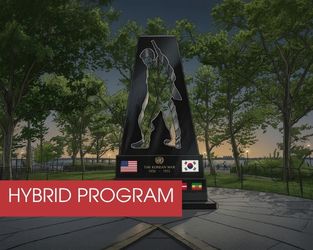
Remembering The Korean War

Join us for a conversation on the enduring legacy and impact of The Korean War and the U.S.-Korea Alliance. The Korean War Armistice Agreement, which remains in effect today, was signed 72 years ago on July 27, 1953. 

The program opens with prerecorded remarks from Korea Society president and CEO Tom Byrne filmed at the base of the Korean War Memorial in Kissena Corridor Park in Flushing, Queens titled: Remembering ‘The Forgotten War.’ 

Introductory remarks are provided by Consul Choong-geon Lee from the Republic of Korea New York Consulate, Korean War Veteran Mr. Jack Foley, and Brigadier General (Ret.) Chris Stockel, NYC Metro Area chapter president of the Korea Defense Veterans Association (KDVA). This program is produced in collaboration with KDVA. Following the introductions, author Dr. Michael Devine discusses his book, The Korean War Remembered: Contested Memories of an Unended Conflict (for sale here at 40% discount with the code 6AS23), which explores how conflicting “theaters of memory” in the United States, South Korea, North Korea, and China “have evolved over decades and how they continue to shape the domestic and foreign policies of the countries still involved in this unresolved struggle…” The moderator is policy program director Jonathan Corrado. 

This program is also a collaboration with The Korea Society education department and is attended by participants from The Korea-America Student Conference (KASC18), consisting of 24 student members from undergraduate and graduate universities in both the United States and South Korea.

This program is made possible by the generous support of our individual and corporate members and the Korea Foundation.


Remembering The Korean War

Friday, July 25, 2025 | 12:30 PM (EDT)


The Korea Society
350 Madison Avenue, 24th Floor
New York, NY 10017


About the Speakers:


Dr. Michael J. Devine offers the unique perspective of a scholar with half a century of close ties to Korea and the Korean American community, as well as practical experience in the management of historical institutions. Devine is an adjunct professor of history at the University of Wyoming. Previously, he was the director of the Harry S. Truman Presidential Library, a professor of history and the director of the American Heritage Center at the University of Wyoming. He was a Peace Corps volunteer to Korea and a two-time senior Fulbright lecturer at Korean universities. He received his MA and PhD in American History from Ohio State University. 


Jack Foley Chris Stockel

Mr. Jack Foley 

Following Jack’s graduation from high school in March 1951 at the age of 17, he proudly enlisted in the United States Marine Corps. Jack completed recruit training at Parris Island before being transferred to Camp Pendleton in California for advanced infantry instruction. The training included rigorous Mountain Warfare exercises in the Sierra Nevada Mountains in preparation for deployment to Korea.
Upon his return home in late November 1952, he was promoted to the rank of Marine Sergeant in the USMC and assigned to the 2nd Marine Division at Camp LeJeune, NC serving with the Weapons Company, 2nd Battalion, 2nd Marine Regiment.  
In May 1953, Jack was reassigned to Marine Corps Base Quantico, VA where he served as a Weapons instructor at the Officer Candidate School.  Following this assignment, he returned to Camp LeJuene where he completed his service and was honorably discharged.
After Jack’s honorable discharge from active duty in 1955, he was accepted into the New York City Police Department where he began his career in law enforcement. Concurrently, he rejoined the Marine Corps as a reservist, ultimately serving a total of 25 years and retiring with the rank of Master Sergeant.  During that time, he participated in specialized training programs including Desert Warfare training in the Mojave Desert, Jungle Warfare School in Panama, and Cold Weather training in Norway. 
 
In 1990, Jack continued his commitment to public service by joining the Lee County Sheriff’s Office in Fort Myers, Florida. He served proudly as a Deputy Sheriff and later retired with the rank of Police Sergeant.


Choong-geon Lee is Consul, Head of Political Affairs Section at the Consulate General of the Republic of Korea in New York. Since he joined the foreign service in early 2000s, he has been around various posts in Korea and overseas, including Europe and the Middle East. In New York, he is working to promote people-to-people ties between the two countries.


Brigadier General (Ret.) Chris Stockel currently serves as the vice president of the Civil Affairs Association, senior U.S. civil military operations (CMO) advisor to the Korea Battle Simulation Center (KBSC), and the Korea Defense Veterans Association New York City Metro Chapter president. He commanded infantry, special forces, and civil affairs units, culminating at the one-star level as commanding general (CG) of the 351st Civil Affairs Command (CACOM) in Mountain View, CA and as the acting Combined Forces Command (CFC) C9 (civil affairs), Korea. 

As CG of the 351st, he was responsible for nearly all civil affairs operations in the INDO-PACIFIC. Previous to this, he was deputy commanding general, U.S. Army Civil Affairs & Psychological Operations Command (Airborne) and chief of staff (COS) of the 352nd CACOM. Before this, he was the commander civil military operations center (CMOC) and deputy COS strategic effects Operational Command Post (OCP)Third Army/ARCENT, Kuwait. He deployed twice to Iraq – once as a CA officer and later as the PAO for CJSOTF-AP. 

Other assignments included interagency duty with State counter- terrorism at Main State in the CT bureau, formerly S/CT, a joint assignment with USSOCOM, and Special Operations USEUCOM (SOCEUR). His training assignments, tours, and deployment postings included numerous European, Asian, Central American, Caribbean, East African, and Middle Eastern countries (including Egypt, Iraq, UAE, Jordan, Bahrain, Qatar, Lebanon, and Kuwait). He spoke at the Council on Foreign Relations focused on China, at AUSA LANPAC in Hawaii on HADR, and testified about Iraq before Congress to the House committee on State and Foreign Operations.

Stockel earned a BA in Mathematics/Computer Science with a minor in German from Trenton State College including a year abroad at the Goethe University Frankfurt am Main, Germany and a Master’s Strategic Studies from the U.S. Army War College. He is a life member of the Council of Foreign Relations. While in uniform he held DoD language ratings in German, Arabic, and Spanish. He is ranger and special forces qualified. His numerous awards and decorations include the Distinguished Service Medal, Legion of Merit, Bronze Star Medal, Meritorious Service Medal, German Parachute Badge, Latvian Special Forces Parachute Badge, Indonesian Parachute Badge, Cote d’Ivoire Parachute Badge.


Rogue Allies: The Strategic Partnership between Iran and North Korea

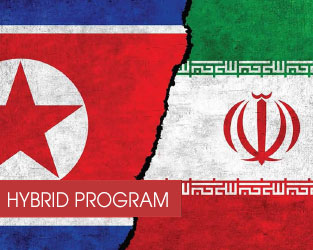
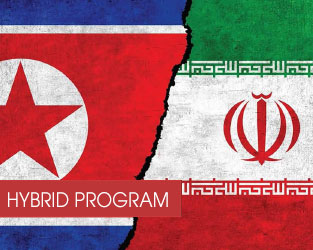
What are the motivations and geopolitical significance of the ongoing partnership between the governments of North Korea and Iran? Join us for a program with Professor and Author Bruce E. Bechtol Jr., who discusses his new book co-authored with Professor Anthony N. Celso. During the program, Bechtol explains the ideological, financial, and environmental forces contributing to the partnership, the roles of Russia and China, the two regimes’ military capabilities, proliferation activities to terrorist organizations, and the partnership’s role in destabilizing the rules-based order. The book is available for purchase online here. A limited number of hardcover editions will be available for cash sale at a discounted rate of $20 at the event. This program is moderated by Korea Society policy director Jonathan Corrado.
 
This program is made possible by the generous support of our individual and corporate members and the Korea Foundation.


Rogue Allies: The Strategic Partnership between Iran and North Korea

Wednesday, June 11, 2025 | 12 PM (EDT)


The Korea Society
350 Madison Avenue, 24th Floor
New York, NY 10017


About the Speaker:


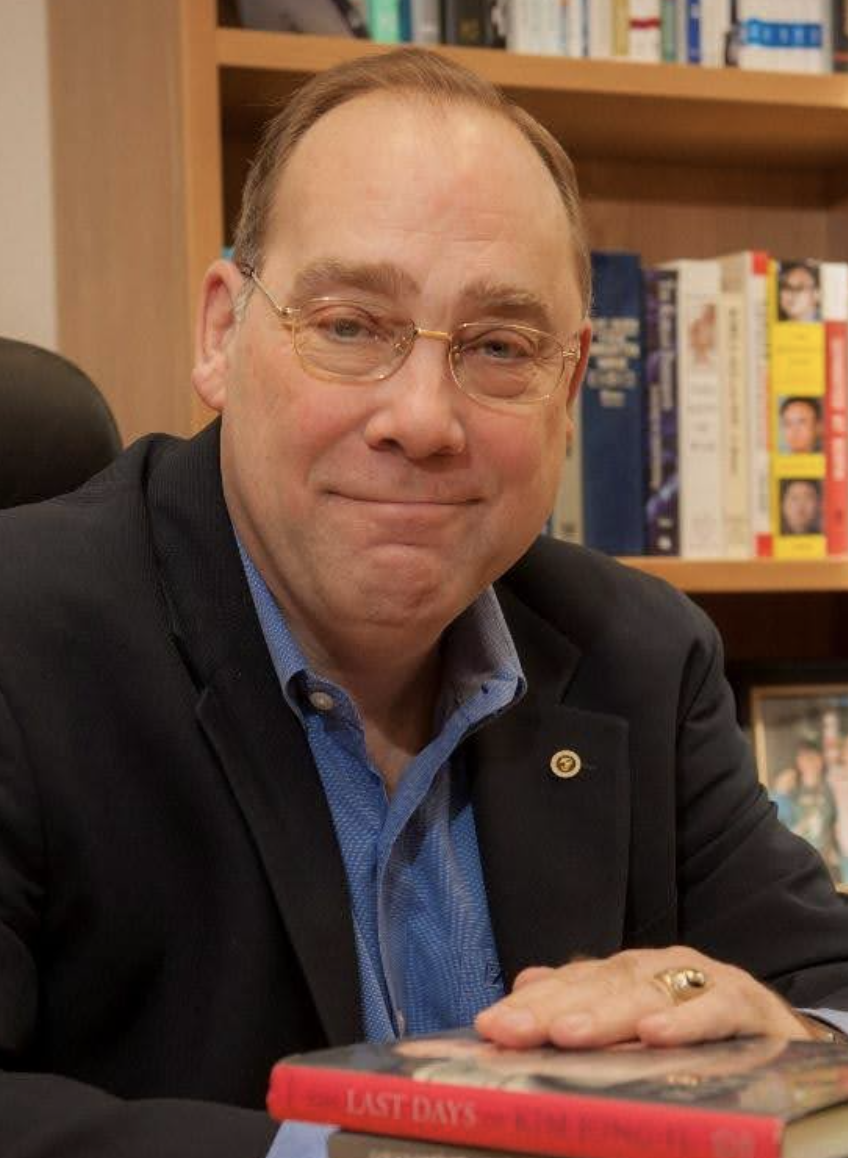
Bruce E. Bechtol, Jr. (Ph.D. Union Institute), is an award winning professor of political science at Angelo State University and a retired Marine. He was formerly on the faculty at the Marine Corps Command and Staff College (2005–2010) and the Air Command and Staff College (2003–2005). Dr. Bechtol served as an adjunct visiting professor at the Korea University Graduate School of International Studies (2006–2007). He was an intelligence officer at the Defense Intelligence Agency from 1997 until 2003, eventually serving as the senior analyst for Northeast Asia in the Intelligence Directorate (J2) on the Joint Staff in the Pentagon. He formerly sat on the editorial review board of the East Asian Review from 2005 to 2009 and served as editor of the Defense Intelligence Journal from 2004 to 2005. He is currently on the editorial advisory board of the Korea Observer (2011–present), the editorial board of the International Journal of Security Studies, and is on the scientific board of Global Humanities (2014-present). He is the current Chairman of the Board of the International Council on Korean Studies. He is the co-author of the recent book (with Anthony N. Celso) Rogue Allies: The Strategic Partnership between Iran and North Korea (Lexington, Kentucky: University Press of Kentucky, 2025), and the author of North Korean Military Proliferation to the Middle East and Africa: Enabling Violence and Instability (University Press of Kentucky: 2018), North Korea and Regional Security in the Kim Jong-un Era: A New International Security Dilemma (Palgrave Macmillan: 2014), The Last Days of Kim Jong-Il: The North Korean Threat in a Changing Era (University of Nebraska Press: 2013), Defiant Failed State: The North Korean Threat to International Security (Potomac Books: 2010), and Red Rogue: The Persistent Challenge of North Korea (Potomac Books: 2007), and he is the editor of Confronting Security Challenges on the Korean Peninsula (Marine Corps University Press: 2011) and The Quest for a Unified Korea: Strategies for the Cultural and Interagency Process (Marine Corps University Foundation: 2007). He is also the author of more than forty articles in peer-reviewed journals.  A widely sought after expert on North Korean international security issues, Dr. Bechtol has been called on to present commentary to the BBC, CNN, CBC, FOX News, Radio New Zealand, syndicated nationwide radio shows such as POTUS politics on SIRIUS/XM, the John Batchelor show, and several interviews on National Public Radio (to name a few).


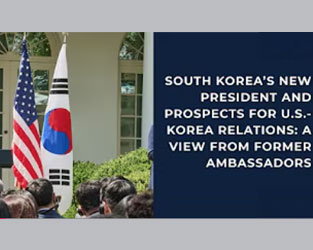
South Korea’s New President and Prospects for U.S.-Korea Relations: A View From Former Ambassadors

 
Former U.S. ambassadors to South Korea and members of the board at The Korea Society were featured in a prominent discussion about South Korea’s newly elected president Lee Jae-myung for the Korea Economic Institute of America (KEI). Ambassadors Philip Goldberg (2022–2025), Harry Harris (2018–2021), and Board Chair Kathleen Stephens (2008–2011) analyzed the outcome of the election amidst deep political polarization and implications for the future of the U.S.-Korea alliance.