
What to Expect: The 2025 APEC Summit in South Korea

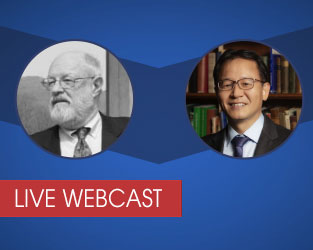
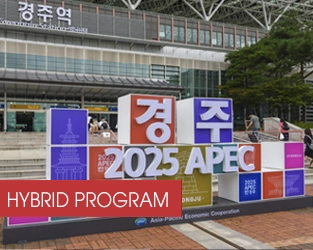
Join us for a scene setter that explores the stakes and the storylines for The Asia-Pacific Economic Cooperation Forum (APEC) 2025 summit, held in Gyeongju, South Korea from October 31 to November 1, 2025. This discussion, held one week prior to the summit, unpacks the most significant agenda items including trade, investment, and geopolitics, with special emphasis on the US, Korea, and the US-Korea relationship.

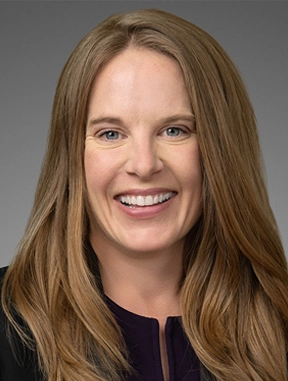
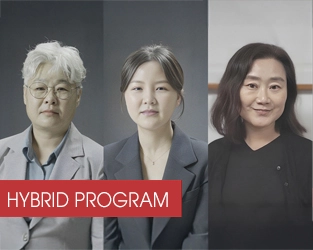
The discussion features senior experts with firsthand experience, including: Ambassador (Ret.) Philip Goldberg, former US Ambassador to the Republic of Korea 2022-2025, and Kate Kalutkiewicz, Senior Managing Director of the Trade Practice at McLarty Associates and former Special Assistant to the President and Senior Director for International Trade at the National Economic Council. The moderator is Tom Byrne, President and CEO of The Korea Society, adjunct professor at Columbia University’s SIPA, and former Senior Vice President for Moody’s Investor Services.

The priorities for this year’s forum are: “Connect, Innovate, Prosper.” In a preparatory meeting, senior officials from APEC members discussed “strategies for digital economy integration, public health cooperation, and strengthening APEC’s role as an incubator of practical, consensus-driven solutions.” As host nation, Korea’s initiatives include: “addressing demographic change and the rapid advancement of artificial intelligence technology.”

APEC originated as a ministerial meeting of 12 Asian Pacific countries in 1989. The idea for the forum was proposed by Australian Prime Minister Bob Hawke during a trip to Seoul in January 1989. A leaders’ summit was introduced in 1993 and a series of expansions increased the number of members to 21. South Korea previously hosted the ministerial meeting in Seoul 1991 and the leaders’ meeting in Busan 2005. APEC’s mission is to “support sustainable economic growth and prosperity in the Asia-Pacific region.”

This program is made possible by the generous support of our individual and corporate Members, Columbia University’s Weatherhead East Asian Institute, and the Korea Foundation.


What to Expect: The 2025 APEC Summit in South Korea

Thursday, October 23, 2025 | 12 PM (EDT)


The Korea Society
350 Madison Avenue, 24th Floor
New York, NY 10017


About the Speakers:
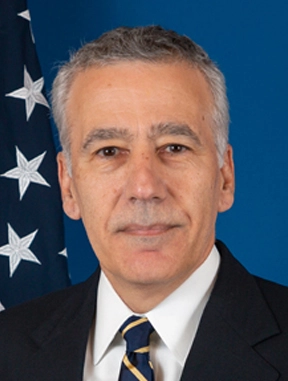
 

Philip S Goldberg served as US Ambassador to the Republic of Korea 2022-2025. He served as US Ambassador to Colombia. In 2018, Goldberg served as Charge d’affaires at the US Embassy in Havana, Cuba, followed by a year as a Diplomat in Residence at Georgetown University. From 2013-2016, Amb Goldberg served as US Ambassador to the Philippines. Prior to that assignment, he served as Assistant Secretary of State for the Bureau of Intelligence and Research (2010-2013); US Ambassador to Bolivia (2006-2008); Chief of Mission in Pristina, Kosovo (2004-2006); and Charge d’affaires and Deputy Chief of Mission in Santiago, Chile (2001-2004). From 2009-2010, Goldberg was coordinator for the implementation of UN sanctions on North Korea. His other overseas tours included Bogota, Colombia, where he served as the Plan Colombia coordinator, and Pretoria, South Africa.

Amb Goldberg was a senior member of the State Department team handling the transition from the Clinton to Bush administrations and served as acting Deputy Assistant Secretary of State for Legislative Affairs (2000-2001) and Special Assistant and Executive Assistant to Deputy Secretary of State Strobe Talbott (1996-2000). As the Bosnia Desk Officer and Special Assistant to Amb Richard Holbrooke (1994-1996), Goldberg was a member of the American negotiating team in the lead-up to the Dayton Peace Conference and Chief of Staff for the American delegation at Dayton.

Amb Goldberg holds the personal rank of Career Ambassador, the highest rank in the US Foreign Service. He has received numerous awards, including Presidential Distinguished and Meritorious Service Awards; the Department’s Distinguished Honor Award and the Silver Seal Medallion for Meritorious Service in the US Intelligence Community.

Amb. Goldberg is a native of Boston, Massachusetts, and a graduate of Boston University. Before joining the Foreign Service, he served as a liaison officer between the government of the City of New York and the United Nations and Consular Community.


Kate Kalutkiewicz is Senior Managing Director and leads the McLarty trade practice and contributes to the firm’s Europe practice and McLarty Inbound. Kate has managed complex challenges around global trade, industrial, and investment policy for nearly two decades. Her experience spans roles in government, particularly in Europe and South America, where she honed her skills in negotiating complex international agreements and navigating the nuance around public-private sector interactions. Kate most recently served as Head of US Trade Policy for Amazon, where she advocated a broad range of international trade and economic issues with the US Government, touching several sectors, including retail, creative content production and distribution, cloud services, sustainable fleet, autos, and hardline manufacturing. Prior to that, Kate served as Special Assistant to the President and Senior Director for International Trade at the National Economic Council, where she developed and led US trade policy initiatives. During her White House tenure, she led interagency teams responsible for the US G7 Presidency and US positions on supply chain resiliency and support for the economy during the COVID-19 pandemic. Before serving in the White House, Kate was the Senior Trade Representative at the US Mission to the European Union from 2016-2020. While in Brussels, she was the USTR’s primary interlocutor with the European Commission and Member State authorities responsible for trade. Before her time in Brussels, Kate held the role of USTR’s Director for European Affairs (2011-2016) and served as Associate Chief Negotiator for the US in the Transatlantic Trade and Investment Partnership negotiations. She began her career at USTR as its Director for Brazil and the Southern Cone (2007-2011), where she was the principal agency representative for implementing and managing US trade policy in Brazil, Argentina, Chile, Uruguay, and Paraguay. Prior to USTR, Kate was a legislative assistant in the office of Senator James Talent (R-MO), where she supported the Senator on issues related to trade, foreign policy, homeland security, immigration, and the judiciary.

Meet Advocacy Fellows from Liberty in North Korea

North Korea’s Evolving Cyber Strategy

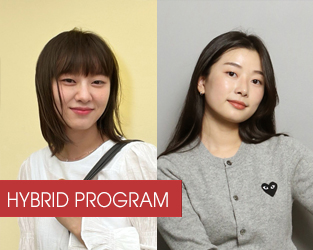
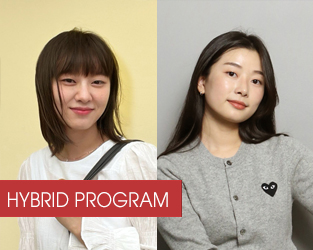
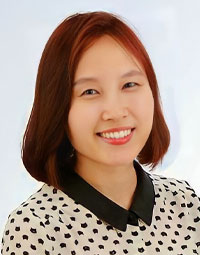
Join us for a discussion with Liberty in North Korea (LiNK) Advocacy Fellows to hear firsthand about the realities of life in North Korea, the decision and process of leaving, the adjustment to a new life in South Korea, and the discovery of new meaning and motivation. This discussion features two advocacy fellows: Rose Jang, a graduate from Hongik University Department of Architecture, and Hannah Oh, a fourth year student at Hongik University studying Electrical and Electronic Engineering, as well as Hannah Song, CEO of LiNK, in conversation with policy director Jonathan Corrado. 

This program is made possible by the generous support of our individual and corporate members and the Korea Foundation.


Meet Advocacy Fellows from Liberty in North Korea

Thursday, October 16, 2025 | 12 PM (EDT)

The Korea Society
350 Madison Avenue, 24th Floor
New York, NY 10017


About the Speakers:


Rose Jang escaped North Korea with her mother as a child. Ever since, she has grappled with notions of identity, prejudice, and justice. Rose graduated from Hongik University’s Department of Architecture. For her final project, she designed a memorial to honor North Korean human rights and provide comfort to defectors who had to leave their homeland. She drew inspiration from the Holocaust and 9/11 Memorials in the US, and was deeply moved by how such spaces contribute to healing and progress. As an Advocacy Fellow, Rose hopes to continue finding her identity and promote interest in this issue.


Hannah Oh was born and raised in Hoeryong, North Hamgyong Province, North Korea. As her family endured hardships and oppression, she slowly learned about the outside world. In 2019, she made the courageous decision to leave and successfully arrived in South Korea. Hannah is now a fourth year student at Hongik University in Seoul studying Electrical and Electronic Engineering. While participating in LiNK’s Changemaker Scholarship Program, she worked on developing devices and strategies that increase information access for people inside North Korea. Her goal as an Advocacy Fellow is to grow as a leader and communicator, and facilitate more collaborative work on this issue.


Hannah Song is CEO of Liberty in North Korea (LiNK). She joined in 2006 as Deputy Director, managing day-to-day operations and coordinating overseas programs including underground shelters, and refugee resettlement efforts in the United States and South Korea. At the end of 2008, she became CEO re-founding the organization with a new mission focused on working with the North Korean people to achieve their freedom. Hannah frequently speaks to international audiences and the media about North Korea, and served as executive producer of Beyond Utopia, the Emmy-nominated documentary that follows the perilous escape of two families from North Korea. Prior to joining LiNK, Hannah worked in advertising at OgilvyOne and Mindshare focusing on digital media and emerging technologies. She is a 2008 NetKAL fellow and a 2016 Ashoka Korea Fellow.

Korea’s Compressed Modernity and Its Risks

Join us for our second conversation with Seoul National University sociology Professor Chang Kyung-Sup who will discuss various challenges posed by South Korea’s “compressed modernity.” He writes that the same strategies and conditions that enabled explosive development and modernization in South Korea and other Asian societies also produced “existentially hazardous consequences in virtually all areas of public and private life, and seemingly insurmountable obstacles to sustained advances in the future.” And he argues that South Korea’s dynamism flows from the methods that it utilizes to overcome such challenges. This program is a collaboration with the Society’s Policy Department and the Education Department. 

Professor Chang is joined in conversation with education senior advisor Linda Tobash, policy director Jonathan Corrado, and policy program officer Chelsie Alexandre. 

Paperback copies of Professor Chang’s newest book, The Risk of Compressed Modernity, are available for purchase online at a 20% discount using the code 20KSC. You can view our first discussion with Professor Chang in 2023 here. 

This program is made possible by the generous support of our individual and corporate members and the Korea Foundation. Promotional support for this program is provided by The Institute of Social Sciences at Seoul National University (SNU ISS). 


Korea’s Compressed Modernity and Its Risks

Wednesday, October 8, 2025 | 8 AM (EDT)

The Korea Society
350 Madison Avenue, 24th Floor
New York, NY 10017


About the Speaker:

Chang Kyung-Sup is a SNU Distinguished Professor at Seoul National University, where he has taught sociology since 1991. His work has dealt with comparative development and modernity, Korean liberalism, Asian citizenship regimes, and Asian transnationalism. His authored books include: The Risk of Compressed Modernity (Polity, 2025); The Logic of Compressed Modernity (Polity, 2022); Transformative Citizenship in South Korea: Politics of Transformative Contributory Rights (Palgrave Macmillan, 2022); Developmental Liberalism in South Korea: Formation, Degeneration, and Transnationalization (Palgrave Macmillan, 2019); South Korea under Compressed Modernity: Familial Political Economy in Transition (Routledge, 2010); Asia In Itself: The Rise of a Continental Society (Polity, in progress). He is also a co editor of The Wiley Blackwell Encyclopedia of Social Theory, 5 Volumes (Wiley, 2017).


You May Also Enjoy:

Consequences of Korea’s Compressed Modernity How National Stories Shape Democracy in Asia Seeds of Mobilization: The Authoritarian Roots of South Korea’s Democracy Korea: The Politics of the Vortex

President Abraham Kim and policy director Jonathan Corrado engage with Pace University

Latest News

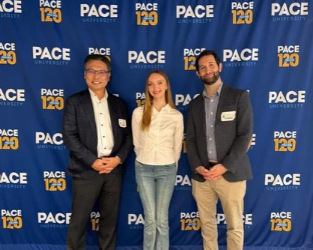
President Abraham Kim and policy director Jonathan Corrado engage with Pace University

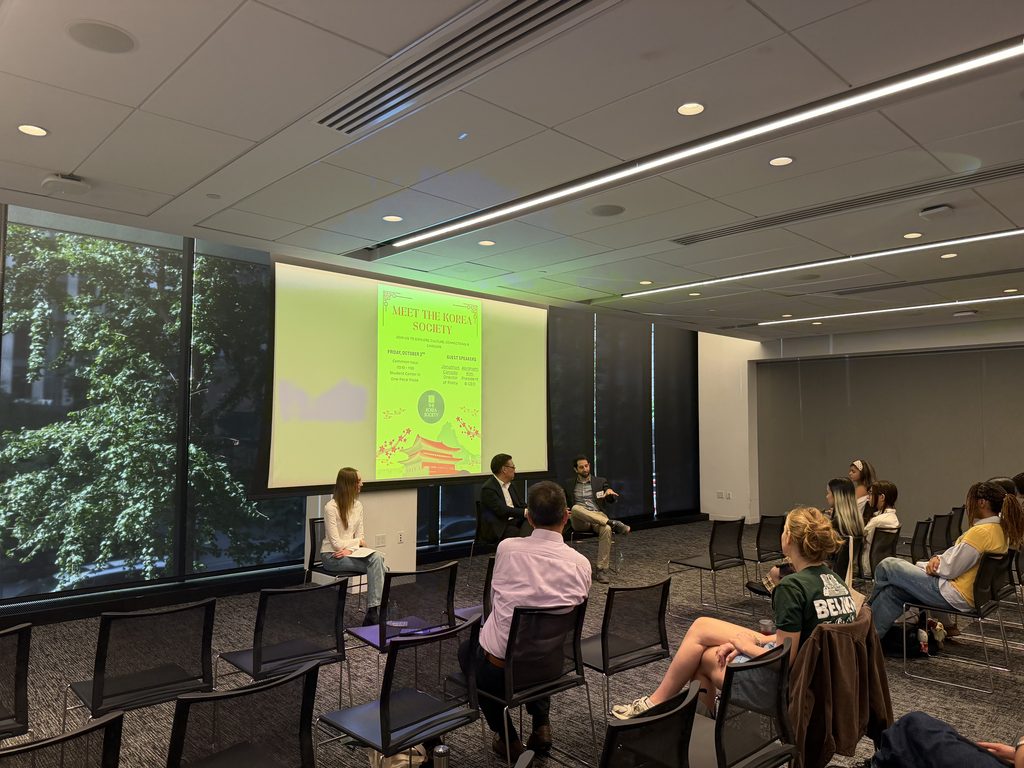
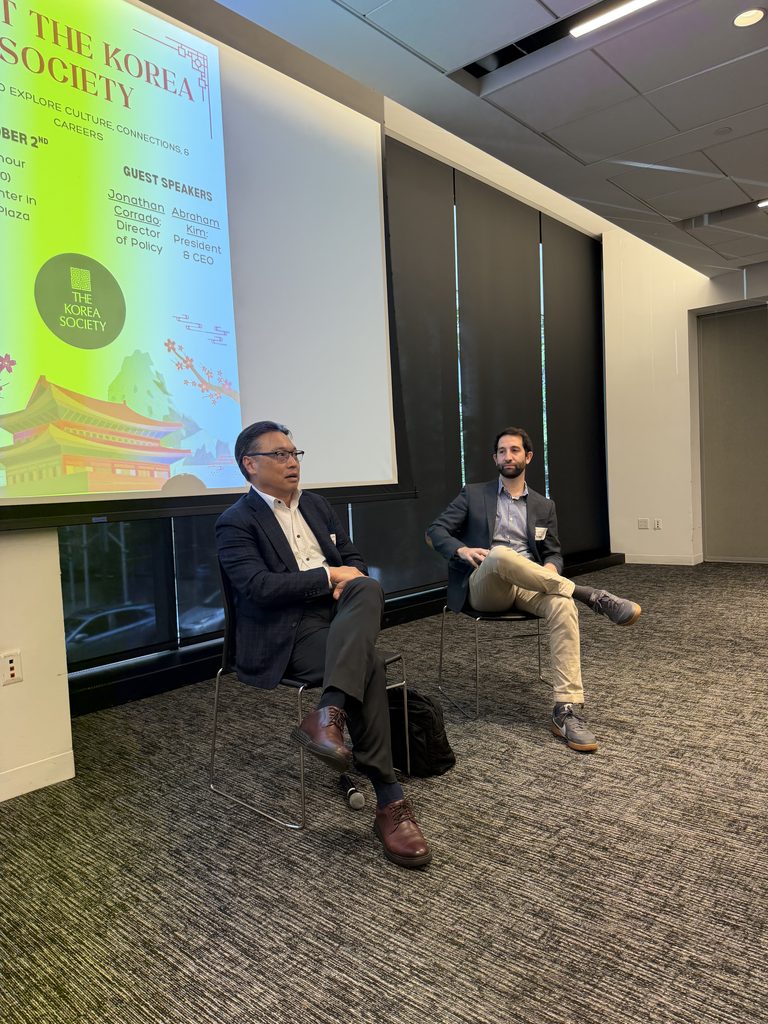
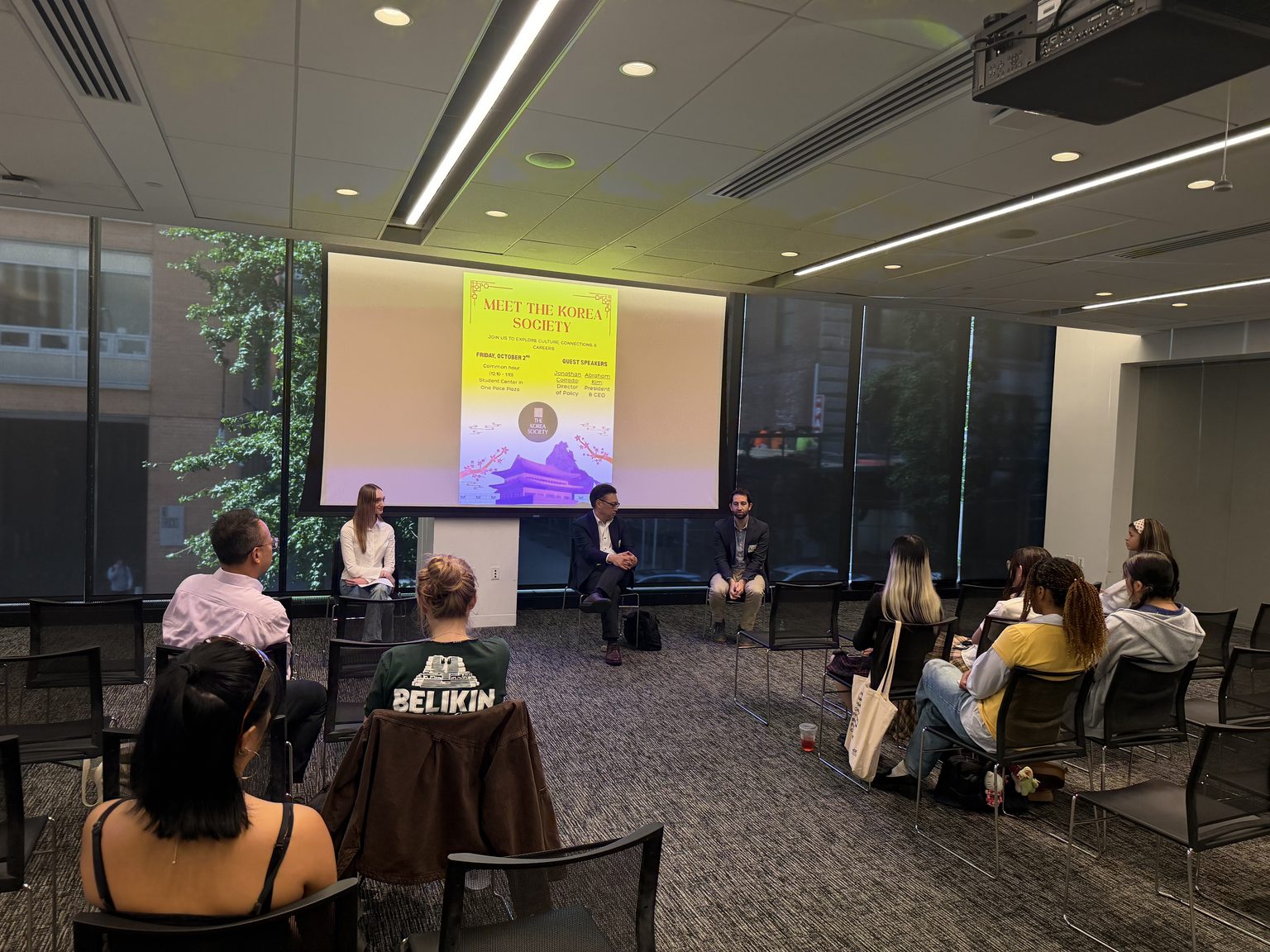
Korea Society president Dr. Abraham Kim and policy director Jonathan Corrado met with a group of Pace University students and Joseph Lee, Chair of the Global Asia Studies Department at Pace University. Kim and Corrado spoke about the evolving and multifaceted US-Korea relationship, Korean culture, history, and career opportunities in international affairs, business, and cultural exchange.

The Pace University outreach is part of a general engagement with universities and colleges across the United States by the Korea Society to engage communities and deepen leadership development among emerging leaders in the U.S.-Korea and U.S.-Asia space.

Presentations by Sherman Scholar Lecture Award Recipients

Geopolitical Affairs/Sherman Family Korea Emerging Scholar Lecture

Presentations by Sherman Scholar Award Recipients

Since 2017, The Korea Society has presented this annual award to stimulate and support the next generation of U.S. thought leadership on Korea.

Presented to scholars in the U.S. from a wide range of disciplines and backgrounds, the award has recognized pioneering and impactful scholarship in fields such as architecture, political economy, political science, poetry, national identity, medical science, maritime conflict, and technology.

The award recognizes both emergent talents and emerging topics. It enjoys the kind support of Mr. and Mrs. Philip Sherman and family.

202610th recipient
Dr. Jae Yeon Kim

How Can AI Serve All People in Korea and the U.S.?

Dr. Jae Yeon Kim, Assistant Professor of Public Policy, University of North Carolina at Chapel Hill

Dr. Kim examines how artificial intelligence can improve public services. Drawing on his civic technology research and experience as a former senior data scientist at Code for America, he compares government digital systems in South Korea and the U.S., cautions against prioritizing efficiency over public needs, and proposes an approach grounded in accessibility, accountability, and citizen feedback.

He argues that digital government requires policy reform, since access barriers often stem from administrative rules rather than outdated technology alone, and adding AI without changing those procedures risks automating existing burdens. Korea’s centralized digital services can be deployed quickly but may lock in design flaws. Independent audits, citizen feedback, and service-use data can surface problems early, and training young people to assess digital services can strengthen accountability and public trust.

20259th recipient
Dr. Peter Jongho Na

Reframing Suicide as a Shared Social Responsibility in Korea

Dr. Peter Jongho Na, Assistant Professor of Psychiatry, Yale School of Medicine

Dr. Na casts suicide not as an individual failure or “extreme choice (극단적 선택),” but as a systemic and cultural crisis requiring a coordinated national response. Drawing on his experience as a psychiatrist, public health researcher, and mental health advocate, he examines the scale and societal costs of suicide in Korea and analyzes key structural drivers such as academic and workplace pressures, poverty and isolation among older adults, and the pervasive stigma surrounding mental illness and treatment.

A central theme is how stigma has sustained silence, denial, and policy inertia. Dr. Na shares his efforts to challenge euphemistic language and foster open public dialogue, while proposing an interdisciplinary roadmap inspired by global models that integrate public health, education, and social welfare reforms. He also highlights the Korean diaspora’s potential role in breaking taboos and advancing cultural and policy change.

20248th recipient
Dr. David Krolikoski

The Politics of The Silence of Love in Colonial Korea

Dr. David Krolikoski, Assistant Professor, University of Hawaiʻi

Dr. Krolikoski examined The Silence of Love (Nim ŭi ch’immuk, 1926), the acclaimed collection of eighty-eight poems by Han Yong-un (1879–1944), a Buddhist monk and public intellectual. Although the book is commonly celebrated as a metaphor for colonial subjugation, he argued that its artistic significance lies in Han’s paradigm-shifting use of colonial poetry as a medium of communal expression during a time of national crisis.

He explored how Han used fiction and symbols to collapse the boundary between private and public address, transmuting the individual voice of his poetic speaker into a platform for a community, and placed the collection within the 1920s translation of foreign poetic forms into Korea, with a focus on how Han incorporated elements of the lyric and prose poem into his verse.

20237th recipient
Dr. Munseob Lee

The Return of Industrial Policy: Lessons from Korea

Dr. Munseob Lee, Assistant Professor, University of California San Diego

Industrial policy is making a comeback. Signs of government intervention in support of industry are visible not only in China, but in the U.S., Europe, and Asia. Drawing on Korea’s experience, Dr. Lee offers insights for today’s policymakers, including a close look at the government’s 1973 heavy and chemical industry drive. While that policy yielded positive outcomes for the targeted industries, it also resulted in higher concentration within those sectors.

Lee stresses the need for a thorough evaluation of costs and benefits before implementation, especially given current bipartisan support in the U.S. for major bills aimed at revitalizing industrial policy. As one reviewer stated, “At this critical time Lee revisits the effectiveness of Korean industrial policy during a high development phase to glean useful insights for Korea, U.S., and beyond.” Moderated by Thomas Byrne, then President and CEO of The Korea Society.

20226th recipient
Dr. Eunbin Chung

National Identity Affirmation and Trust in Korea, Japan and China

Dr. Eunbin Chung, Assistant Professor of Political Science, University of Utah

Legacies of conflict and distrust have made it difficult for East Asian countries to form regional institutions and overcome security dilemmas. Dr. Chung’s research questions two conventional wisdoms: that distrust among states can be overcome through cultural convergence and appeals to a shared identity, and that strong, inward-focused national identities exacerbate inter-state distrust and conflict. She advances the concept that trust can be built among nations when each affirms its own distinctive identity, and that this may be more effective than embracing common identities across countries.

Dr. Katrin Katz, the inaugural award recipient, described Chung’s argument as “breaking new ground in tackling some prevailing beliefs regarding the relationship between national identity and levels of inter-state trust and conflict.”

20215th recipient
Dr. Aram Hur

Korea’s Changing National Story and Democratic Future

Dr. Aram Hur, Assistant Professor and Co-Director, Institute for Korean Studies, University of Missouri

Dr. Hur addressed Korean nationalism, a “rapidly fragmenting and changing” national story, and the danger of democratic rollback. Senior director Stephen Noerper described her selection and address as “incredibly important given the costs of such fragmentation in Korea, but comparatively in the United States of late and by extension to a world seeing rollback in Myanmar, Thailand, Russia and elsewhere.”

20204th recipient
Melany Sun-Min Park

Architecture as Kisul in Postwar Korea: Building the Industrial Nation-State

Melany Sun-Min Park, Doctoral Candidate, Harvard University

Ms. Park addressed architecture’s relationship to state-led, large-scale industrial development in postwar Korea, framing architecture as kisul (science-technology). Carter Eckert, Yoon Se Young Professor of Korean History at Harvard University, described her effort as a “brilliantly conceived project combining…histories and cultural issues with an exploration of science/industrialism and aesthetics…in South Korea.” Harvard Professor Yukio Lippit hailed her original “use of archives never tapped for use in any language.”

20193rd recipient
Dr. Ivanna Sang Een Yi

P’ansori Mountain Pilgrimages: Land as Interlocutor in Contemporary Korean Oral Performance and Literature

Dr. Ivanna Sang Een Yi, Visiting Assistant Professor, University of Colorado Boulder

In a presentation both spoken and sung, Professor Yi conceptualized the contemporary practice of p’ansori san kongbu, mountain study, as a form of pilgrimage.

20182nd recipient
Dongsei Kim

Imagining the Impossible: The DMZ as a Productive Territory

Dongsei Kim, Architect and Assistant Professor, New York Institute of Technology

Professor Kim explored how architecture and landscape architecture investigate the Demilitarized Zone. Through the prism of spatial design and three concrete examples, he argued for reformulating exclusionary border conditions into inclusive spaces that become synergistic and productive for both Koreas.

2017Inaugural recipient
Dr. Katrin Katz

Maritime Conflict in Northeast Asia and Nationalism in Korea

Dr. Katrin Katz, Northwestern University

The Korea Society celebrated sixty years since its founding with a public and press presentation on September 27 by Dr. Katz, who served on the National Security Council in the George W. Bush administration. Her dissertation addresses maritime conflict in Northeast Asia and the dynamics of nationalism in Korea. Mr. Sherman, whose family supports the award, served as Citi’s representative in Korea in the early 1970s.

Apply for the next lecture

Ph.D. candidates, junior professors, researchers, and professionals are eligible.

Apply now

Become a member

Get access to exclusive programs and a network dedicated to U.S.–Korea relations.

Join The Korea Society

Get the newsletter

The latest programs, lectures, and news, once a month.

Subscribe

Policy director Jonathan Corrado interviewed by VOA

Korea Society policy director was interviewed by VOA Reporter Jo Sang-jin about North Korean nuclear diplomacy, sanctions implementation, North Korea-Russia military cooperation, and the future situation on the Korean Peninsula. Corrado assessed that North Korea feels no immediate need to engage in dialogue, as it has secured greater negotiating power than ever before through Russia and China. He also pointed out that the reduction of U.S.-South Korea joint military exercises should not continue indefinitely without corresponding measures from North Korea.

The Unseen Resilience of North Korean Female Defectors

North Korea’s Evolving Cyber Strategy

Join us for a discussion on the unseen resilience of North Korean female defectors. Kim Seonghui and Na Min-Hee provide powerful personal testimony, describing their life and experiences in North Korea, their escape, and their new life in South Korea. Human rights advocate and expert Kwon EunKyoung joins the discussion, which is moderated by policy director Jonathan Corrado.

This program is made possible by the generous support of our individual and corporate members and the Korea Foundation.


The Unseen Resilience of North Korean Female Defectors

Thursday, September 18, 2025 | 4 PM (EDT)


The Korea Society
350 Madison Avenue, 24th Floor
New York, NY 10017


About the Speakers:


Kim Seonghui fled North Korea in 2008 to give her daughter a life free from the violence and indignity she faced as a woman. In North Korea, Kim worked as a nurse, witnessing harrowing conditions caused by the absence of medicine, equipment, electricity, and basic supplies. Now in South Korea, she runs Hanadoga (“House of Unity”), a North Korean-style distillery brewing alcohol — as her mother once did — and leads volunteer efforts to support vulnerable people in her community.


Na Min-Hee is originally from Pyongyang. She was working in Malta as a state-dispatched overseas laborer when she first encountered the world outside of North Korea—and was struck by the freedom and dignity with which women lived abroad. Despite strict surveillance, she fled to Germany in 2015 and, eventually found refuge in South Korea. Now living in South Korea, Na is happily married and committed to reclaiming her voice and agency as a woman. She shares her story and perspectives openly through her YouTube channel with 162K subscribers, determined to speak not from fear or silence, but with strength and autonomy.


Kwon EunKyoung is the Director of the Network for North Korean Democracy and Human Rights (NK Net) and Secretary General of the International Coalition to Stop Crimes Against Humanity in North Korea (ICNK). She focuses on creating effective strategies to improve the quality of life for North Korean people and to raise their awareness of the values shared by the global community. She works to broaden channels that connect the world with the hearts and lives of the North Korean people.

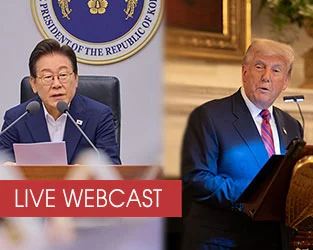
Rapid Reaction: The First Trump-Lee Summit

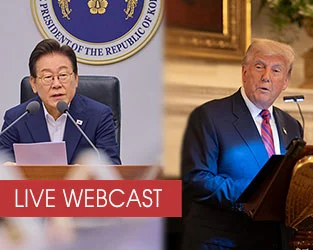
Join us for a timely discussion on the highly anticipated first meeting between US President Donald Trump and South Korean President Lee Jae Myung. Taking place after the agreement of a new trade framework on July 30, this meeting may address such diverse topics as: Korean investments into the US, Alliance cost sharing and modernization efforts, trilateral US-Korea-Japan collaboration, and coordination on North Korea. Expert panelists unpack summit expectations, outcomes, and implications. This discussion features Dr. Katrin Katz, The Korea Society’s inaugural Van Fleet Nonresident Senior Fellow, and Josh Smith, Korea Bureau Chief for Reuters News Agency, in conversation with Korea Society policy director Jonathan Corrado and program officer Chelsie Alexandre.

This program is made possible by the generous support of our individual and corporate members and the Korea Foundation.

 
Sign Up Here to Receive the Viewing Link


Rapid Reaction: The First Trump-Lee Summit

Tuesday, August 26, 2025 | 8 AM (EDT)


About the Speaker:


Dr. Katrin Fraser Katz is The Korea Society’s inaugural Van Fleet Nonresident Senior Fellow. Dr. Katz is a former director for Japan, Korea, and oceanic affairs on the staff of the National Security Council, where she served from 2007 to 2008. She is also a Professor of Practice in the Department of Political Science and the Master of Arts in International Administration (MAIA) program at the University of Miami and an Adjunct Fellow (Non-resident) in the Office of the Korea Chair at the Center for Strategic and International Studies (CSIS) in Washington, DC. Previously, she was a special assistant to the assistant secretary for international organization affairs at the U.S. Department of State and an analyst at the Central Intelligence Agency. She was previously an Adjunct Assistant Professor in the Department of Political Science at Columbia University and has also taught at Georgetown University. In 2017, Dr. Katz received the inaugural Sherman Family Korea Emerging Scholar Lecture Series award from The Korea Society. Dr. Katz’s research, which has been supported by grants from the Korea Foundation and the Horowitz Foundation for Social Policy, explores the interplay of cooperation and conflict in East Asia’s political, economic, and security dynamics. She holds a Ph.D. in political science from Northwestern University; a master’s degree in East Asian and international security studies from the Fletcher School of Law and Diplomacy, where she was awarded the John C. Perry Scholarship for East Asian Studies; and a bachelor’s degree, magna cum laude, in international relations and Japanese from the University of Pennsylvania.


Josh Smith is the bureau chief for Reuters in Seoul. He has covered North and South Korea since 2017, including the tensions during the 2017 period, the Trump-Kim summits in 2018 and 2019, a reporting trip to Pyongyang, and South Korea’s recent martial law crisis. He previously covered politics and policy in Washington DC and lived for five years in Kabul where he covered the wars in Afghanistan and Iraq.
 

North Korea’s Evolving Cyber Strategy

North Korea’s Evolving Cyber Strategy

Join us for a discussion on the rising scale and sophistication of North Korea’s cyber operations with Mitch Haszard, senior threat intelligence analyst at Recorded Future, and Scott Kardas, geopolitical threat intelligence analyst at Recorded Future. How does North Korea’s cyber activities fit into the Kim regime’s larger goals? How can the U.S., South Korea, and the broader international community respond to this threat? This program will follow the evolution and growing magnitude of the regime’s cyber operations and its attacks. The conversation will be moderated by policy program officer Chelsie Alexandre.
 
https://www.recordedfuture.com/research/north-koreas-cyber-strategy
https://www.recordedfuture.com/research/north-koreans-continue-to-use-foreign-technology
https://www.recordedfuture.com/research/inside-the-scam-north-koreas-it-worker-threat

The Korea Society thanks our corporate sponsors and individual members and the Korea Foundation for their generous support, which has made this program possible.


Click Here to Attend in Person


Sign Up Here to Receive the Viewing Link


North Korea’s Evolving Cyber Strategy

Wednesday, August 13, 2025 | 12 PM (EDT)


The Korea Society
350 Madison Avenue, 24th Floor
New York, NY 10017


About the Speakers:


Mitch Haszard is a Principal Threat Intelligence Analyst on the Strategic and Persistent Threats team at Recorded Future. The Strategic and Persistent Threats team focuses on tracking and researching state-sponsored cyber activity. Mitch holds an MS in Cybersecurity from New York University, an MA in International Studies from Yonsei University, and a BS in International Business from the University of Maryland, Global Campus.


Scott Kardas is a geopolitical threat intelligence analyst at Recorded Future. He first went to Korea to teach English in 2012. He got his Masters degree from Yonsei University Graduate School of International Studies in 2017. From 2018-2020, Scott worked as a civilian instructor at the Korea Military Academy (육군사관학교). Since 2021, Scott has worked as an analyst focusing on the geopolitics of Northeast Asia.


2026 Armistice Day Commemorative Reception

Program Brief

2026 Armistice Day Reception

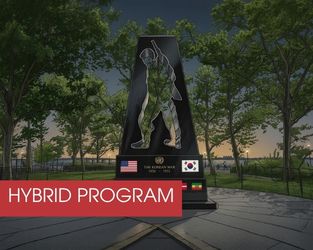
In a reception commemorating the 73rd anniversary of the Korean War Armistice Agreement and celebrating the U.S.-ROK alliance, The Korea Society, in collaboration with the Korea Defense Veterans Association (KDVA) New York City Metro Area Chapter and the Consulate General of the Republic of Korea in New York, brought together veterans, policy leaders, and alliance supporters to honor the service and sacrifice of U.S. and Republic of Korea veterans.

The commemoration emphasized that the U.S.-ROK alliance extends far beyond diplomatic agreements, having been forged through shared sacrifice in the mud, snow, and blood of the battlefield. This relationship was historically exemplified by the partnership between Eighth Army Commander General James Van Fleet and General Paik Sun-yup, whose mutual respect laid the tactical and structural foundation for the modern Republic of Korea Army. As highlighted throughout the evening, the loss of thousands of American and Korean soldiers, including General Van Fleet’s own son, created an unbreakable bond.

Marking the anniversary of the Armistice Agreement signed on July 27, 1953, the evening reception provided an opportunity for reflection on the alliance’s historic achievements while reaffirming a shared commitment to its future.

This program was made possible by the generous support of the Korea Foundation, KDVA, the Consulate General of the Republic of Korea in New York, and The Korea Society’s individual and corporate members.

The program was covered by Voice of America. A video is available to view here. 

Key Takeaways

1. Peace Through Security and the Evolution of the Armistice

Consul General Sangho Kim framed the 1953 Armistice not as a permanent resolution, but as a provisional pause that granted South Korea the essential time required to rebuild from the ashes of war into a global democracy and economic powerhouse. While seven decades under a temporary ceasefire has carried immense economic burdens and persistent fears of renewed conflict, he argued that the responsibility of the present generation is to leverage the U.S.–ROK alliance, robust deterrence, and steady diplomacy to transition from mere containment toward a lasting treaty that permanently eliminates the fear of war on the Korean Peninsula.

2. The Frontline Reality and the Enduring Human Legacy of Combat

Korean War Marine veteran Jack Foley offered a grounded, personal perspective on the human cost and living legacy of the Korean War, recounting his 1951 deployment with the 1st Battalion, 5th Marines. Foley detailed the immediate, exhausting transition to frontline mountain combat, where troops endured months of constant vigilance without permanent shelter, paved roads, or basic amenities like clean uniforms. Beyond his battlefield service, Foley highlighted the profound personal bonds formed in the decades following the war. Serving in the New York City Police Department during the 1960s, his encounters with Korean immigrants routinely transformed into immediate, deep friendships rooted in mutual respect for his service which culminated in his upcoming official revisit to South Korea.

3. Preserving Memory and Mobilizing Modern Partnerships

Reflecting on the modern responsibilities of both nations, speakers from The Korea Society and KDVA framed veteran sacrifice as an ongoing “debt of duty” rather than a simple historical memory. General Chris Stockel and Korea Society Policy Director Jonathan Corrado noted that a strong US-ROK alliance remains essential for guaranteeing regional stability and economic growth in Northeast Asia. Honorably fulfilling the mission of Korean War veterans requires continuous, active coalition-building across government, veteran organizations, and civil society in both the United States and South Korea to ensure that historical courage continues to secure lasting peace and prosperity.


Korea Defense Veterans Association

Consulate General of the Republic of Korea in New York


Speaker

Sangho Kim

Consul General Sangho Kimof the Republic of Korea in New York. Consul-General Kim Sang Ho serves as the Consul-General of the Korean Consulate General in New York, a position he assumed in April 2026. Prior to his diplomatic appointment in New York, Consul-General Kim was actively involved in civic and national organizations, serving as a Board Member for the Citizen’s Coalition for Urban Future from 2024 to 2026 and as the Director General of the External Cooperation Bureau for the National Council for People’s Sovereignty from 2024 to 2025. From 2018 to 2022, he served as the Mayor of Hanam City in Gyeonggi Province. He served as the Vice Chair of the Policy Committee at the Central Headquarters of the Democratic Party of Korea from 2017 to 2018, which followed an eight-year tenure as an Advisor to a Member of the National Assembly for the Democratic Party of Korea from 2008 to 2016.

Speaker

Chris Stockel

Brigadier General (Ret.) Chris Stockel currently serves as the Korea Defense Veterans Association New York City Metro Chapter president. He is also the vice president of the Civil Affairs Association, senior U.S. civil military operations (CMO) advisor to the Korea Battle Simulation Center (KBSC). He commanded infantry, special forces, and civil affairs units, culminating at the one-star level as commanding general (CG) of the 351st Civil Affairs Command (CACOM) in Mountain View, CA and as the acting Combined Forces Command (CFC) C9 (civil affairs), Korea. As CG of the 351st, he was responsible for nearly all civil affairs operations in the INDO-PACIFIC. Previous to this, he was deputy commanding general, U.S. Army Civil Affairs & Psychological Operations Command (Airborne) and chief of staff (COS) of the 352nd CACOM. Before this, he was the commander of the civil military operations center (CMOC) and deputy COS strategic effects Operational Command Post (OCP) Third Army/ARCENT, Kuwait. He deployed twice to Iraq – once as a CA officer and later as the PAO for CJSOTF-AP. Other assignments included interagency duty with State counter-terrorism at Main State in the CT bureau, formerly S/CT, a joint assignment with USSOCOM, and Special Operations USEUCOM (SOCEUR). His training assignments, tours, and deployment postings included numerous European, Asian, Central American, Caribbean, East African, and Middle Eastern countries (including Egypt, Iraq, UAE, Jordan, Bahrain, Qatar, Lebanon, and Kuwait). He spoke at the Council on Foreign Relations focused on China, at AUSA LANPAC in Hawaii on HADR, and testified about Iraq before Congress to the House committee on State and Foreign Operations. Stockel earned a BA in Mathematics/Computer Science with a minor in German from Trenton State College including a year abroad at the Goethe University Frankfurt am Main, Germany and a Master’s Strategic Studies from the U.S. Army War College. He is a life member of the Council of Foreign Relations. While in uniform he held DoD language ratings in German, Arabic, and Spanish. He is ranger and special forces qualified. His numerous awards and decorations include the Distinguished Service Medal, Legion of Merit, Bronze Star Medal, Meritorious Service Medal, German Parachute Badge, Latvian Special Forces Parachute Badge, Indonesian Parachute Badge, and Cote d’Ivoire Parachute Badge.

Speaker

Jack Foley

Jack Foley enlisted in the United States Marine Corps following his graduation from high school in March 1951 at the age of 17. Jack completed recruit training at Parris Island before being transferred to Camp Pendleton in California for advanced infantry instruction. The training included rigorous Mountain Warfare exercises in the Sierra Nevada Mountains in preparation for deployment to Korea. Upon his return home in late November 1952, he was promoted to the rank of Marine Sergeant in the USMC and assigned to the 2nd Marine Division at Camp LeJeune, NC serving with the Weapons Company, 2nd Battalion, 2nd Marine Regiment. In May 1953, Jack was reassigned to Marine Corps Base Quantico, VA where he served as a Weapons instructor at the Officer Candidate School. Following this assignment, he returned to Camp LeJeune where he completed his service and was honorably discharged.

After Jack’s honorable discharge from active duty in 1955, he was accepted into the New York City Police Department where he began his career in law enforcement. Concurrently, he rejoined the Marine Corps as a reservist, ultimately serving a total of 25 years and retiring with the rank of Master Sergeant. During that time, he participated in specialized training programs including Desert Warfare training in the Mojave Desert, Jungle Warfare School in Panama, and Cold Weather training in Norway. In 1990, Jack continued his commitment to public service by joining the Lee County Sheriff’s Office in Fort Myers, Florida. He served proudly as a Deputy Sheriff and later retired with the rank of Police Sergeant.