


Staff
Leadership

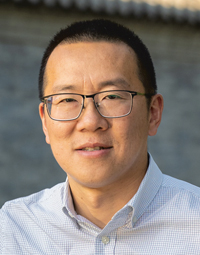
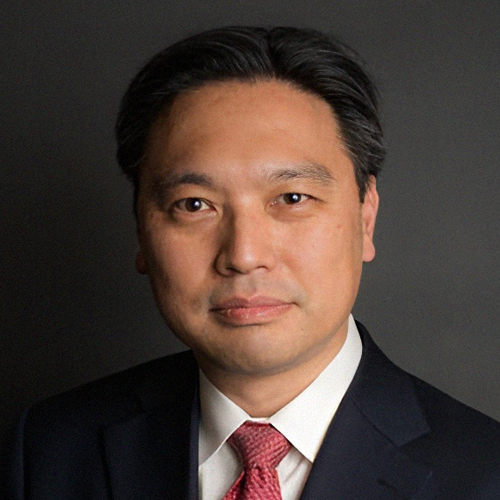
Abraham Kim, Ph.D. is the President & CEO of The Korea Society, where he leads the organization’s efforts to strengthen ties between the United States and Korea through policy dialogue, business engagement, and cultural exchange.
Dr. Kim brings more than 25 years of experience in public policy, national security, and nonprofit leadership, with a career focused on U.S.–Korea relations and Northeast Asia. He has worked closely with senior government officials, business leaders, and international organizations, providing analysis and guidance on geopolitical and economic issues related to the Korean Peninsula.
Prior to joining The Korea Society, Dr. Kim served as Executive Director & President of the Council of Korean Americans (CKA), where he expanded the organization’s national footprint and strengthened its role in policy engagement and leadership development. He previously served as Executive Director of the Maureen and Mike Mansfield Center at the University of Montana and as Interim President and Vice President of the Korea Economic Institute of America, where he supported public diplomacy initiatives and educational programs focused on the U.S.–Korea alliance.
Earlier in his career, Dr. Kim worked as a policy and risk analyst at Eurasia Group, CSIS, and SAIC, focusing on political risk, crisis simulations, and regional security issues in Northeast Asia. He holds a Ph.D. and M.Phil. in Political Science from Columbia University, an M.A. from Harvard University, and a B.A. from Boston University.
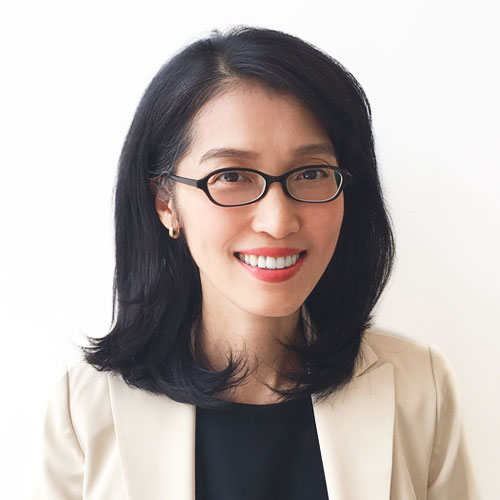
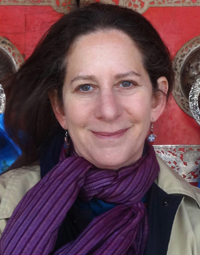
Jiyoung Suh is the Vice President at The Korea Society, where she leads fundraising activities, corporate programs, signature events, and external affairs. With over a decade of service to the Society, Jiyoung has held various roles, including Senior Director of Development, Director of Special Events, and Development Officer. Her extensive experience encompasses all aspects of development and event management.
Before joining The Korea Society, Jiyoung served as a Manager at The Beautiful Foundation NY (aka NY Nanum Foundation). She earned her Master of Arts in Performing Arts Administration from New York University and holds a Bachelor of Arts in Political Science and Diplomacy from Ewha Womans University.
Senior Staff
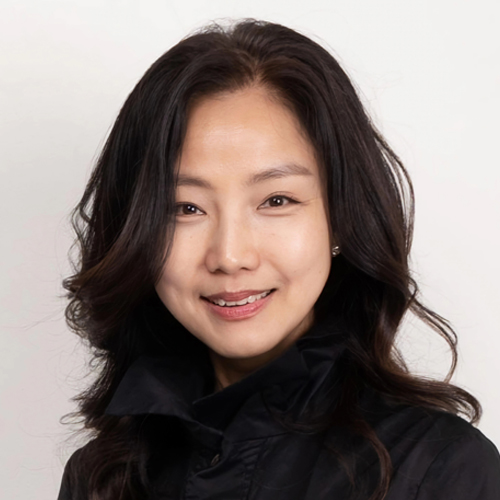
Hae Kyung “Haley” Ahn is Senior Advisor for Outreach at The Korea Society. In this position, she plays an important role in expanding the influence and activities of The Korea Society beyond its New York base and acts as the representative of The Korea Society in Washington, D.C. Prior to joining The Korea Society, Haley worked as Senior Advisor at Korea Economic Institute of America (KEI) and Head of the Protocol Office at the U.S. Embassy, Seoul. She also served as advisor and lecturer at the International Convention Management Center at Ewha Womans University and adjunct professor at Soongeui Women’s College in Seoul, Korea. Haley has received various awards from U.S. government including Meritorious Honor Award and Foreign Service National (FSN) of the Year Award. She has also received a Merit Award from the Republic of Korea Minister of National Defense. Haley was an undergraduate at Ewha Womans University. She holds a Master’s degree in International Studies from Yonsei University and Ph.D. in Political Science from Ewha Womans University.
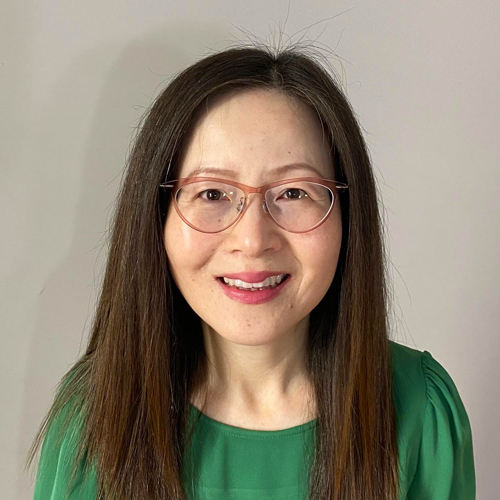
Hyunjung (Helen) Cho joined The Korea Society team in December 2020 as the Financial Controller. She has more than 25 years of finance experience including accounting, business process, budgeting and financial reporting in non-profit, retail, and bio-tech industries. Prior to joining The Korea Society, Helen held a Controller position for more than 12 years and an Accounting Manager for 4 years at The Partnership for New York City. She holds a master’s degree in accounting from University of Colorado Denver and bachelor’s degree in accounting from University of Colorado Boulder. She is a certified public accountant registered in Colorado.
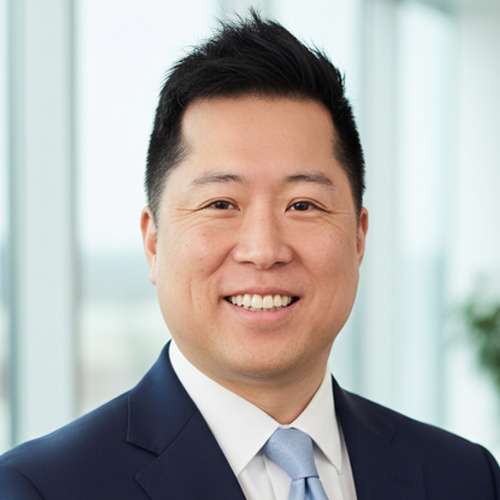
Seho Kim, Senior Creative Director at The Korea Society, oversees the organization’s visual identity, creative projects, and communication strategies across web, print, and mobile platforms. With a background in freelance artistry, including work for UNICEF, W Hotels the Store, and gallery exhibitions, he also illustrated the children’s book Go for Kids and taught at Parsons School of Design/New School University. Holding a BFA from the Rhode Island School of Design and an MFA from Parsons, where he was the 2003 student commencement speaker, he has received numerous accolades for his excellence in communications design, including the ARC, Vision, Inspire, Spotlight, American Design, and Magellan Awards.
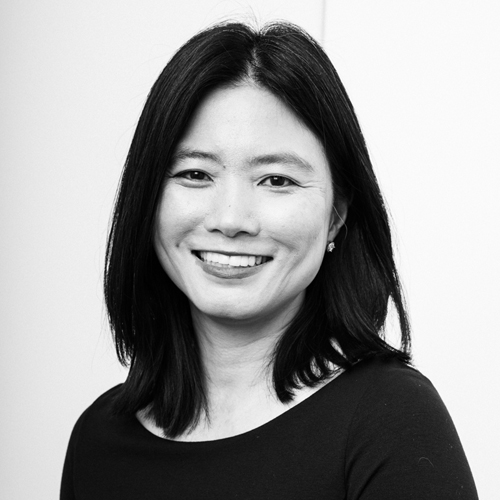
Before joining the Korea Society, Jay Oh has worked in publishing and non-profit art organizations in Greensboro, N.C., Minneapolis, and New York. She holds a B.A. in art history from Smith College and an M.A. in art history from Williams College.
Staff
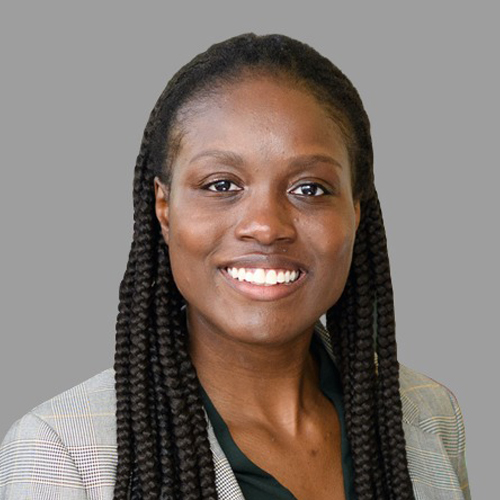
Chelsie Alexandre is the Geopolitical Affairs Program Officer at The Korea Society. She works with the Director of Policy to develop and implement events that address issues shaping the dynamics of U.S.-ROK relations, the Korean peninsula, and Northeast Asia. Before joining The Korea Society, Chelsie received a Fulbright Research award to conduct research in South Korea on the role of middle power countries in the Korean peace process with Korea University’s Peace and Democracy Institute. During her time in Seoul, she also briefly reported on domestic Korean affairs for The Diplomat.
Prior to her current role, Chelsie was a Partnerships Coordinator at the New York City-based nonprofit, The Concordia Summit, and she worked as a Legal Analyst at the global law firm Kobre & Kim. Chelsie also had previous experience as a research Intern at The Korea Society. She graduated with a B.A. in Politics from Princeton University, with minors in East Asian Studies and Diplomacy.

Rachel Bang is The Korea Society’s Arts and Culture Programs Associate. Rachel is responsible for supporting the development and implementation of various arts and culture initiatives within the organization. She also works to conduct research related to arts and culture, identifying potential partners and collaborators, and helping to build relationships! She holds a B.A. in Psychology and minor in Korean Culture and Studies.
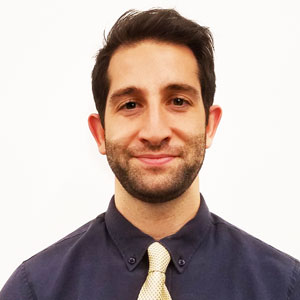
Jonathan Corrado is Director of Geopolitical Affairs for The Korea Society. He produces programming and conducts research on a range of security, diplomacy, and socioeconomic issues impacting the U.S.-Korea Alliance, the Korean Peninsula, and Northeast Asia. He teaches a class titled, “North Korea: State, Society, Diplomacy, and Security” at The School of International and Public Affairs (SIPA) at Columbia University and SUNY Stony Brook University. Jonathan is a member of The National Committee on North Korea (NCNK). He was previously a non-resident James A. Kelly Fellow at Pacific Forum, an Emerging Leader at the National Committee on American Foreign Policy (NCAFP), and a contributor to NK Pro. He has published peer-reviewed articles in the International Journal of Intelligence and CounterIntelligence, the Journal of Indo Pacific Affairs, the Journal of the Royal Society for Asian Affairs, and Asian Politics & Policy. He has also published analysis in diverse outlets such as Foreign Affairs, Foreign Policy, War on the Rocks, 38 North, The Diplomat, The Japan Times, The National Interest, Yahoo News, Pacific Forum PacNet and Issues & Insights, NK News, and NK Pro. He has been quoted in The Washington Post, Bloomberg, Reuters, The South China Morning Post, The Korea Times, Radio Free Asia, and Voice of America. Jonathan was previously a translator for Daily NK (Korean to English), an FCPA due diligence investigator for Steele Compliance Solutions, a graduate fellow for McLarty Associates, and a volunteer analyst for the Congressional Research Service. Jonathan received an MA from Georgetown University’s Asian Studies Program in the Walsh School of Foreign Service and a BA in anthropology and philosophy from the University of Maryland College Park.
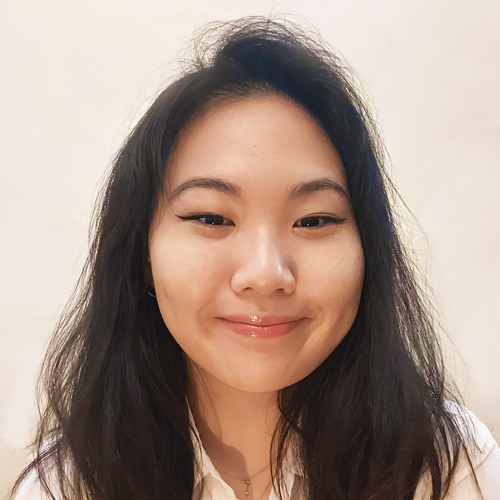
Stephanie Hwang is The Korea Society’s Development Program Officer. Along with providing general support to the Development Team, she is responsible for managing individual membership and programming the Young Professional Network. Prior to joining The Korea Society in 2023, she worked in Publicity and Marketing at Riverhead Books, an imprint of Penguin Random House. She holds a bachelor’s degree in English from Stony Brook University, and tutors high-school level English on the weekends.
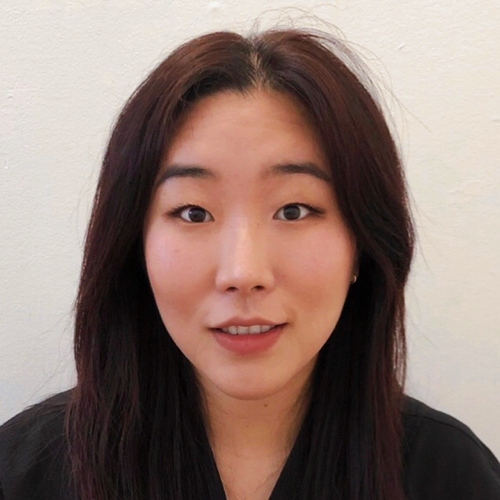
Jamie Joo is the Associate Director of Development at The Korea Society. She is responsible for managing corporate membership and coordinating special events for the organization. Before joining The Korea Society, Jamie served as an Operation Specialist in the United States Navy. She holds a bachelor’s degree in Electronic Engineering Technology with a specialization in Avionics from Vaughn College of Aeronautics and Technology.
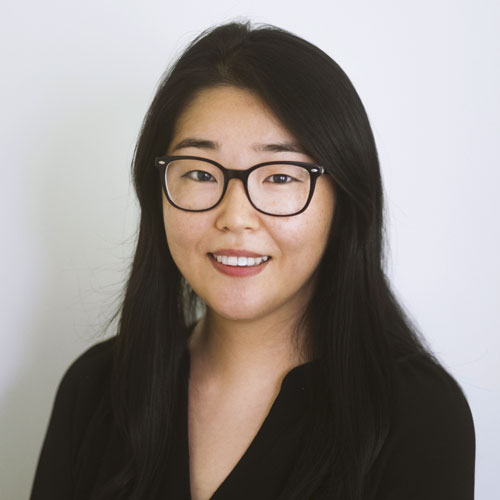
Eunjung Kho is the Director of Administration / Assistant Controller at the Society. She graduated from the State University of New York at Binghamton with a BS in Accounting. During her years at Binghamton, she served on the Executive Board of various Korean-American groups—as a Secretary, Fundraiser, and Design Editor—that promoted and planned social, educational, and cultural events for Koreans, Korean-Americans, and students on campus. She was the Secretary for Korean-American Student Association, and the Magazine Design Editor and Secretary for Han Perspective, the only bilingual publication group on campus to provide news, opinions, reviews, and arts with a focus on Korean and Korean-American culture.
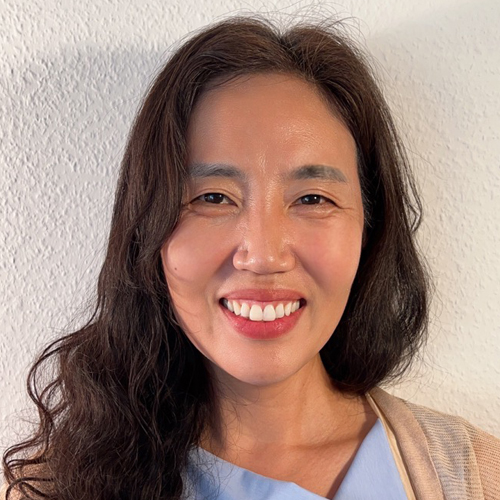
Sojeong is the Director of Business and Economics Program. Working with the Senior Director of Development, Sojeong manages the corporate program with a focus on startup business in America and Korea. Her program shines a light on the dynamic startup scene in Korea and America, helping to connect successful startup pioneers with aspiring entrepreneurs. Sojeong has extensive experience in fundraising and in managing youth leadership and community development programs. Prior to her current role, she was a Program Officer at the Korean National Commission for UNESCO, The Beautiful Foundation NY (aka Nanum Foundation), and The Korea Society. She holds a B.A. in English Education from Ewha Womans University, an M.A. in Political Science from Seoul National University, and an M.I.A. (Master of International Affairs) from the University of California, San Diego.
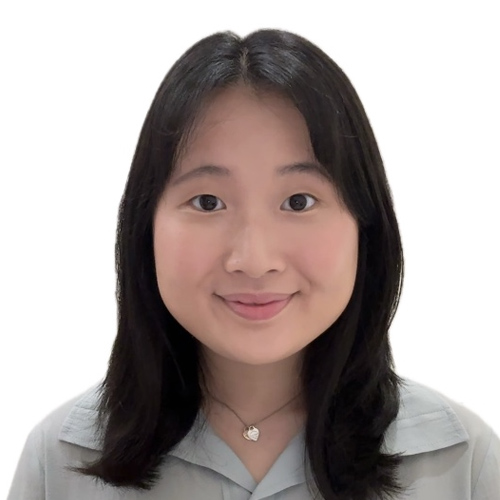
Gayoung is the Executive Assistant to President/CEO and Board of Directors Staff Liaison at The Korea Society. She previously interned at Portman Square Group, a global investigations firm specializing in business intelligence, where she focused on due diligence, research, and data analysis. Gayoung also worked as an administrative assistant in Columbia University’s Undergraduate Admissions Office and as a communications associate at The Kaizen Company, an international development firm.
Passionate about foreign policy and U.S.-Korea relations, Gayoung was one of ten undergraduate fellows selected globally for the 2022 Nuclear Nonproliferation Education and Research Center (NEREC) Summer Fellowship program at the Korea Advanced Institute of Science and Technology (KAIST). There, she conducted research on potential challenges to the Nuclear Suppliers Group due to increasing global nuclear demand and changing attitudes surrounding nuclear energy. Gayoung graduated from Columbia University with a B.A. in Political Science.
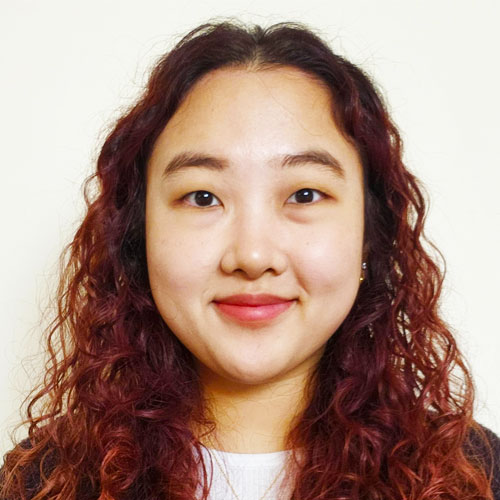
Sara is the Business & Economics Program Associate at The Korea Society. She provides support to the corporate programs, focusing on US-ROK economic relations, the startup sector, and related leadership programs. Prior to joining the Korea Society, she has interned at The Ditchley Foundation and at the US-Asia Institute and has conducted various research about Korea’s role in the world, such as Korea’s modern economic development, Korean diaspora studies, South Korea and China’s cultural diplomatic ties, and East Asian modern territoriality. She holds an MSc in International Relations from The London School of Economics and a double B.A. in Global Liberal Studies and Social Cultural Analysis (high honors) from New York University.

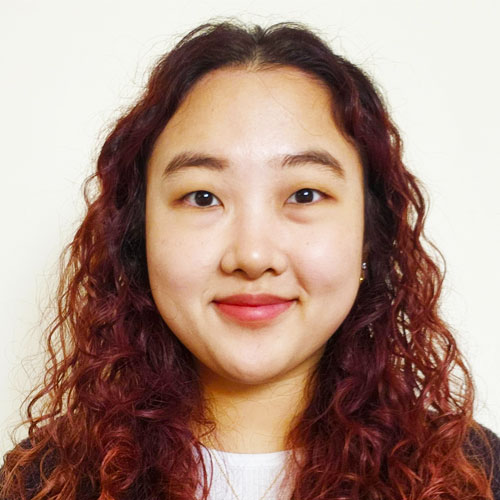
Yurim Oh is The Korea Society’s Education Program Officer and serves as the coordinator of the Society’s Korean Language Program (KLP). Yurim is responsible for supporting the development, management, and promotion of KLP. She focuses on marketing and outreach to expand the program’s reach while also contributing to curriculum development. Prior to joining The Korea Society in 2025, Yurim worked as a program director and instructor at Semonemo.US. She is currently a candidate for a Master of Science degree in Curriculum Development and Instructional Technology at the University at Albany. Yurim also holds a bachelor’s degree in Public Administration from the University of Seoul.
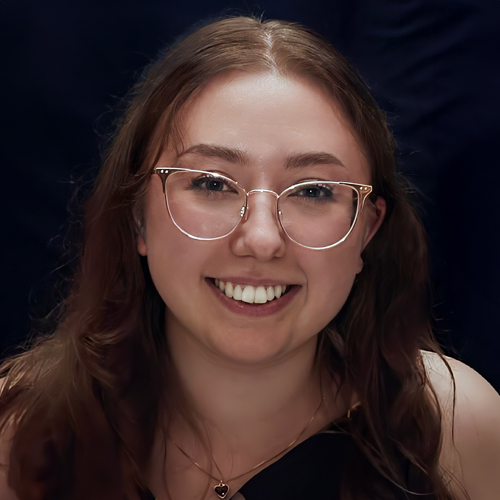
Micala Shaffer is The Korea Society’s Communication Officer. She is responsible for developing and executing the organization’s communications strategy, coordinating program promotions, fostering relationships with media personnel, and managing grant proposals and reporting. She first joined The Korea Society as Communication Intern in 2021 after graduating from University at Albany with a B.A. in East Asian Studies, double major in Globalization Studies, and a minor in Korean Studies. Prior to joining The Korea Society full time, she worked as the receptionist at the law office of McAdam & Fallon.

Bradley D. Sheen is the Media Program Associate at The Korea Society. With a strong background in media production and a B.A. in English from the University of Virginia, he collaborates closely with the Creative Director and IT Director to create engaging multimedia content, including video production, editing, and graphic design. His role also involves updating program webpages, ensuring a dynamic online presence for the organization.
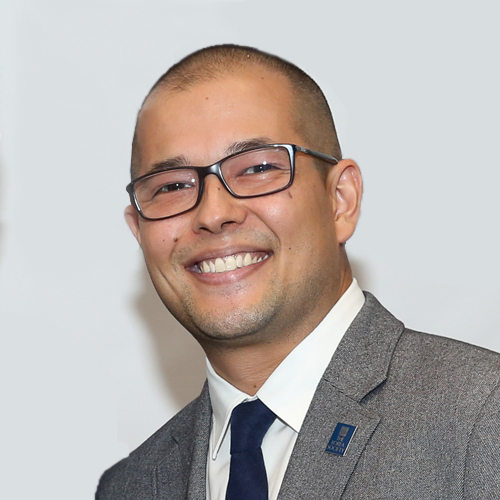
As the Society’s IT Director, Peter Stuehmke is proficient with technologies such as network administration, database administration, Web 2.0 technologies, and audio-visual production. Prior to joining the Society in April 2006, Peter Stuehmke worked in a variety of technology, support, consulting, and media-design positions. Mr. Stuehmke graduated from the State University of New York at Stony Brook in 2005 with a BA in philosophy and a minor in engineering science.